Researchers developed new methods that produce intense attosecond pulses and pulse pairs to gain insights into the fastest motions inside atoms and molecules. It...
Researchers demonstrate a new ability to drive and track electronic motion, which is crucial to understanding the role of electrons in chemical processes and...
This novel method could shrink the equipment needed to make laser pulses billionths of a billionth of a second long for studying ultra-speedy electron...
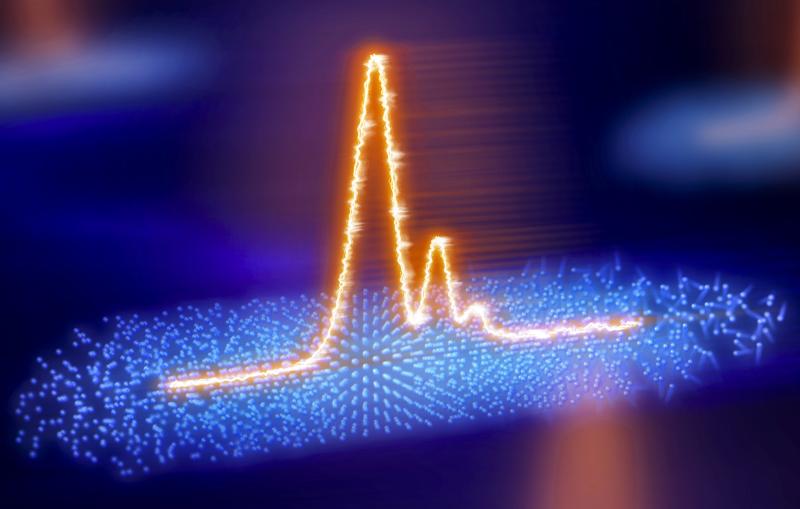
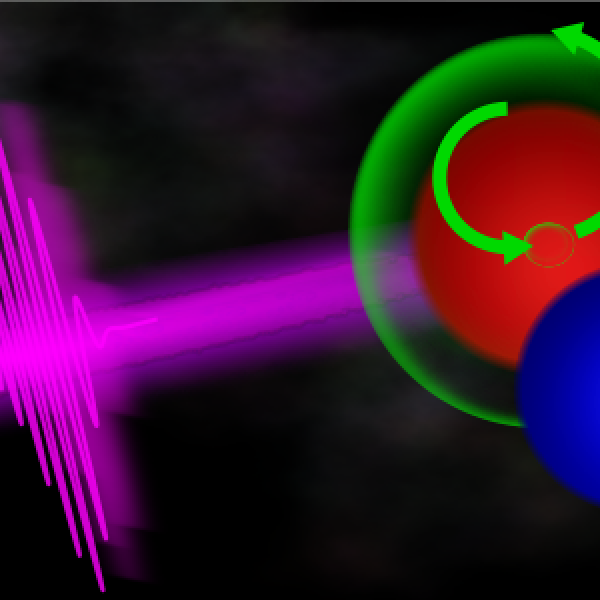
Researchers developed new methods that produce intense attosecond pulses and pulse pairs to gain insights into the fastest motions inside atoms and molecules. It could lead to advancements in fields ranging from chemistry to materials science.
Less than a millionth of a billionth of a second long, attosecond X-ray pulses allow researchers to peer deep inside molecules and follow electrons as they zip around and ultimately initiate chemical reactions.
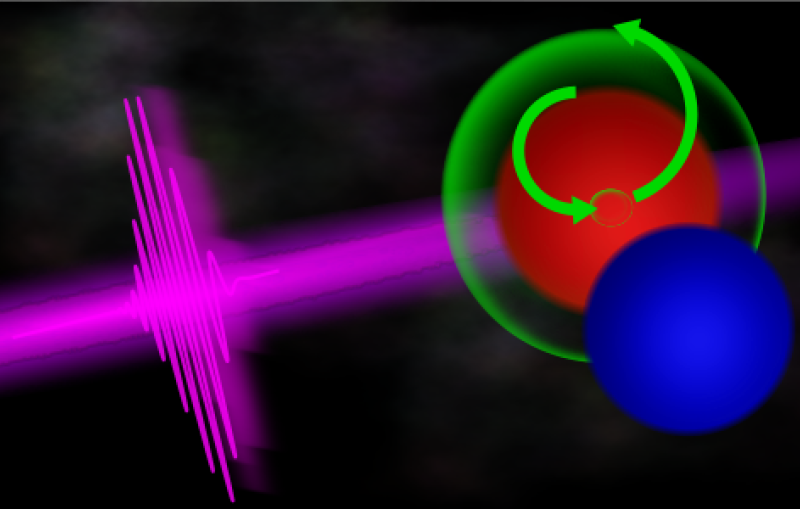
Researchers demonstrate a new ability to drive and track electronic motion, which is crucial to understanding the role of electrons in chemical processes and how quantum coherence evolves on the shortest timescales.
Called XLEAP, the new method will provide sharp views of electrons in chemical processes that take place in billionths of a billionth of a second and drive crucial aspects of life.
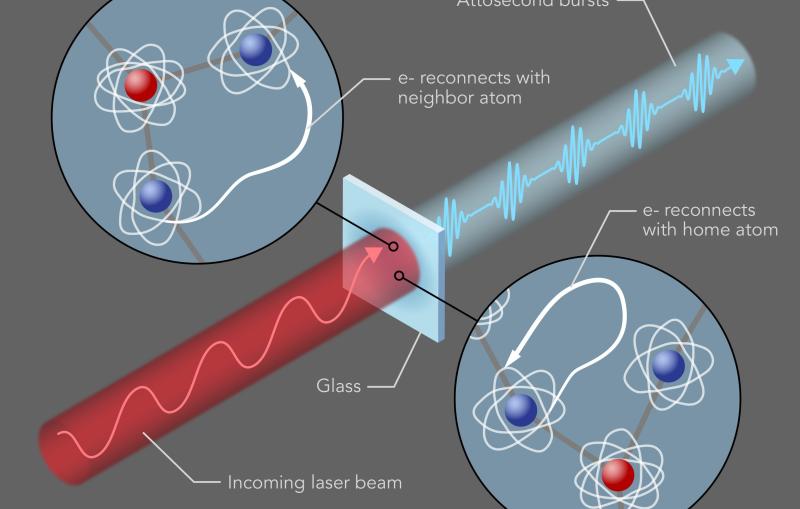
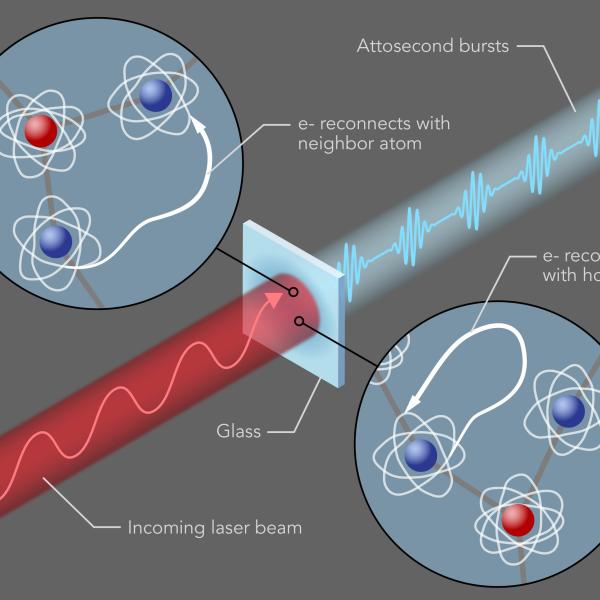
This novel method could shrink the equipment needed to make laser pulses billionths of a billionth of a second long for studying ultra-speedy electron movements in solids, chemical reactions and future electronics.