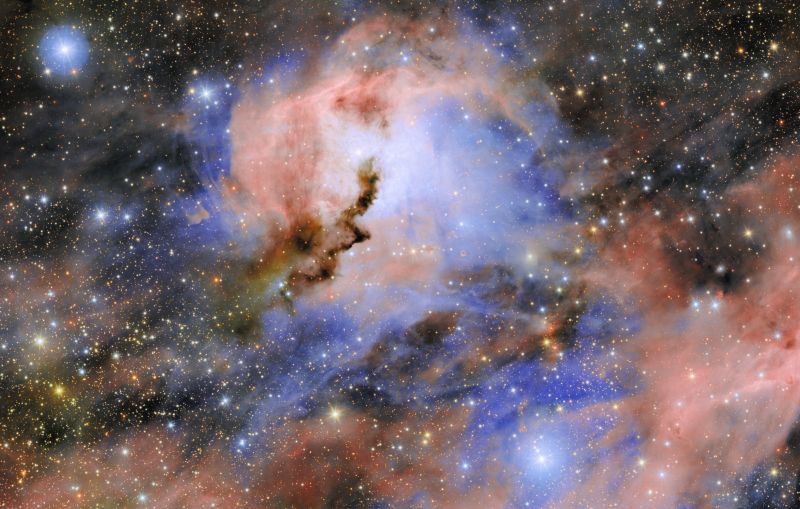
NSF-DOE Rubin Observatory has issued its first scientific alerts, marking a historic milestone in astrophysics and kicking off a new era of dynamic, real-time observation of the night sky.
Researchers reveal why trace amounts of alloy added to some catalysts keep them performing better over time. The study suggests models that could boost...
SLAC and Stanford researchers have developed a breakthrough technique that quantifies energy dissipation in complex, small systems, offering insights into energy use, efficiency, and...
Researchers reveal why trace amounts of alloy added to some catalysts keep them performing better over time. The study suggests models that could boost...
SLAC and Stanford researchers have developed a breakthrough technique that quantifies energy dissipation in complex, small systems, offering insights into energy use, efficiency, and...
Pages from the Codex Climaci Rescriptus palimpsest from the Museum of the Bible in Washington, DC, were brought to the Stanford Synchrotron Radiation Lightsource...
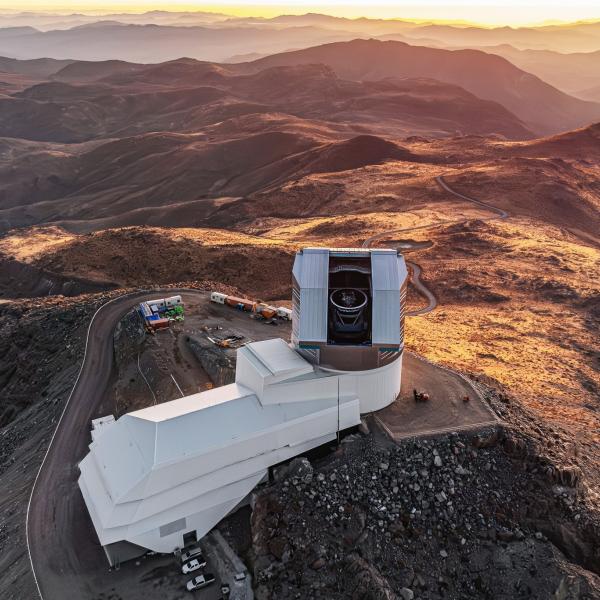
The NSF–DOE Vera C. Rubin Observatory in the Chilean Andes brings the cosmos to life like never before. During the first 10 years of operation, Rubin Observatory will conduct the Legacy Survey of Space and Time (LSST), creating the widest, fastest, and deepest views of the night sky ever observed.
An upgrade to SLAC’s renowned Linac Coherent Light Source will allow it to deliver X-ray laser beams that are 10,000 times brighter with pulses that arrive up to a million times per second.
SLAC is uniquely equipped to study viruses like SARS-CoV-2; in fact, we’ve been doing it for decades. This news collection gathers the latest information on COVID-19 research at SLAC.
On April 20, 2023 we celebrated 50 years of transformative science at SSRL. This unique event acknowledged many individuals who have made SSRL such a vital and impactful facility through partnerships among SSRL users and staff that fuel our success.