News releases

Browse the full collection of SLAC news releases and stay up to date on the latest scientific advancements at the laboratory.

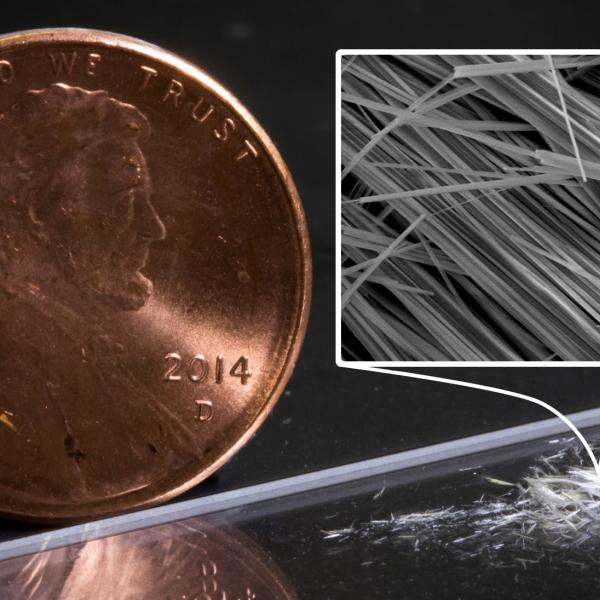
Scientists at Stanford and SLAC use diamondoids – the smallest possible bits of diamond – to assemble atoms into the thinnest possible electrical wires.

Diamondoids on a lab bench and under microscope, with penny for scale

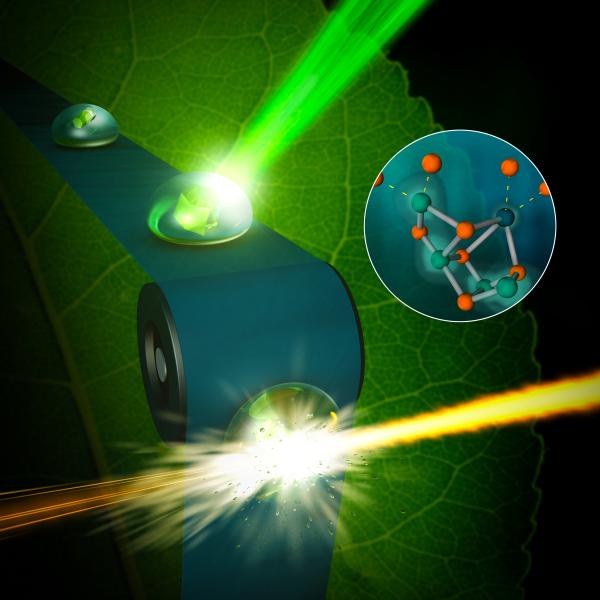
New X-ray methods have captured the highest resolution room-temperature images of photosystem II.

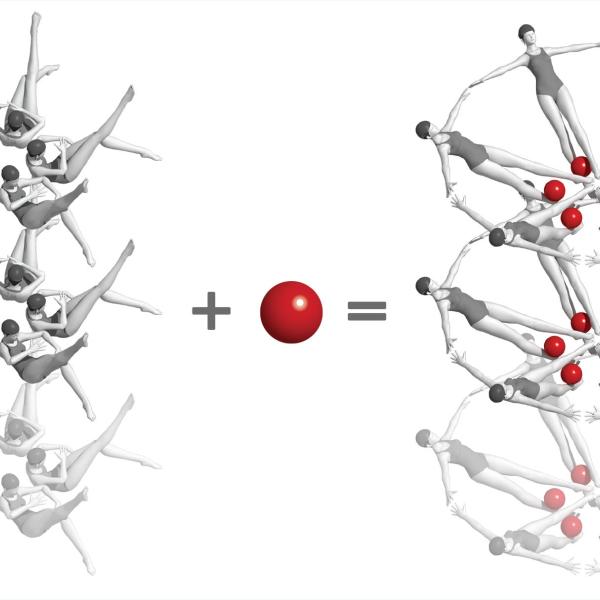
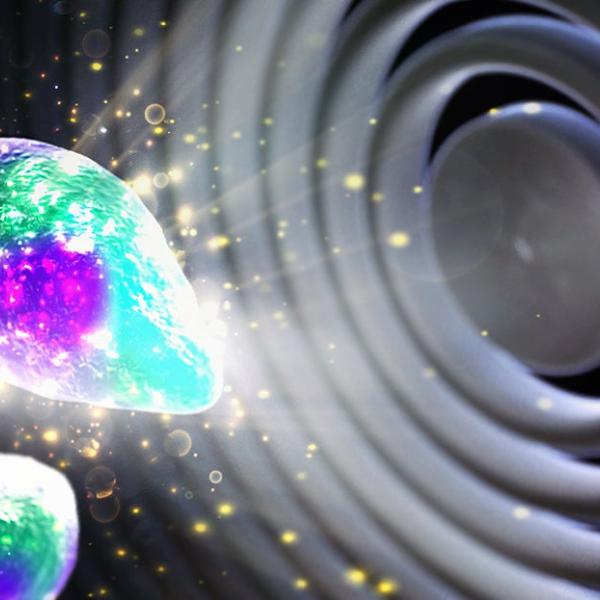
Scientists used SLAC's LCLS X-ray laser to make the first snapshots of a chemical interaction between two biomolecules. It changes the shape of millions of molecular switches almost instantaneously, like synchronized swimmers performing the same move.

Illustration depicting a chemical interaction as synchronized swimmers.

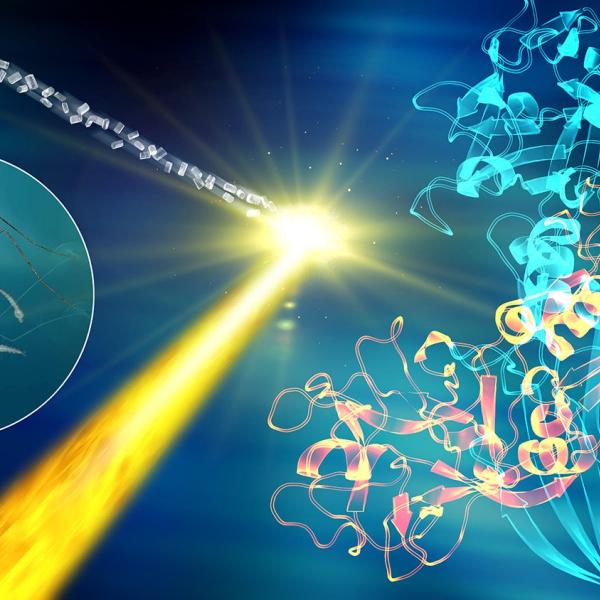
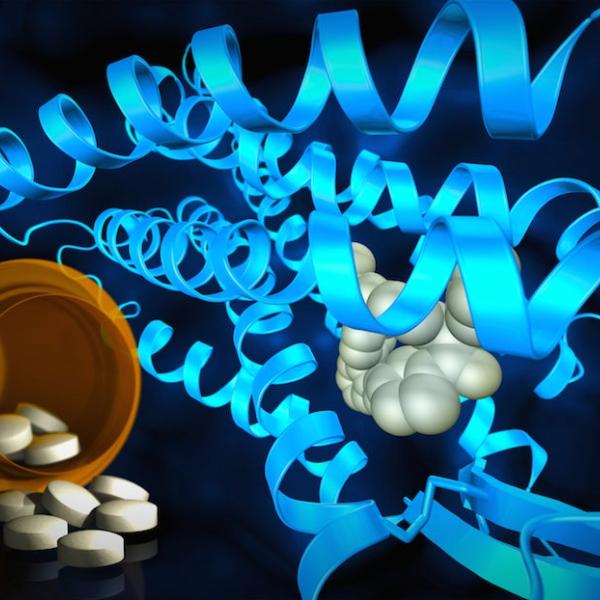
SLAC’s X-ray laser provides clues to engineering a new protein to kill mosquitos that carry dengue and Zika.

Scientists shed light on the three-dimensional structure of BinAB and its mode of action.

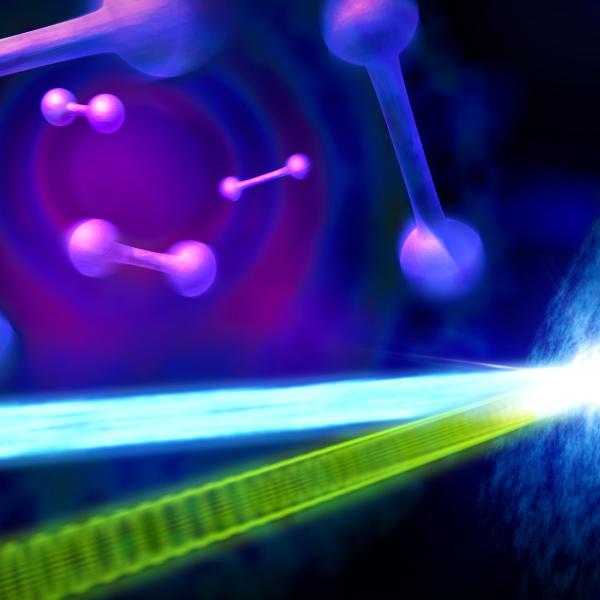
Just as Schroedinger's Cat is both alive and dead, an atom or molecule can be in two different states at once. Now scientists have exploited this behavior to make X-ray movies of atomic motion with much more detail than ever...

Illustration of a molecule splitting into two Schroedinger's Cat states

Method creates new opportunities for studies of extremely fast processes in biology, chemistry and materials science.

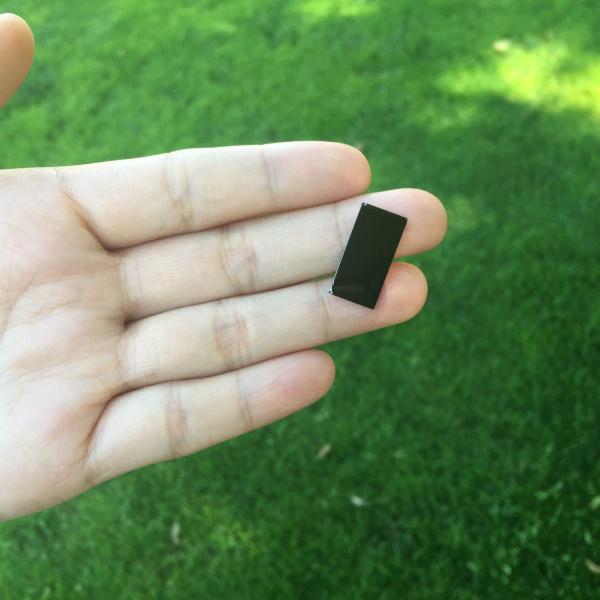
Researchers at SLAC and Stanford have created a nanostructured device, about half the size of a postage stamp, that harnesses more of the sun's spectrum of light to disinfect water much faster than with ultraviolet rays alone.

A researcher holds a tiny device that uses sunlight to disinfect water.

An interdisciplinary team has developed a way to track how particles charge and discharge at the nanoscale, an advance that will lead to better batteries for all sorts of mobile applications.

Before Hitomi died, it sent back X-ray data that explain how turbulent motions may prevent cooling of hot gas.

High-speed X-ray camera reveals ultrafast atomic motions at the root of organisms’ ability to turn light into biological function.

a protein from photosynthetic bacteria