News releases

Browse the full collection of SLAC news releases and stay up to date on the latest scientific advancements at the laboratory.
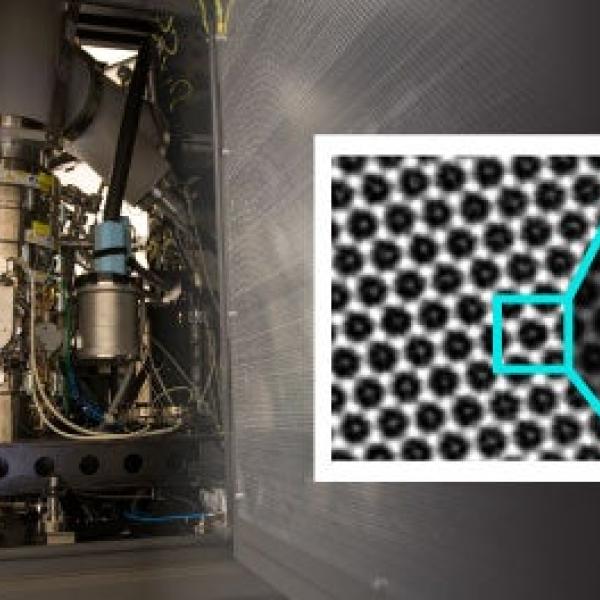
A new twist on cryo-EM imaging reveals what’s going on inside MOFs, highly porous nanoparticles with big potential for storing fuel, separating gases and removing carbon dioxide from the atmosphere.

Images of cryo-EM equipment, CO2 molecule in cage

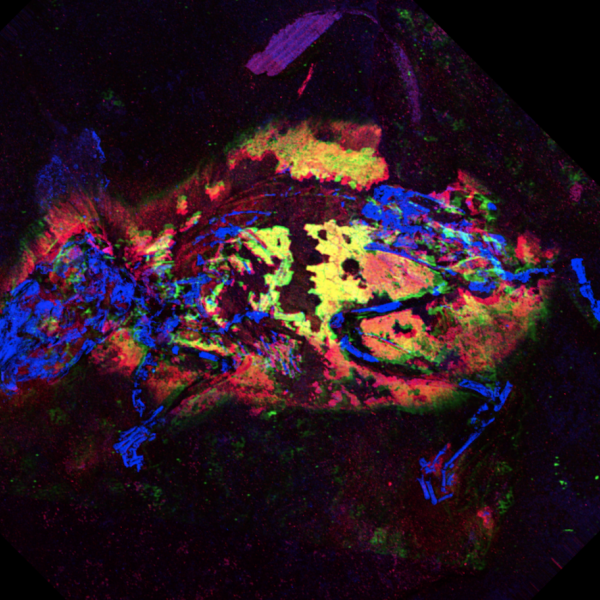
X-rays reveal an extinct mouse was dressed in brown to reddish fur on its back and sides and had a tiny white tummy.

mighty mouse false color

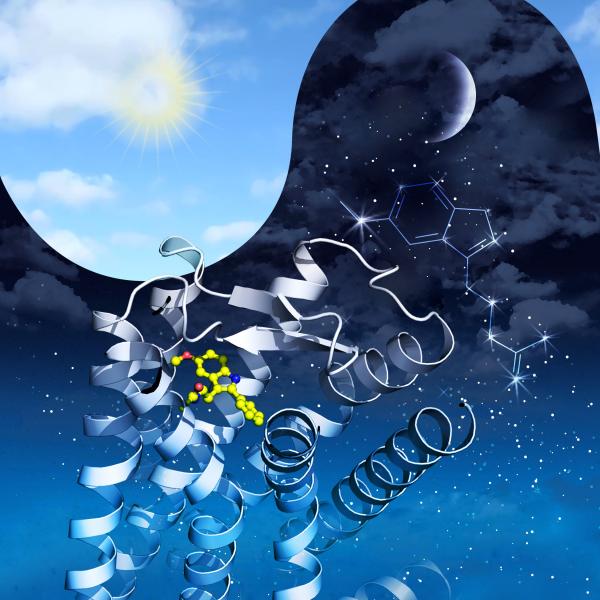
A better understanding of how these receptors work could enable scientists to design better therapeutics for sleep disorders, cancer and Type 2 diabetes.

melatonin

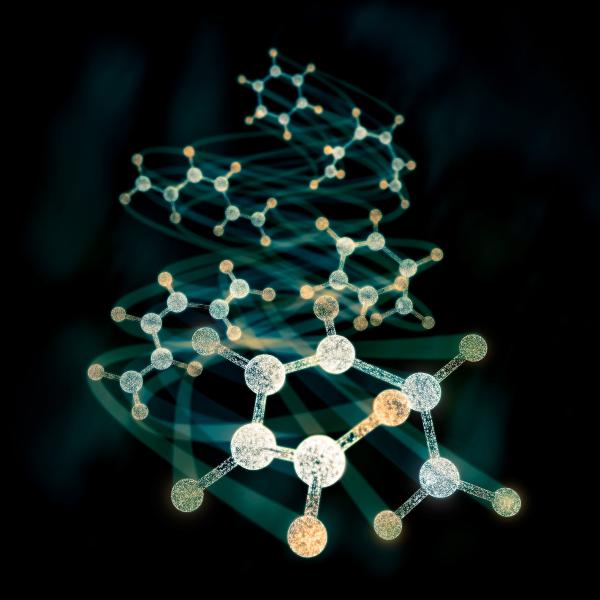
First direct look at how atoms move when a ring-shaped molecule breaks apart could boost our understanding of fundamental processes of life.

Molecular Movie in HD Art

The 4-inch-tall device could be used in portable transmitters for rescue missions and other challenging applications demanding high mobility.

Over-horizon communication

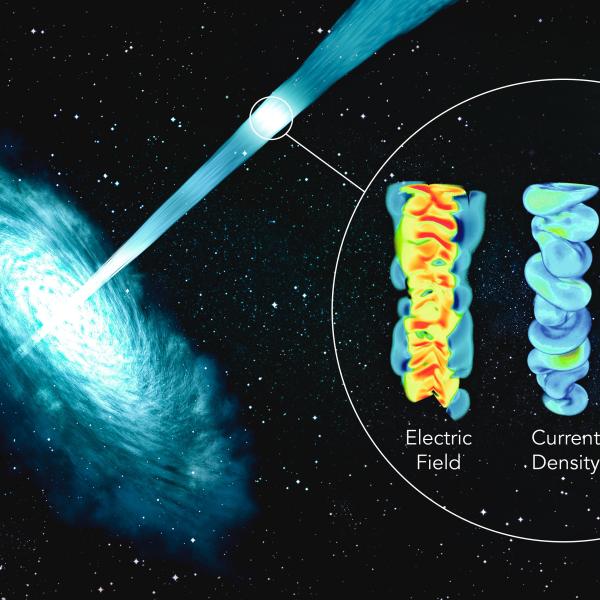
SLAC scientists find a new way to explain how a black hole’s plasma jets boost particles to the highest energies observed in the universe. The results could also prove useful for fusion and accelerator research on Earth.

Cosmic particle accelerators

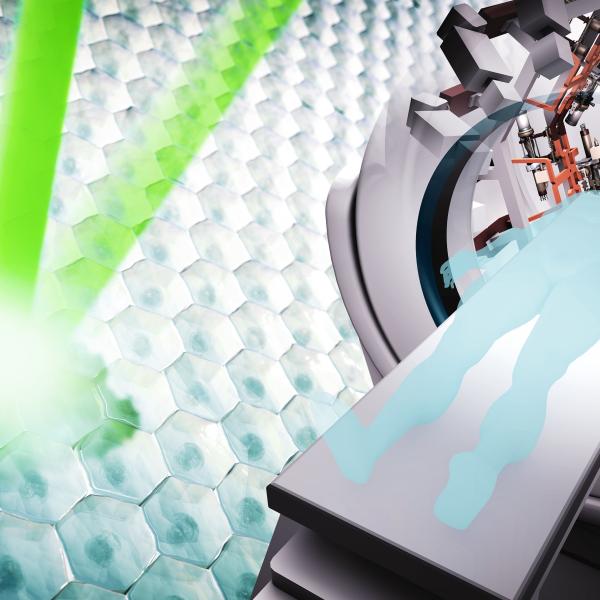
SLAC and Stanford researchers secure support for two projects that share one goal: to reduce the side effects of radiation therapy by vastly shrinking the length of a typical session.

Researchers at SLAC and Stanford are developing new accelerator-based technology that aims to speed up cancer radiation therapy.

In a major step forward, SLAC’s X-ray laser captures all four stable states of the process that produces the oxygen we breathe, as well as fleeting steps in between. The work opens doors to understanding the past and creating a...

Atomic movie

Experiments at SLAC and Berkeley Lab uproot long-held assumptions and will inform future battery design.

Lithium ion infographic

Richter designed particle accelerators and carried out experiments that led to the Nobel Prize-winning discovery of the charm quark.