News releases

Browse the full collection of SLAC news releases and stay up to date on the latest scientific advancements at the laboratory.
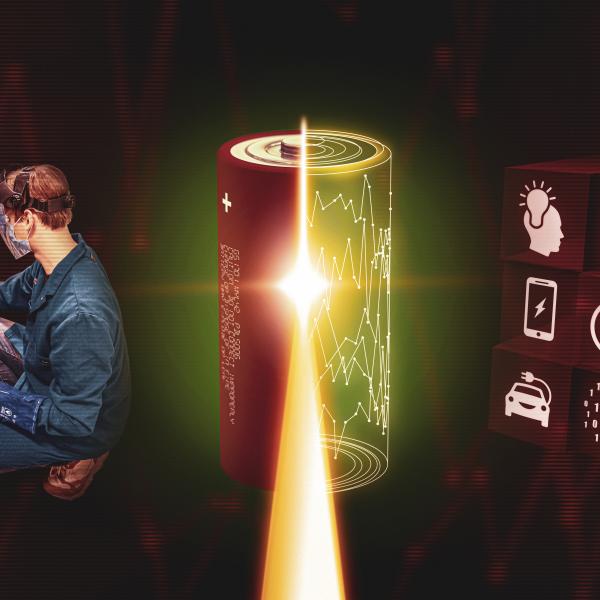
New SLAC-Stanford Battery Center bridges the gaps between discovering, manufacturing and deploying innovative energy storage solutions. 

Illustration showing a battery researcher at left, a battery at center and a grid of battery applications at right.

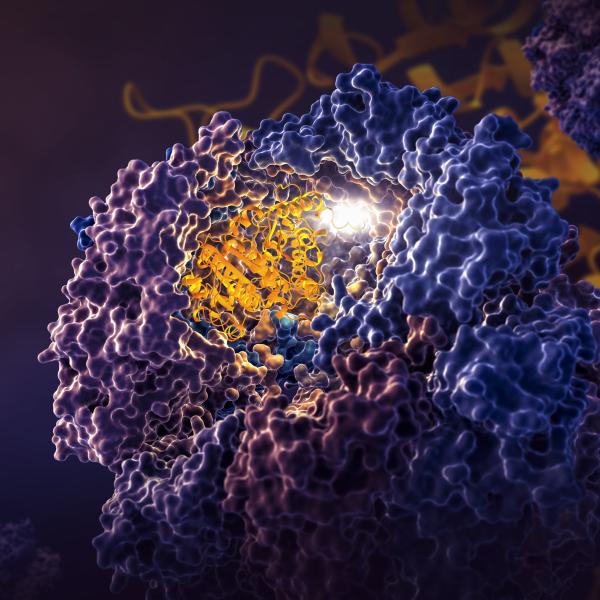
Researchers used cryo-EM (left) to discover how a chamber in human cells (right) directs protein folding. 

A pom-pom like object with curly tangles in purple and blue shades and yellow tangles at center, reminiscent of a zinnia blossom.

Under his 10-year leadership, the lab has significantly expanded its research and impact.

Chi-Chang Kao

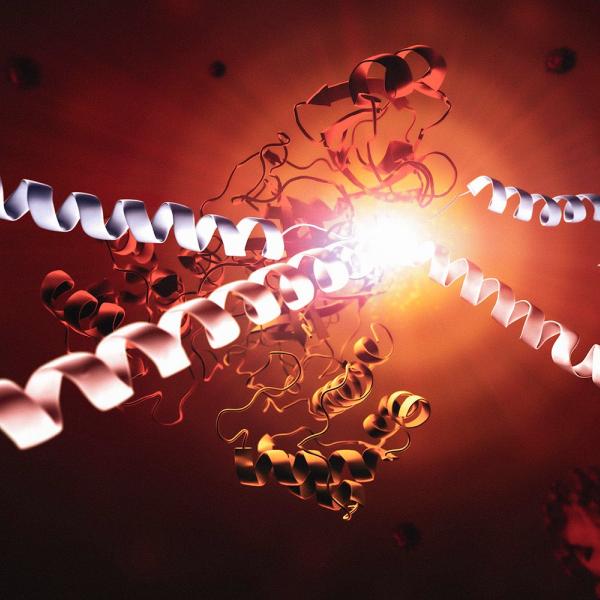
Powerful X-rays from SLAC’s synchrotron reveal that our immune system’s primary wiring seems to be no match for a brutal SARS-CoV-2 protein.

SARS-CoV-2-NEMO

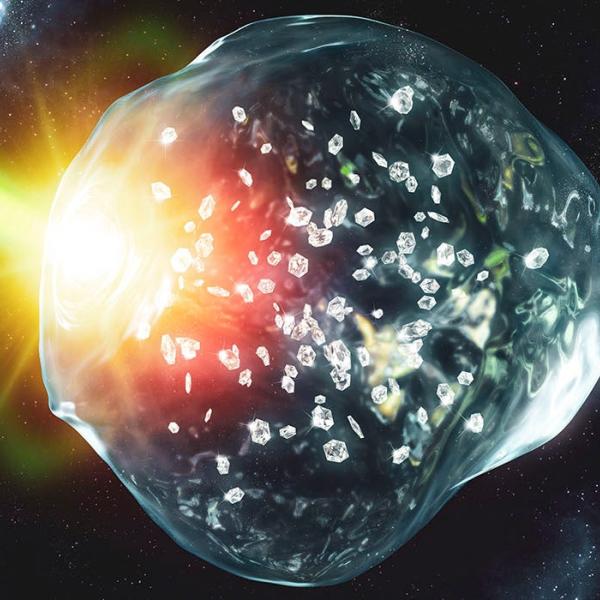
Studying a material that even more closely resembles the composition of ice giants, researchers found that oxygen boosts the formation of diamond rain.

Diamond rain formation

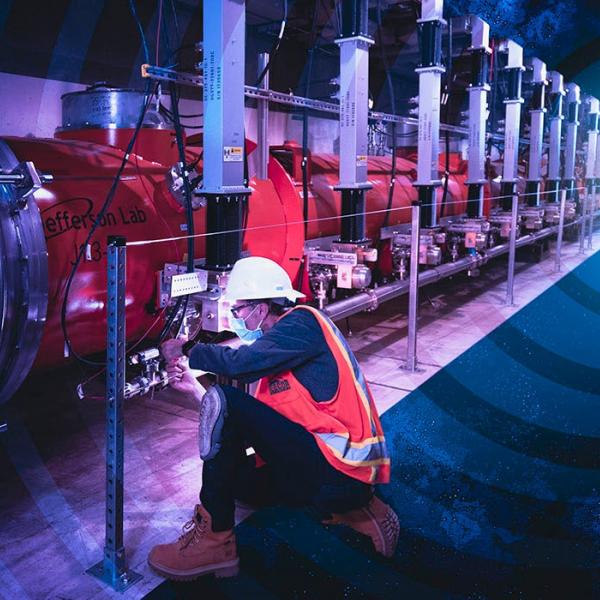
The facility, LCLS-II, will soon sharpen our view of how nature works on ultrasmall, ultrafast scales, impacting everything from quantum devices to clean energy.

LCLS-II cooldown

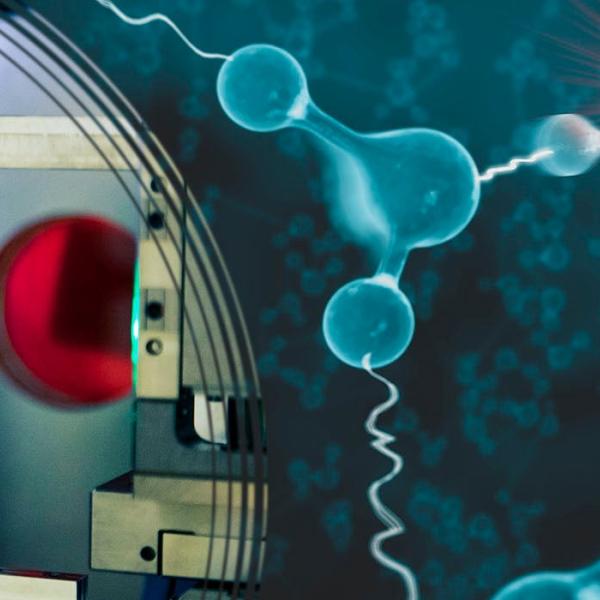
The work sheds light on the web of hydrogen bonds that gives water its strange properties, which play a vital role in many chemical and biological processes.

UED Water

They discover a short-lived state that could lead to faster and more energy-efficient computing devices.

ultrafast switching

The latest advance from a research collaboration with industry could dramatically accelerate the development of sturdier batteries for fast-charging electric vehicles.

Studies of electrode nanoparticles for batteries.

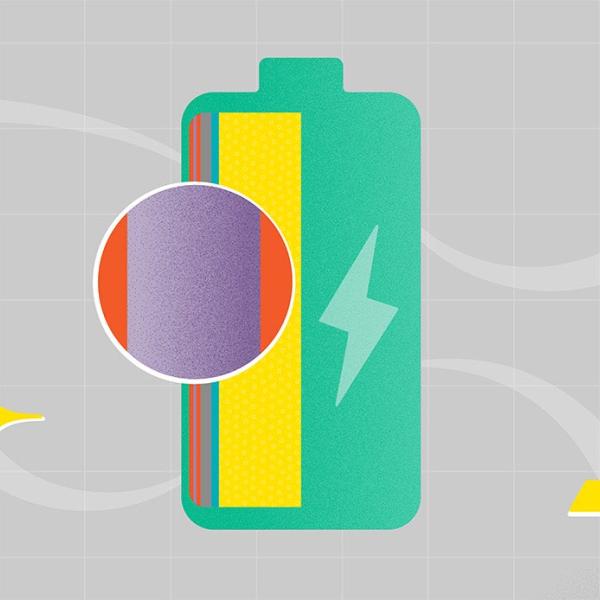
Adding polymers and fireproofing to a battery’s current collectors makes it lighter, safer and about 20% more efficient.

Conceptual illustration of advantages of redesigned current collector.