News releases

Browse the full collection of SLAC news releases and stay up to date on the latest scientific advancements at the laboratory.
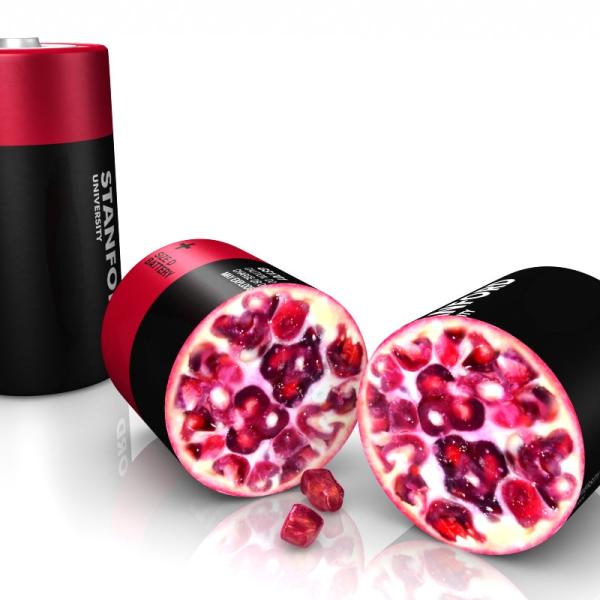

An electrode designed like a pomegranate – with silicon nanoparticles clustered like seeds in a tough carbon rind – overcomes several remaining obstacles to using silicon for a new generation of lithium-ion batteries, say its inventors at Stanford University and...

A fanciful illustration of pomegranate seeds inside a conventional battery

New Technology Allows Faster, More Accurate Imaging of Hard-to-study Membrane Proteins

Illustration - man with migraine, serotonin receptor bound to anti-migraine drug

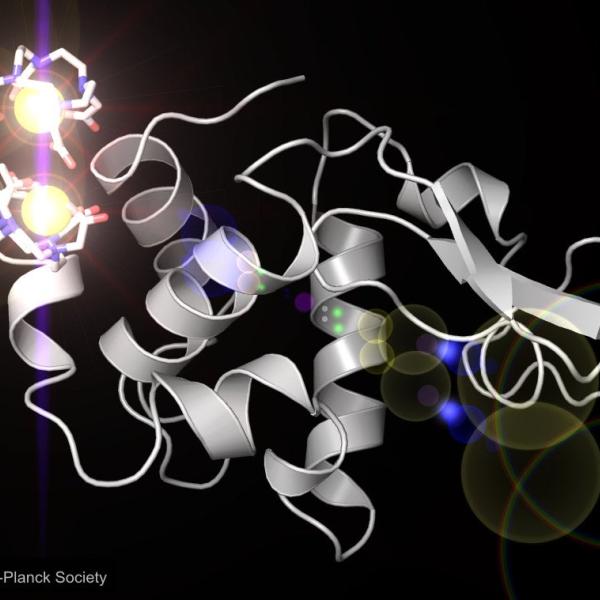
A study shows for the first time that X-ray lasers can be used to generate a complete 3-D model of a protein without any prior knowledge of its structure.

See caption

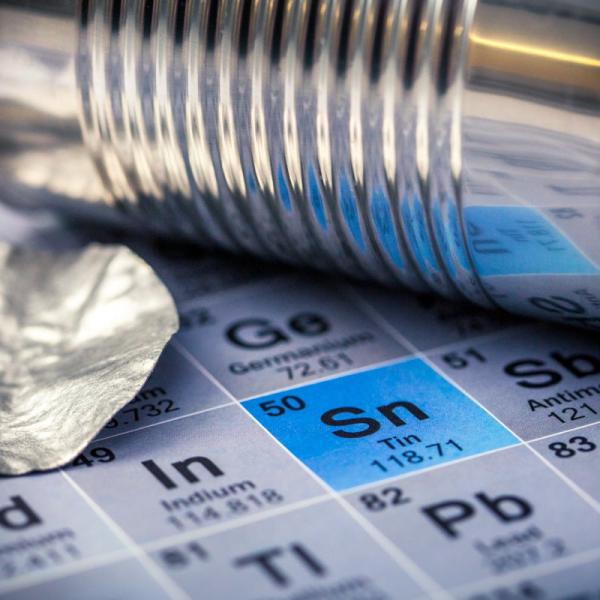
A single layer of tin atoms could be the world’s first material to conduct electricity with 100 percent efficiency at the temperatures that computer chips operate.

Photo - tin can and piece of scrap tin sitting on a periodic table of elements with tin "Sn" highlighted

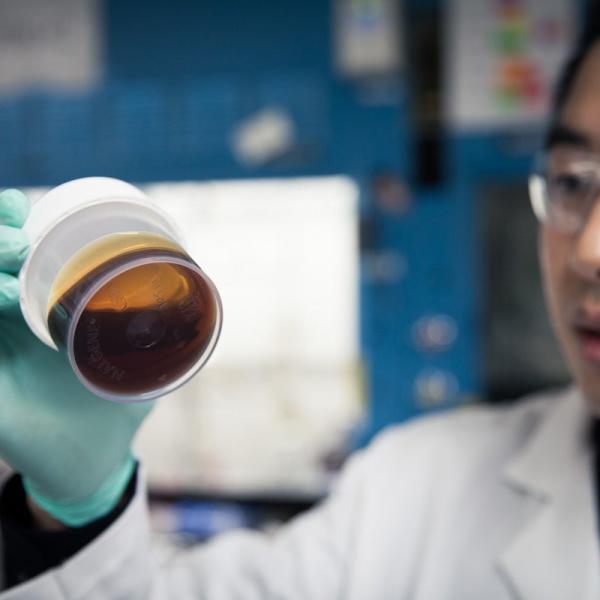
Researchers have made the first battery electrode that heals itself, opening a new and potentially commercially viable path for making the next generation of lithium ion batteries for electric cars, cell phones and other devices. National

photo - research with self-healing polymer

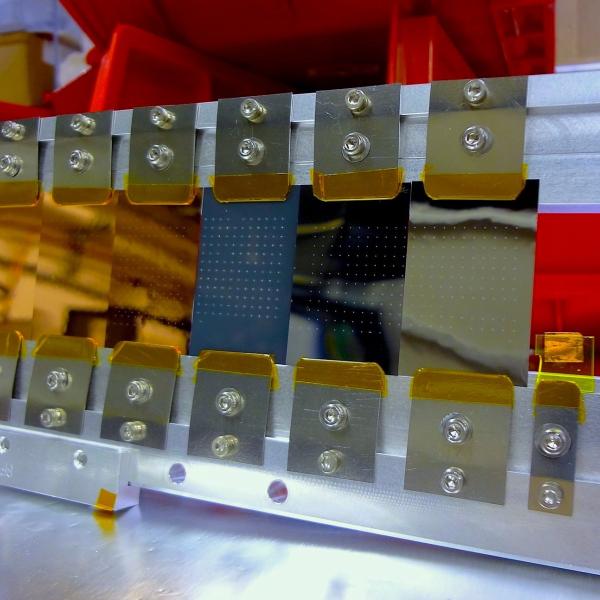
Scientists used the powerful X-ray laser at the U.S. Department of Energy's SLAC National Accelerator Laboratory to create movies detailing trillionths-of-a-second changes in the arrangement of copper atoms after an extreme shock.

thin samples of copper, iron and titanium

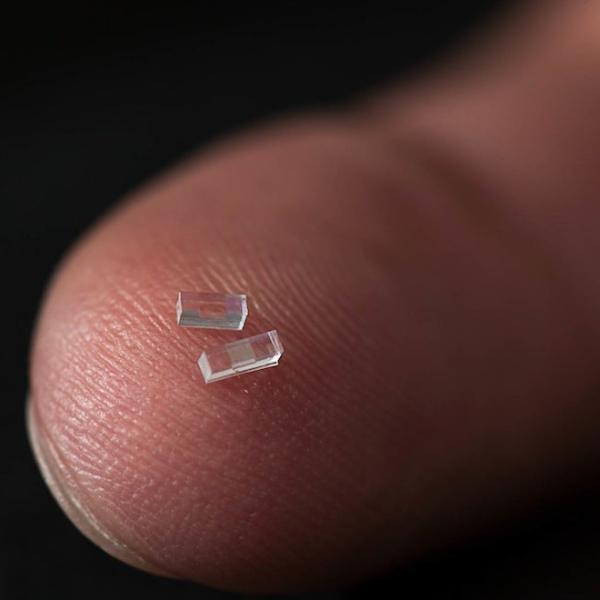
In an advance that could dramatically shrink particle accelerators for science and medicine, researchers used a laser to accelerate electrons at a rate 10 times higher than conventional technology in a nanostructured glass chip smaller than a grain of rice.

Photo of two accelerator chips on the tip of a finger

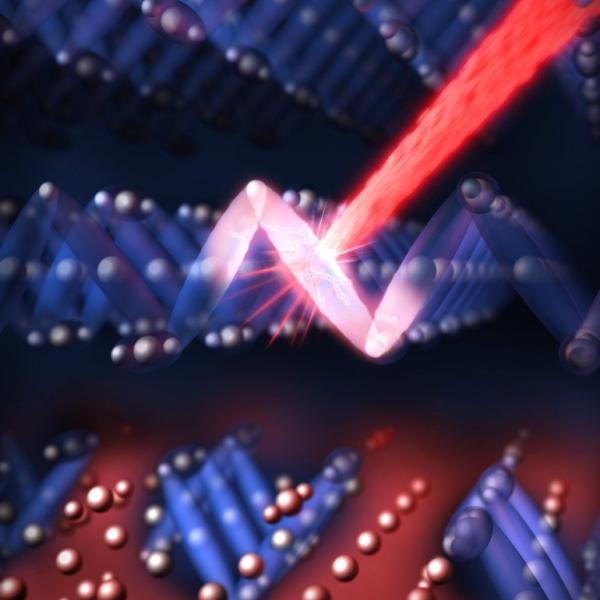
Researchers from the U.S. Department of Energy's (DOE) SLAC National Accelerator Laboratory have clocked the fastest-possible electrical switching in magnetite, a naturally magnetic mineral. Their results could drive innovations in the tiny transistors that control the flow of electricity across...

Artists concept shows laser hitting atomic structure and breaking it

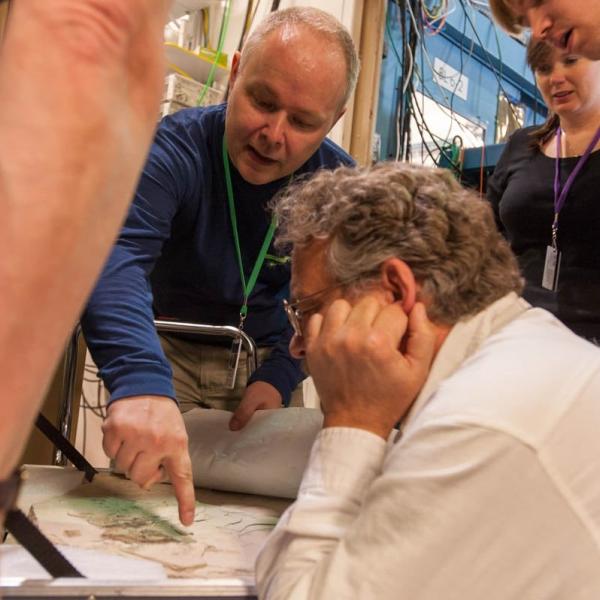
The first complete chemical analysis of feathers from Archaeopteryx, a famous fossil linking dinosaurs and birds, reveals that the feathers were patterned—light in color, with a dark edge and tip—rather than all black, as previously thought.

Paleontologists examine Berlin Archaeopteryx counter plate (Brad Plummer/SLAC)

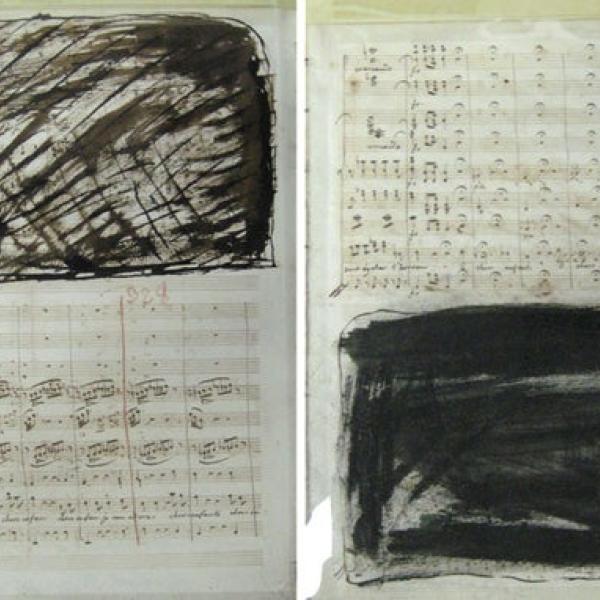
At first glance the beautifully bound 1797 Luigi Cherubini opera Médée looks like an impeccably preserved relic of opera's golden age. However, flip to the final pages of the aria "Du trouble affreux qui me dévore" ("The terrible disorder that...

Image - Thick smudges black out parts of an aria from Luigi Cherubini's 1797 opera "Medee." (Courtesy Uwe Bergmann)