News releases

Browse the full collection of SLAC news releases and stay up to date on the latest scientific advancements at the laboratory.
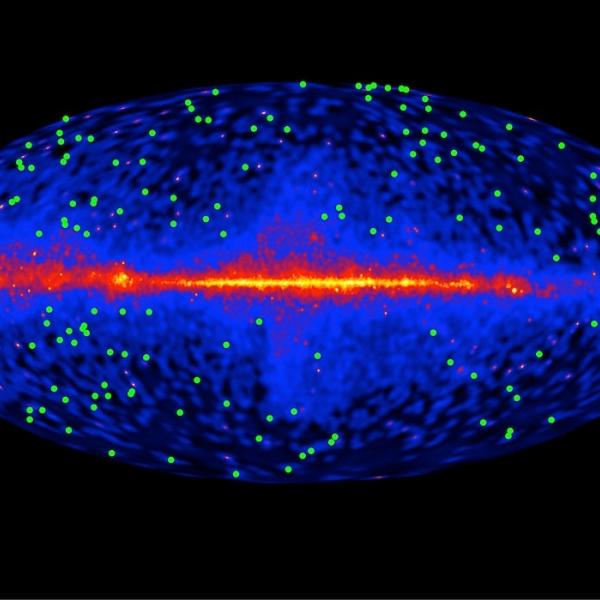

Astronomers using data from NASA's Fermi Gamma-ray Space Telescope have made the most accurate measurement of starlight in the universe and used it to establish the total number of stars that have ever shone, accomplishing a primary mission goal.

Image - Plot of blazars on top of a Fermi gamma-ray sky map

Chi-­Chang Kao, an associate laboratory director at SLAC National Accelerator Laboratory, has been named as the lab's fifth director, Stanford University President John Hennessy announced today.

Headshot of Chi-Chang Kao

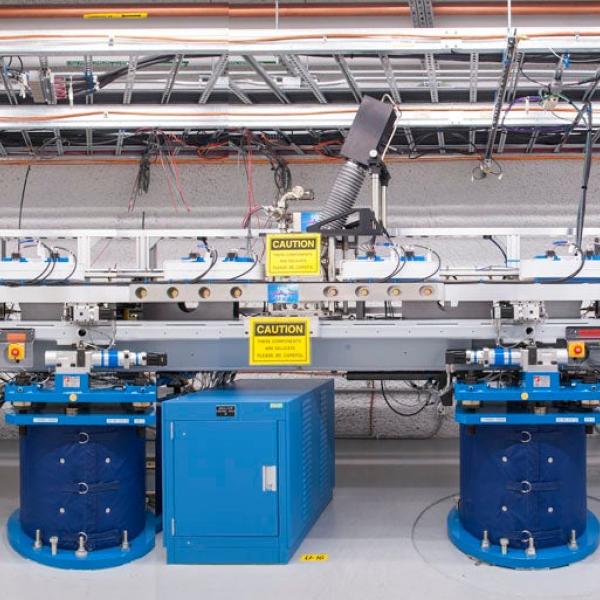
'Self-seeding' promises to speed discoveries, add new scientific capabilities

LCLS Self-Seeding Hardware Panorama (Photo by Matt Beardsley)

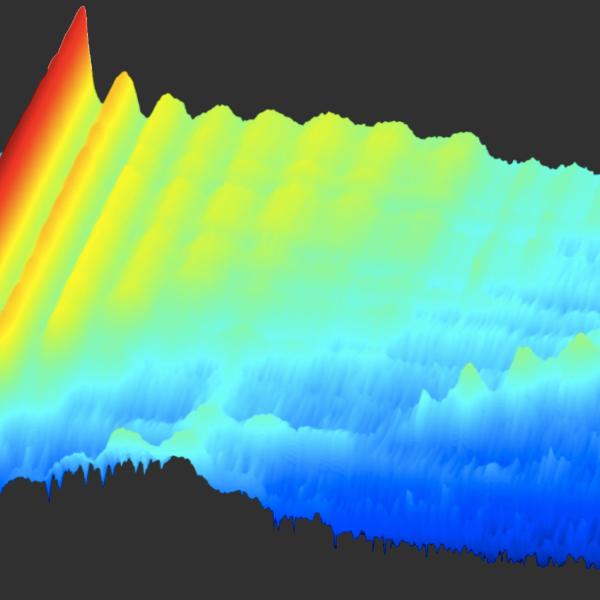
Menlo Park, Calif. — The first controlled studies of extremely hot, dense matter have overthrown the widely accepted 50-year-old model used to explain how ions influence each other’s behavior in a dense plasma.

LCLS Charts Extreme Plasma Environments (Image courtesy of Sam Vinko, University of Oxford)

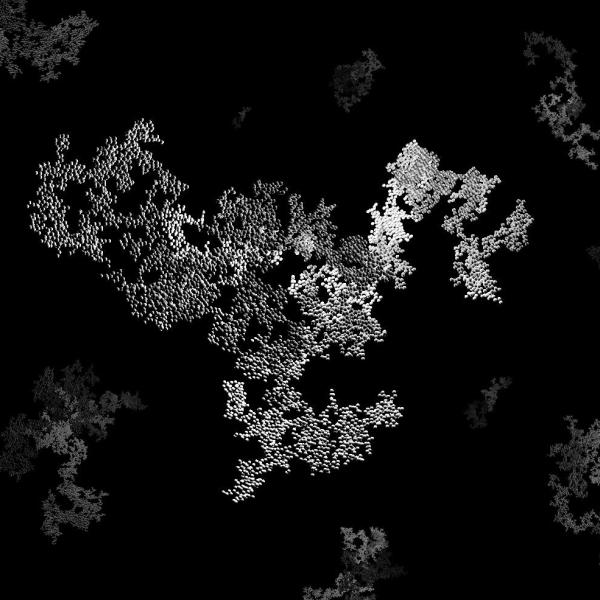
Laser probes microscopic components of air pollution

Simulated Soot Particles (Image by Duane Loh and Andy Freeberg, SLAC National Accelerator Laboratory)

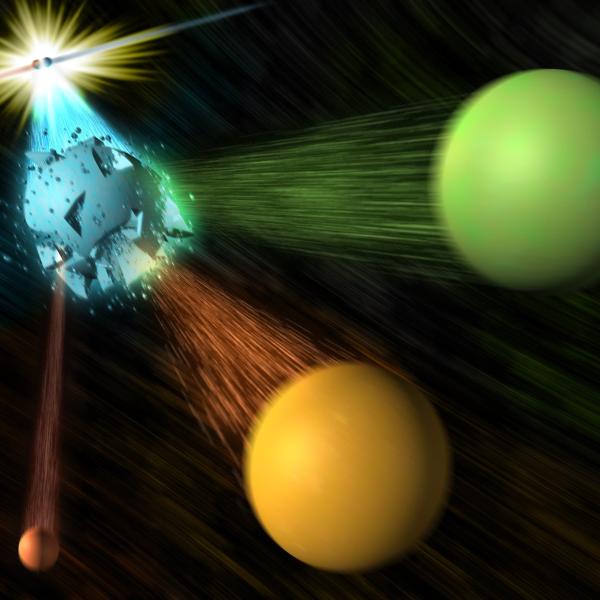
Menlo Park, Calif. — Recently analyzed data from the BaBar experiment may suggest possible flaws in the Standard Model of particle physics, the reigning description of how the universe works on subatomic scales.

Concept Art: B to D-Star-Tau-Nu

Scientists studying neutrinos have found with the highest degree of sensitivity yet that these mysterious particles behave like other elementary particles at the quantum level.

EXO-200 in the Waste Isolation Pilot Plant

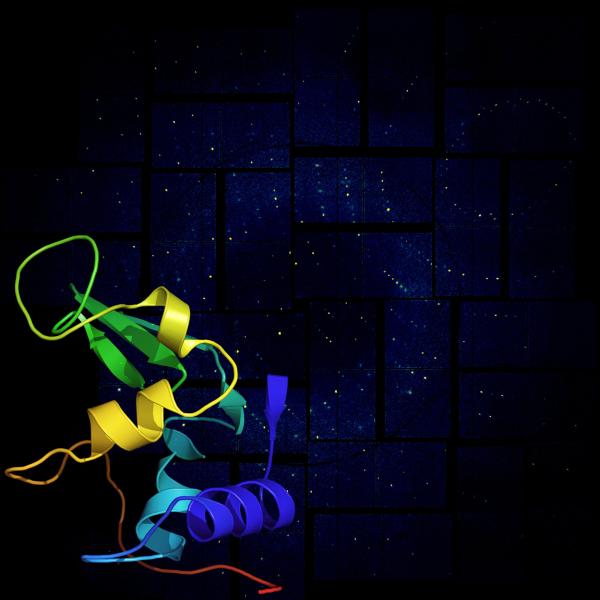
An international team led by the U.S. Department of Energy's (DOE) SLAC National Accelerator Laboratory has proved how the world's most powerful X-ray laser can assist in cracking the structures of biomolecules, and in the processes helped to pioneer critical...

a lysozyme structural model against its X-ray diffraction pattern

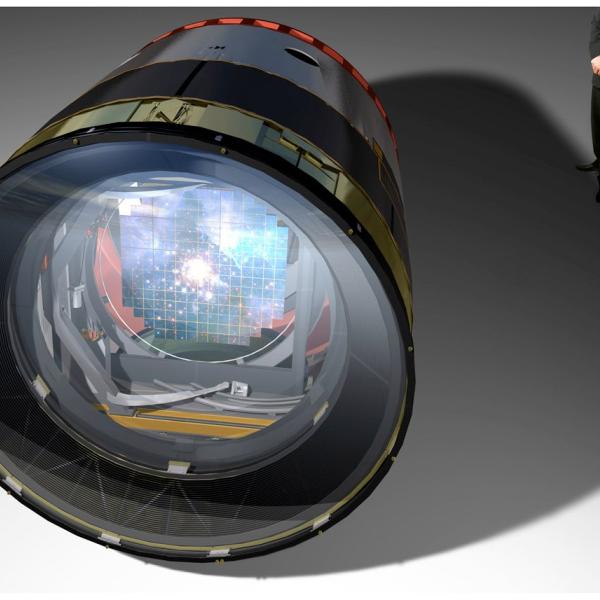
Menlo Park, Calif. — A 3.2 billion-pixel digital camera designed by SLAC National Accelerator Laboratory is now one step closer to reality.

LSST Lens

Menlo Park, Calif.

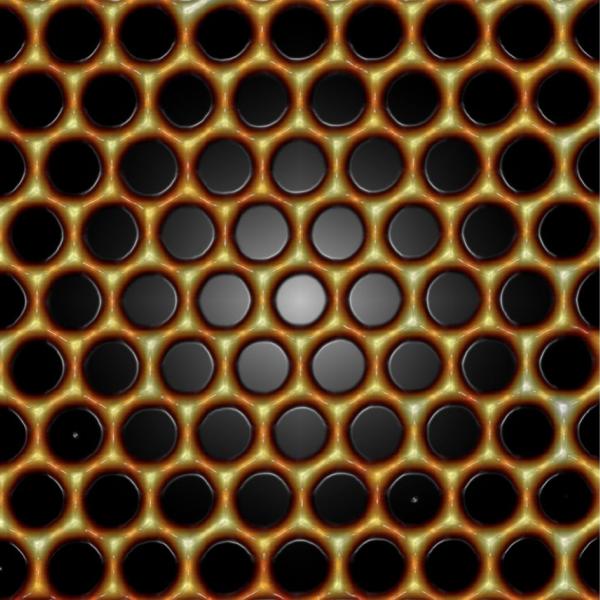
Molecular Graphene