News releases

Browse the full collection of SLAC news releases and stay up to date on the latest scientific advancements at the laboratory.
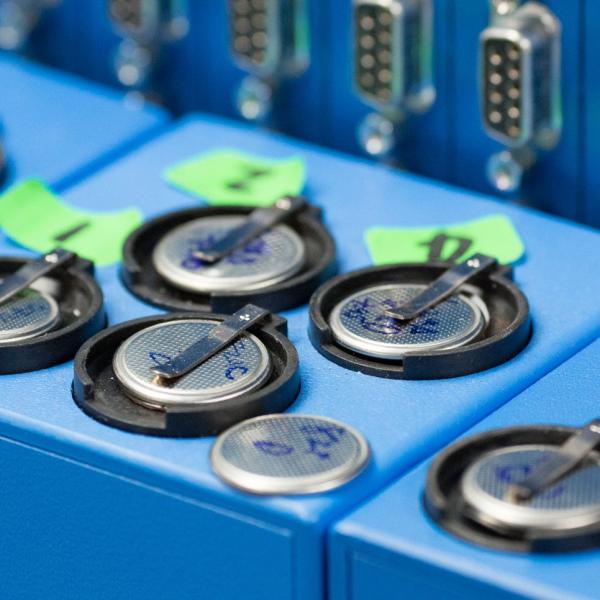
Rapid Charging and Draining Doesn’t Damage Lithium Ion Electrode as Much as Thought

Photo - battery cycler

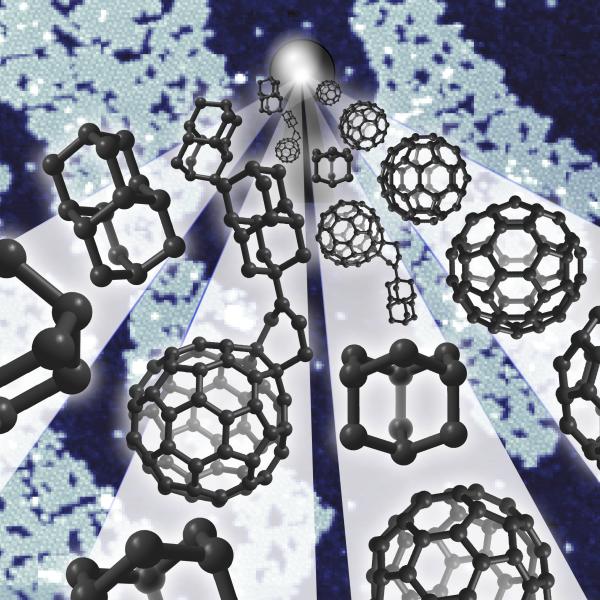
  Scientists Craft Two Exotic Forms of Carbon into a Molecule for Steering Electron Flow

SLAC Experiment Reveals Mysterious Order in Liquid Helium

SLAC, Stanford Advance Will Benefit Thousands of Computational Studies in Wide Range of Fields

Using high-brilliance X-rays, researchers track the process that fuel cells use to produce electricity, knowledge that will help make large-scale

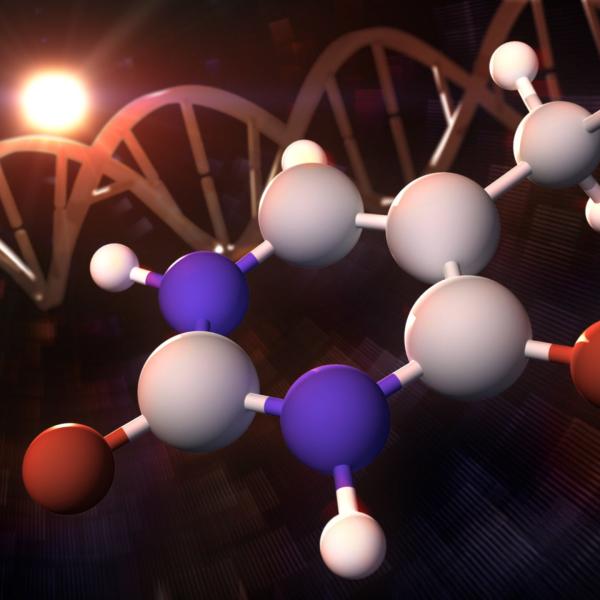
SLAC Research Reveals Rapid DNA Changes that Act as Molecular Sunscreen

Illustration showing a thymine molecule, DNA helix and the sun.

Scientists at the Department of Energy's SLAC National Accelerator Laboratory have made the first structural observations of liquid water at temperatures down to minus 51 degrees Fahrenheit, within an elusive “no man’s land” where water’s strange properties are super-amplified.

Artist's concept - see caption

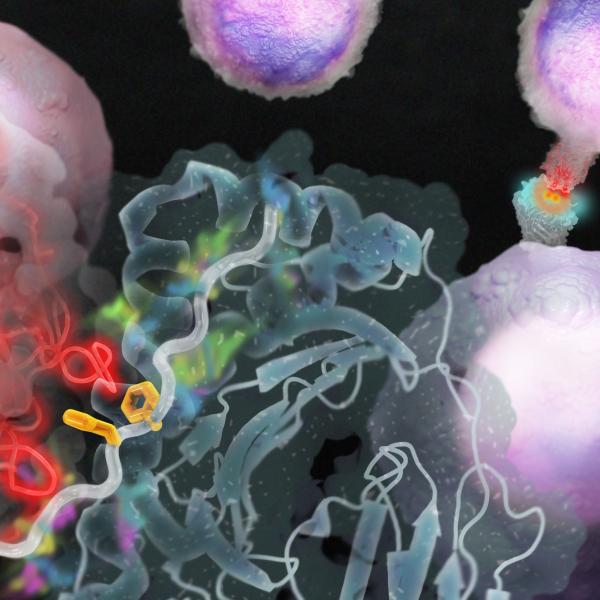
By finding surprising similarities in the way immune system defenders bind to disease-causing invaders, a new study may help scientists develop new treatments.

Conceptual art - see caption

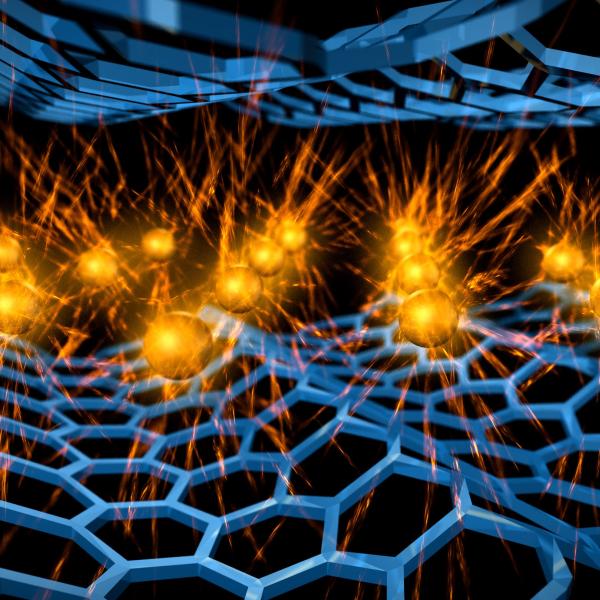
Scientists have discovered a potential way to make graphene – a single layer of carbon atoms with great promise for future electronics – superconducting, a state in which it would carry electricity with 100 percent efficiency.

Superconducting Graphene Layers

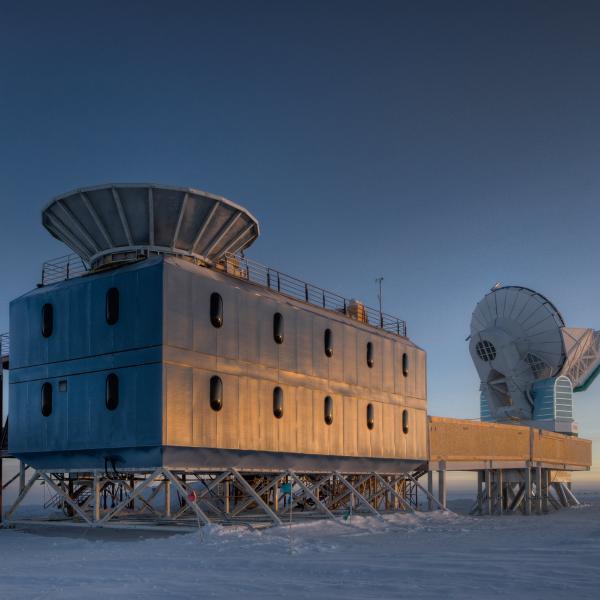
Researchers from the BICEP2 collaboration have announced the first direct evidence supporting the theory of cosmic inflation. Their data also represent the first images of gravitational waves, or ripples in space-time. These waves have been described as the "first tremors...

The Dark Sector Lab (DSL)