News releases

Browse the full collection of SLAC news releases and stay up to date on the latest scientific advancements at the laboratory.


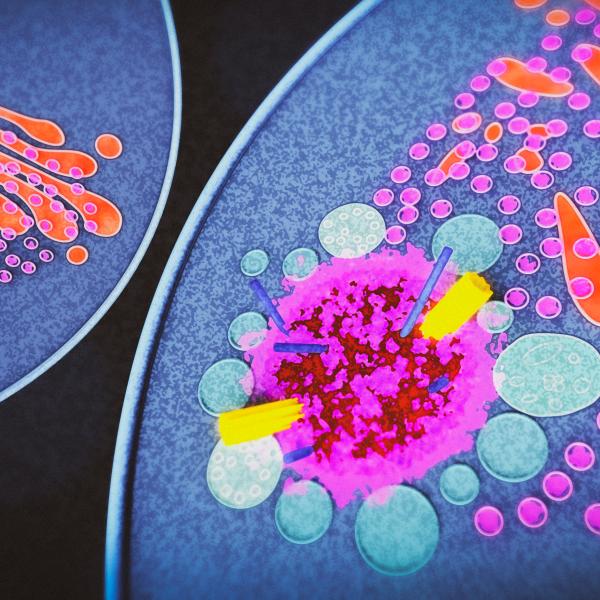
The research sheds light on how a key regulator of inflammation forms, which could help guide new therapeutic approaches to inflammatory diseases.

inflammasome

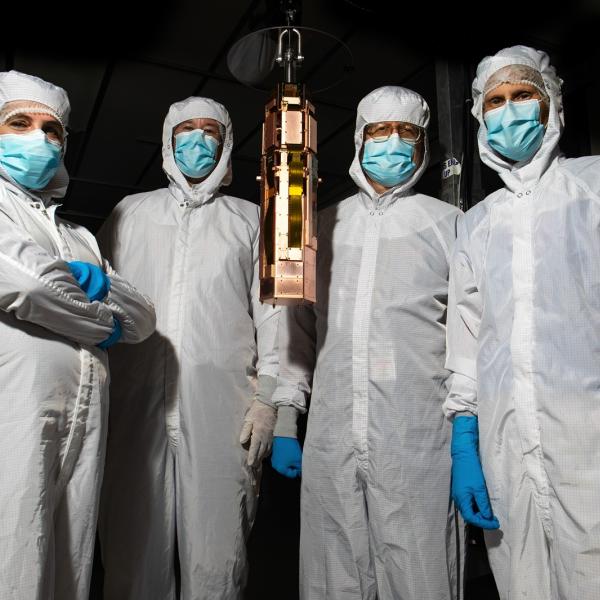
The experiment’s detectors have reached their operating temperature, almost a thousand times colder than outer space.

SuperCDMS team members posing with a detector tower.

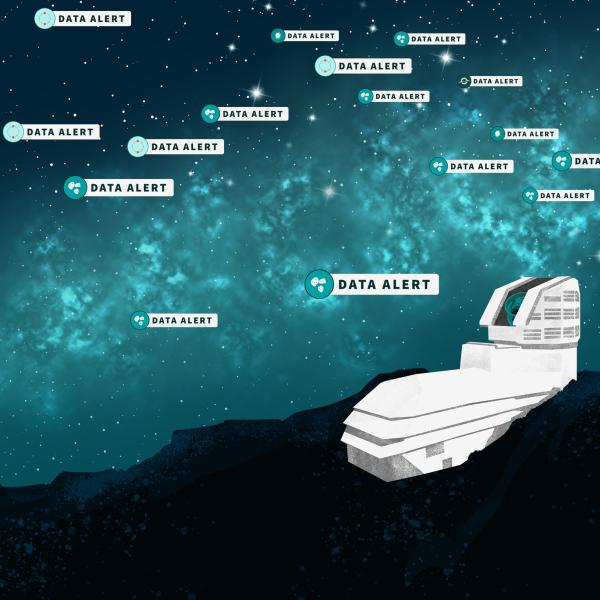
NSF-DOE Rubin Observatory has issued its first scientific alerts, marking a historic milestone in astrophysics and kicking off a new era of dynamic, real-time observation of the night sky.

Star-filled teal night sky with turquoise glowing band, scattered “DATA ALERT” tags, and a white icon of the Rubin Observatory atop dark mountains.

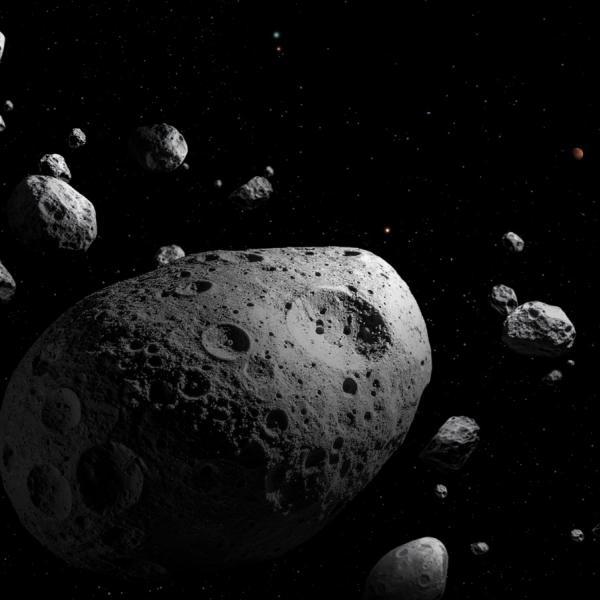
First peer-reviewed paper using data from SLAC-built LSST Camera identifies an asteroid, nearly the size of eight football fields, rotating every two minutes.

Illustration showing asteroids

Surfing a plasma wave, electrons get an energy and brightness boost.

Illustration of electrons traveling through a plasma chamber

Experiments running at these higher pulse rates will allow scientists to capture ultrafast processes with greater precision, collect data more efficiently and explore phenomena that were previously out of reach.

lcls ii milestone

In the largest dataset ever collected by a dark matter detector, LUX-ZEPLIN's latest results provide the strongest constraints on low-mass WIMPs and detect boron-8 solar neutrinos.

Overhead view looking down into a white structure with dozens of orange circular components arranged radially.

SLAC and Stanford scientists uncovered a quantum spin liquid, a state of matter that may have applications for quantum information.

An assembly of blue-green crystals

SLAC and Stanford partner with Argonne National Laboratory and others toward a quantum-interconnected world.

A person in a bunny suit examines a wafer

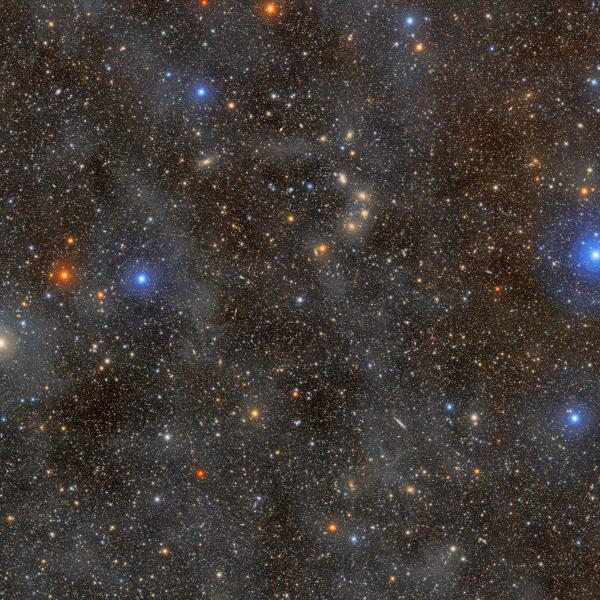
The state-of-the-art ‘big-data facility’ unveils its first images and video, bringing the night sky to life like never before.

This image combines 678 separate images taken by NSF–DOE Vera C. Rubin Observatory in just over seven hours of observing time. Combining many images in this way clearly reveals otherwise faint or invisible details, such as the clouds of gas and dust that comprise the Trifid nebula (top) and the Lagoon nebula, which are several thousand light-years away from Earth