Lithium ion batteries may remain tops for sheer performance, but when cost-per-storage is factored in, a design based on sodium ions offers promise; research...
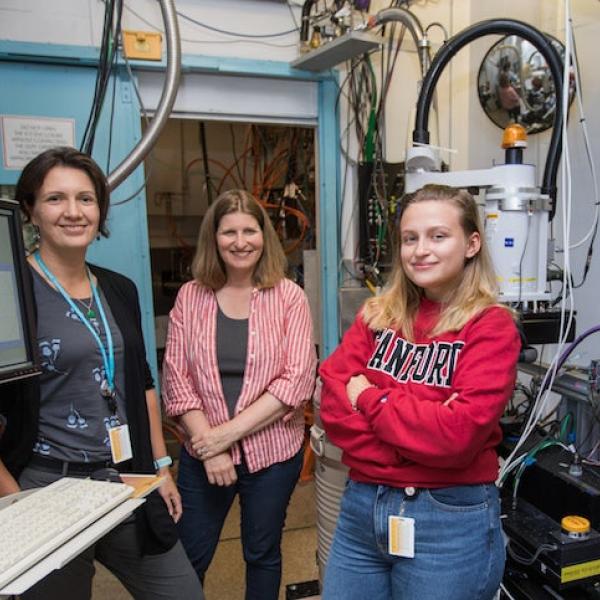
More than 100 students worked on projects ranging from website development to imaging techniques for X-ray studies, learning new ways to apply their talents.
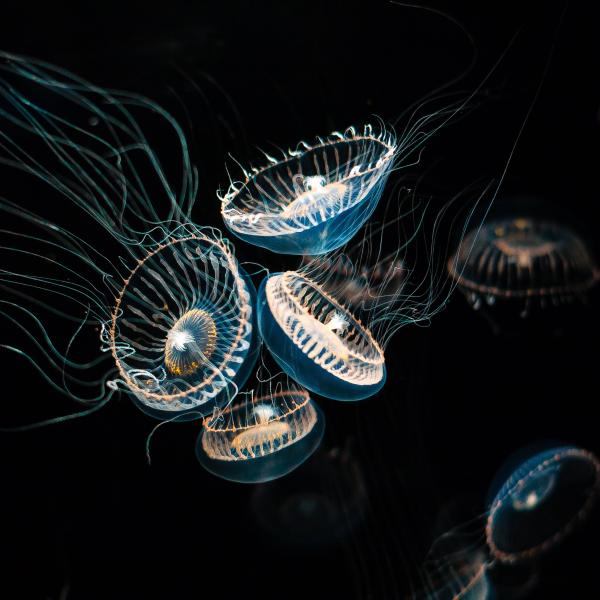
With SLAC’s X-ray laser, a research team captured ultrafast changes in fluorescent proteins between “dark” and “light” states. The insights allowed the scientists to...
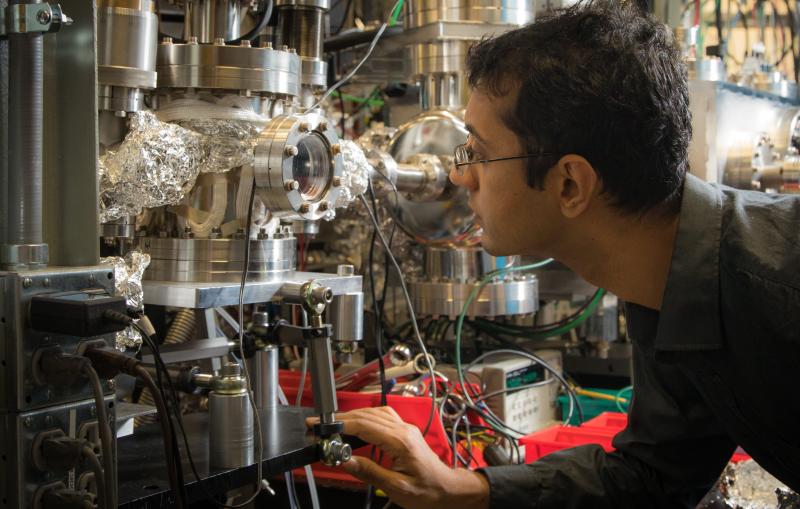
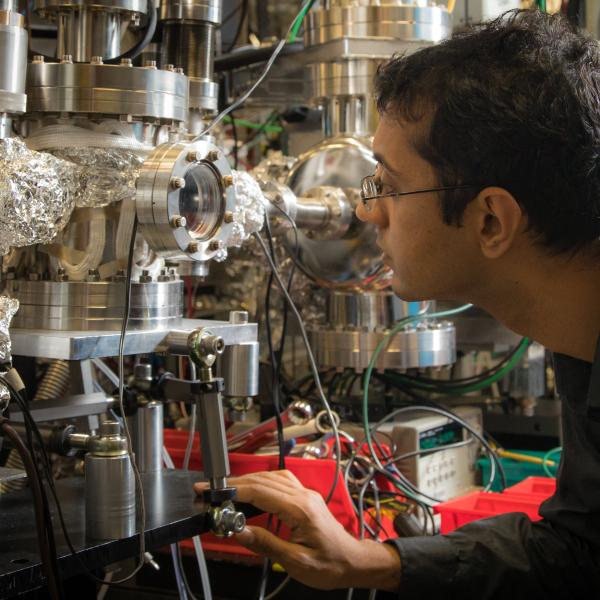
Kumar’s work, carried out in part at SSRL, explains how memristors work – a new class of electronic devices with applications in next-generation information...
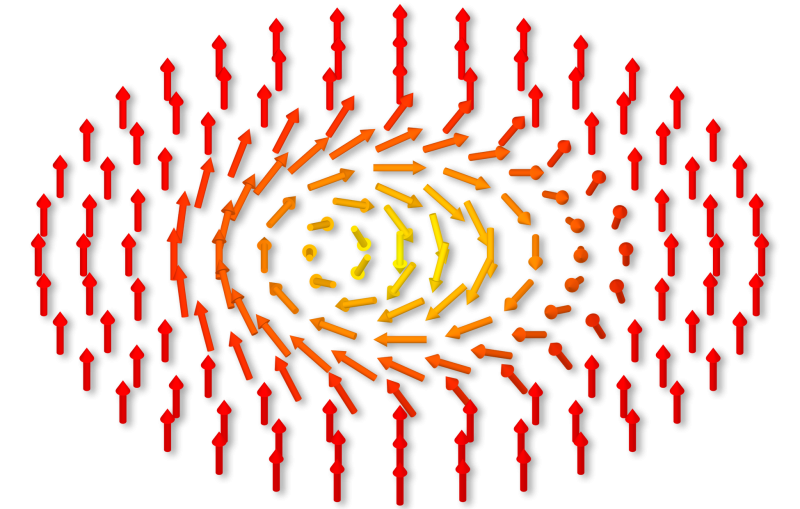
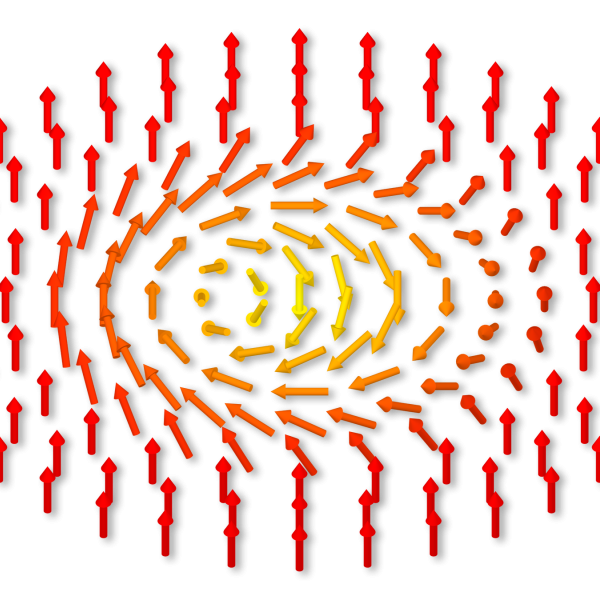
A new “two-bucket” method of delivering pairs of X-ray pulses gives a 1,000-fold improvement in seeing magnetic fluctuations that could lead to improved data...
The Scripps researcher is honored for groundbreaking research at the Stanford Synchrotron Radiation Lightsource that accelerated the development of a vaccine for deadly Lassa...
Tripling the energy and refining the shape of optical laser pulses at LCLS’s Matter in Extreme Conditions instrument allows researchers to recreate higher-pressure conditions...
Lithium ion batteries may remain tops for sheer performance, but when cost-per-storage is factored in, a design based on sodium ions offers promise; research was conducted in part at SSRL.
More than 100 students worked on projects ranging from website development to imaging techniques for X-ray studies, learning new ways to apply their talents.
With SLAC’s X-ray laser, a research team captured ultrafast changes in fluorescent proteins between “dark” and “light” states. The insights allowed the scientists to design improved markers for biological imaging.
Kumar’s work, carried out in part at SSRL, explains how memristors work – a new class of electronic devices with applications in next-generation information storage and computing.
A new “two-bucket” method of delivering pairs of X-ray pulses gives a 1,000-fold improvement in seeing magnetic fluctuations that could lead to improved data storage materials.
The Scripps researcher is honored for groundbreaking research at the Stanford Synchrotron Radiation Lightsource that accelerated the development of a vaccine for deadly Lassa fever.
Tripling the energy and refining the shape of optical laser pulses at LCLS’s Matter in Extreme Conditions instrument allows researchers to recreate higher-pressure conditions and explore unsolved questions relevant to fusion energy, plasma physics and materials science.