SLAC topics

X-ray science RSS feed

X-ray studies at SLAC facilities help scientists understand the fundamental workings of nature by probing matter in atomic detail.

atoms forming a tentative bond
Feature

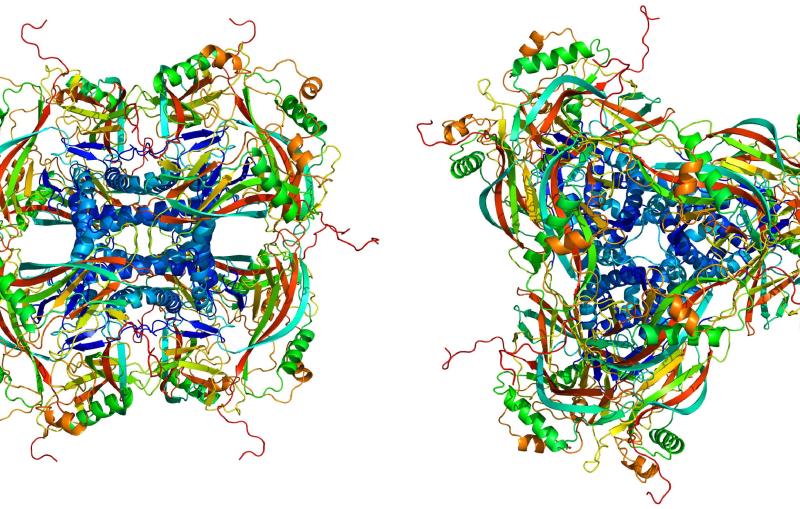
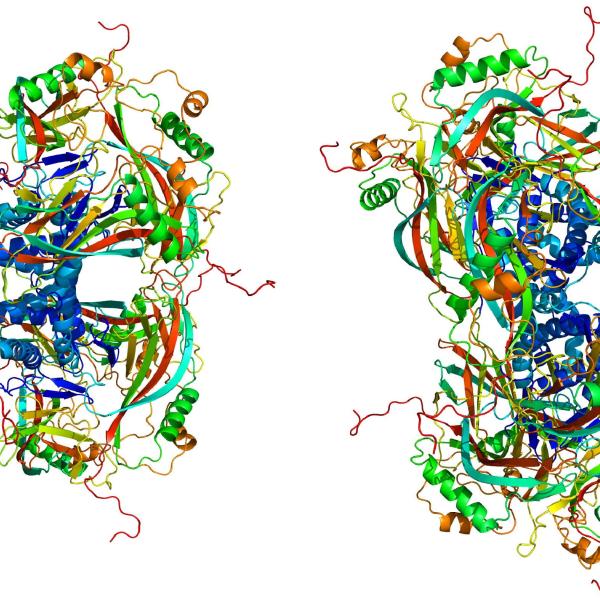
X-rays show details of an insect virus’s crystalline cocoon with sub-nanometer resolution.

Feature

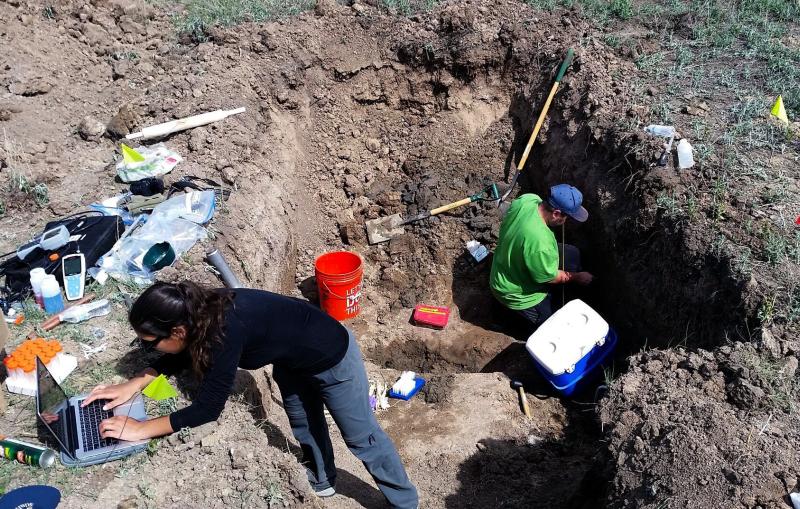
The contaminant binds to organic matter in sediments, which increases persistence in groundwater.

Feature

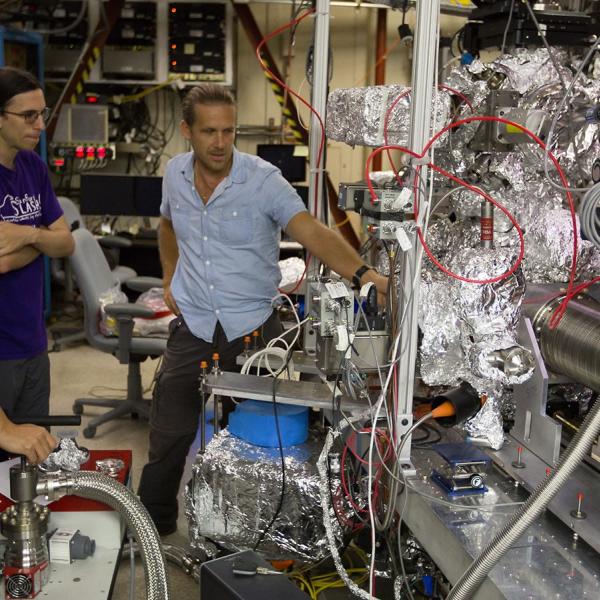
Kelly Gaffney is the director of SSRL, SLAC's synchrotron that produces extremely bright x-rays as a resource for researchers to study our world at...

Feature

Using an electric field, researchers drew magnetic designs in nonmagnetic material. These efforts could lead to new types of storage devices.

Animation

The electric field aligns the spins of the electrons in the nonmagnetic material, and the ordering creates magnetic properties.

The electric field aligns the spins of the electrons in the nonmagnetic material, and the ordering creates magnetic properties.
News Release

Scientists at Stanford and SLAC use diamondoids – the smallest possible bits of diamond – to assemble atoms into the thinnest possible electrical wires.

Diamondoids on a lab bench and under microscope, with penny for scale
Feature

After 30 years in industry, he is leading a new focus at the lab’s SSRL X-ray light source and looking for ways to build...

Simon Bare at SLAC’s Stanford Synchrotron Radiation Lightsource
Feature

Paleontologist Phil Manning describes the “Imaging Life on Earth” project at TEDxCharleston.

News Release

New X-ray methods have captured the highest resolution room-temperature images of photosystem II.

Feature

The team determined the 3-D structure of a biomolecule by tagging it with selenium atoms and taking hundreds of thousands of images.

Feature

Two recently funded computing projects work toward developing cutting-edge scientific applications for future exascale supercomputers that can perform at least a billion billion computing...

Feature

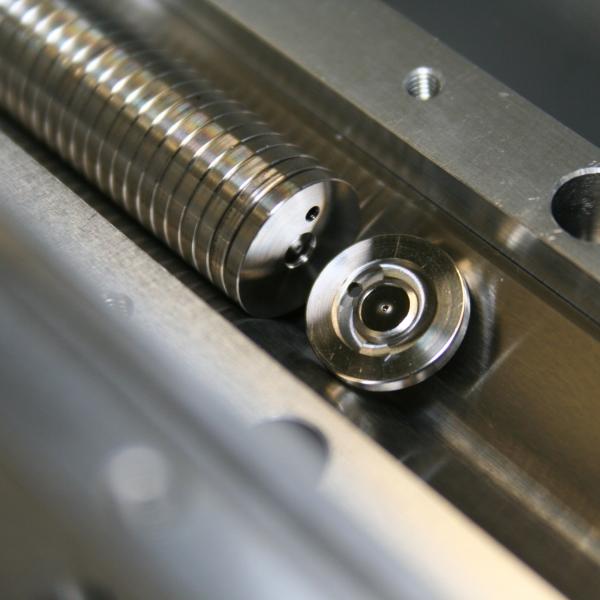
During a recent shutdown, engineers installed new beamline technology and a 3-D virtual tour captured rare views of the synchrotron’s interior.

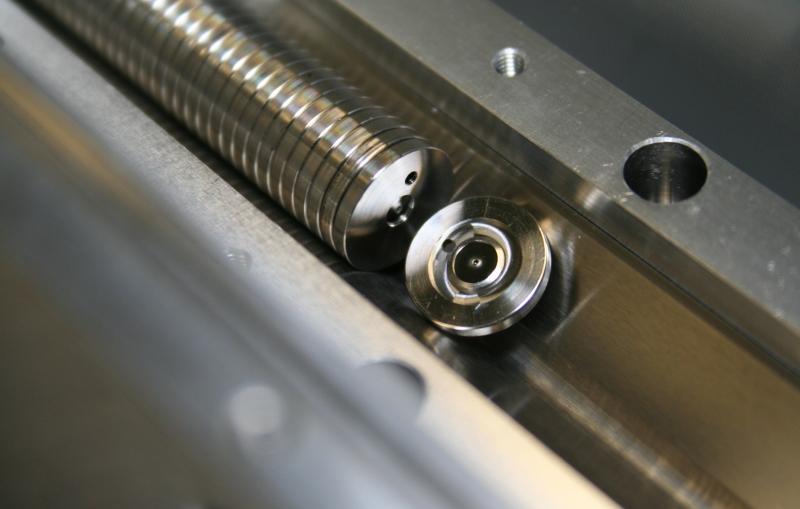
New in-vacuum undulator