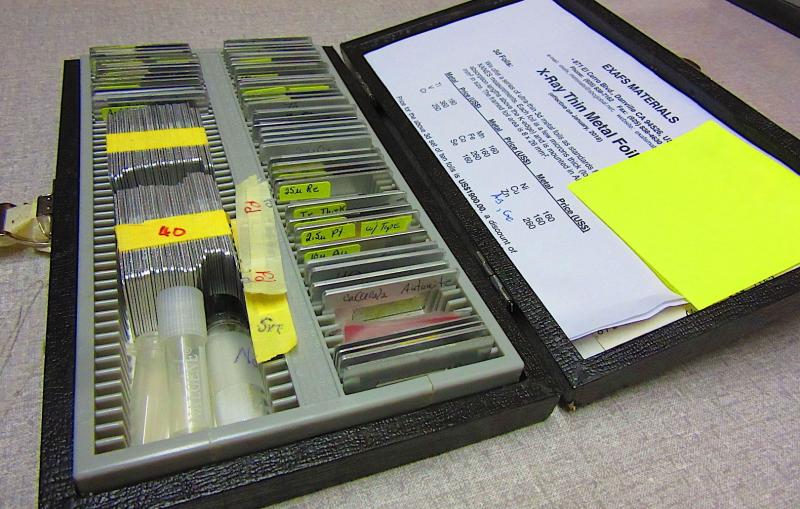
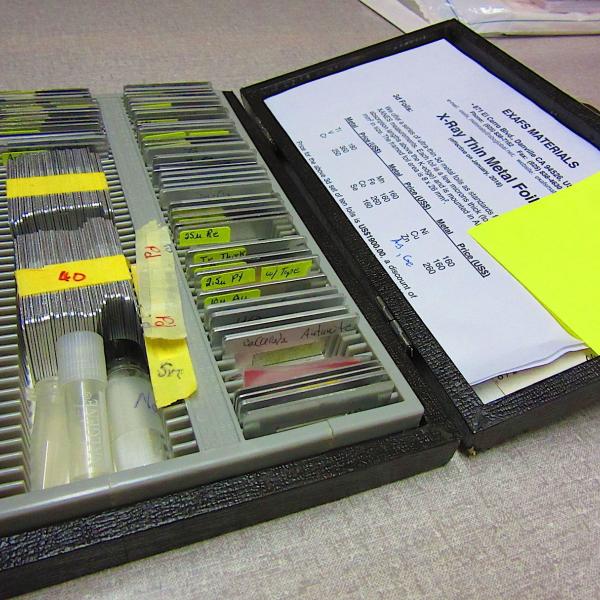
The foils, each made from a single chemical element, are used to calibrate X-ray equipment at SLAC’s SSRL synchrotron, and were donated by long-time...
SLAC and its collaborators are transforming the way new materials are discovered. In a new report, they combine artificial intelligence and accelerated experiments to...
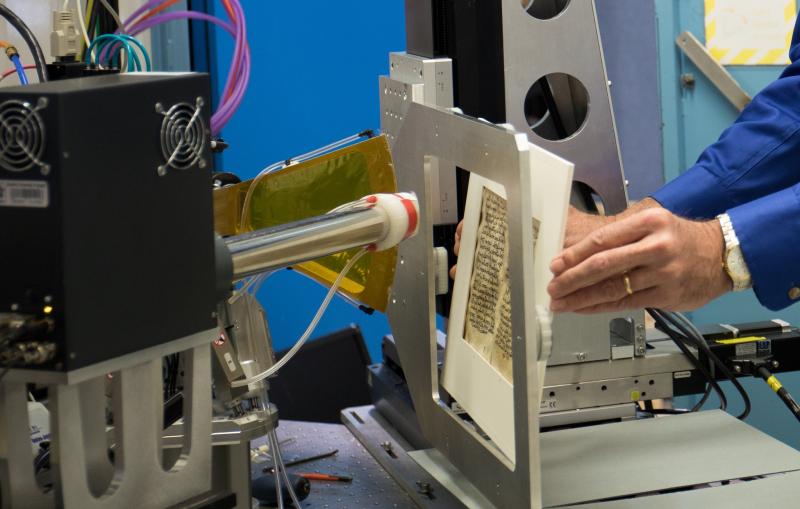
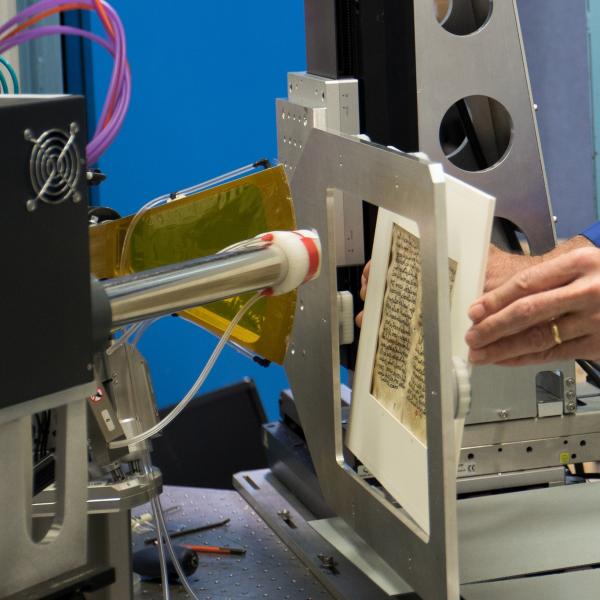
With X-ray imaging at SLAC’s synchrotron, scientists uncovered a 6th century translation of a book by the Greek-Roman doctor Galen. The words had been...
Using SLAC’s X-ray laser, researchers have made detailed 3-D images of nanoscale biology, with future applications in the study of air pollution, combustion and...
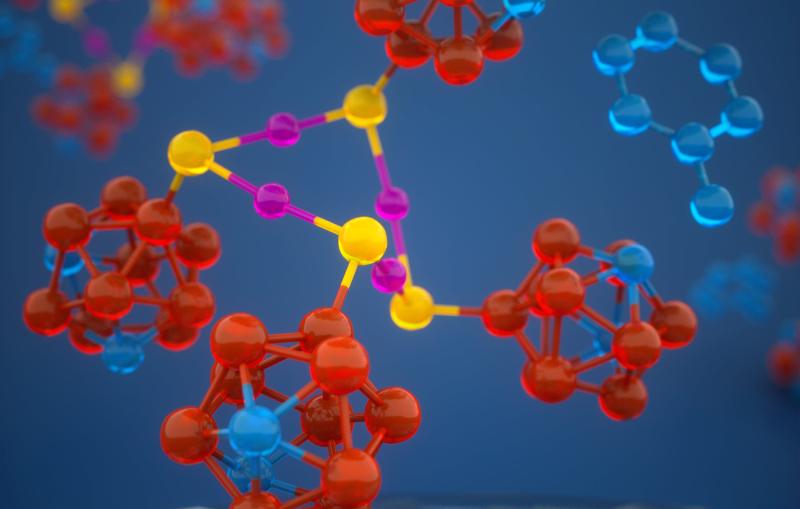
Experiments with 'molecular anvils' mark an important advance for mechanochemistry, which has the potential to make chemistry greener and more precise.
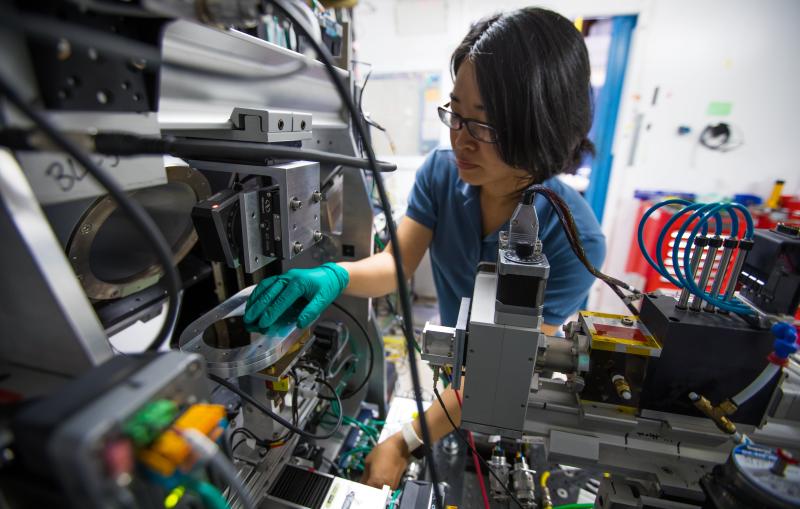
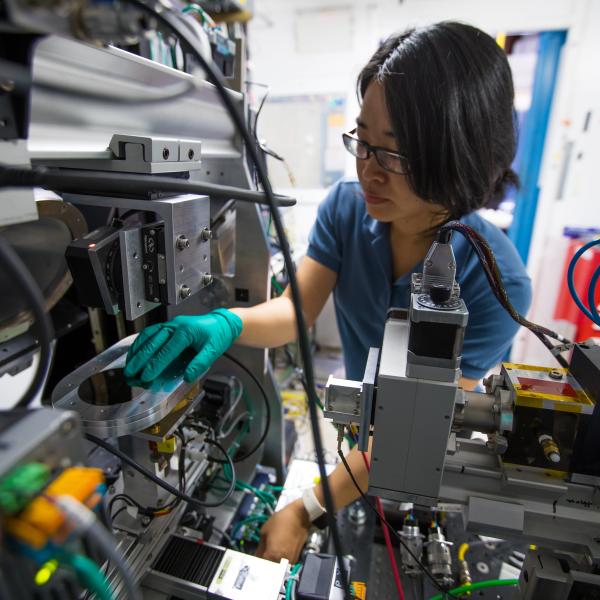
The goal of these X-ray studies is to find ways to improve manufacturing of specialized metal parts for the aerospace, aircraft, automotive and healthcare...
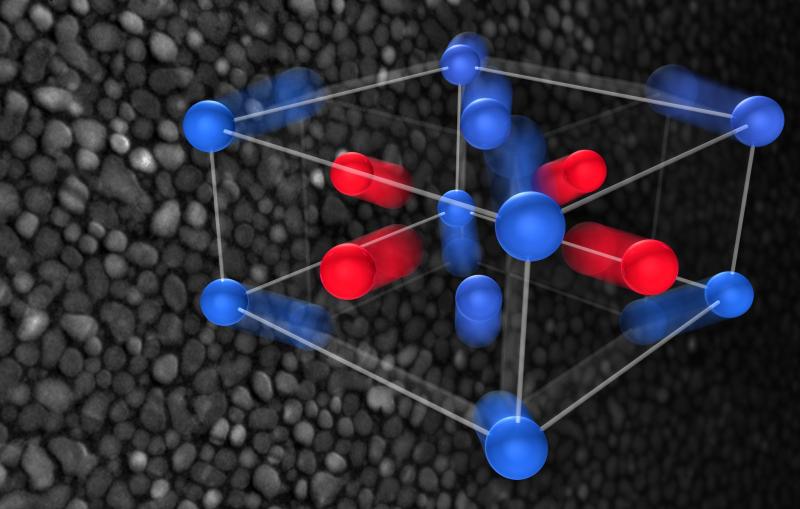
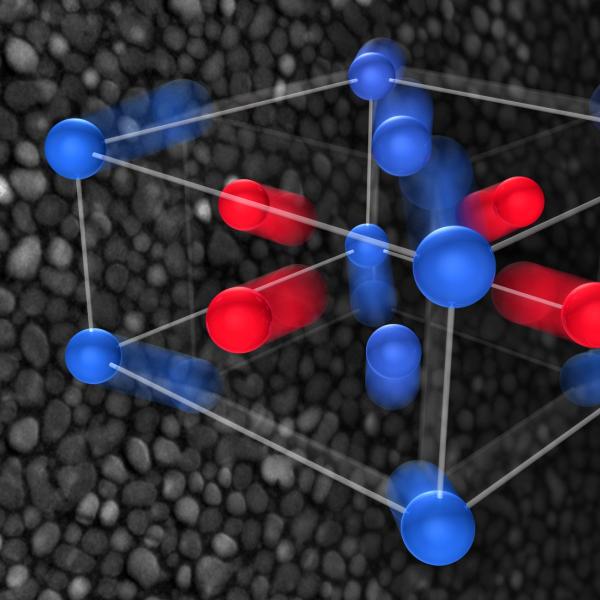
Combining X-ray and electron data from two cutting-edge SLAC instruments, researchers make the first observation of the rapid atomic response of iron-platinum nanoparticles to...
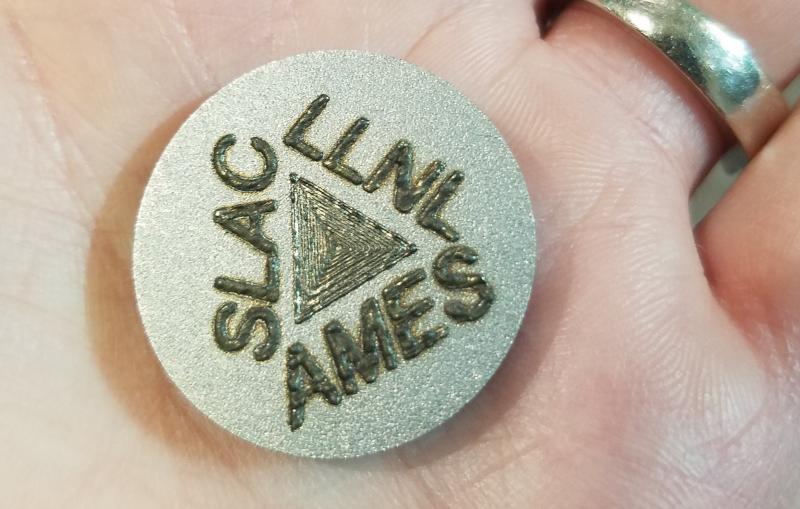
The foils, each made from a single chemical element, are used to calibrate X-ray equipment at SLAC’s SSRL synchrotron, and were donated by long-time user, Farrel Lytle.
SLAC and its collaborators are transforming the way new materials are discovered. In a new report, they combine artificial intelligence and accelerated experiments to discover potential alternatives to steel in a fraction of the time.
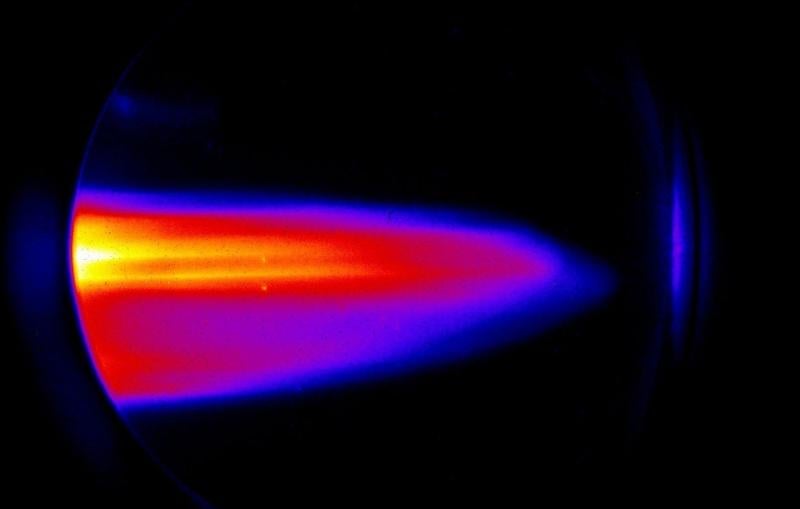
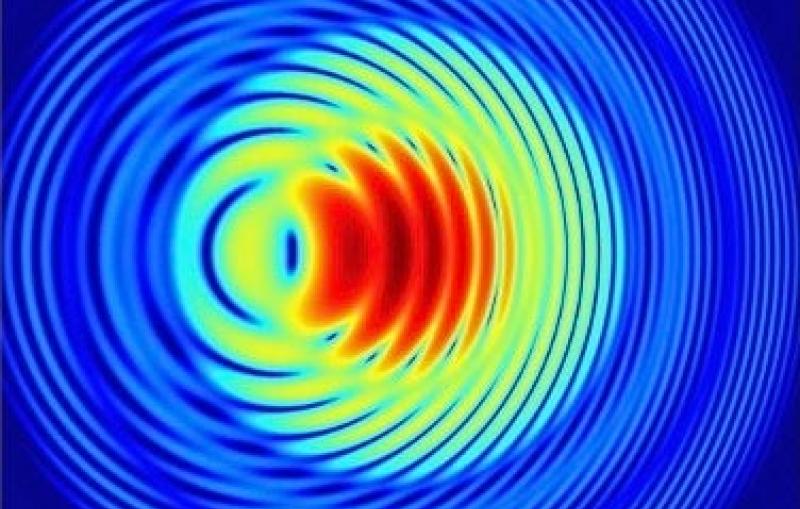
When it comes to making molecular movies, producing the world’s fastest X-ray pulses is only half the battle. A new technique reveals details about the timing and energy of pulses that are less than a millionth of a billionth of...
With X-ray imaging at SLAC’s synchrotron, scientists uncovered a 6th century translation of a book by the Greek-Roman doctor Galen. The words had been scraped off the parchment manuscript and written over with hymns in the 11th century.
Using SLAC’s X-ray laser, researchers have made detailed 3-D images of nanoscale biology, with future applications in the study of air pollution, combustion and catalytic processes.
Experiments with 'molecular anvils' mark an important advance for mechanochemistry, which has the potential to make chemistry greener and more precise.
The goal of these X-ray studies is to find ways to improve manufacturing of specialized metal parts for the aerospace, aircraft, automotive and healthcare industries.
Combining X-ray and electron data from two cutting-edge SLAC instruments, researchers make the first observation of the rapid atomic response of iron-platinum nanoparticles to light. The results could help develop ways to manipulate and control future magnetic data storage devices.