Tais Gorkhover, Michael Kagan, Kazuhiro Terao and Joshua Turner will each receive $2.5 million for research that studies fundamental particles, nanoscale objects, quantum materials...
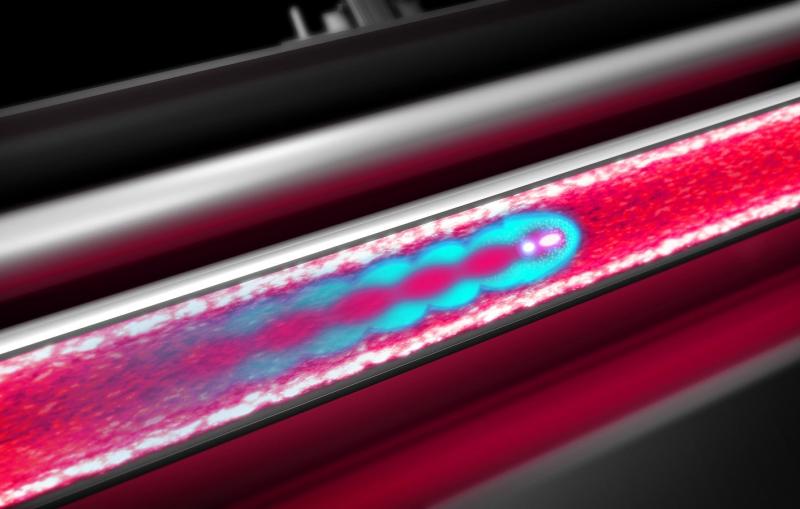
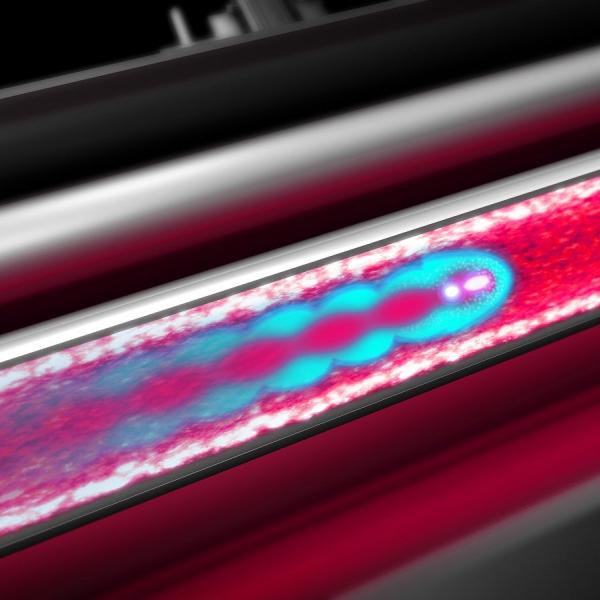
The goal: develop plasma technologies that could shrink future accelerators up to 1,000 times, potentially paving the way for next-generation particle colliders and powerful...
The researchers observed how an enzyme from drug-resistant tuberculosis bacteria damages an antibiotic molecule. The new technique provides a powerful tool to examine changes...
By placing the tiniest strands of proteins on one-atom-thick graphene, scientists capture promising X-ray laser images of these elusive biomolecules that play a key...
Like turning a snowball back into fluffy snow, a new technique turns high-density materials into a lower-density one by applying the chemical equivalent of...
The liquid sheets – less than 100 water molecules thick – will let researchers probe chemical, physical and biological processes, and even the nature...
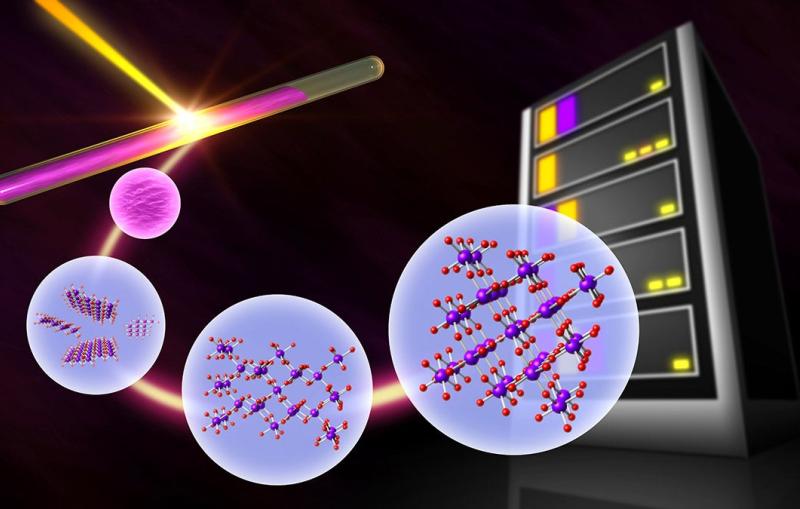
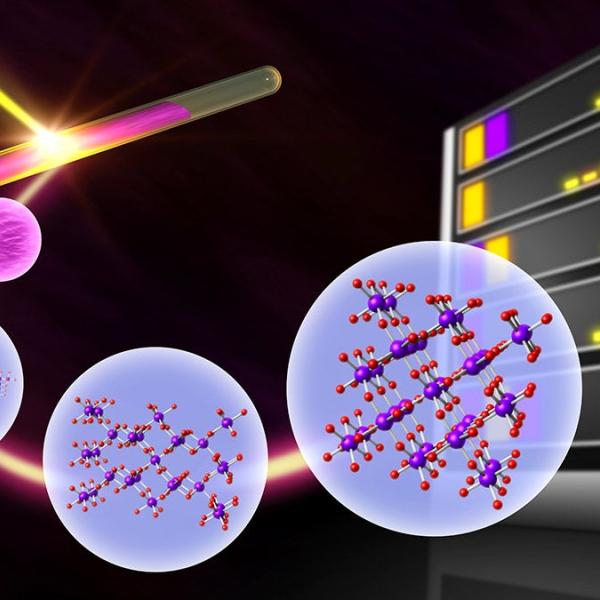
By observing changes in materials as they’re being synthesized, scientists hope to learn how they form and come up with recipes for making the materials they need for next-gen energy technologies.
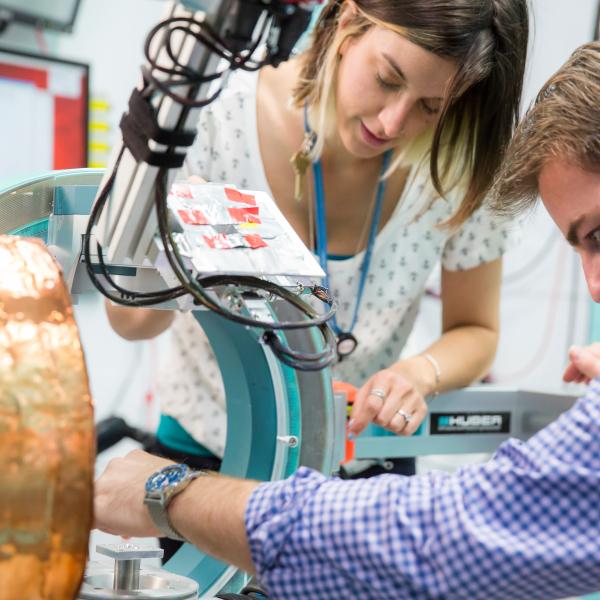
Tais Gorkhover, Michael Kagan, Kazuhiro Terao and Joshua Turner will each receive $2.5 million for research that studies fundamental particles, nanoscale objects, quantum materials and machine learning.
The X-ray laser movie shows what happens when light hits retinal, a key part of vision in animals and photosynthesis in microbes. The action takes place in a trillionth of an eye blink.
The goal: develop plasma technologies that could shrink future accelerators up to 1,000 times, potentially paving the way for next-generation particle colliders and powerful light sources.
The researchers observed how an enzyme from drug-resistant tuberculosis bacteria damages an antibiotic molecule. The new technique provides a powerful tool to examine changes in biological molecules as they happen.
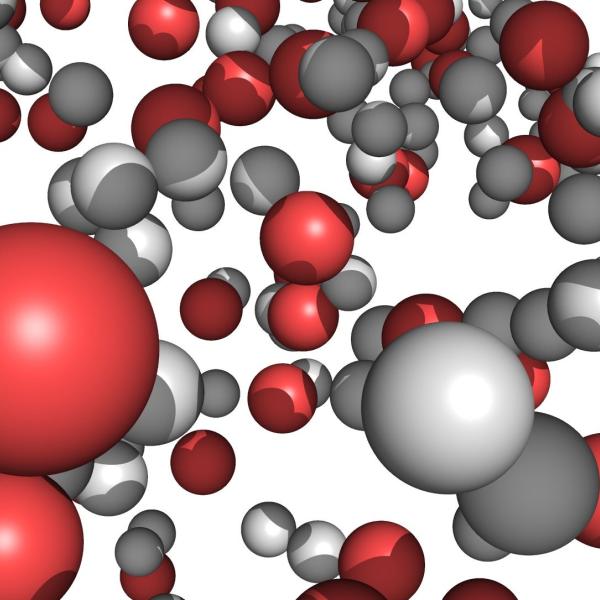
Water is more complicated than it seems. Now a study led by researchers at Stockholm University has probed the movements of its molecules on a timescale of millionths of a billionth of a second.
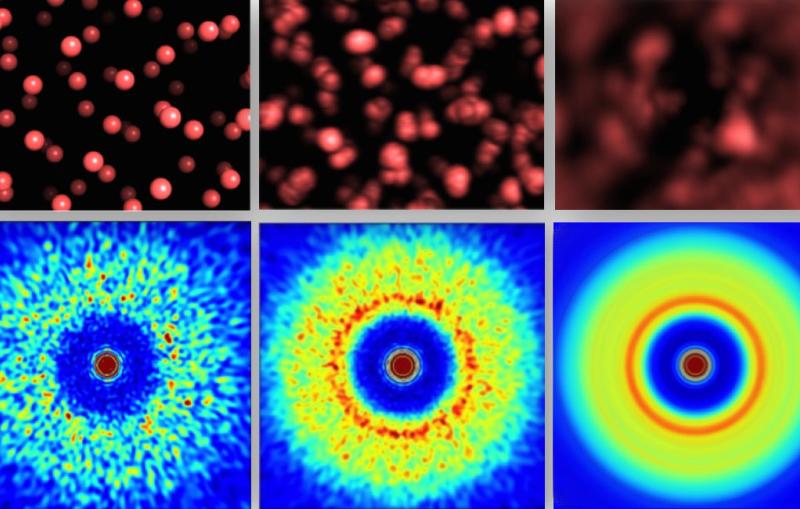
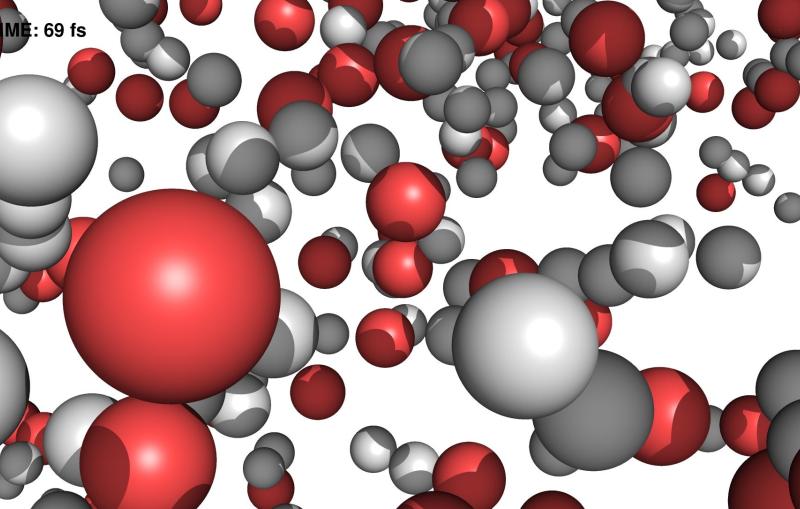
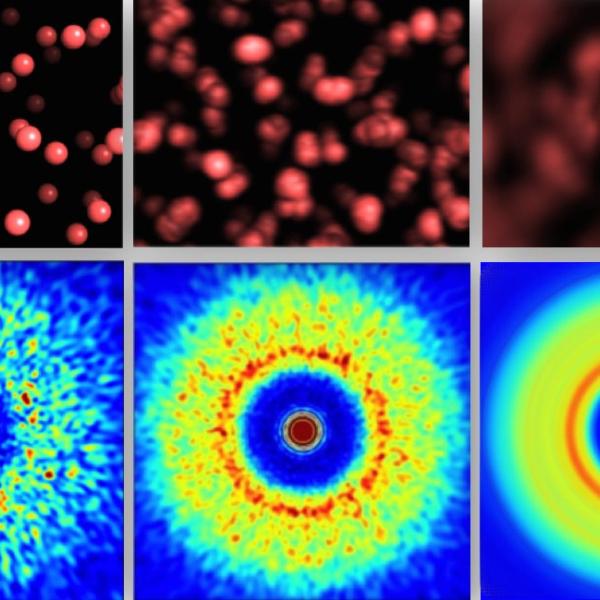
Experiments at SLAC heated water from room temperature to 100,000 degrees Celsius in less than a millionth of a millionth of a second, producing an exotic state of water that could shed light on Earth’s most important liquid.
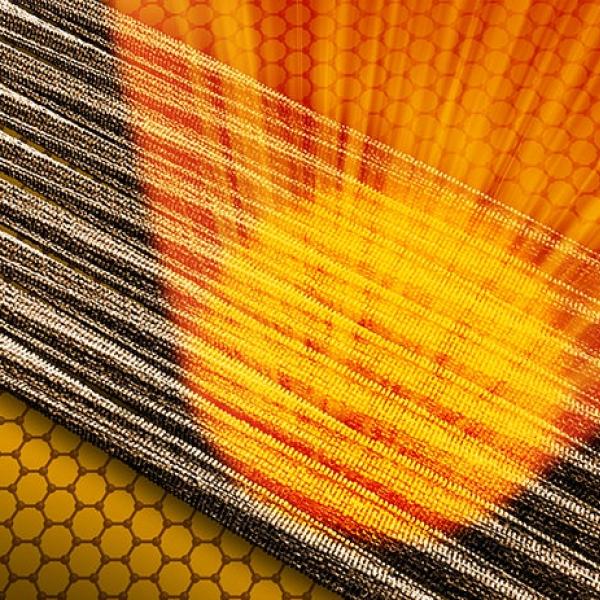
By placing the tiniest strands of proteins on one-atom-thick graphene, scientists capture promising X-ray laser images of these elusive biomolecules that play a key role in neurodegenerative diseases.
Like turning a snowball back into fluffy snow, a new technique turns high-density materials into a lower-density one by applying the chemical equivalent of ‘negative pressure.’
The liquid sheets – less than 100 water molecules thick – will let researchers probe chemical, physical and biological processes, and even the nature of water itself, in a way they could never do before.