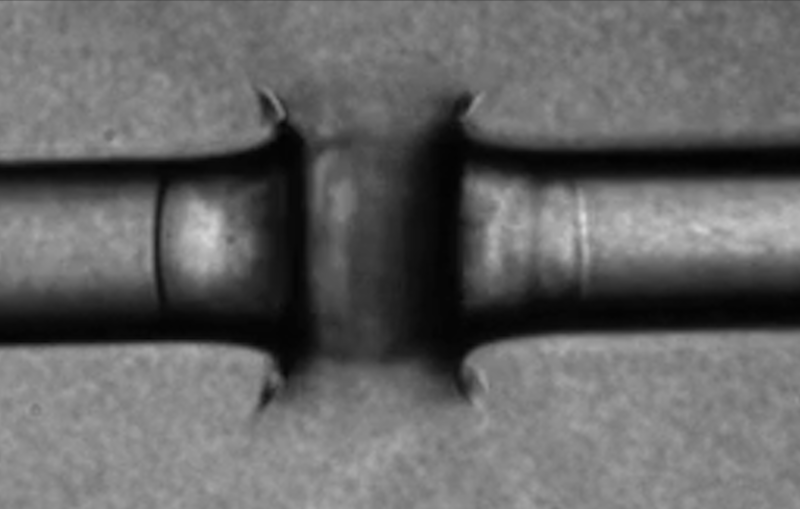
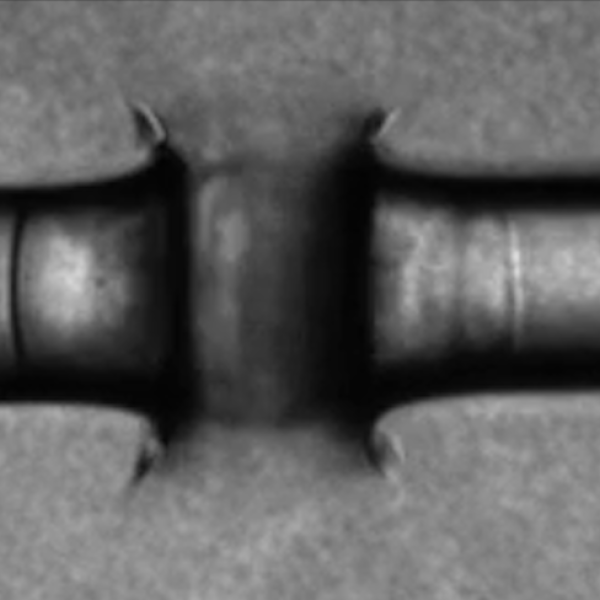
Researchers produced an underwater sound with an intensity that eclipses that of a rocket launch while investigating what happens when they blast tiny jets...
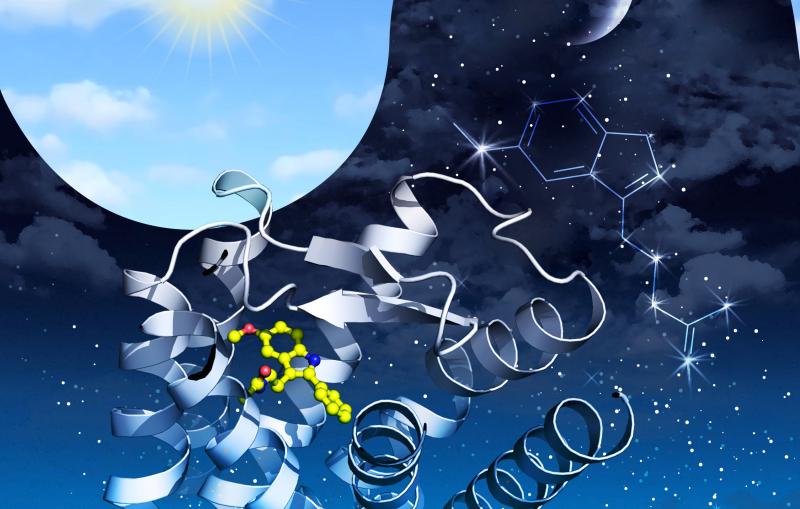
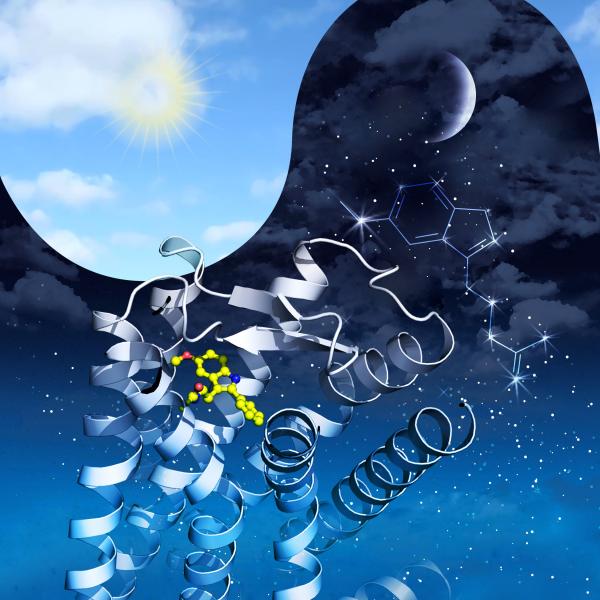
A better understanding of how these receptors work could enable scientists to design better therapeutics for sleep disorders, cancer and Type 2 diabetes.
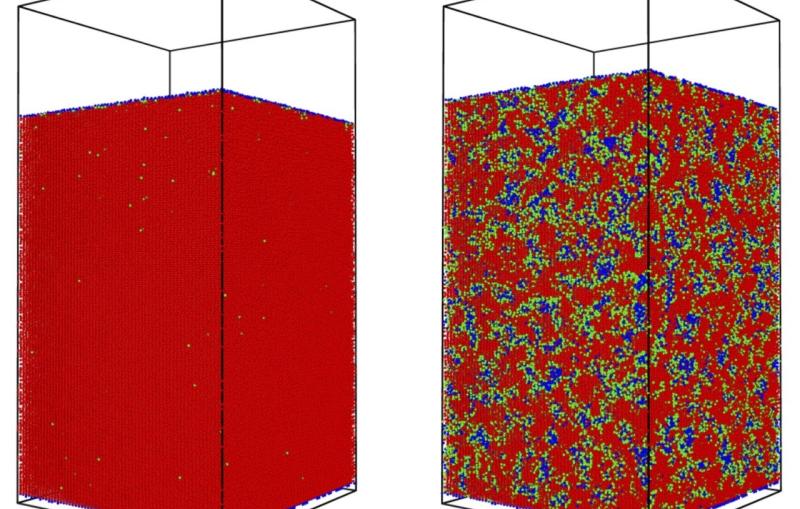
Scientists precisely control where single-atom catalysts sit on their support structures, and show how changing their position affects their reactivity.
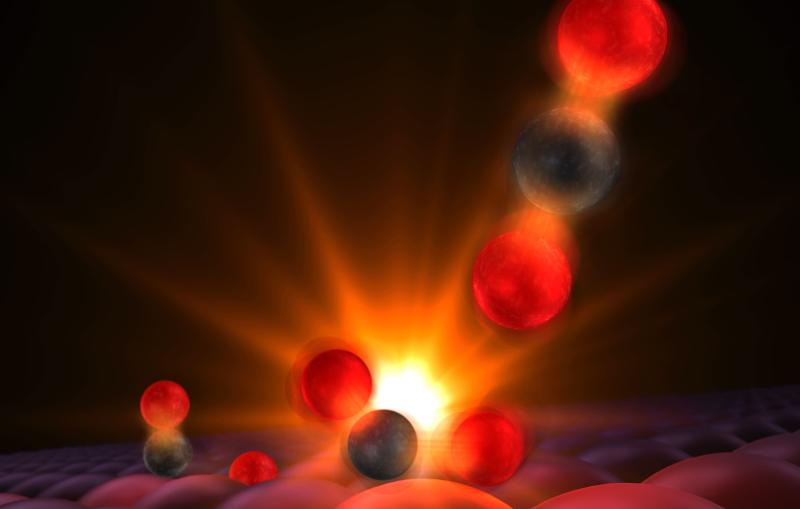
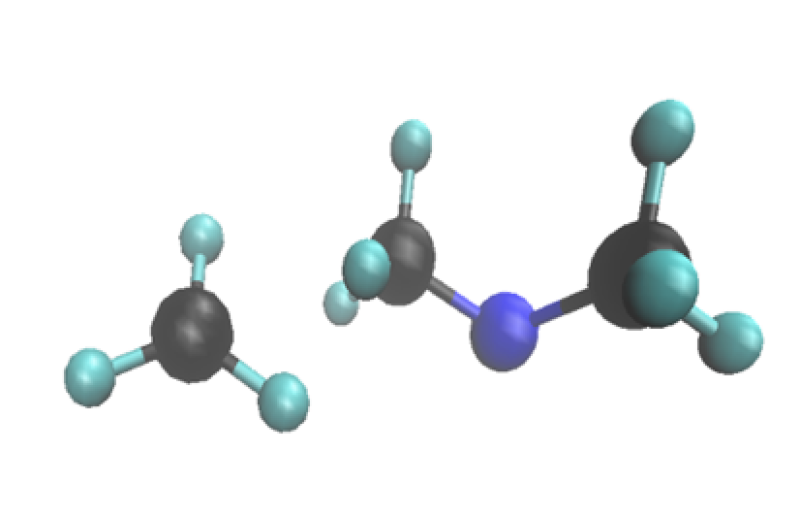
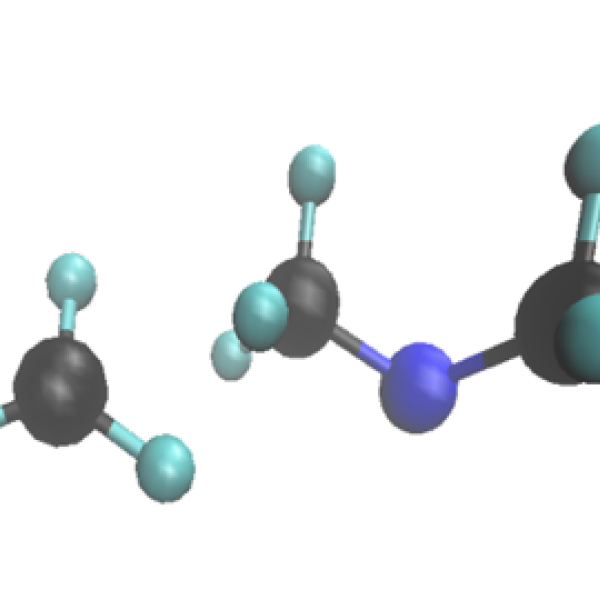
A new method could be used to look at chemical reactions that other techniques can’t catch, for instance in catalysis, photovoltaics, peptide and combustion...
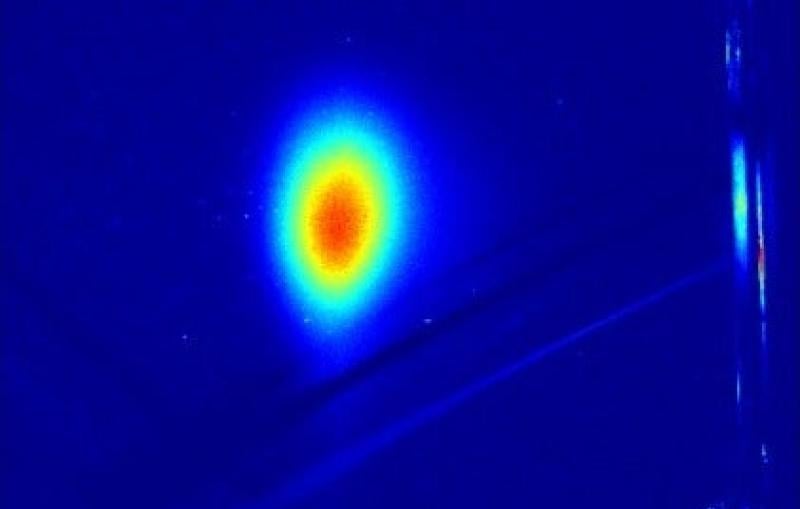
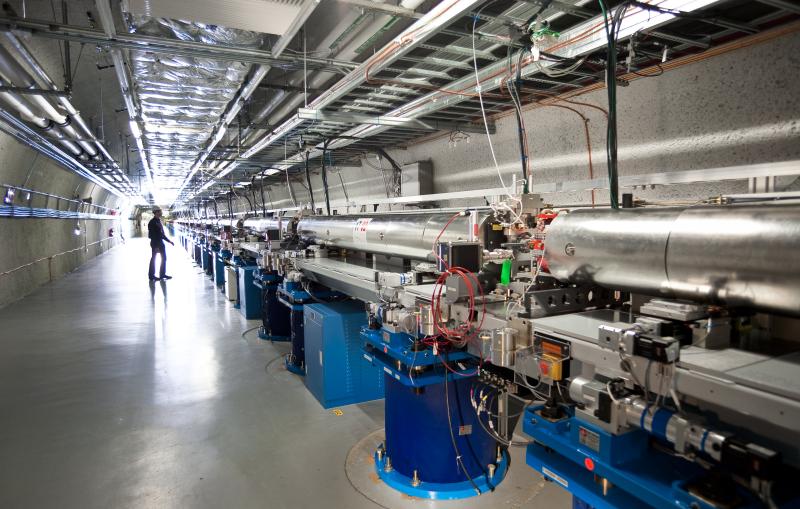
Researchers produced an underwater sound with an intensity that eclipses that of a rocket launch while investigating what happens when they blast tiny jets of water with X-ray laser pulses.
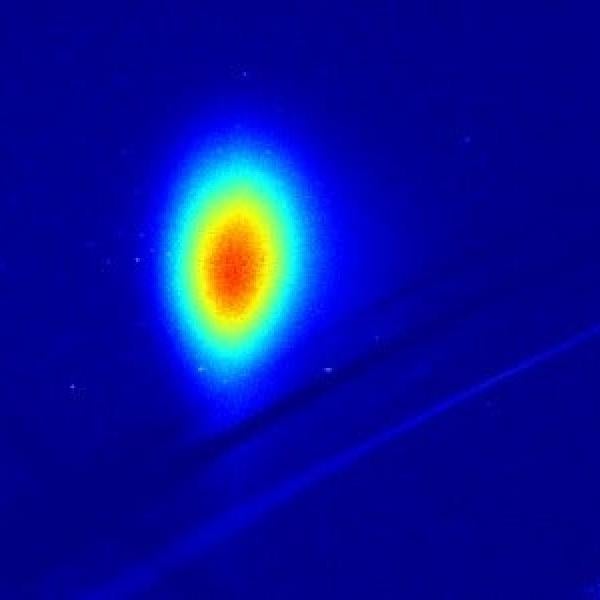
A better understanding of how these receptors work could enable scientists to design better therapeutics for sleep disorders, cancer and Type 2 diabetes.
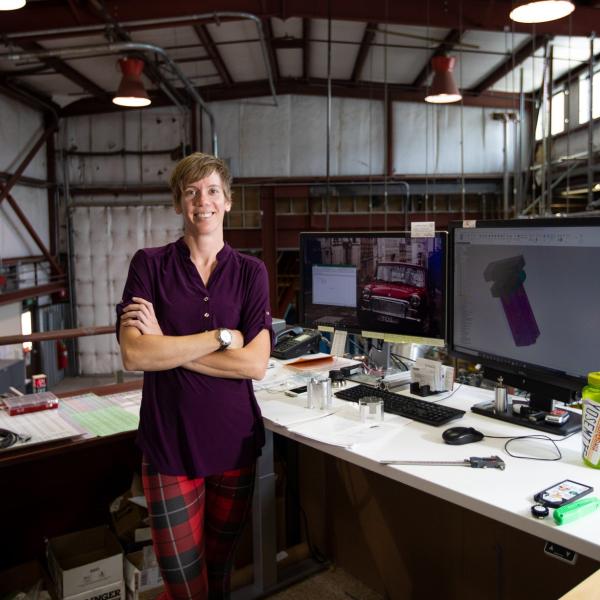
Scientists precisely control where single-atom catalysts sit on their support structures, and show how changing their position affects their reactivity.
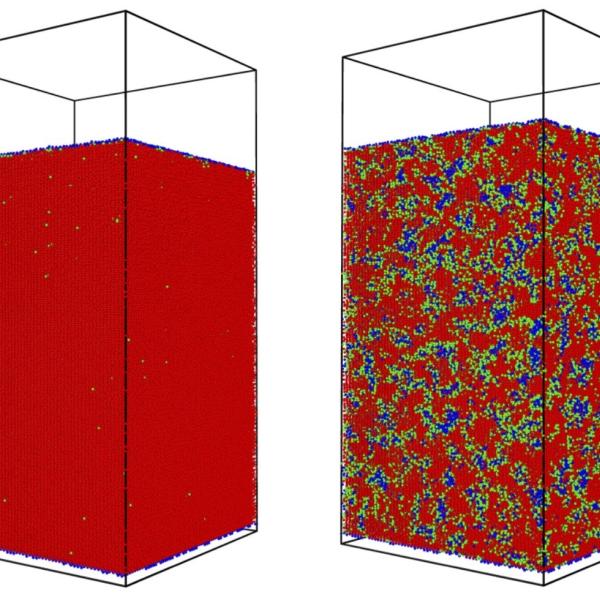
A new method could be used to look at chemical reactions that other techniques can’t catch, for instance in catalysis, photovoltaics, peptide and combustion research.