SLAC topics

X-ray scattering and diffraction RSS feed

See content related to X-ray scattering and X-ray diffraction here below.

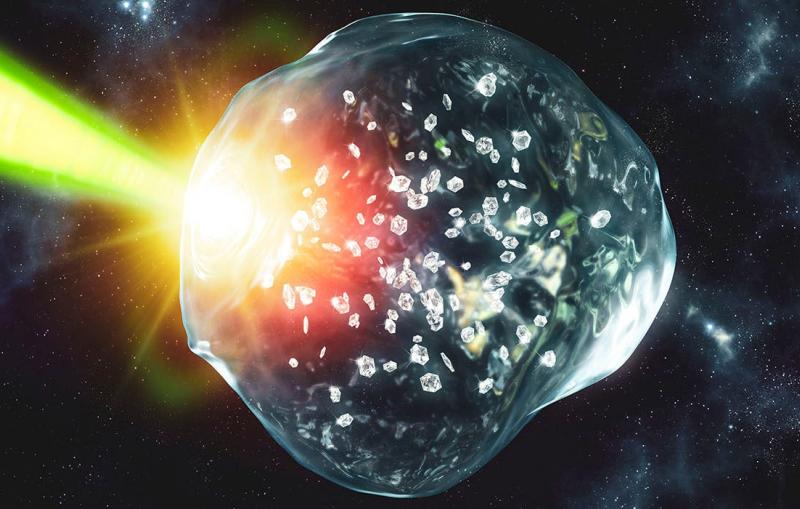
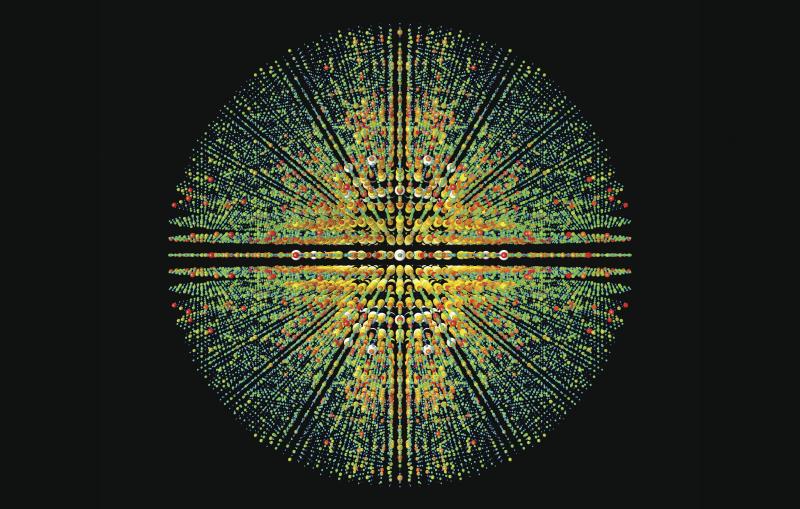
Illustration of LCLS diffraction protein crystals.
Feature

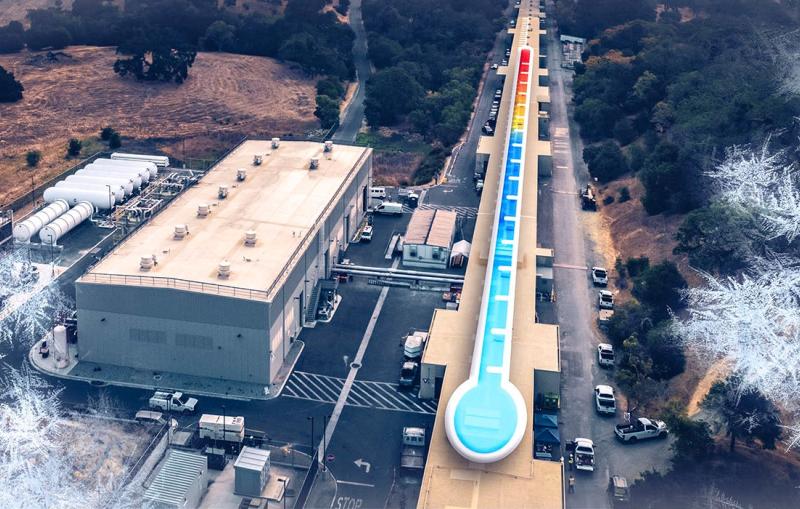
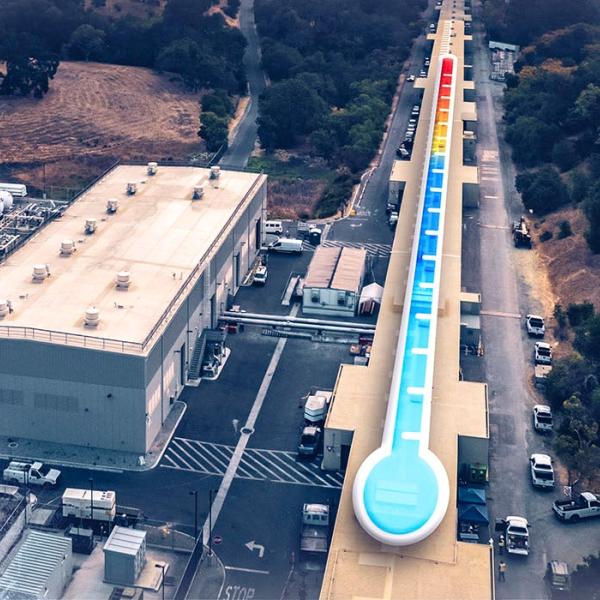
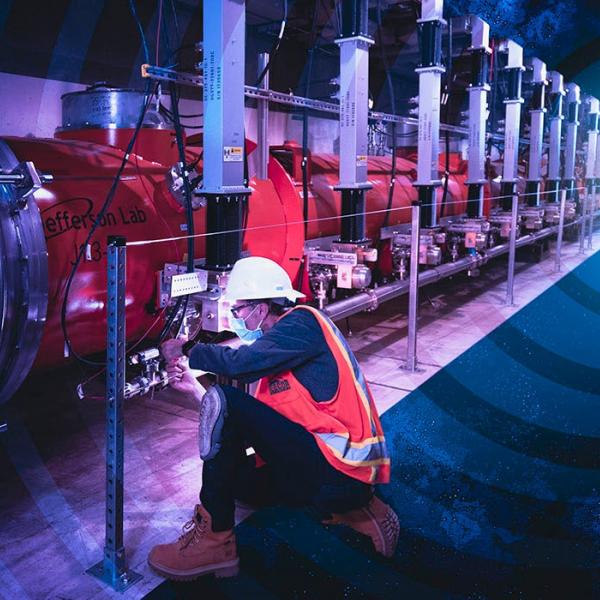
En route to record-breaking X-rays, SLAC’s Cryogenic team built a helium-refrigeration plant that lowers the LCLS-II accelerator to superconducting temperatures.

Images of frost and a thermometer superimposed over an aerial view of an accelerator building.
Illustration
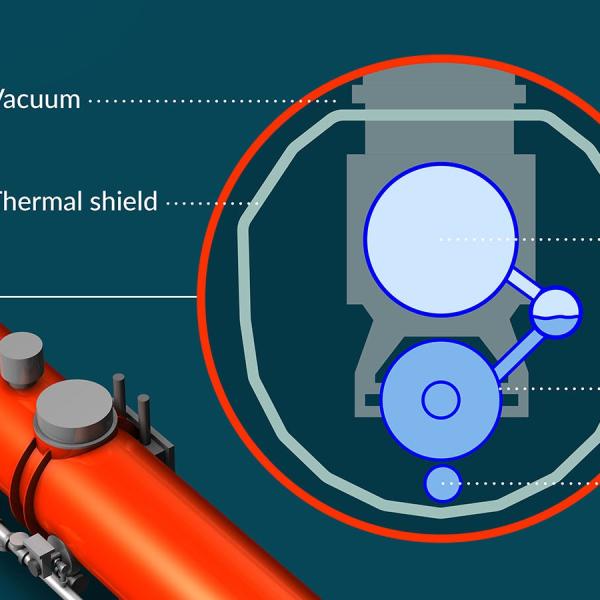
A cross section of the LCLS-II accelerator showing where liquid and gaseous helium flow in and out of the system.
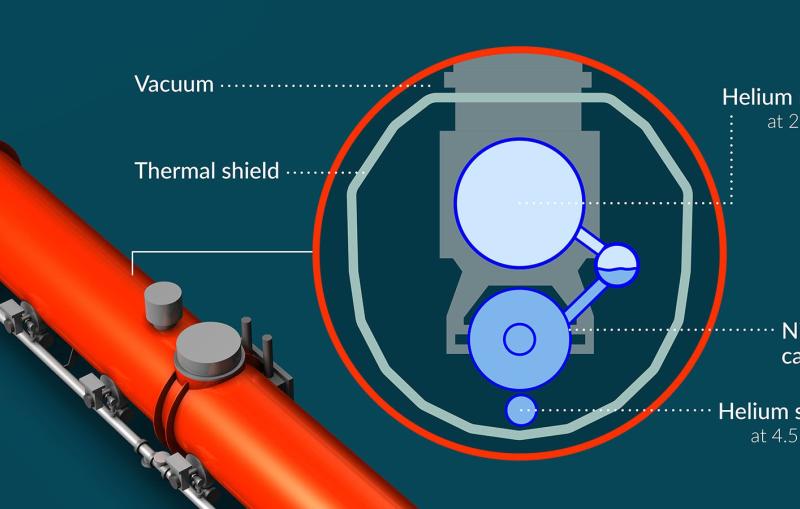
Cross section showing pipes and liquid and gas helium
Feature

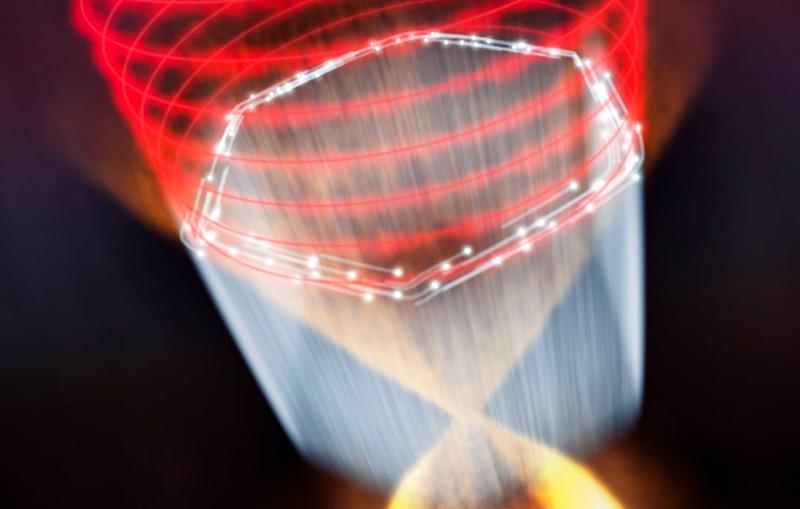
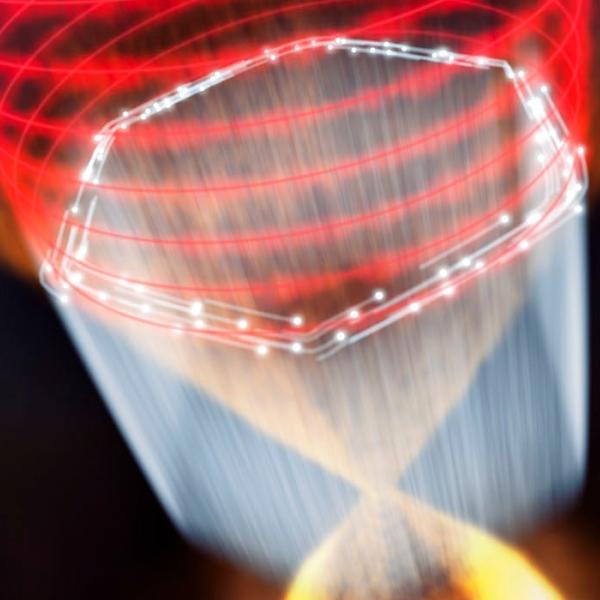
Spiraling laser light reveals how topological insulators lose their ability to conduct electric current on their surfaces.

Against a black background, thin, glowing red wires at top impinge on the hexagonal surface of a translucent mass. Small white dots travel along the edges of the surface in two directions. Within the mass, two orange cones meet at their tips.
Feature

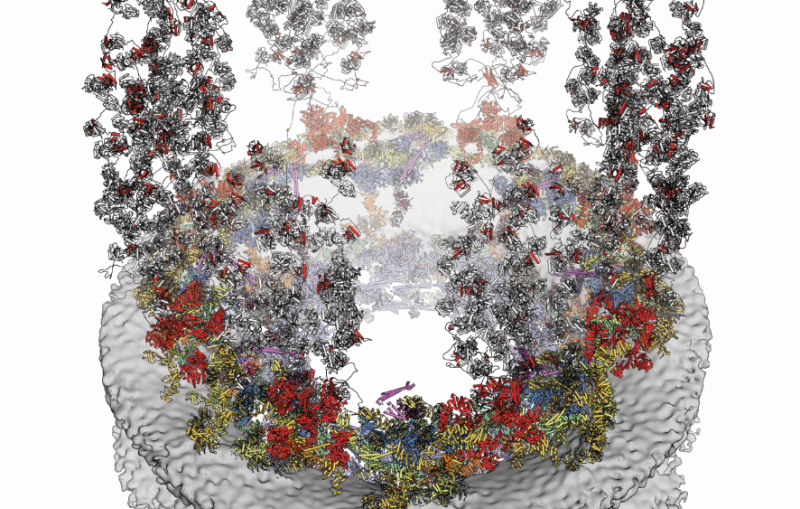
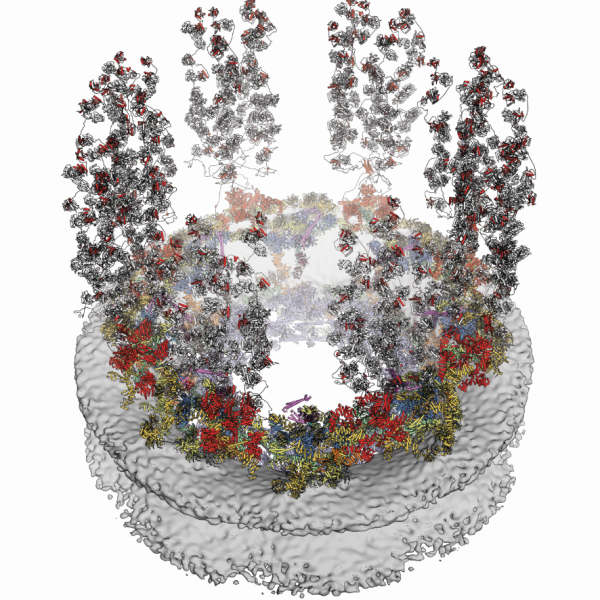
After almost two decades of synchrotron experiments, Caltech scientists have captured a clear picture of a cell’s nuclear pores, which are the doors and...

The nuclear pore and its components.
Feature

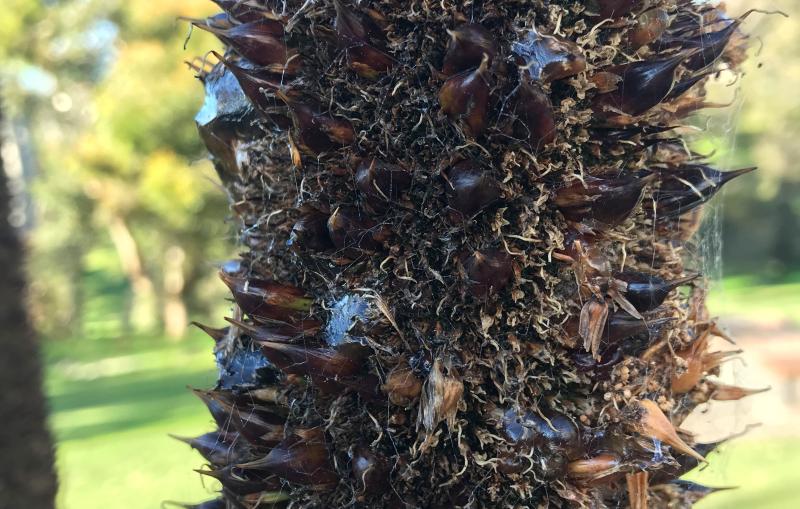
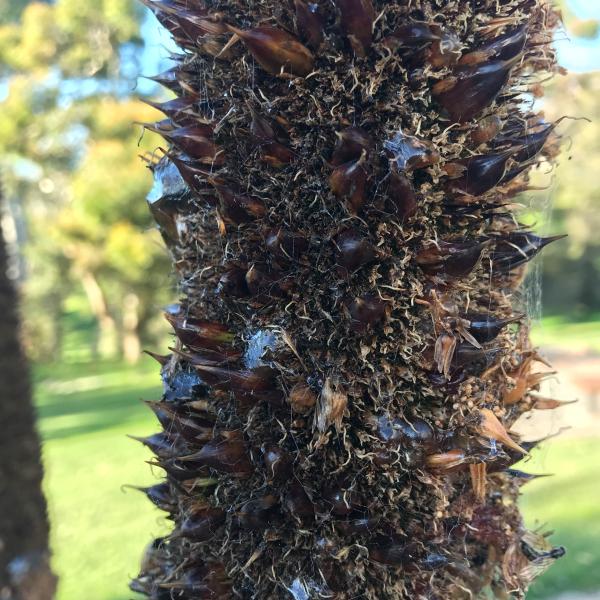
By revealing the chemistry of plant secretions, or exudates, these studies build a basis for better understanding and conserving art and tools made with...

Plant secretion from what is called "grass tree."
News Release

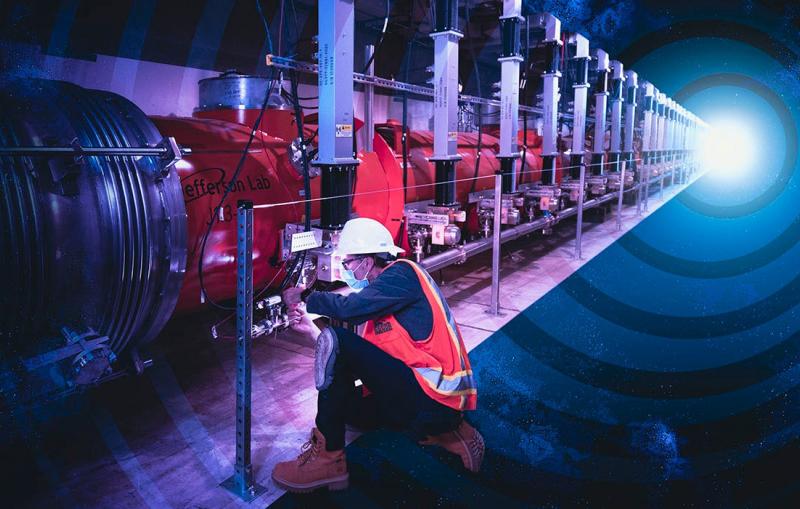
The facility, LCLS-II, will soon sharpen our view of how nature works on ultrasmall, ultrafast scales, impacting everything from quantum devices to clean energy.

LCLS-II cooldown
Animation
Now that the cavities have been cooled, the next step is to pump them with more than a megawatt of...
Cryomodule cavity animation
Feature

Researchers mimicked these extreme impacts in the lab and discovered new details about how they transform minerals in Earth’s crust.

meteor
Feature

X-ray laser experiments show that intense light distorts the structure of a thermoelectric material in a unique way, opening a new avenue for controlling...

Illustration shows two ball-and-stick molecules in pink and red separated by a blurred streak representing how the first structure is slightly deformed into the second.
Illustration
Illustration shows two ball-and-stick molecules in pink and red separated by a blurred streak representing how the first structure is slightly deformed into the second.
Feature

Scientists discover that triggering superconductivity with a flash of light involves the same fundamental physics that are at work in the more stable states...

Exposing the material to a magnetic field
Feature

Spawned by the spins of electrons in magnetic materials, these tiny whirlpools behave like independent particles and could be the future of computing. Experiments...

Illustration of skyrmions -- little whirlpools of magnetism formed by the spins of atoms.