

SLAC topics

X-ray light sources and electron imaging RSS feed

X-ray light sources and electron imaging are advanced techniques used to study the structure and properties of materials. X-ray light sources use high-energy photons to produce X-rays, while electron imaging uses high-energy electrons to produce detailed images of samples. 
Browse tagged content

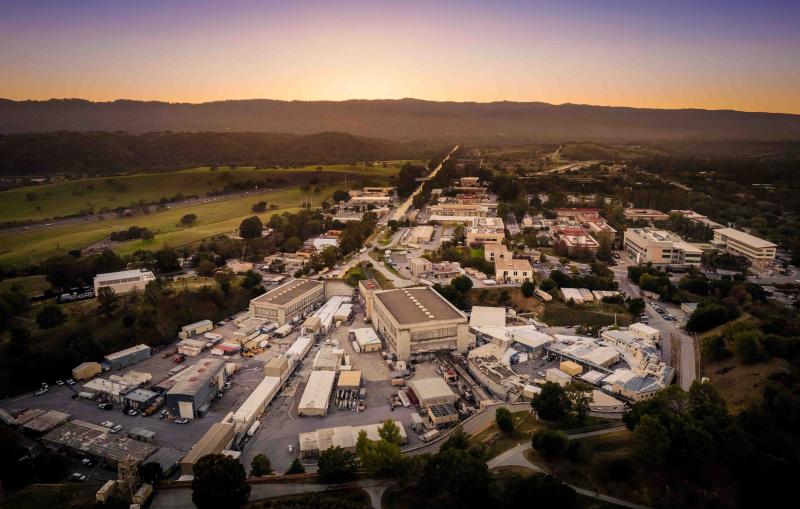
Aerial view of SLAC
Video

Sunrise timelapse of Stanford Synchrotron Radiation Lightsource (SSRL)

Front Page - SSRL
Feature

Disabling those hinges could be a good strategy for designing vaccines and treatments against a broad range of coronavirus infections.

A 3D image of a round, spiky coronavirus with inset showing how far its spikes can bend.
Feature

Four engineers discuss their journeys to working at SLAC and counsel those following in their footsteps.

Ashley fellows 2023
Feature

The Secretary celebrated LCLS-II first light with 600 SLAC staff and collaborators Oct. 26.

Secretary of Energy Jennifer M. Granholm and SLAC staff celebrate LCLS-II first light
Feature

LaserNetUS funding will allow scientists to explore fundamental plasma science and inertial fusion energy research and technology.

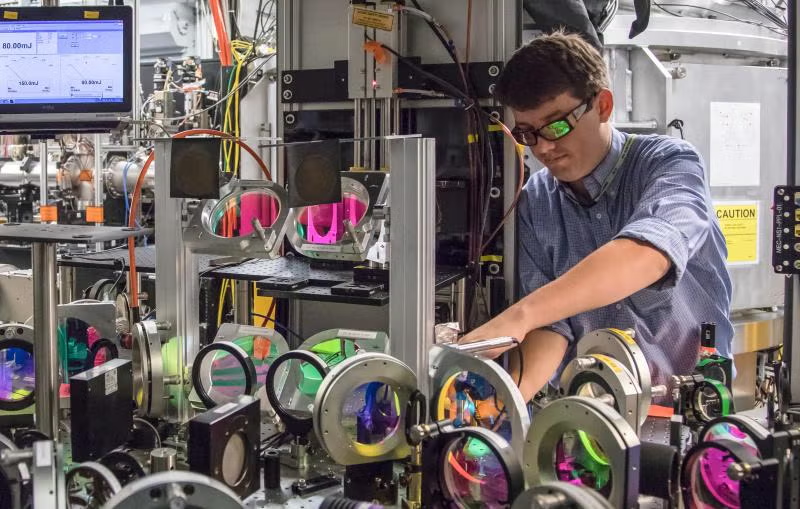
Matter in Extreme Conditions (MEC) Hutch 6, located in the LCLS Far Experimental Hall.
Feature

A   swap of metals and a mutation ramp up the electric field strength at the active site of an enzyme, making it  ...

Illustration of an enzyme modified to work 50 times faster
Feature

Developing a new, light-activated method to produce the molecule opens doors for future biomedical applications.

An illustration of an X-ray spectroscopy experiment.
Feature

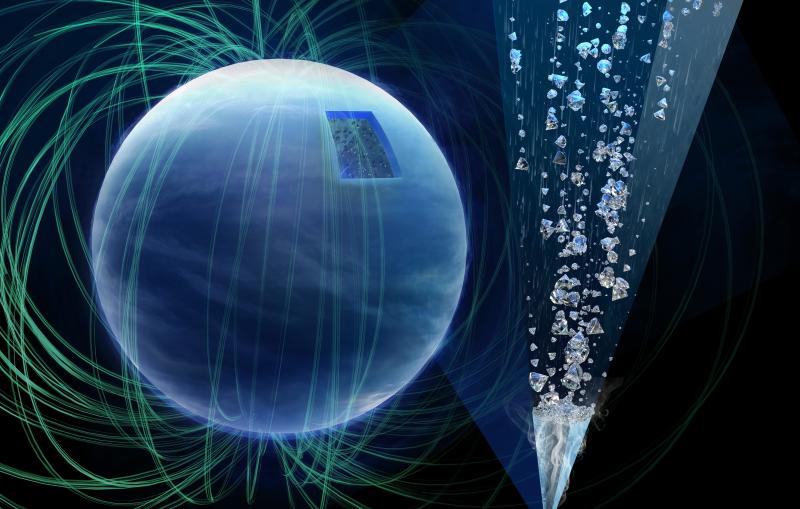
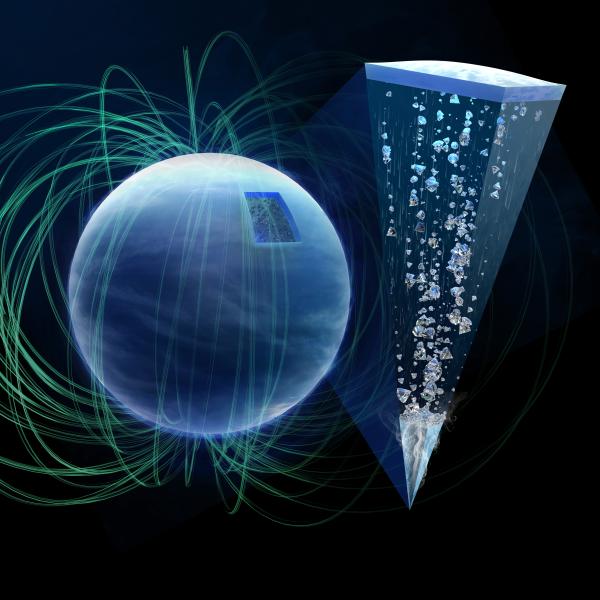
New research has implications for understanding Earth's evolution, interpreting unusual seismic signals and the study of exoplanets.

Illustration of earth with laser
Illustration

Deep inside rocky planets like Earth, the behavior of iron can greatly affect the properties of molten rock materials: properties that influenced how Earth...

Illustration of earth with laser
Feature

The award recognizes Driver’s contribution toward attosecond X-ray capabilities.

A portrait of Taran Driver.
Feature

The research reveals the potential for machine learning in understanding the complex behavior of quantum materials.

machine learning
Feature

An international team has uncovered details about the formation of DNA's building blocks, paving the way  for potential medical and therapeutic applications.

radical