
SLAC topics

Stanford PULSE Institute RSS feed

Researchers at the Stanford PULSE Institute watch ultrafast particle motions and chemical reactions to get a deeper understanding of matter in all its forms. Soon we’ll be able to watch even speedier electron movements that underlie all of chemistry, technology and life.
Visit PULSE website

Browse tagged content

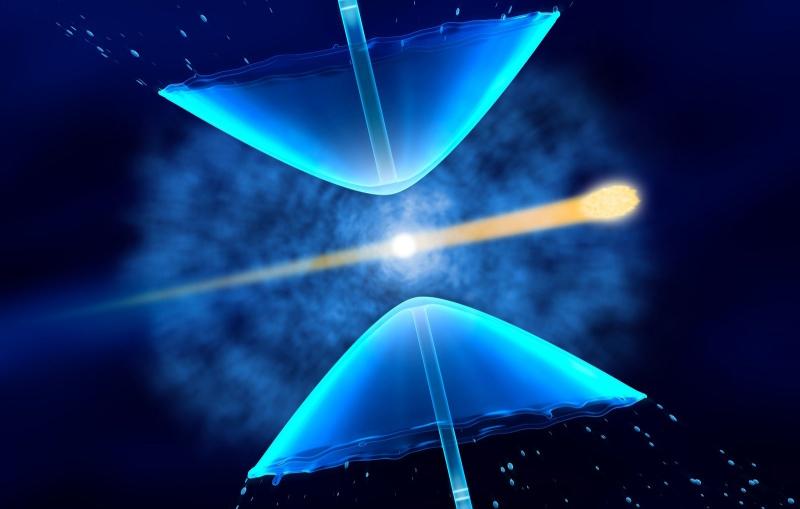
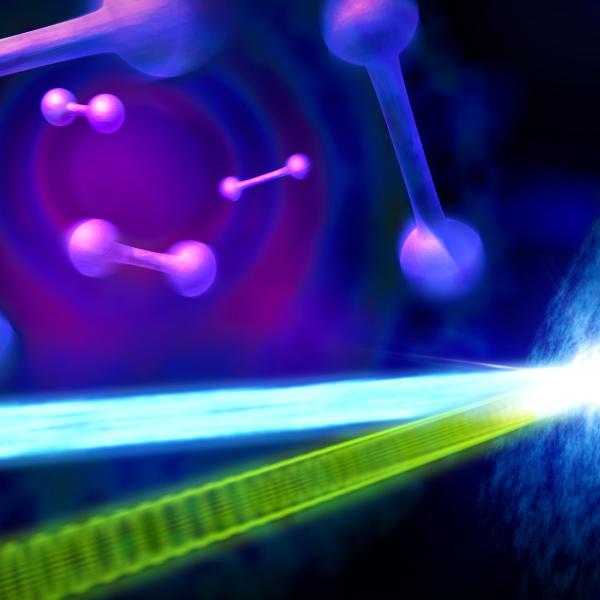
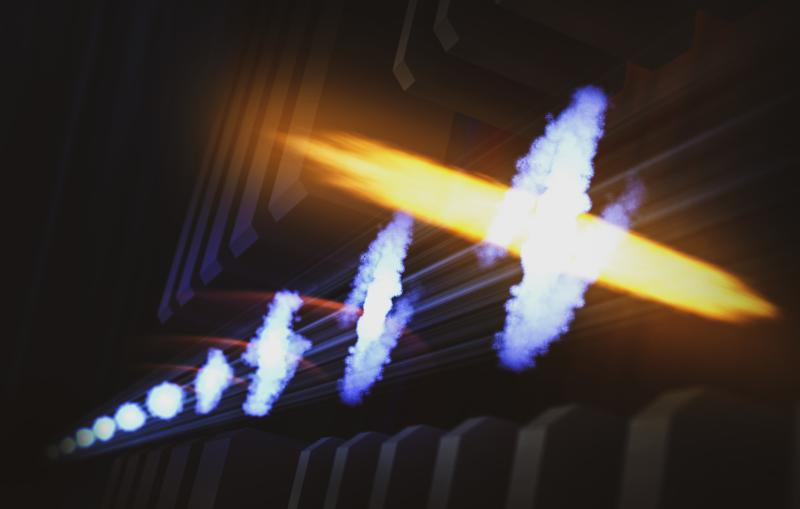
XLEAP illustration
Feature

Silicon chips can store data in billionths of a second, but phase-change memory could be 1,000 times faster, while using less energy and requiring...

Feature

A SLAC/Stanford study opens a new path to producing laser pulses that are just billionths of a billionth of a second long by inducing...

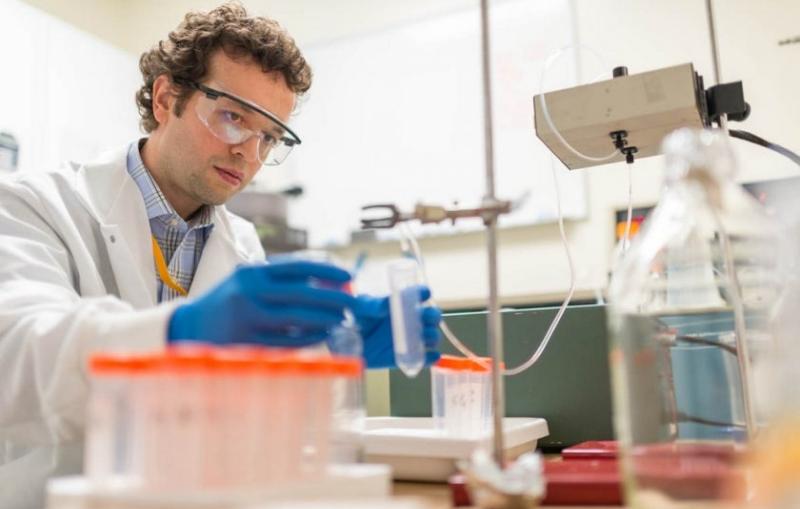
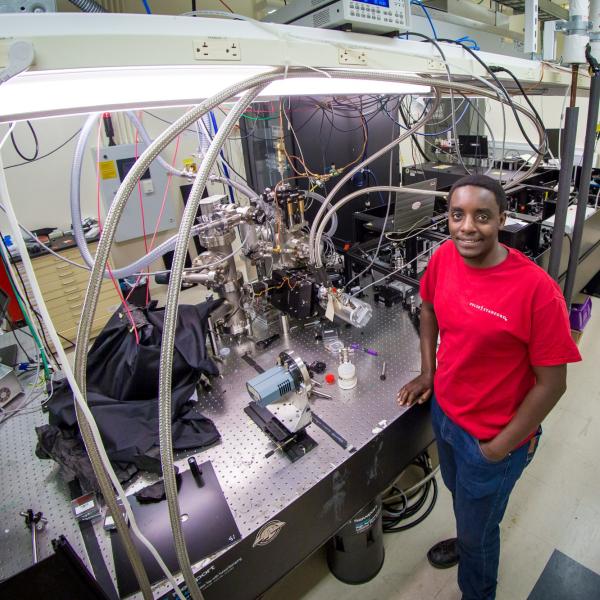
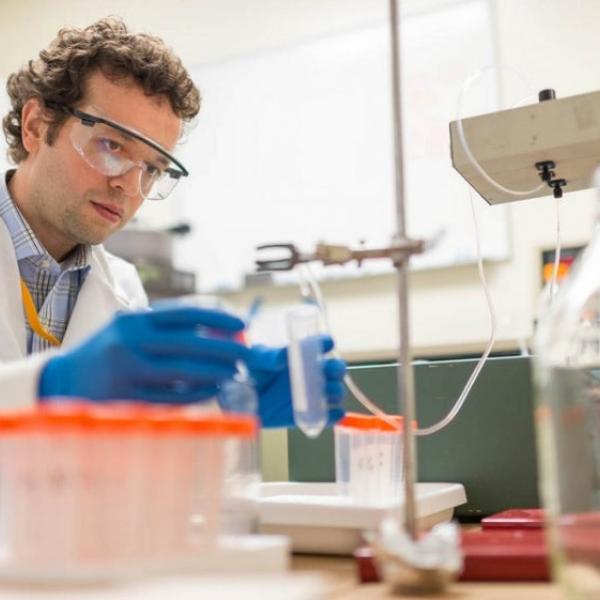
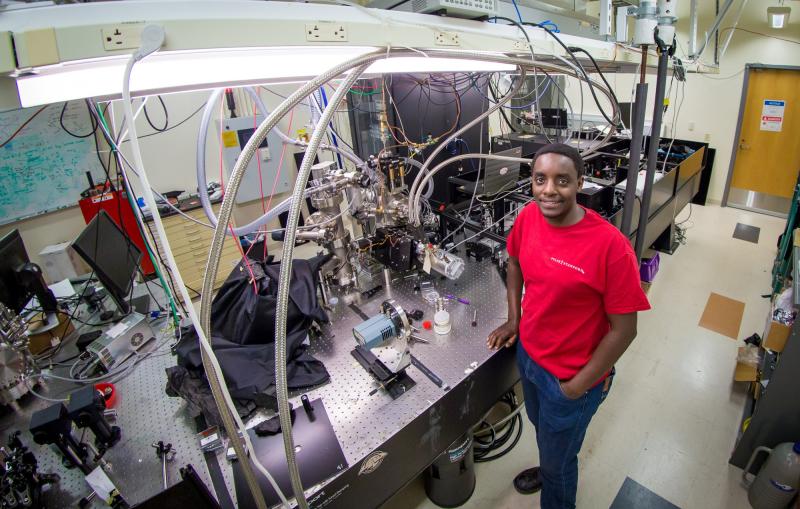
Stanford graduate student Georges Ndabashimiye in the PULSE Institute laser lab
Feature

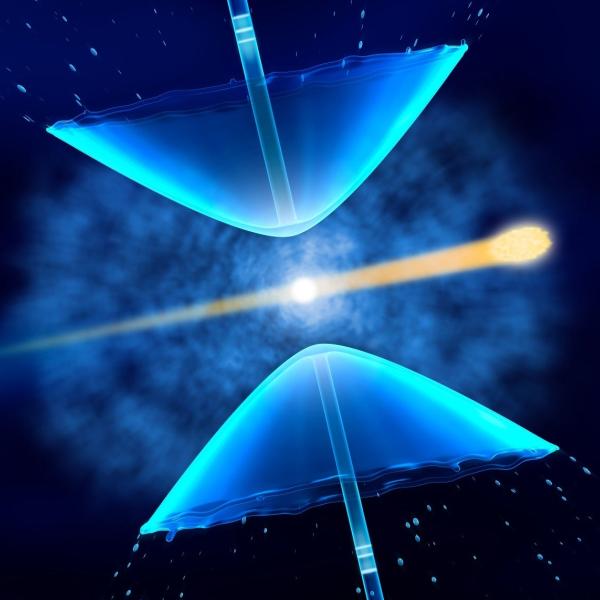
Taken at SLAC, microscopic footage of exploding liquids will give researchers more control over experiments at X-ray lasers.

Feature

Researchers at SLAC have found a simple new way to study very delicate biological samples – like proteins at work in photosynthesis and components...

Feature

In a first-of-its-kind experiment, scientists got a textbook-worthy result that may change the way matter is probed at X-ray free-electron lasers.

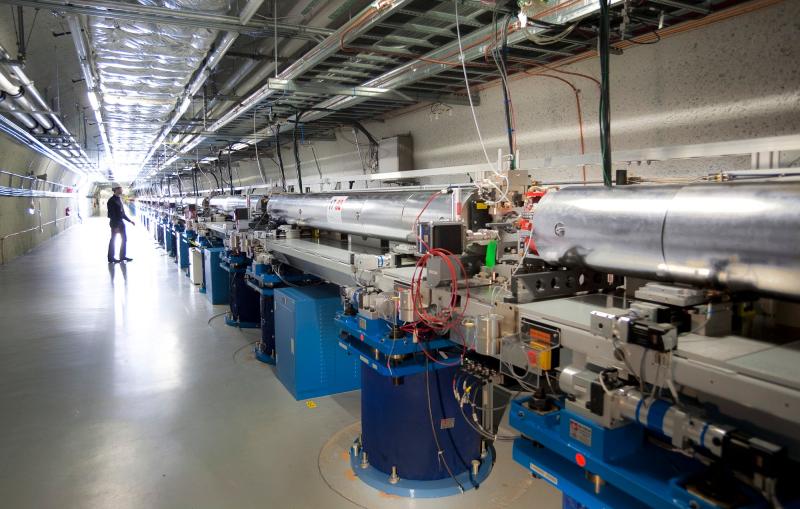
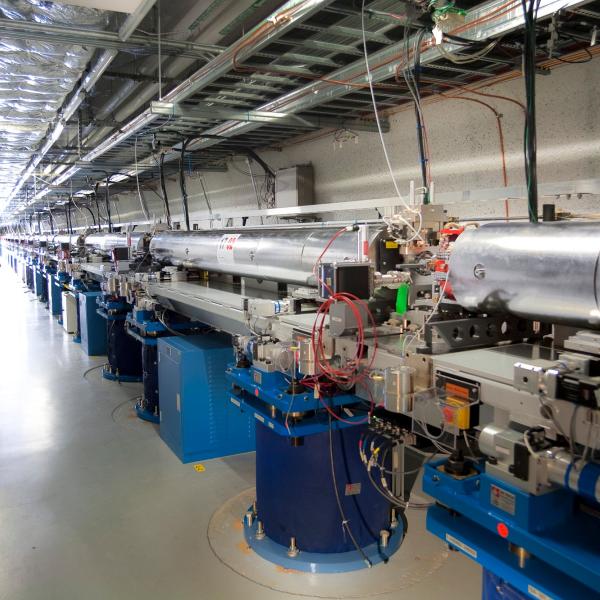
The Linac Coherent Light Source X-ray laser at SLAC
Feature

SLAC study of tiny nanocrystals provides new insight on the design and function of nanomaterials

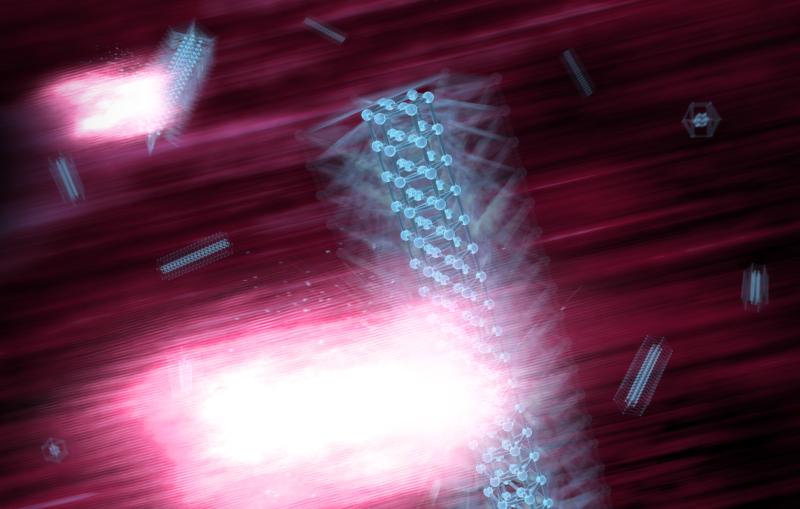
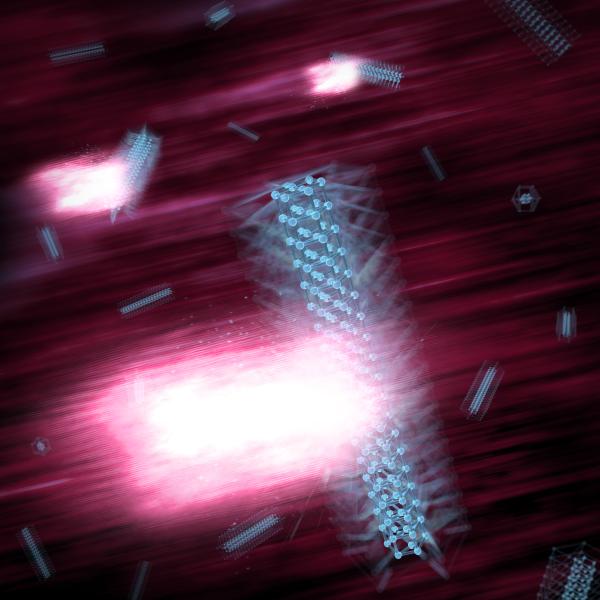
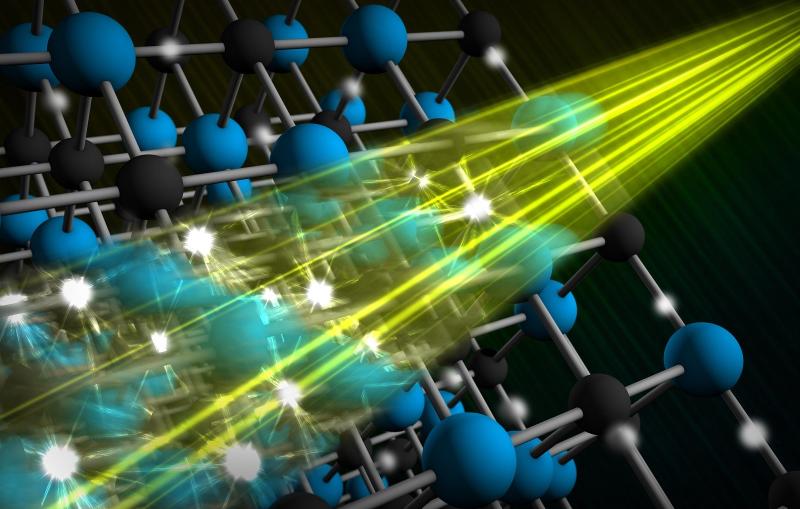
Image - In this illustration, intense X-rays produced at SLAC's Linac Coherent Light Source strike nanowires to study an ultrafast "breathing" response in the crystals induced quadrillionths of a second earlier by pulses of optical laser light.
Feature

He’s known for exploring fundamental properties of novel materials on the nanoscale, and for developing new tools for the exploration.

Stanford and SLAC Professor Tony Heinz

In this lecture, SLAC’s Ryan Coffee explains how researchers are beginning to use pattern recognition and machine learning to study chemical reactions at the...

Feature

The world's first large-scale, interactive molecular physics experience is the brainchild of David Glowacki, a visiting researcher at the PULSE Institute.

News Release

SLAC Experiment Reveals Mysterious Order in Liquid Helium

News Release

SLAC Research Reveals Rapid DNA Changes that Act as Molecular Sunscreen

Illustration showing a thymine molecule, DNA helix and the sun.
Illustration

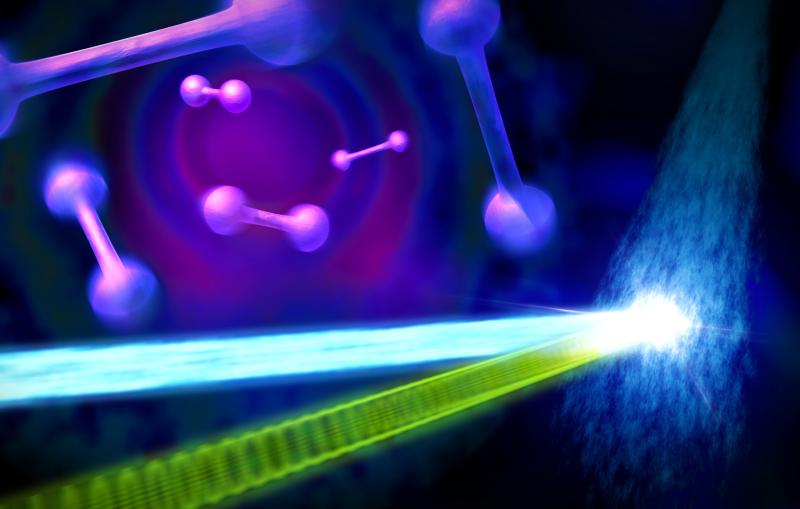
X-ray laser pulses probe water droplets like these to discover water’s hidden (and sometimes bizarre) properties. 

X-ray laser pulses probe water droplets like these to discover water’s hidden (and sometimes bizarre) properties.