




SLAC topics

Stanford PULSE Institute RSS feed

Researchers at the Stanford PULSE Institute watch ultrafast particle motions and chemical reactions to get a deeper understanding of matter in all its forms. Soon we’ll be able to watch even speedier electron movements that underlie all of chemistry, technology and life.
Visit PULSE website

Browse tagged content

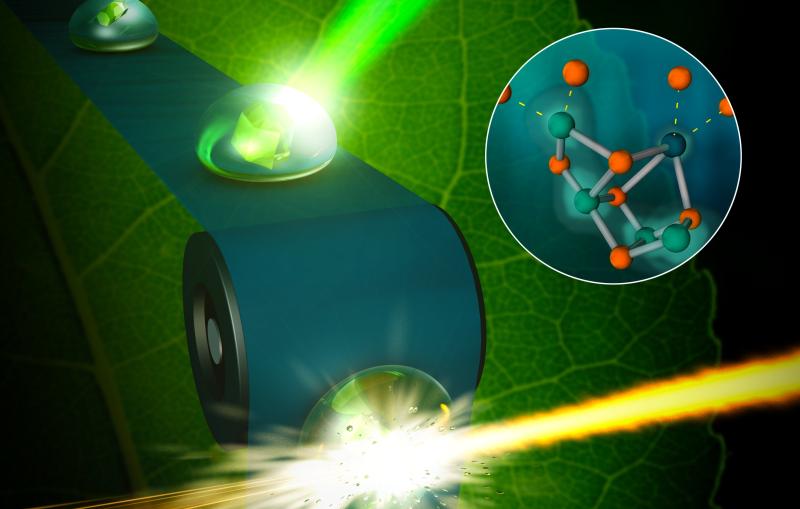
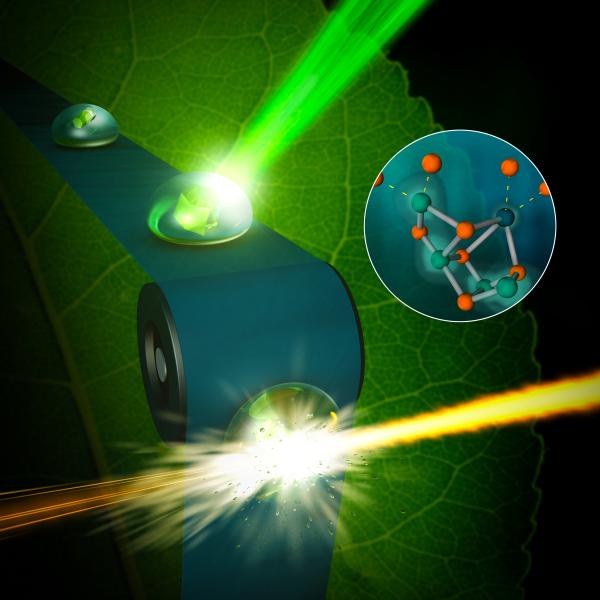
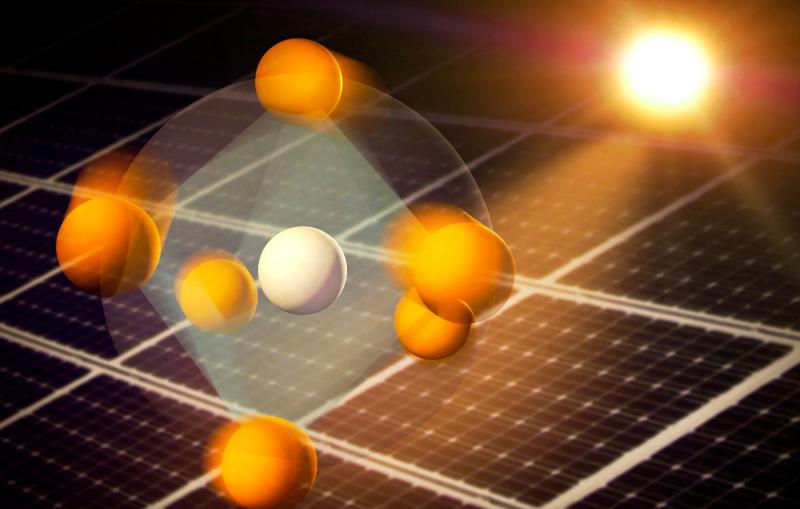
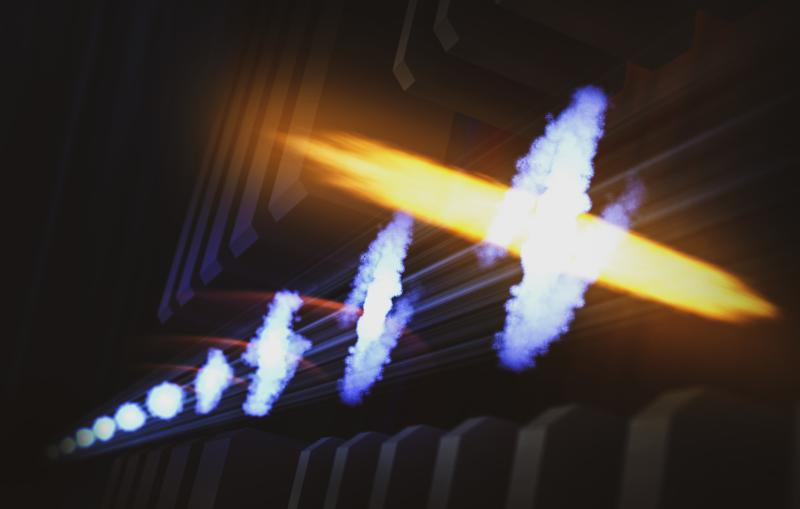
XLEAP illustration
Feature

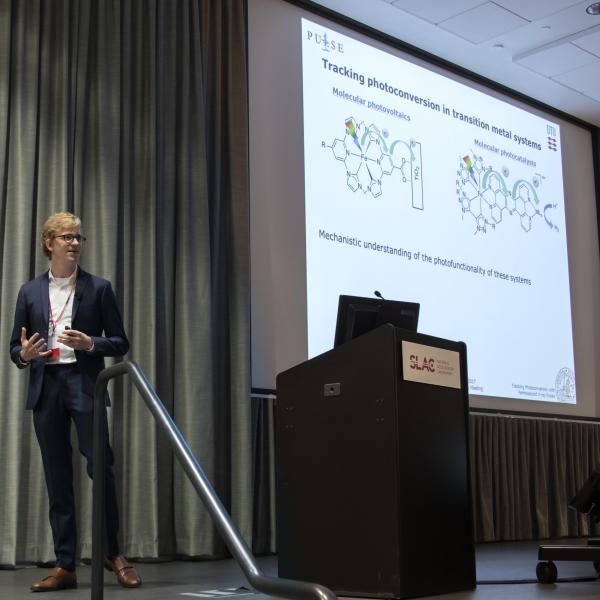
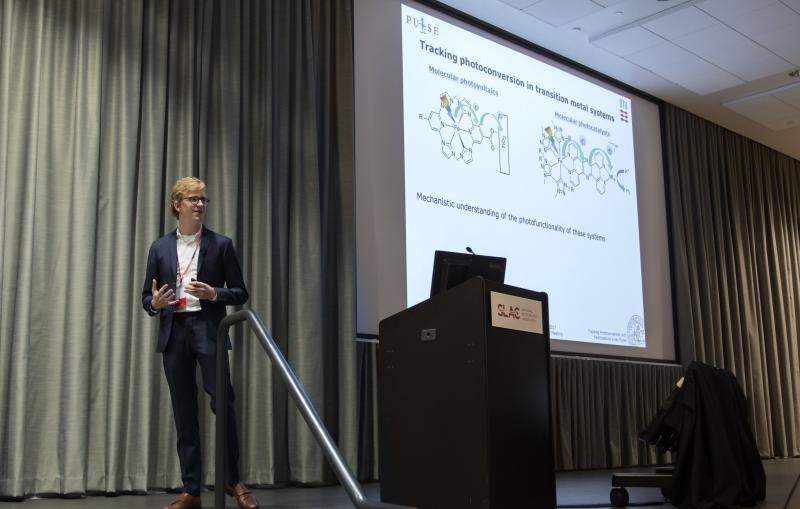
Physicist Phil Bucksbaum gives a brief introduction to Femtosecond Week at SLAC.

Feature

SLAC celebrates five days of ultrafast science.

News Release

Join us for five days of ultrafast science from April 17 to 21.

Feature

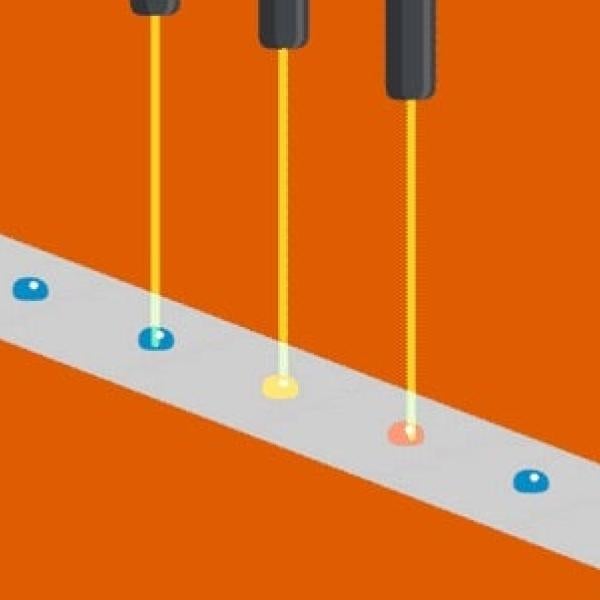
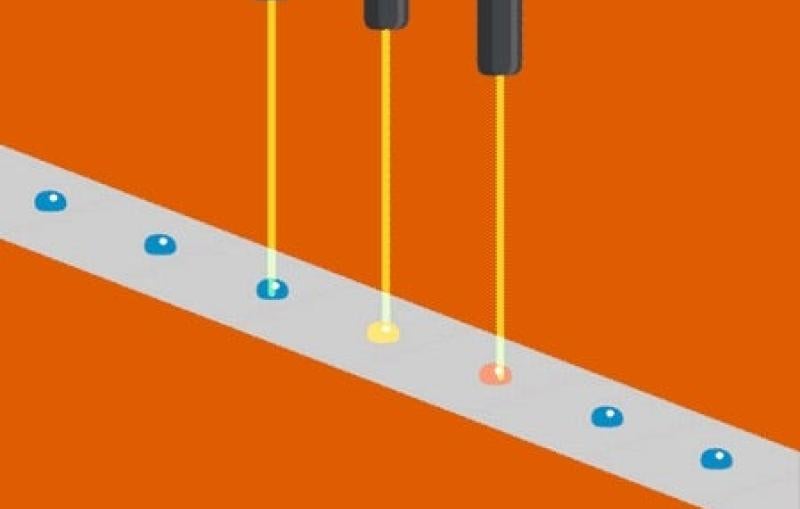
A research collaboration designed a new assembly-line system that rapidly replaces exposed samples and allows the team to study reactions in real-time.

News Release

New X-ray methods have captured the highest resolution room-temperature images of photosystem II.

Feature

SLAC experiments demonstrate a new way to access valence electrons, which are important in forming chemical bonds and determine many of a material’s properties.

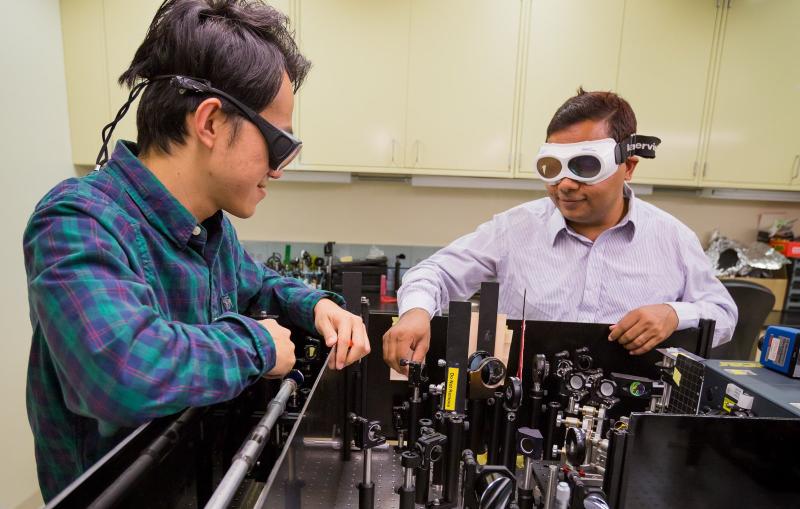
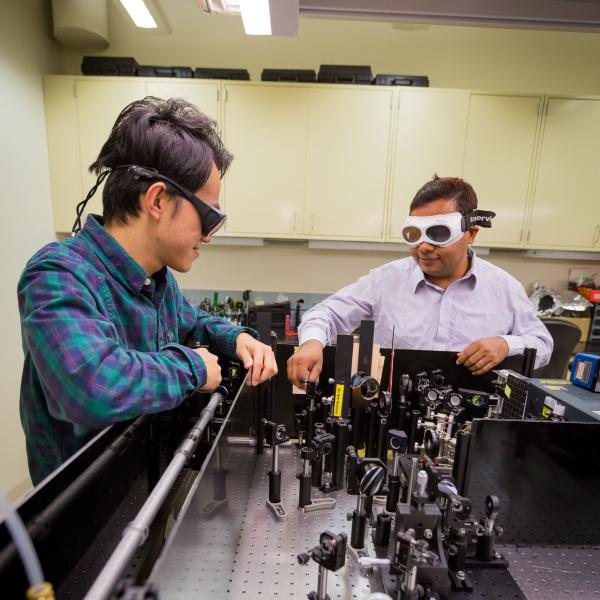
Yong Sing You and Shambhu Ghimire in the PULSE laser laboratory
Feature

The team determined the 3-D structure of a biomolecule by tagging it with selenium atoms and taking hundreds of thousands of images.

Feature

The event drew more than 400 participants, with workshops and presentations focusing on collaborations and new technology at SLAC’s light sources.

Feature

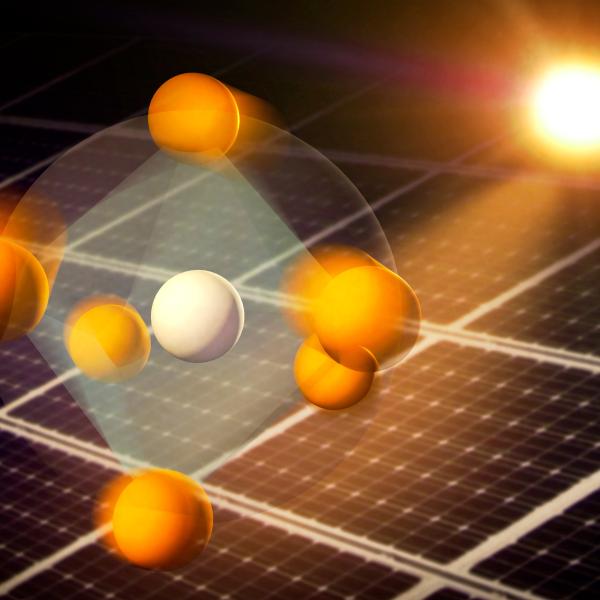
Understanding how a material’s electrons interact with vibrations of its nuclear lattice could help design and control novel materials, from solar cells to high-temperature...

News Release

Just as Schroedinger's Cat is both alive and dead, an atom or molecule can be in two different states at once. Now scientists have...

Illustration of a molecule splitting into two Schroedinger's Cat states
Feature

The fellowship will support their research into developing new methods of imaging tiny particles and understanding the properties of the Higgs boson.

Tais Gorkhover and Michael Kagan, the 2016 Panofsky Fellows at SLAC
News Release

Method creates new opportunities for studies of extremely fast processes in biology, chemistry and materials science.