
SLAC topics

Science news RSS feed

The latest news about SLAC research, science programs, facilities and people. 

More on our News Center and Media Resources pages
Browse tagged content

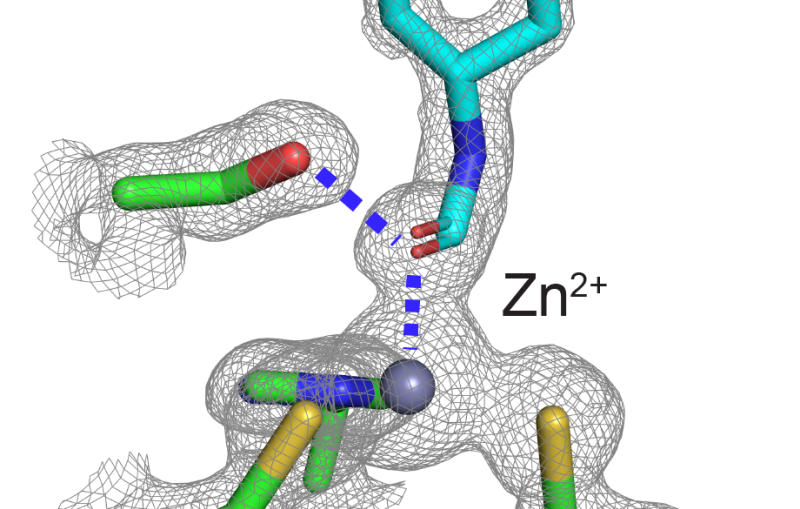
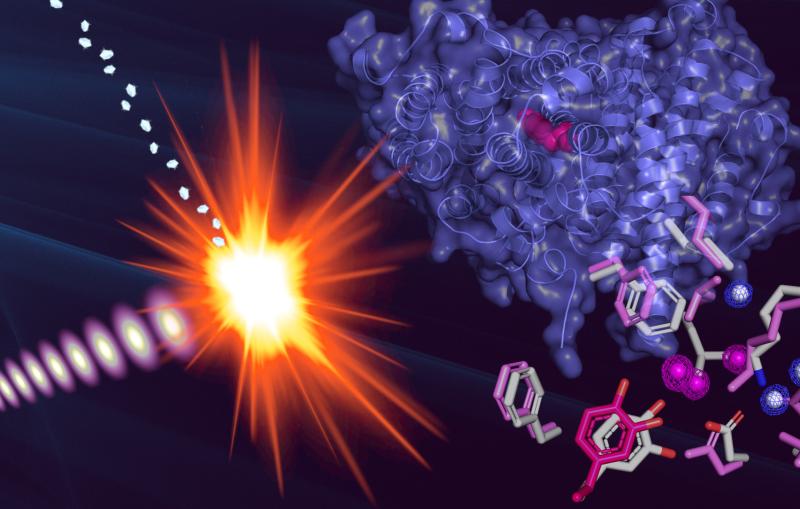
Scientists create artificial catalysts inspired by living enzymes
Feature

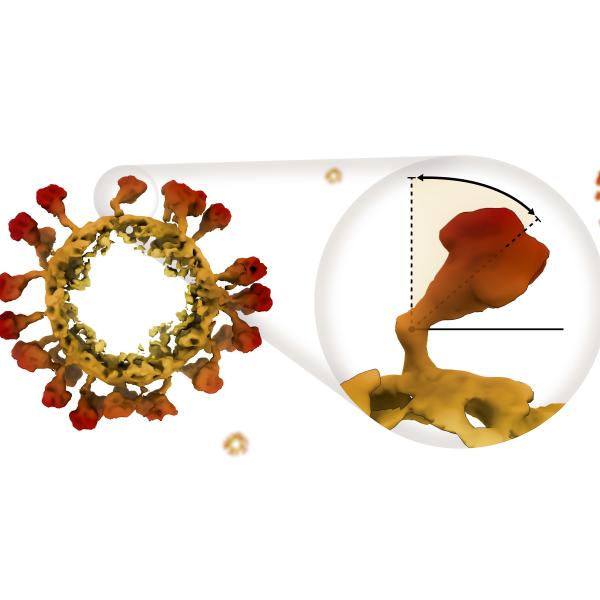
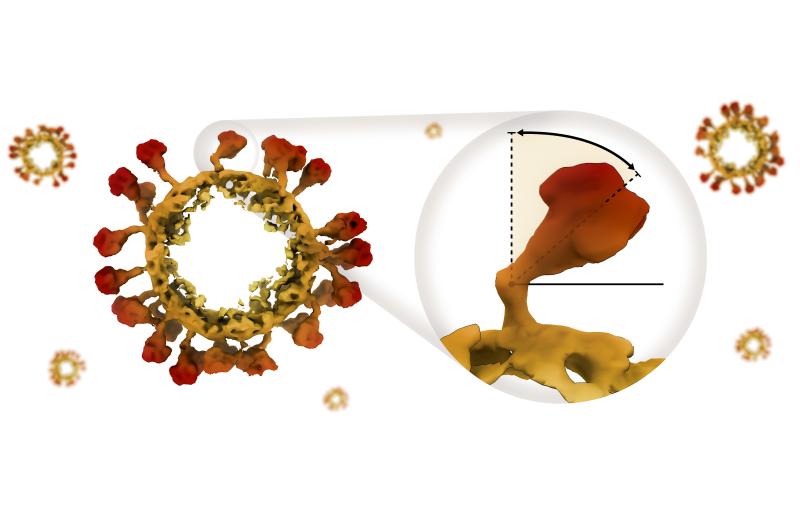
Disabling those hinges could be a good strategy for designing vaccines and treatments against a broad range of coronavirus infections.

A 3D image of a round, spiky coronavirus with inset showing how far its spikes can bend.
News Brief

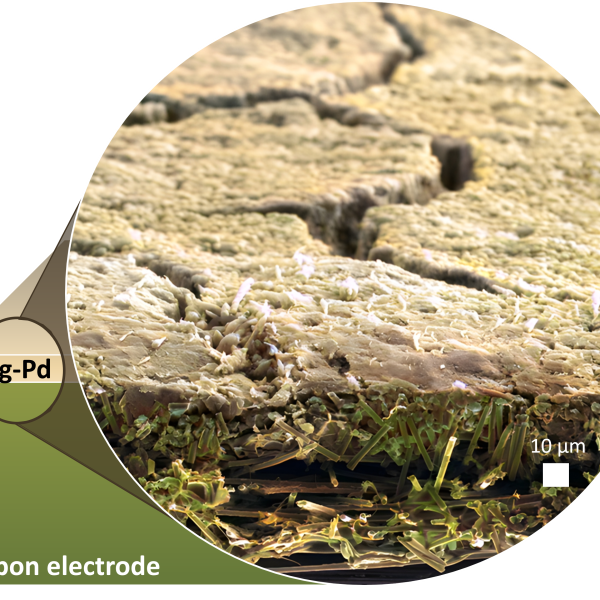
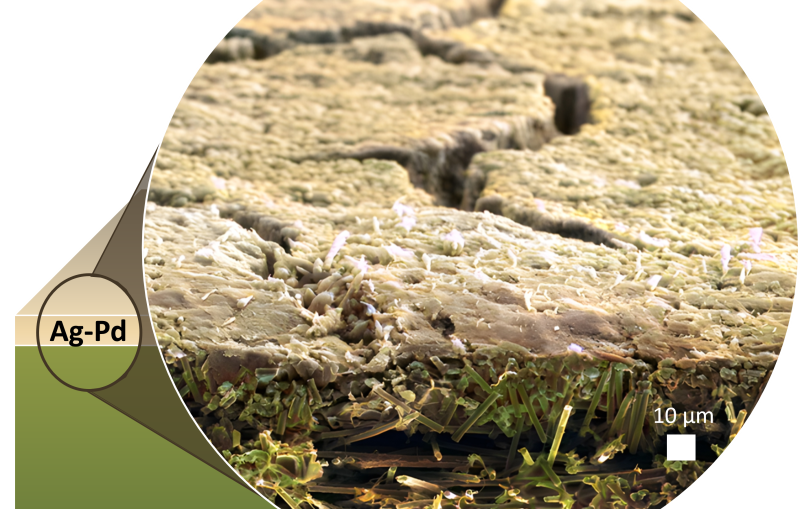
The team reduced the amount of expensive platinum group metals needed to make an effective cell and found a new way to test future...

An illustration of a thin film resembling dry, cracked earth.
Feature

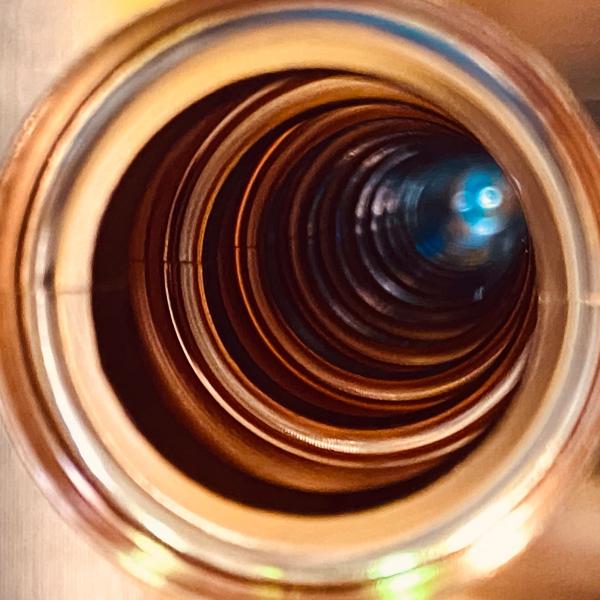
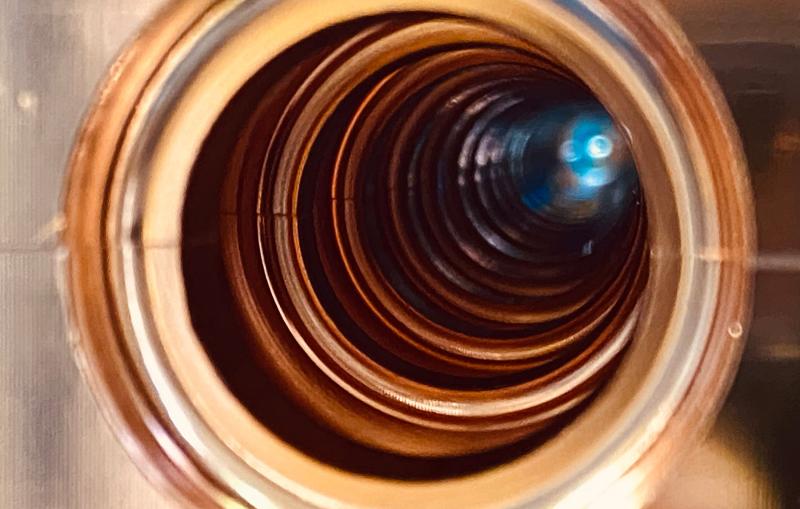
The future of experimental particle physics is exciting –  and energy intensive. SLAC physicists are thinking about how to make one proposal, the Cool...

The view down a copper tube.
News Brief

The American Physical Society recognized the SLAC and Stanford physicist for decades of groundbreaking work studying the strange behavior of electrons at the interfaces...

Photo - Harold Hwang
Feature

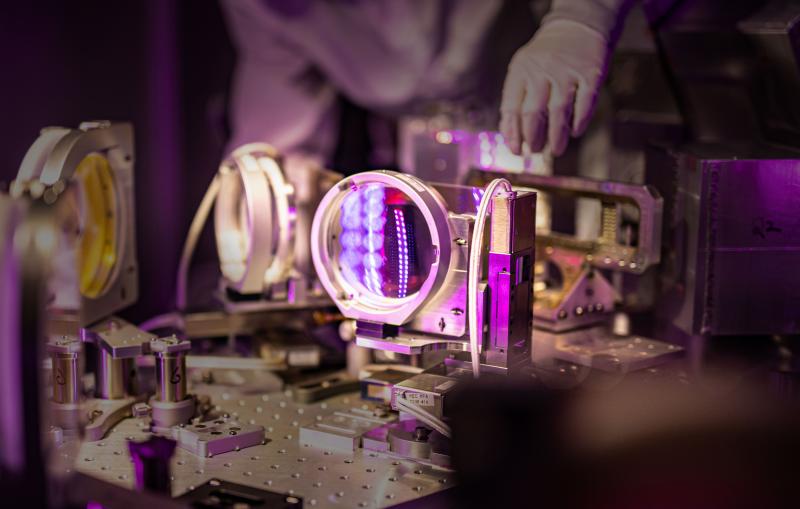
LaserNetUS funding will allow scientists to explore fundamental plasma science and inertial fusion energy research and technology.

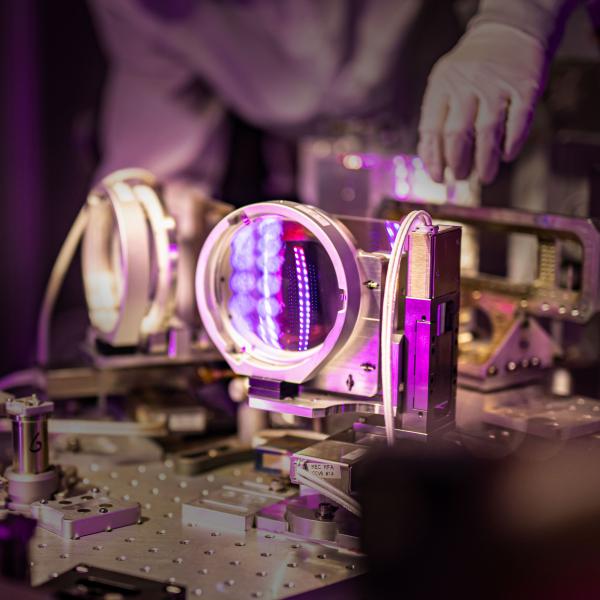
Matter in Extreme Conditions (MEC) Hutch 6, located in the LCLS Far Experimental Hall.
Feature

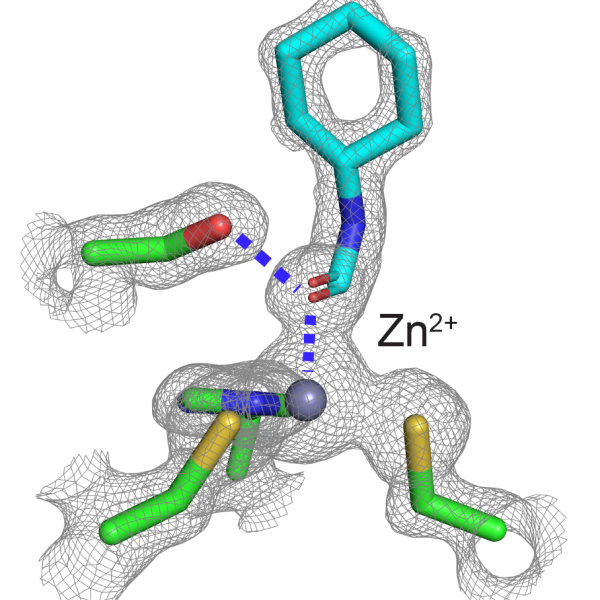
A   swap of metals and a mutation ramp up the electric field strength at the active site of an enzyme, making it  ...

Illustration of an enzyme modified to work 50 times faster
Feature

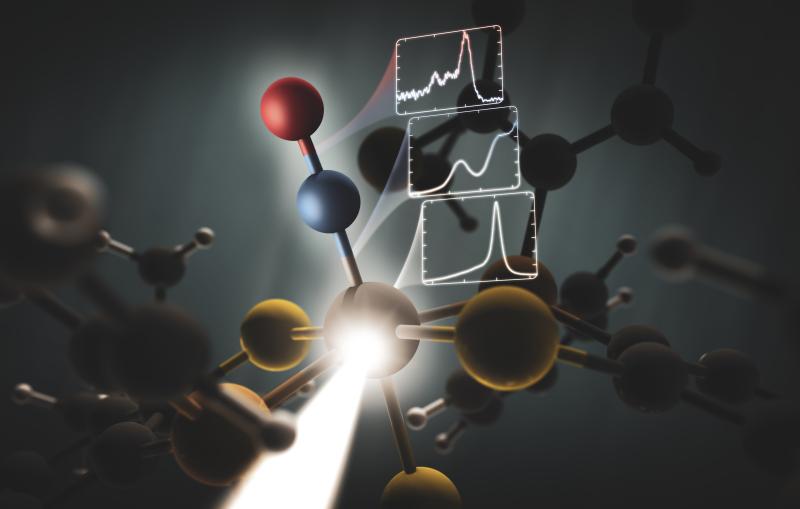
Developing a new, light-activated method to produce the molecule opens doors for future biomedical applications.

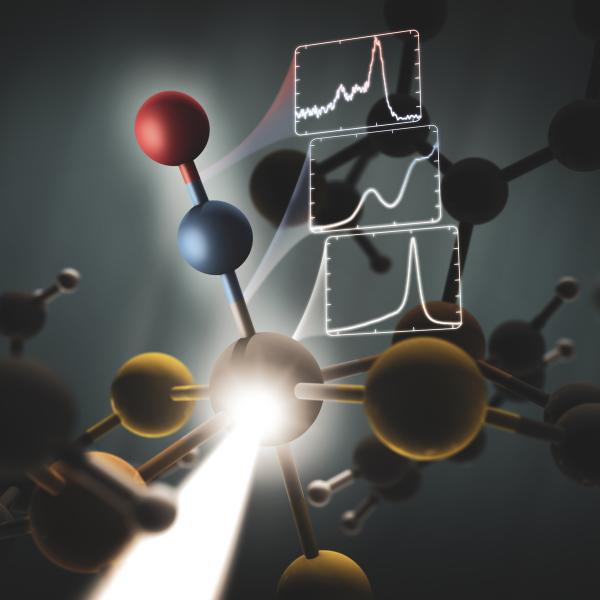
An illustration of an X-ray spectroscopy experiment.
Feature

New research has implications for understanding Earth's evolution, interpreting unusual seismic signals and the study of exoplanets.

Illustration of earth with laser
Feature

The award recognizes Driver’s contribution toward attosecond X-ray capabilities.

A portrait of Taran Driver.
Feature

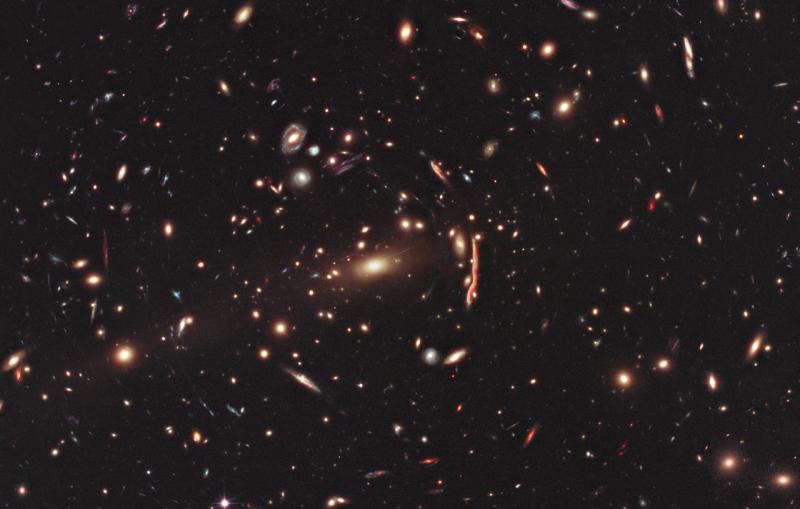
As the SLAC-Stanford institute celebrates its 20th anniversary, three Kavli Institute for Particle Astrophysics and Cosmology researchers share what they’re most excited for in...

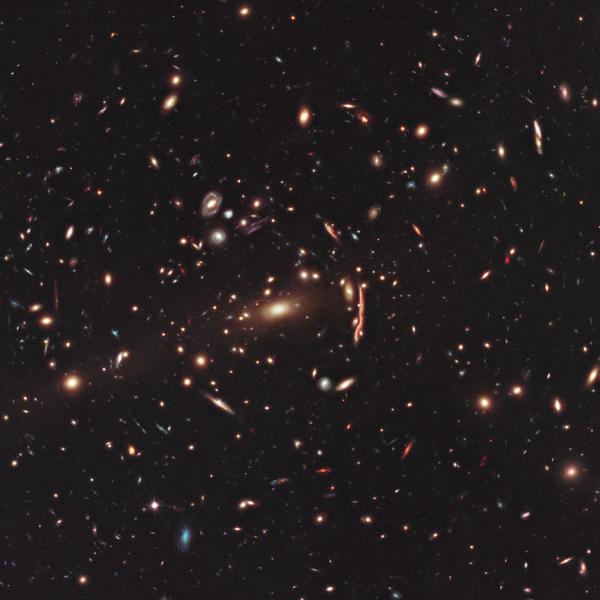
A cluster of bright galaxies on a black background.
Feature

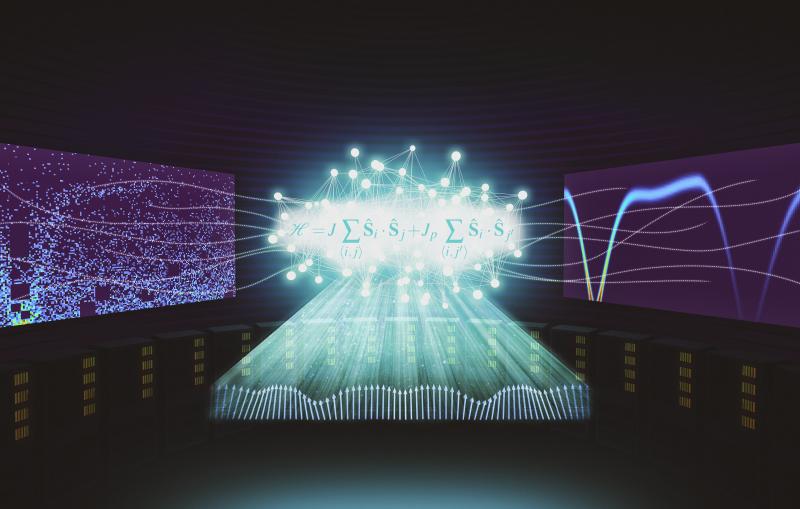
The research reveals the potential for machine learning in understanding the complex behavior of quantum materials.

machine learning
Feature

An international team has uncovered details about the formation of DNA's building blocks, paving the way  for potential medical and therapeutic applications.

radical