SLAC topics

Linac Coherent Light Source (LCLS) RSS feed

The Linac Coherent Light Source at SLAC, the world’s first hard X-ray free-electron laser, takes X-ray snapshots of atoms and molecules at work, revealing fundamental processes in materials, technology and living things.

Visit LCLS website

Browse tagged content

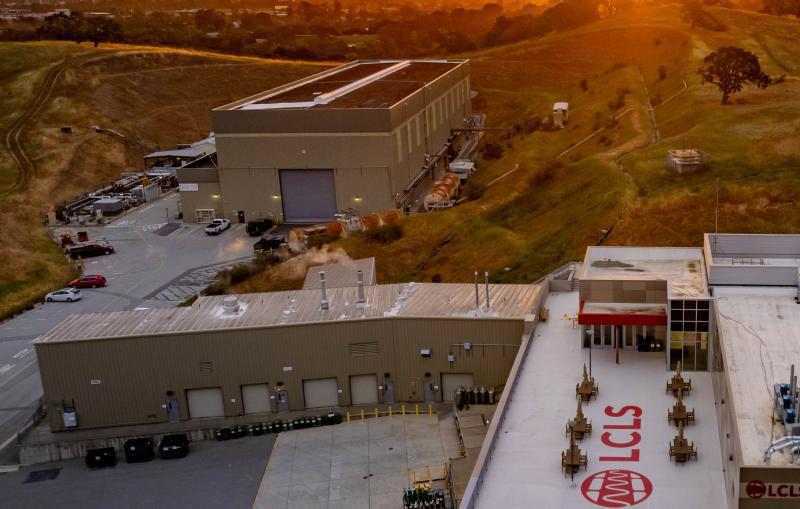
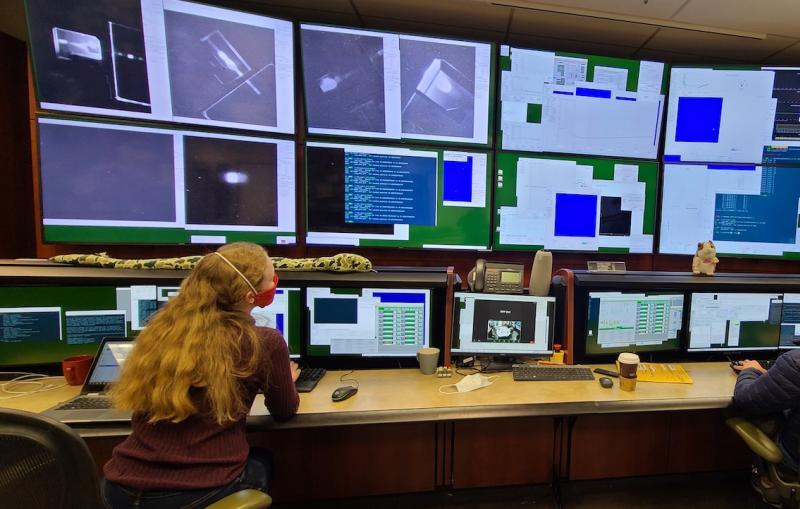
Rooftop view of Linac Coherent Light Source (LCLS)
Feature

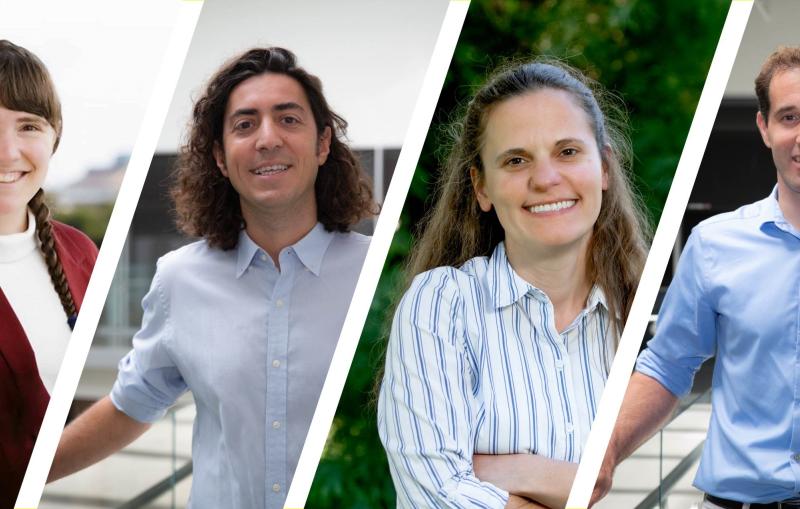
Leora Dresselhaus-Marais, Claudio Emma,  Bernhard Mistlberger and Johanna Nelson Weker will pursue cutting-edge research into decarbonizing steel production, theoretical physics, generating more intense particle...

This photo shows all four recipients from SLAC and Stanford of the DOE's 2023 Early Career Award
Feature

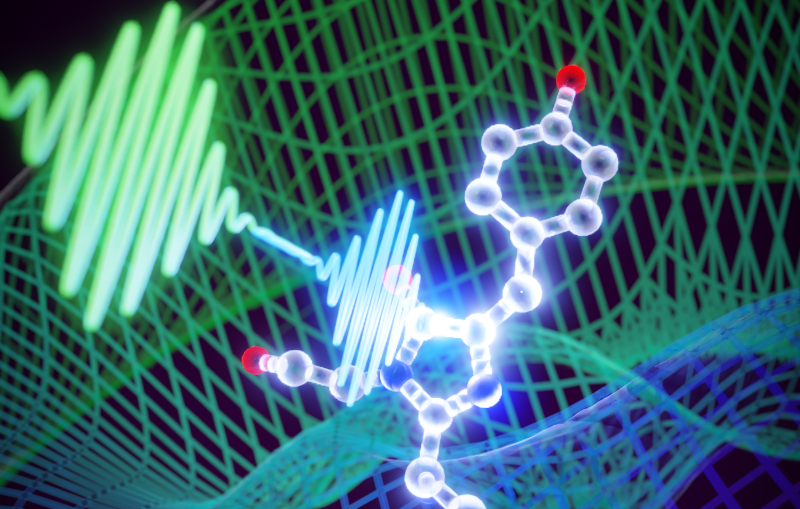
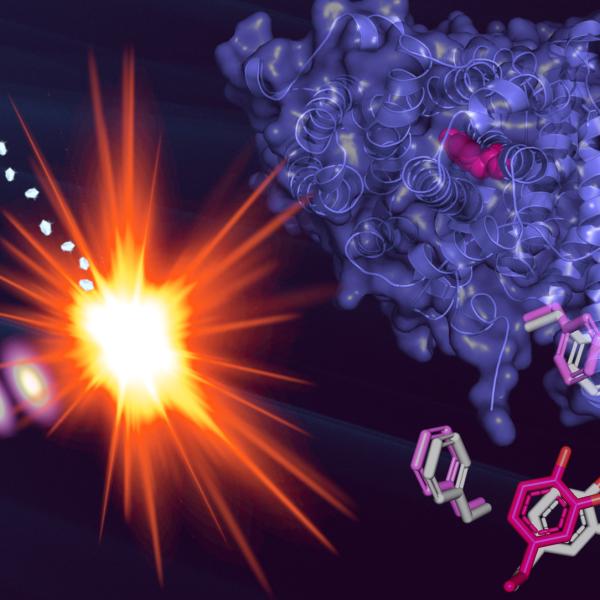
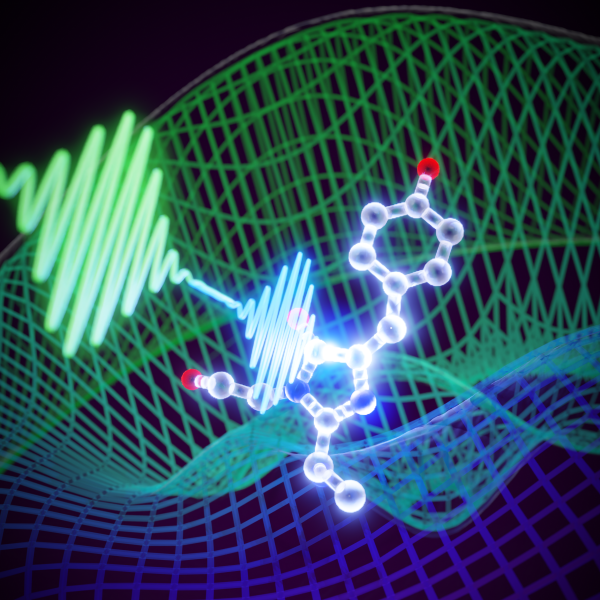
Bringing ultrafast physics to structural biology has revealed the coordinated dance of molecules in unprecedented clarity, which could aid in the design of new...

molecular control
News Release

After decades of effort, scientists have finally seen the process by which nature creates the oxygen we breathe using SLAC’s X-ray laser.

Photosystem II
News Release

New SLAC-Stanford Battery Center bridges the gaps between discovering, manufacturing and deploying innovative energy storage solutions. 

Illustration showing a battery researcher at left, a battery at center and a grid of battery applications at right.
Feature

Once built, the system could produce fast X-ray pulses ten times more powerful than ever before.

illustration of an electron beam traveling through a niobium cavity – a key component of SLAC’s future LCLS-II X-ray laser.
Feature

To invent a new tool for studying how chemicals react at interfaces, researchers shoot tiny jets of oil and water at each other and...

Rainbow colors in a sheet of layered liquids
Feature

The award celebrates Huang’s achievements studying atom-scale physics with fast X-ray pulses.

Yijing Huang at Stanford University
Feature

They saw how the material finds a path to contorting and flexing to avoid being irreversibly crushed.

MEC silicon
News Release

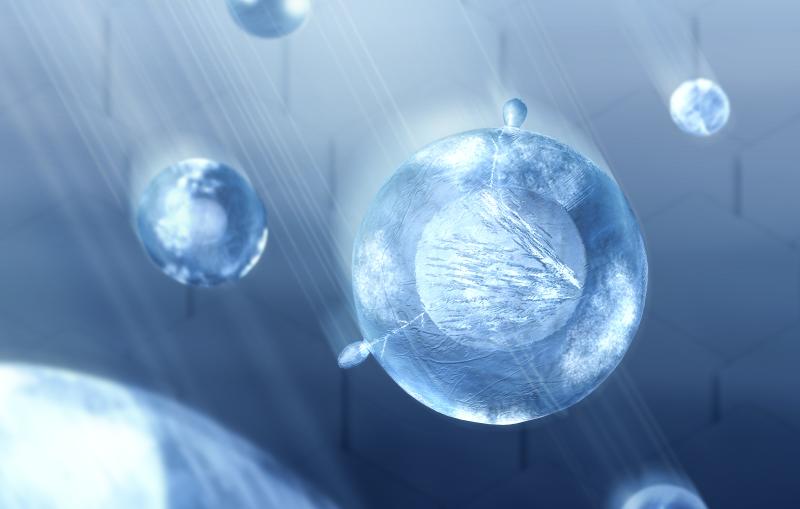
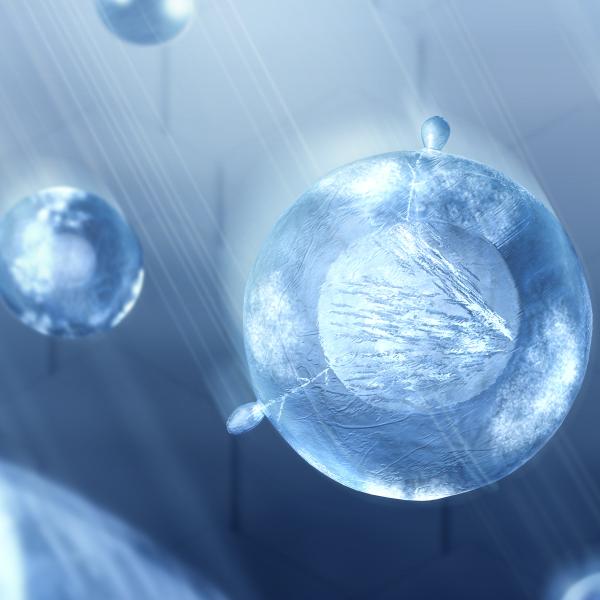
Studying a material that even more closely resembles the composition of ice giants, researchers found that oxygen boosts the formation of diamond rain.

Diamond rain formation
Feature

En route to record-breaking X-rays, SLAC’s Cryogenic team built a helium-refrigeration plant that lowers the LCLS-II accelerator to superconducting temperatures.

Images of frost and a thermometer superimposed over an aerial view of an accelerator building.
Feature

An extension of the Stanford Research Computing Facility will host several data centers to handle the unprecedented data streams that will be produced by...

SRCF-II
Feature

The Small Business Innovation Research Program brings government and private industry together to develop next-generation X-ray optics for LCLS-II.

A narrow two-mile long building stretches through trees and foothills.