

The Linac Coherent Light Source at SLAC, the world’s first hard X-ray free-electron laser, takes X-ray snapshots of atoms and molecules at work, revealing fundamental processes in materials, technology and living things.
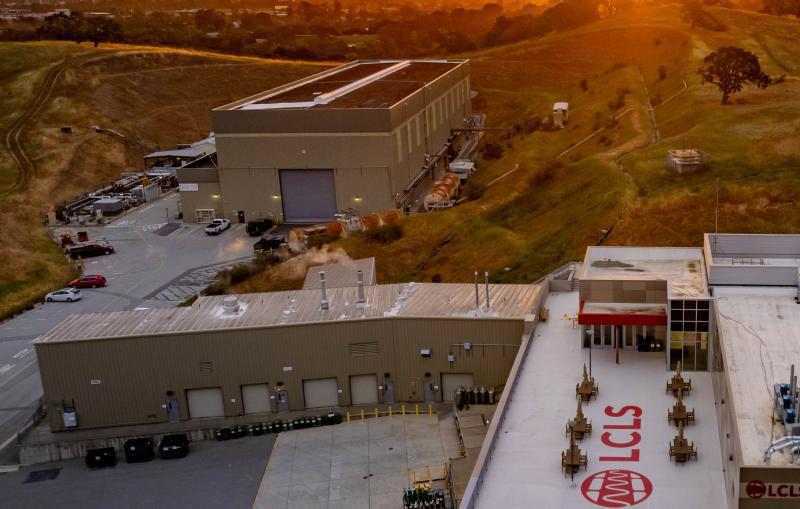
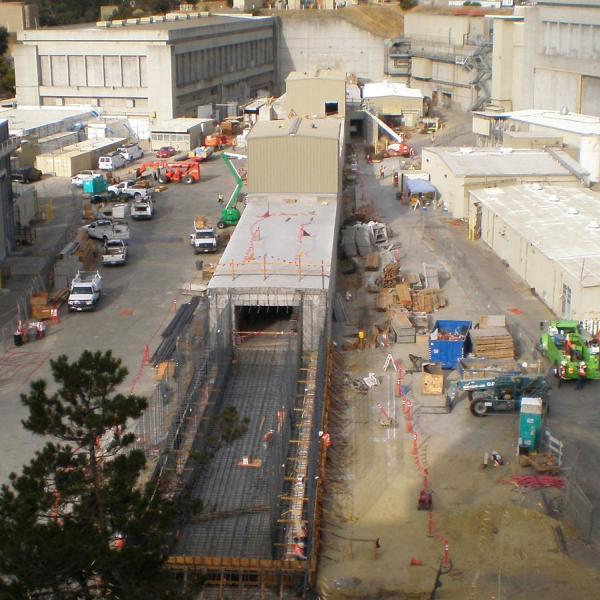
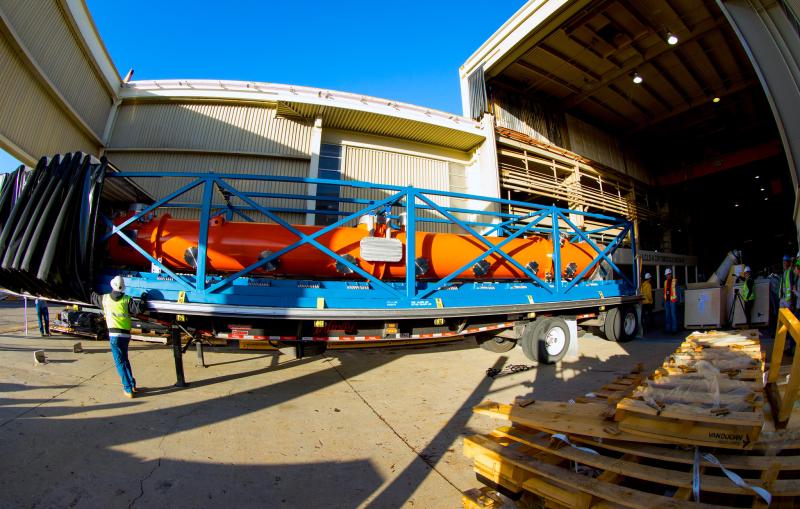
The cryogenic plant responsible for keeping LCLS-II’s superconducting linear accelerator at just a few degrees above absolute zero recently received its first warm helium...
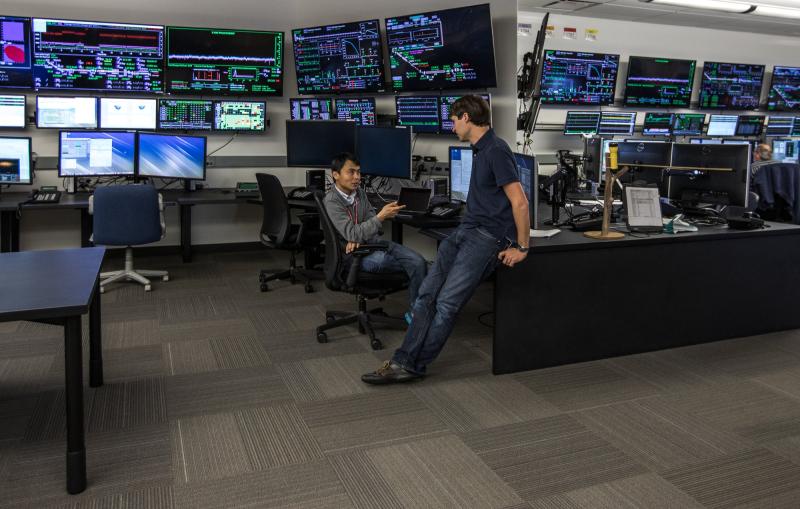
More than 100 students worked on projects ranging from website development to imaging techniques for X-ray studies, learning new ways to apply their talents.
With SLAC’s X-ray laser, a research team captured ultrafast changes in fluorescent proteins between “dark” and “light” states. The insights allowed the scientists to...
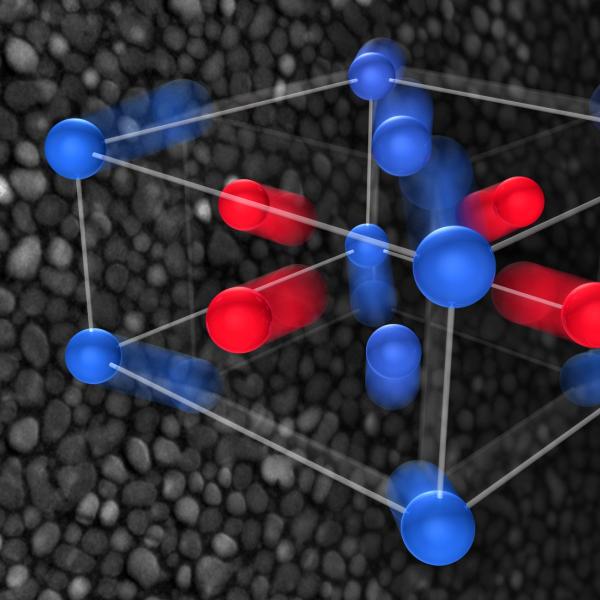
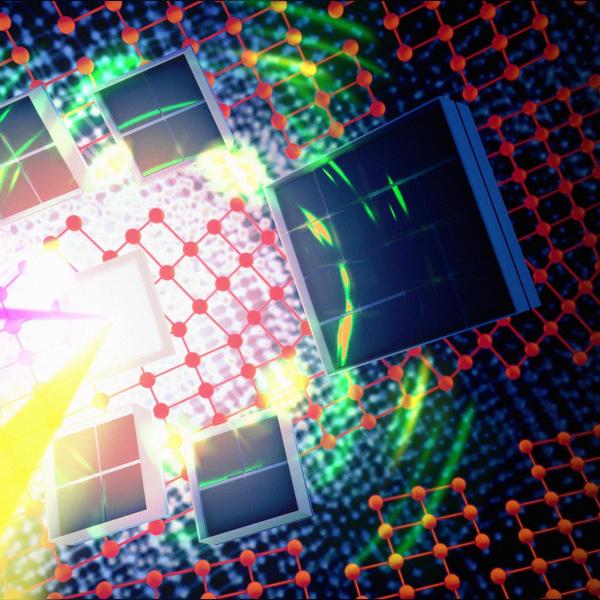
A new “two-bucket” method of delivering pairs of X-ray pulses gives a 1,000-fold improvement in seeing magnetic fluctuations that could lead to improved data...
SLAC’s X-ray laser and Matter in Extreme Conditions instrument allow researchers to examine the exotic precipitation in real time as it materializes in the...
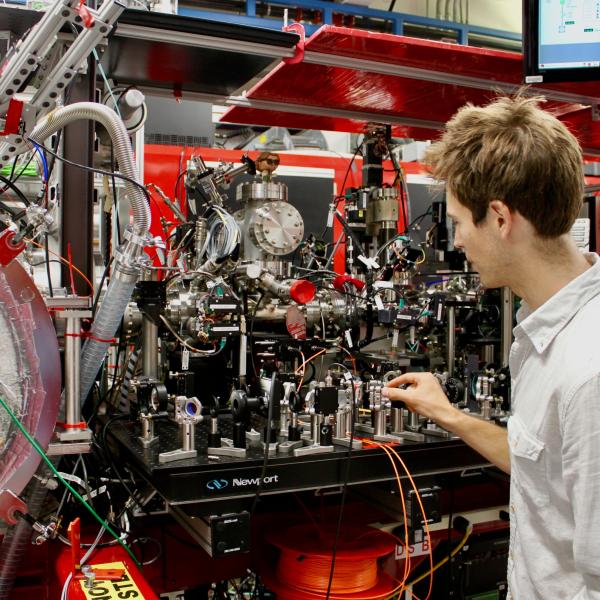
Tripling the energy and refining the shape of optical laser pulses at LCLS’s Matter in Extreme Conditions instrument allows researchers to recreate higher-pressure conditions...
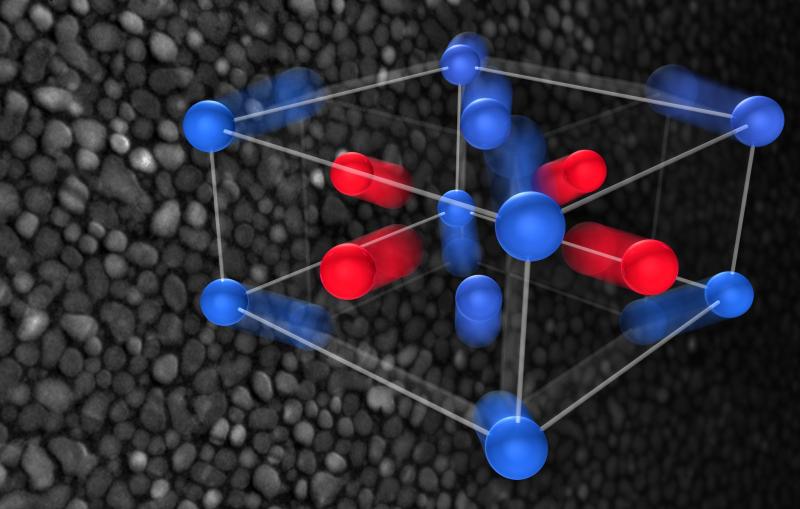
A new way to observe this deformation as it happens can help study a wide range of phenomena, from meteor impacts to high-performance ceramics used in armor, as well as how to protect spacecraft from high-speed dust impacts.
The cryogenic plant responsible for keeping LCLS-II’s superconducting linear accelerator at just a few degrees above absolute zero recently received its first warm helium compressors.
More than 100 students worked on projects ranging from website development to imaging techniques for X-ray studies, learning new ways to apply their talents.
With SLAC’s X-ray laser, a research team captured ultrafast changes in fluorescent proteins between “dark” and “light” states. The insights allowed the scientists to design improved markers for biological imaging.
A new “two-bucket” method of delivering pairs of X-ray pulses gives a 1,000-fold improvement in seeing magnetic fluctuations that could lead to improved data storage materials.
SLAC’s X-ray laser and Matter in Extreme Conditions instrument allow researchers to examine the exotic precipitation in real time as it materializes in the laboratory.
Tripling the energy and refining the shape of optical laser pulses at LCLS’s Matter in Extreme Conditions instrument allows researchers to recreate higher-pressure conditions and explore unsolved questions relevant to fusion energy, plasma physics and materials science.