SLAC topics

Linac Coherent Light Source (LCLS) RSS feed

The Linac Coherent Light Source at SLAC, the world’s first hard X-ray free-electron laser, takes X-ray snapshots of atoms and molecules at work, revealing fundamental processes in materials, technology and living things.

Visit LCLS website

Browse tagged content

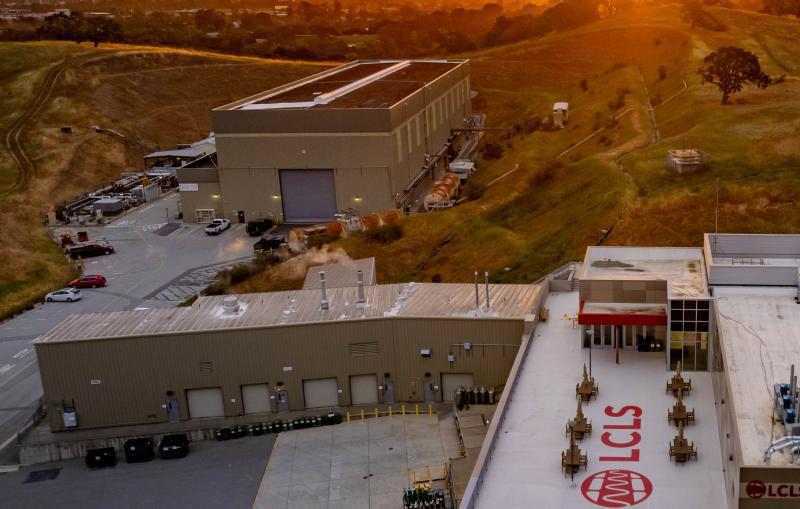
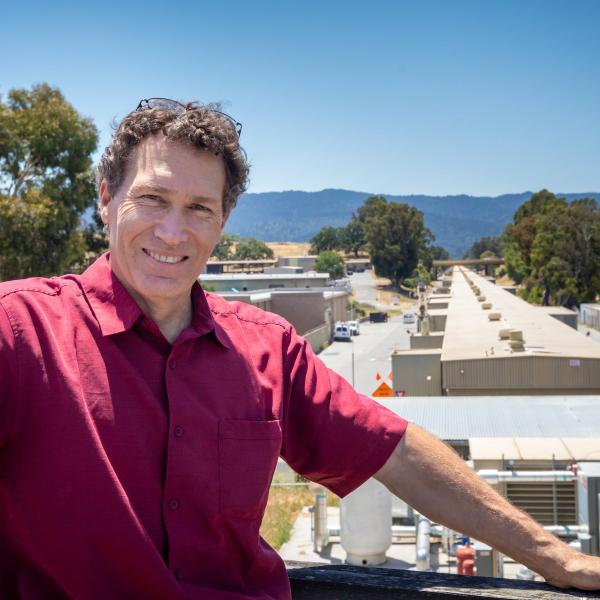
Rooftop view of Linac Coherent Light Source (LCLS)
Feature

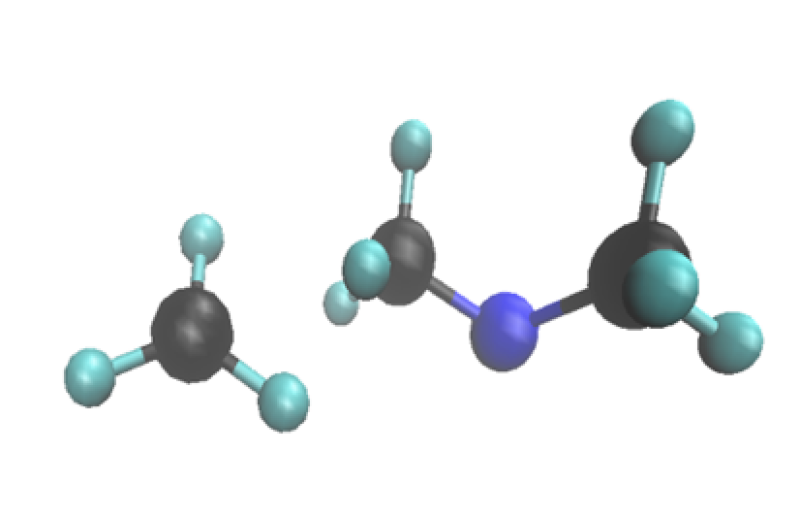
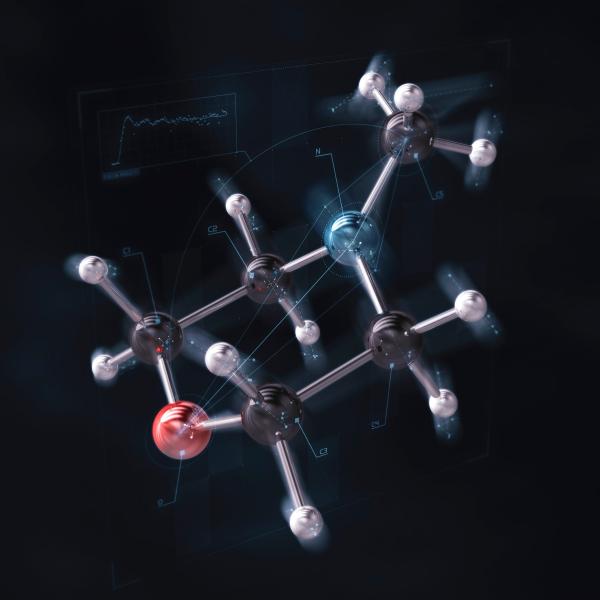
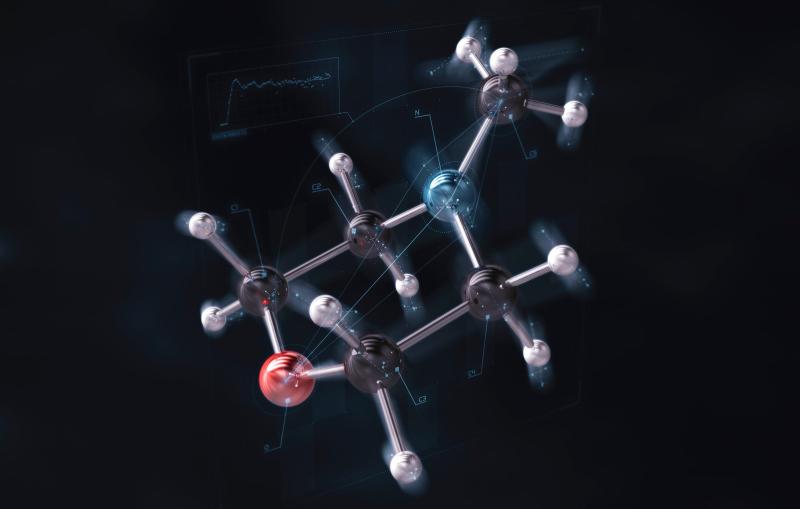
A new method could be used to look at chemical reactions that other techniques can’t catch, for instance in catalysis, photovoltaics, peptide and combustion...

molecule
Feature

More than 300 gathered for a day-long symposium to celebrate the history and future of the pioneering X-ray laser.

group photo from LCLS 10-year anniversary symposium
Feature

In SLAC’s accelerator control room, shift lead Ben Ripman and a team of operators fine-tune X-ray beams for science experiments around the clock.

Ben Ripman in SLAC's accelerator control room.
News Release

First direct look at how atoms move when a ring-shaped molecule breaks apart could boost our understanding of fundamental processes of life.

Molecular Movie in HD Art
Feature

In the decade since LCLS produced its first light, it has pushed boundaries in countless areas of discovery.

Undulator Hall
Feature

He helped lay the groundwork for SLAC’s LCLS X-ray laser and for the institute, which was founded to explore the science LCLS would enable.

David Reis headshot
Feature

SLAC researchers say their new method could make it easier to study interactions of ultrabright X-rays with matter

Ghost imaging illustration
Feature

Researchers used a unique approach to learn more about what happens to silicon under intense pressure.

silicon waves
Feature

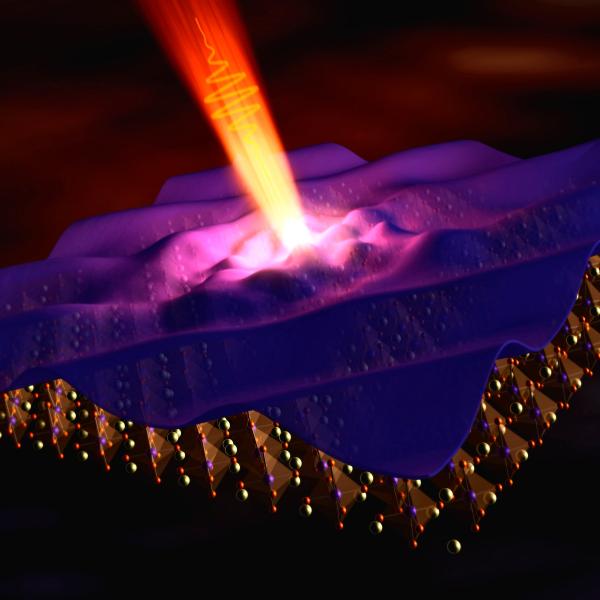
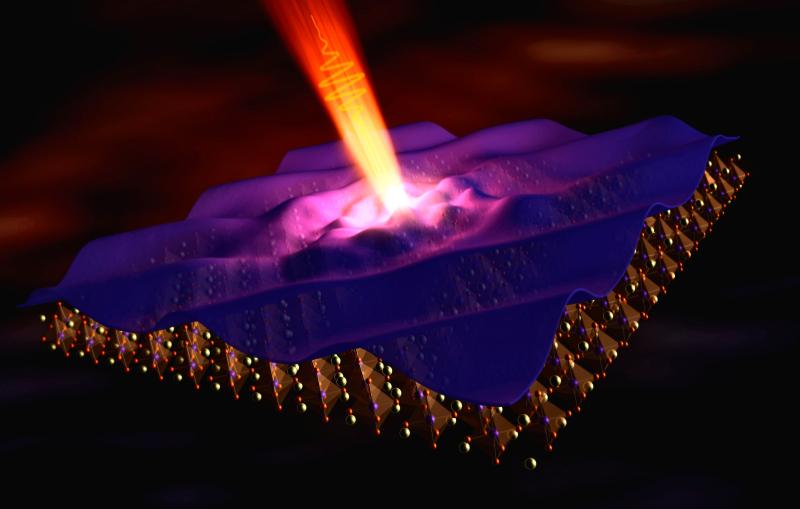
X-ray laser snapshots give scientists a new tool for probing trillionths-of-a-second atomic motions in 2-D materials

Experimental station at SLAC's LCLS X-ray laser where the study was done
Past Event
Join us for the inaugural SLAC on Tap event at The Patio in Palo Alto. SLAC scientist Alan Fry will chat about lasers not...
Logo
Feature

SLAC Director Chi-Chang Kao spoke to the Stanford University Faculty Senate at its Feb. 21 meeting.

Chi-Chang Kao at Stanford Faculty Senate meeting
Feature

A better understanding of these systems will aid in developing next-generation energy technologies.

synchronized molecules