
SLAC topics

Linac Coherent Light Source (LCLS) RSS feed

The Linac Coherent Light Source at SLAC, the world’s first hard X-ray free-electron laser, takes X-ray snapshots of atoms and molecules at work, revealing fundamental processes in materials, technology and living things.
Visit LCLS website

Browse tagged content

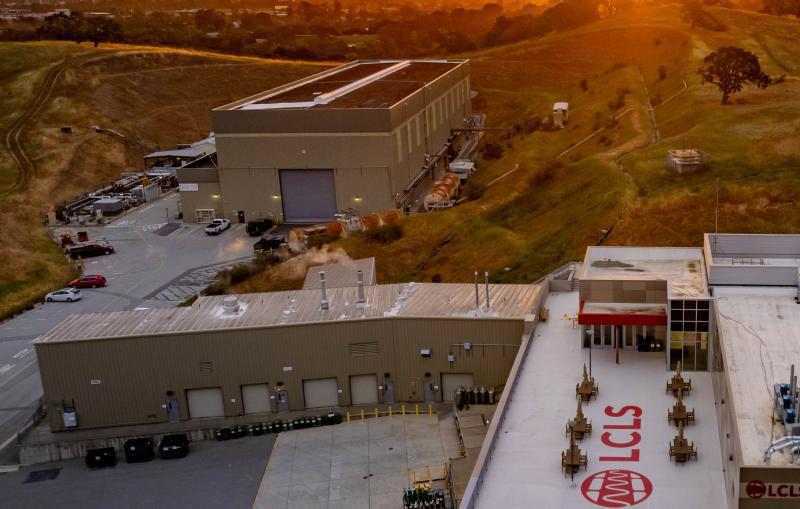
Rooftop view of Linac Coherent Light Source (LCLS)
Feature

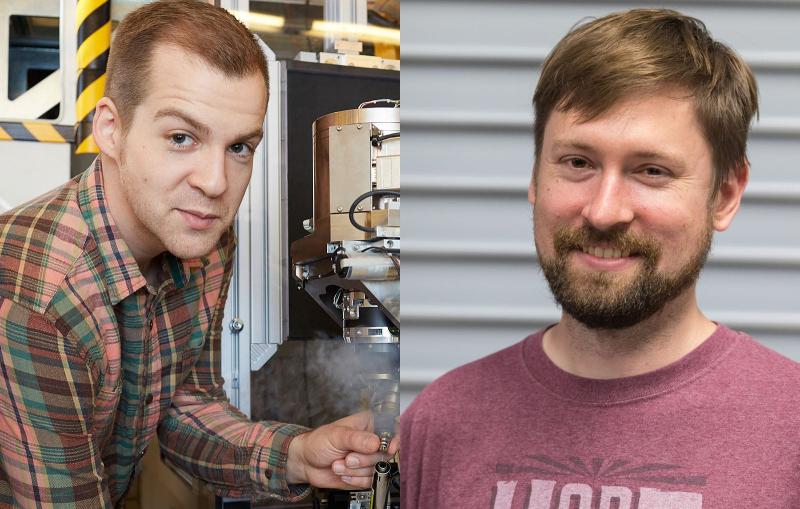
Zeeshan Ahmed, Frederico Fiuza and Emilio Nanni will each receive about $2.5 million over five years to pursue cutting-edge research into cosmic inflation, plasma...

SLAC's 2017 DOE Early Career Award winners
Feature

Over the next five years they’ll work on getting significantly more information about how catalysts work and improving biological imaging methods.

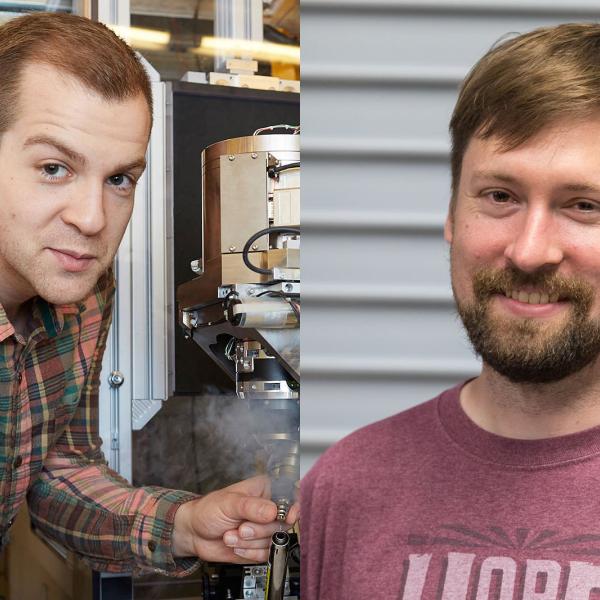
Cornelius Gati and Franklin Fuller, the 2017 Panofsky fellows at SLAC
Feature

A flash of green laser followed by pulses of X-rays, and mere nanoseconds later an extraterrestrial form of ice has formed.

Feature

The research team was able to watch energy from light flow through atomic ripples in a molecule. Such insights may provide new ways to...

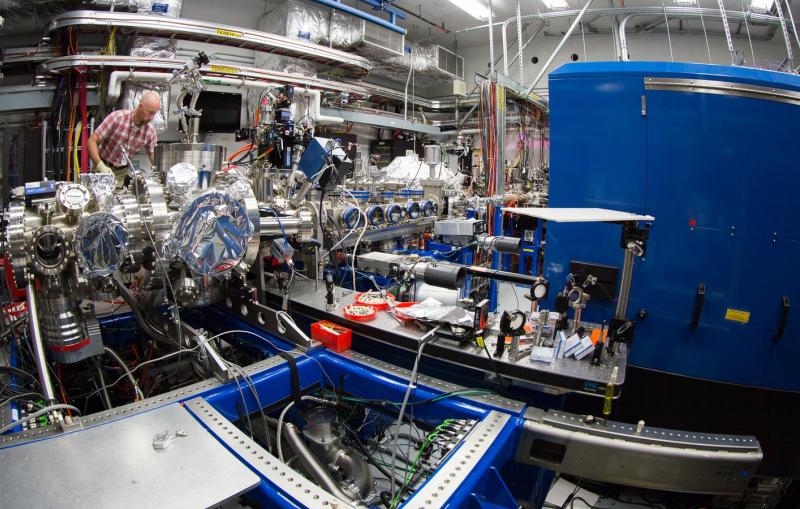
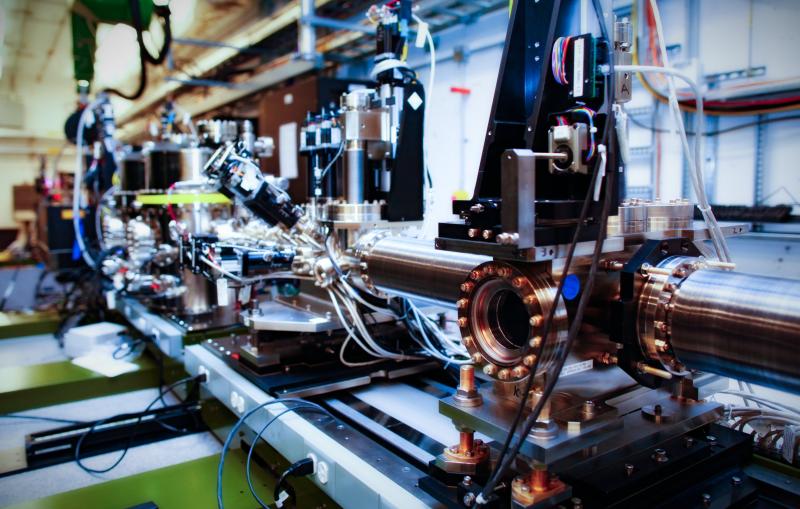
View of the The X-ray Pump Probe instrument at SLAC’s Linac Coherent Light Source.
News Release

Extraordinarily precise measurements -- within millionths of a billionth of a second and a billionth of a hair's breadth -- show this ‘electron-phonon coupling’...

Illustration of a laser beam triggering atomic vibrations in iron selenide
Feature

A makeover of the historic Beam Switch Yard prepares the lab for the installation of the LCLS X-ray laser upgrade.

photo of BSY - see caption
Feature

A new X-ray laser technique allows scientists to home in on these single-electron triggers to better understand organic molecules that respond to light, including...

Thymine
Feature

With SLAC’s X-ray laser and synchrotron, scientists measured exactly how much energy goes into keeping this crucial bond from triggering a cell's death spiral.

An optical laser (green) excites the iron-containing active site of the protein cytochrome c, and then an X-ray laser (white) probes the iron.
Feature

The method dramatically reduces the amount of virus material required and allows scientists to get results several times faster.

Surface structure of the bovine enterovirus 2
News Release

When scientists at the Department of Energy’s SLAC National Accelerator Laboratory focused the full intensity of the world’s most powerful X-ray l

molecular black hole
Feature

Paul Fuoss, the new head of experimental design at LCLS, aims to make experiments at light sources here and around the world more productive...

Feature

Researchers at SLAC are already looking at the largely unexplored realm of attosecond science.