
SLAC topics

Linac Coherent Light Source (LCLS) RSS feed

The Linac Coherent Light Source at SLAC, the world’s first hard X-ray free-electron laser, takes X-ray snapshots of atoms and molecules at work, revealing fundamental processes in materials, technology and living things.

Visit LCLS website

Browse tagged content

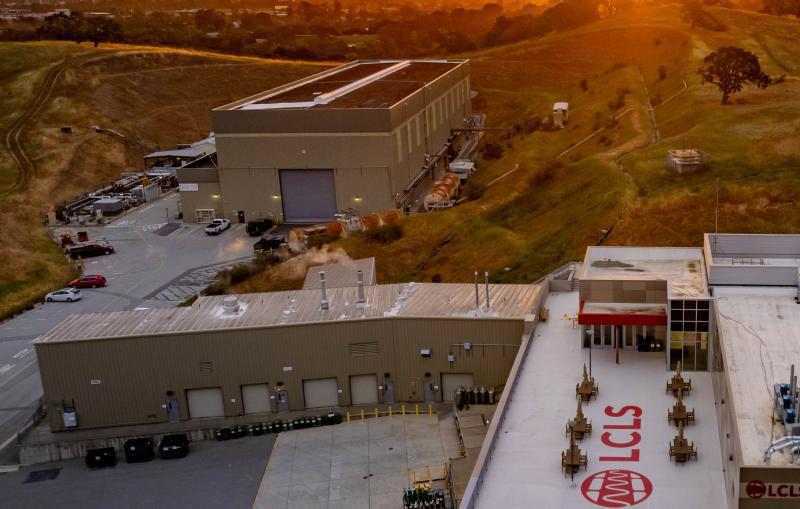
Rooftop view of Linac Coherent Light Source (LCLS)
Video
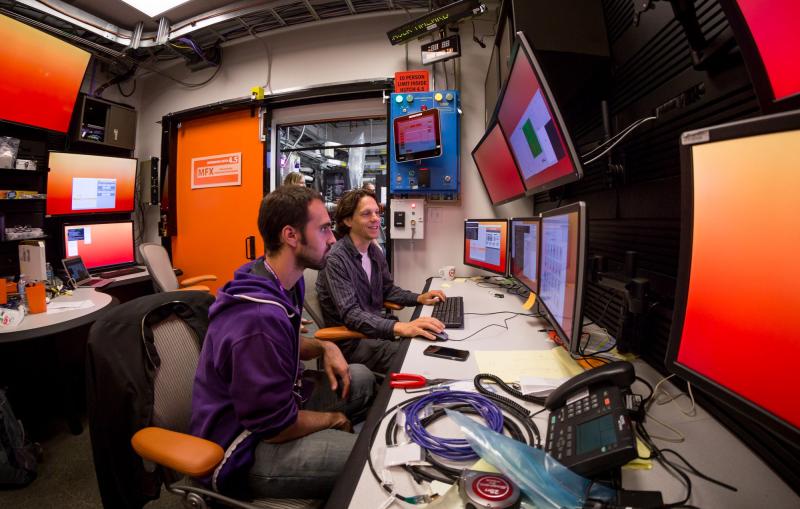
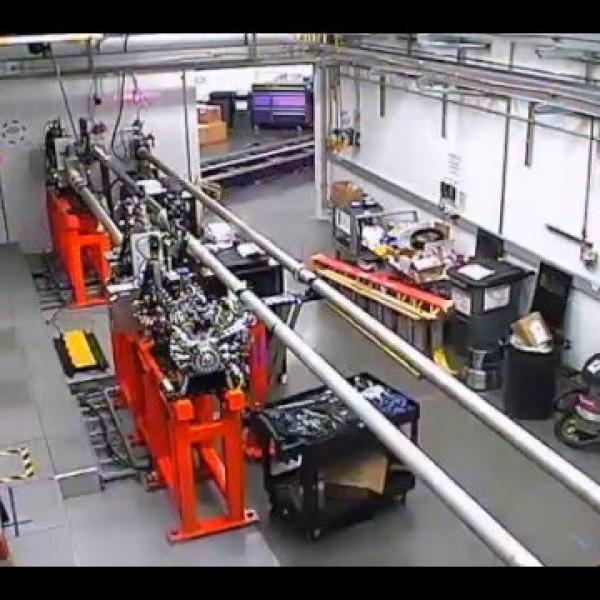
Time-lapse video of MFX construction from July 2015 to January 2016.
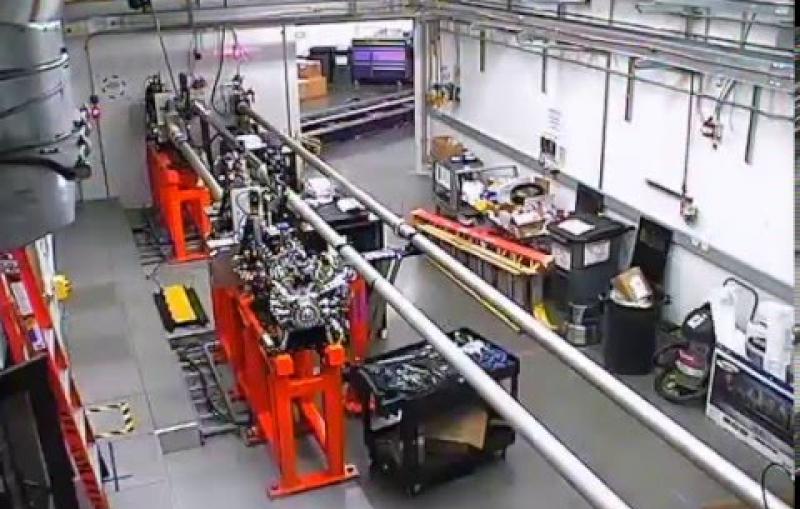
LCLS MFX Construction Timelapse
Video
Feature

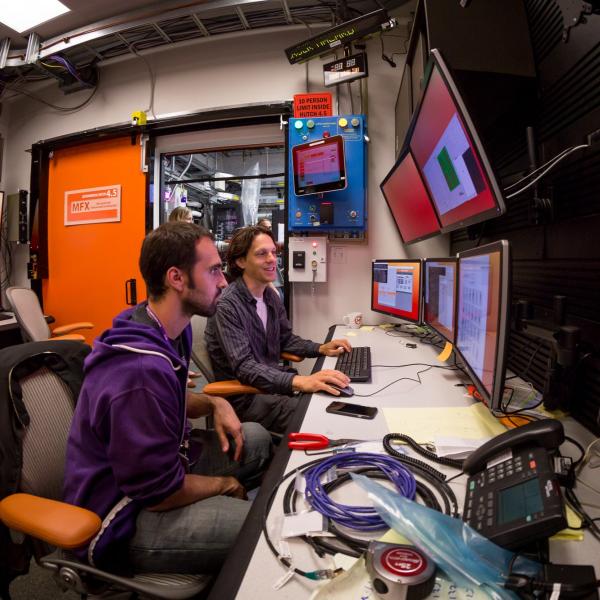
The new MFX station expands the X-ray laser’s capability and flexibility for biological studies, which are increasingly in demand at SLAC's Linac Coherent Light...

Feature

Four Stanford students receive funding for work on novel accelerators and beams for SLAC's X-ray laser.

Animation

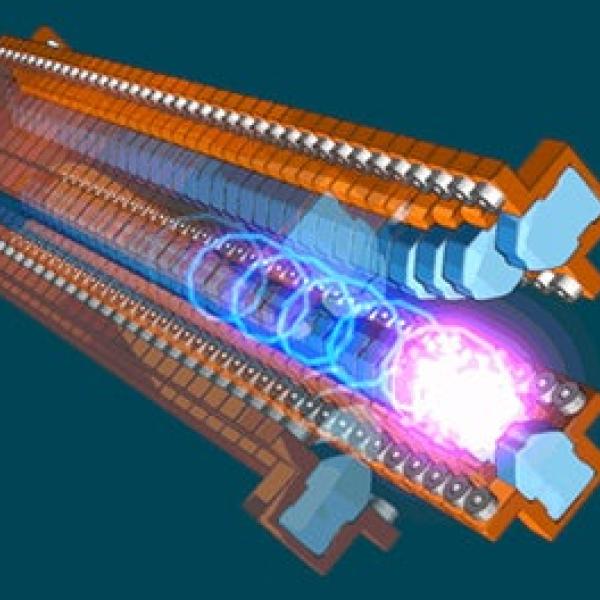
The side-to-side motion of electrons in a beam can be circular, elliptical, or linear, depending on the position of the Delta undulator's magnet rows...
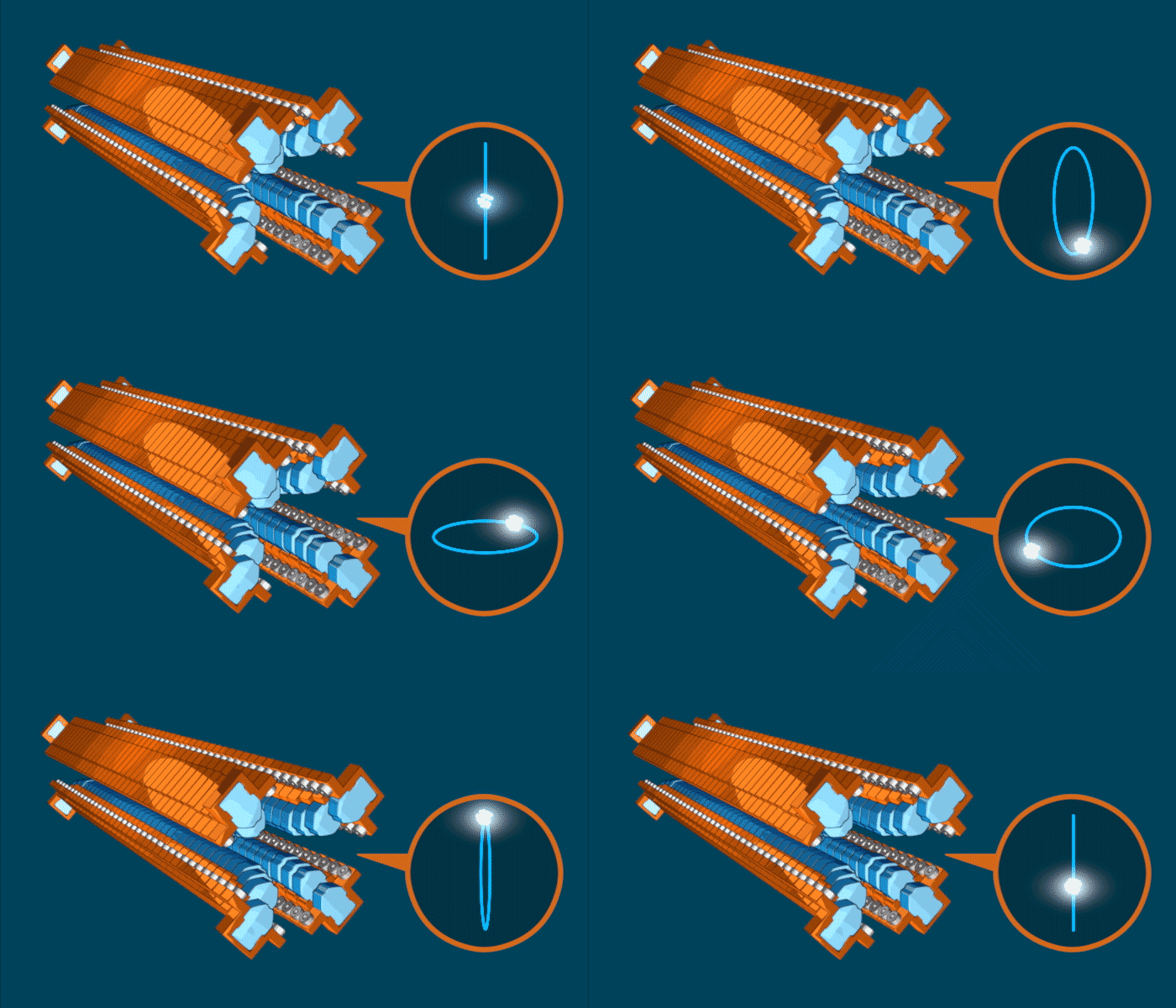
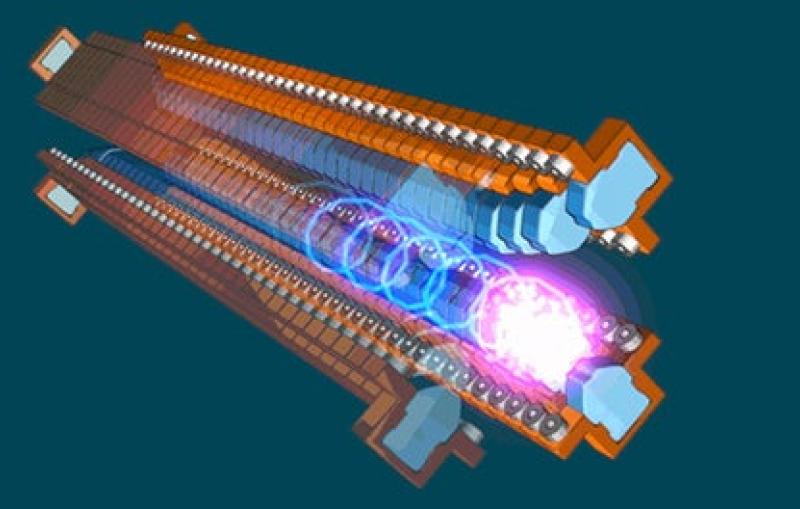
A graphic of the Delta undulator showing circular, elliptical and linear polarization of light.
Feature

A new device at the Department of Energy’s SLAC National Accelerator Laboratory allows researchers to explore the properties and dynamics of molecules with circularly...

Electrons spiral through the Delta undulator.
Feature

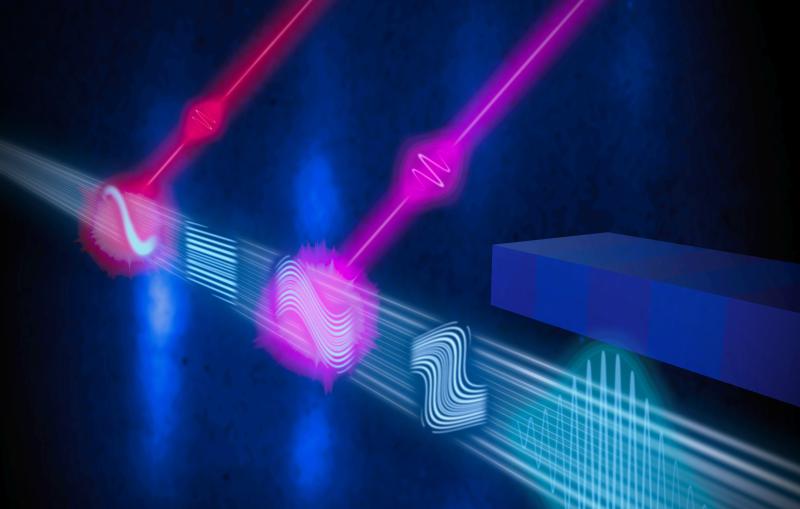
Manipulating electron beams of X-ray lasers with regular laser light could potentially open up new scientific avenues.

Beam of electrons illustration.
Feature

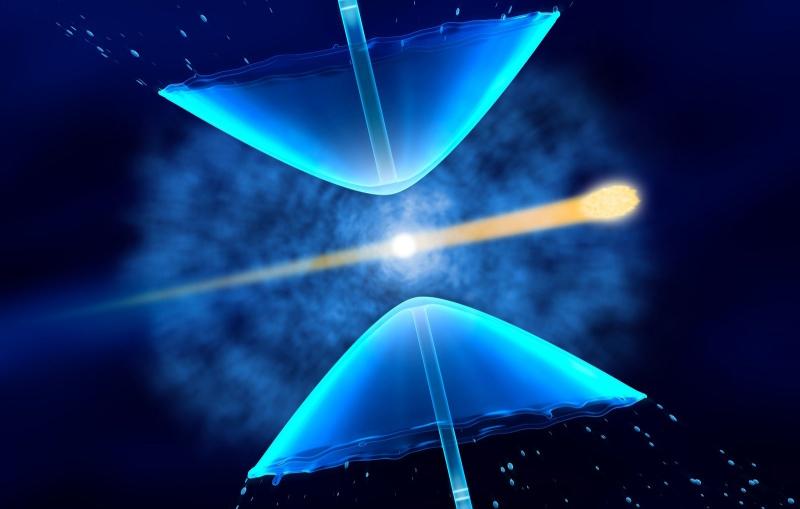
Taken at SLAC, microscopic footage of exploding liquids will give researchers more control over experiments at X-ray lasers.

News Release

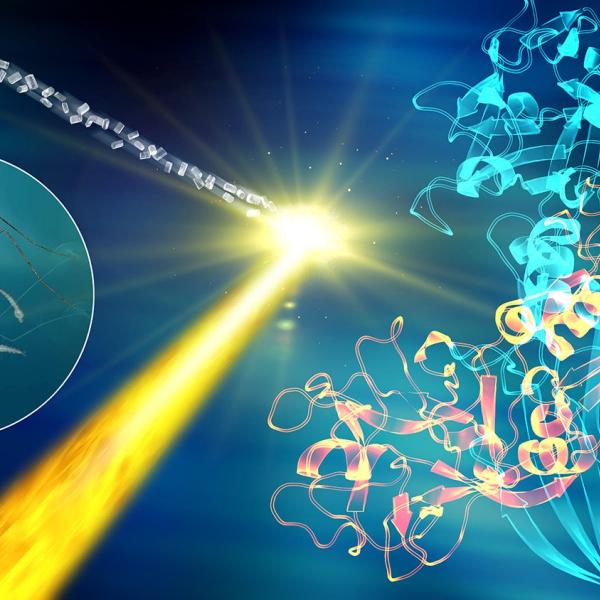
High-speed X-ray camera reveals ultrafast atomic motions at the root of organisms’ ability to turn light into biological function.

a protein from photosynthetic bacteria
Feature

The lab’s signature particle highway prepares to enter another era of transformative science as the home of the LCLS-II X-ray laser.

SLAC linear accelerator building at sunset
Feature

Using data from the world’s most powerful X-ray laser at the Department of Energy's SLAC National Accelerator Laboratory, an international team of scientists has...

Feature

The Macromolecular Structure Knowledge Center can help researchers who lack equipment for testing hundreds of different crystallization conditions or expertise in working with challenging...

Feature

Computer simulations and lab experiments help researchers understand the violent universe and could potentially lead to new technologies that benefit humankind.

Researchers use X-rays to study some of the most extreme and exotic forms of matter ever created, in detail never before possible.