SLAC topics

Laboratory directed R&D RSS feed

See content related to laboratory directed R&D here below.

Browse tagged content

News Brief

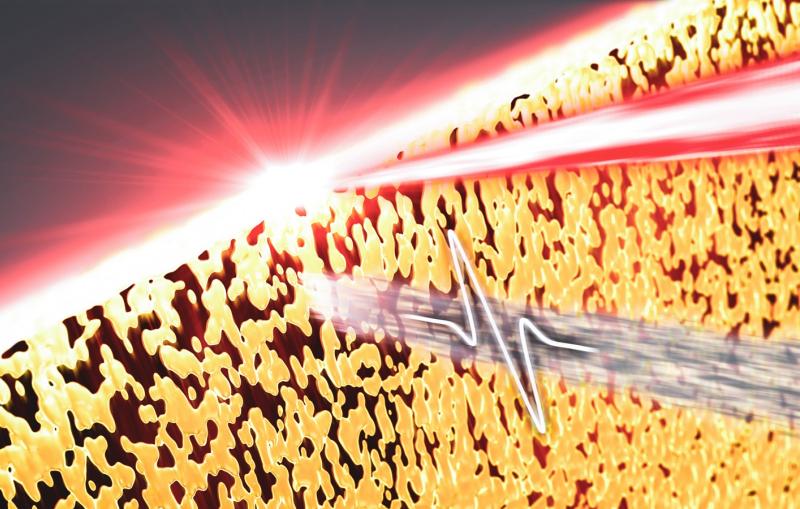
With a new method that could be extended to study Earth’s core and nuclear fusion, they identify and explain jumps in the electrical conductivity...

Illustration of a short laser pulse heating a sheet of aluminum, causing it to melt and break up into droplets.
News Brief

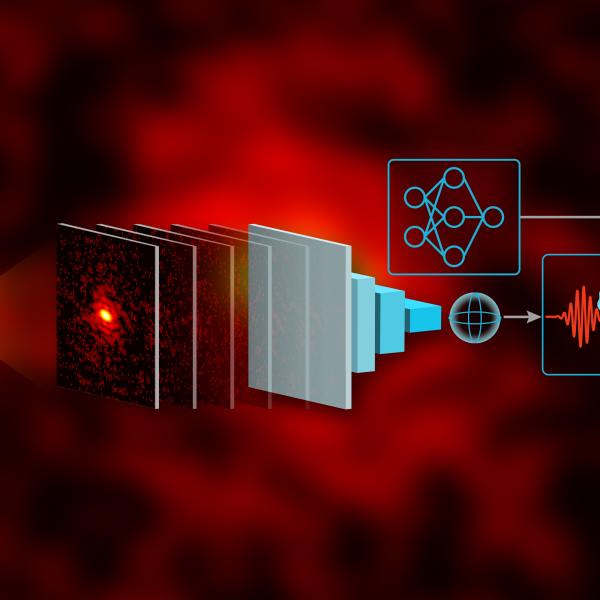
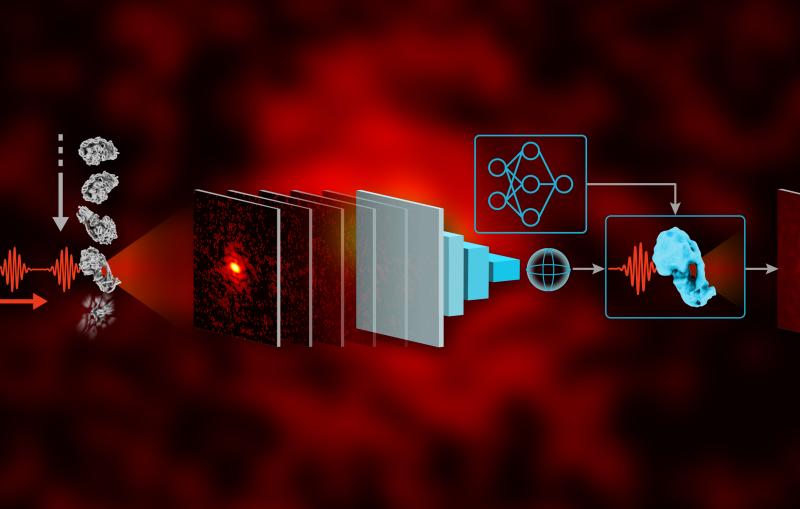
A new machine learning algorithm rapidly reconstructs 3D images from X-ray data. 

Schematic of a machine learning algorithm that reconstructs 3D images from X-ray data

The Laboratory Directed Research and Development (LDRD) Program is a vital source of internally directed funding at SLAC.

LDRD open house poster session
Illustration

Scientists use a series of magnets to transform an electron bunch into a narrow current spike which then produces a very intense attosecond X-ray...


XLEAP illustration
Feature

A laser compressing an aluminum crystal provides a clearer view of a material’s plastic deformation, potentially leading to the design of stronger nuclear fusion...

an abstract illustration of rippling waves made of shining dots
Feature

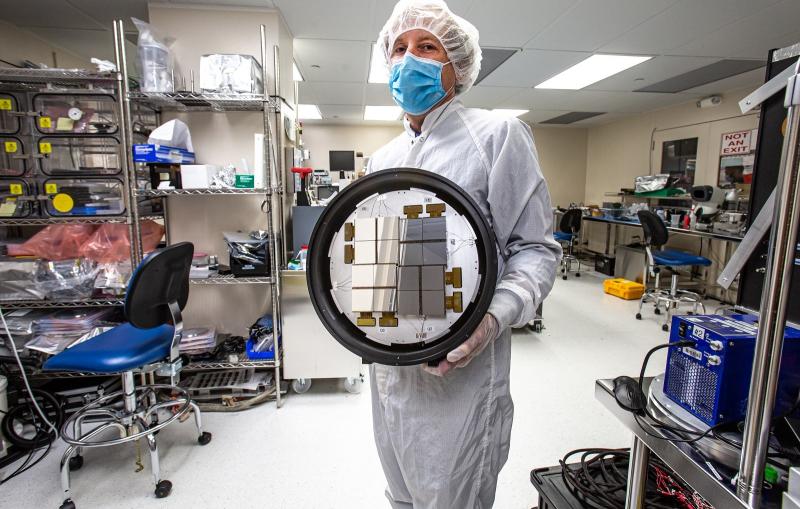
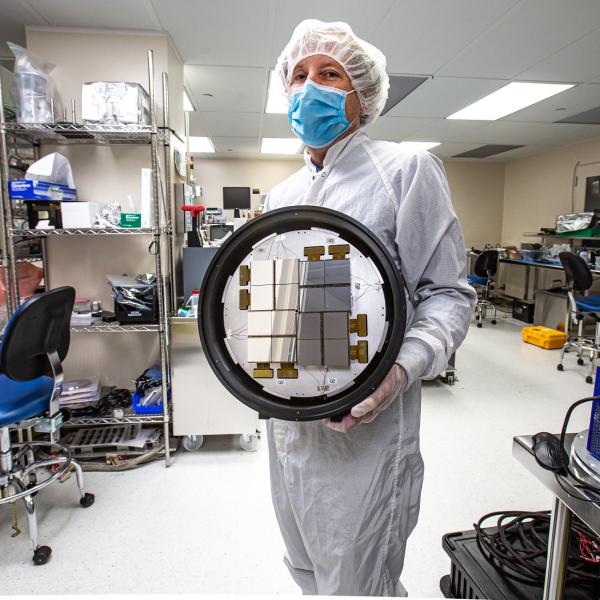
The ePix series of detectors is designed to keep pace with ever more demanding experiments at SLAC and elsewhere.

SLAC’s Chris Kenney holds a 16-module
Feature

Teaching machine learning the basics of accelerator physics is particularly useful in situations where actual data don’t exist.

SSRL
News Brief

It can help operators optimize the performance of X-ray lasers, electron microscopes, medical accelerators and other devices that depend on high-quality beams.

Artistic representation of a neural network superimposed on an electron beam profile
Feature

It combines human knowledge and expertise with the speed and efficiency of “smart” computer algorithms.

Accelerator Control Room
News Brief

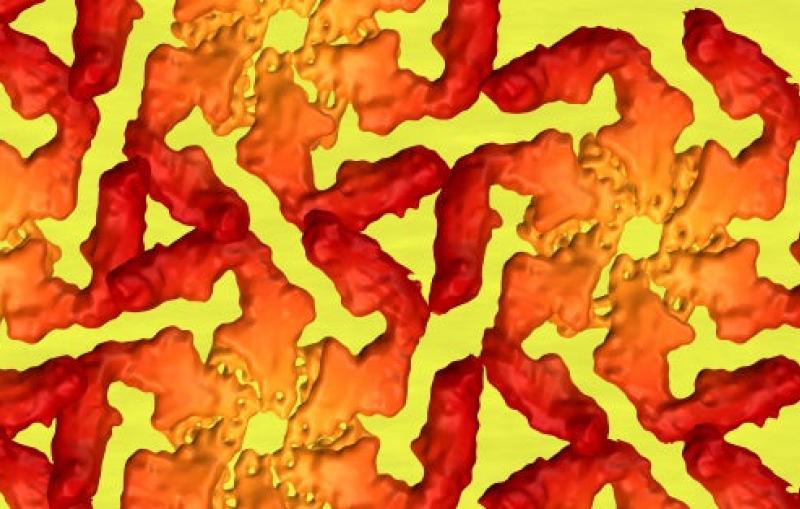
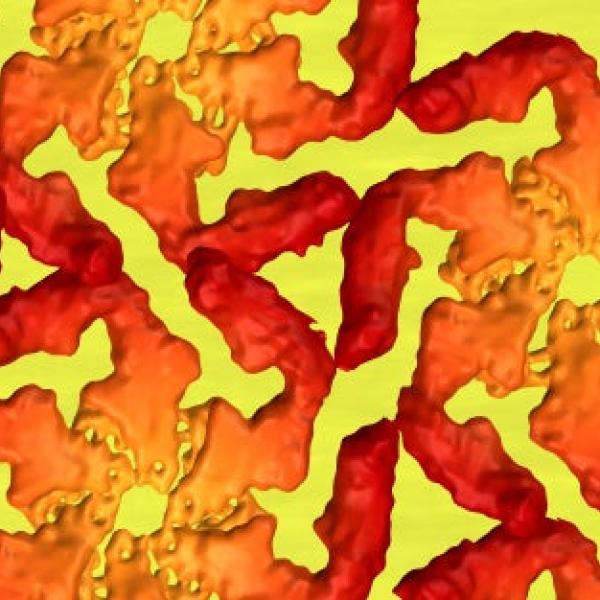
A new understanding of the nucleation process could shed light on how the shells help microbes interact with their environments, and help people design...

Illustration of tiles forming a microbial shell
News Release

Called XLEAP, the new method will provide sharp views of electrons in chemical processes that take place in billionths of a billionth of a...

XLEAP illustration.
Feature

A close-up look at how microbes build their crystalline shells has implications for understanding how cell structures form, preventing disease and developing nanotechnology.

Image of microbe showing areas where its crystalline shell is growing