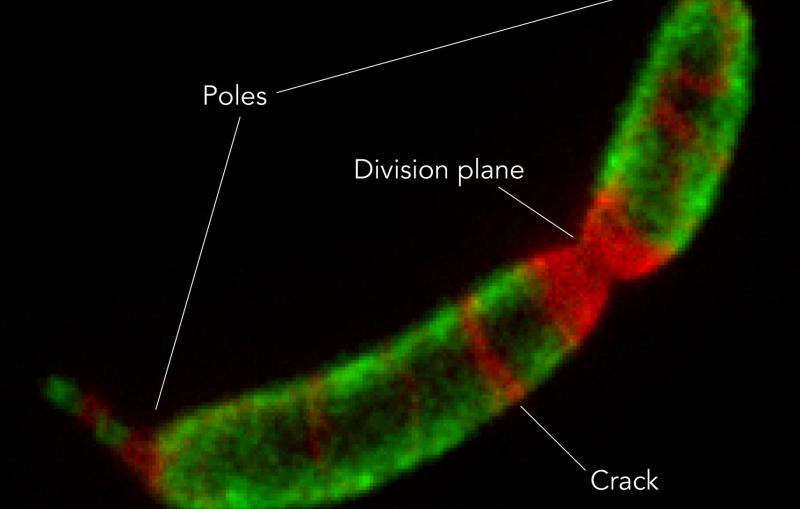
A close-up look at how microbes build their crystalline shells has implications for understanding how cell structures form, preventing disease and developing nanotechnology.
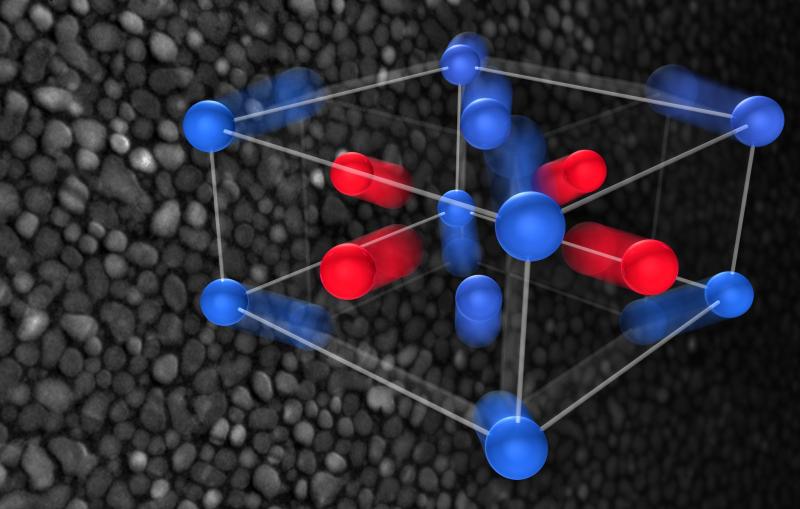
Combining X-ray and electron data from two cutting-edge SLAC instruments, researchers make the first observation of the rapid atomic response of iron-platinum nanoparticles to...
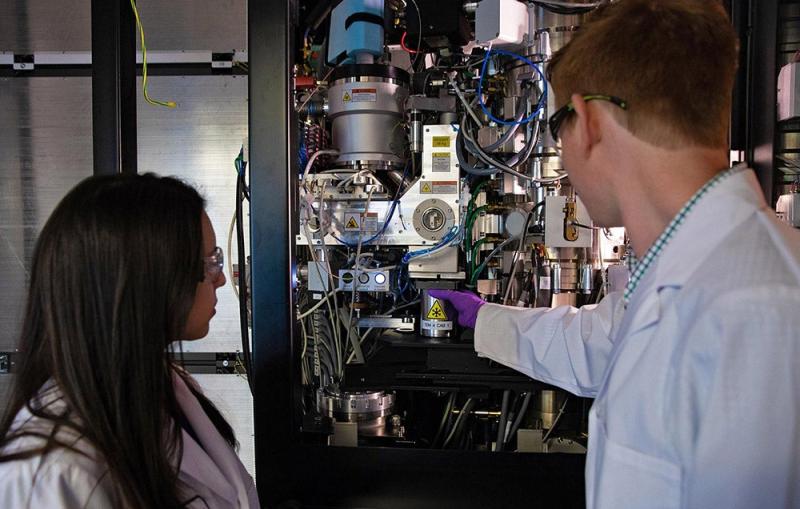
Innovations at SLAC, including the world’s shortest X-ray flashes, ultra-high-speed pulse trains and smart computer controls, promise to take ultrafast X-ray science to a...
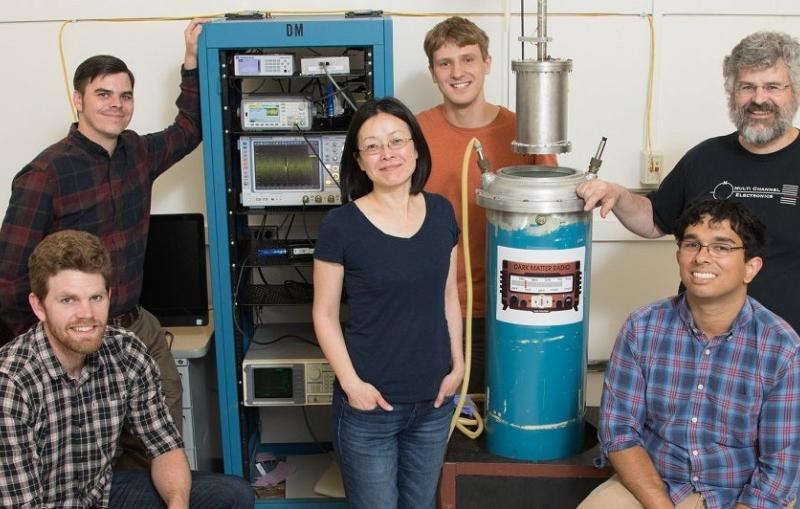
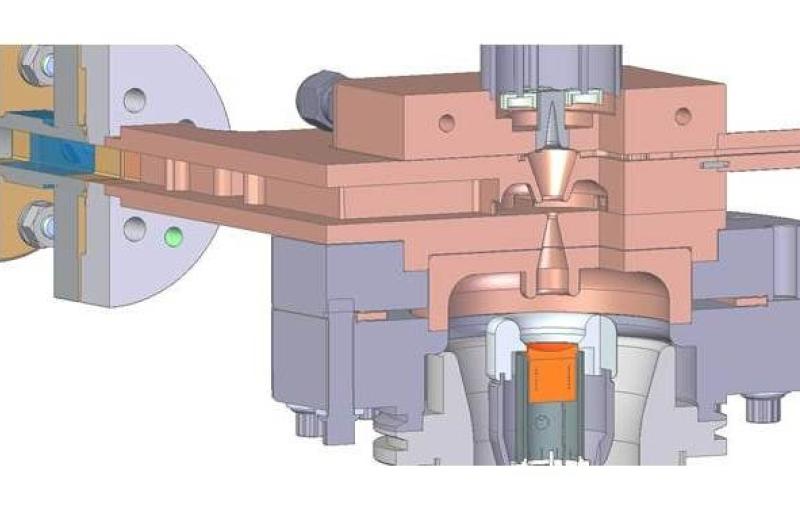
A new device could open new avenues for the generation of high-frequency radiation with applications in science, radar, communications, security and medical imaging.
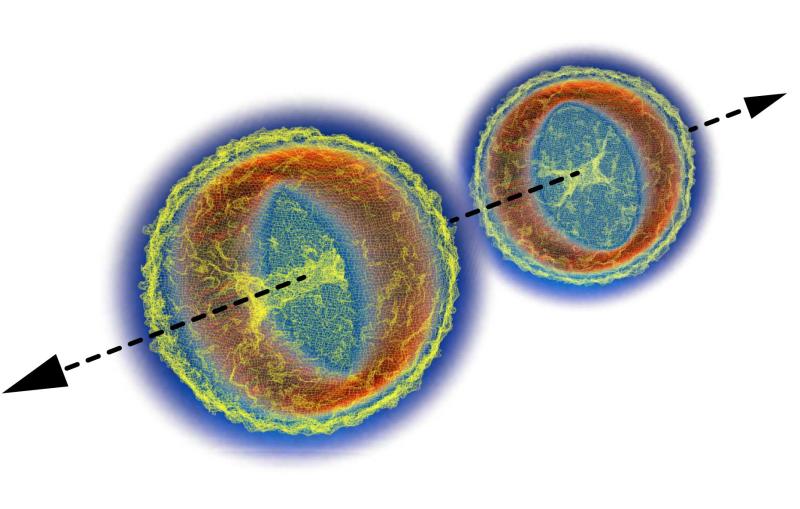
A serendipitous discovery lets researchers spy on this self-assembly process for the first time with SLAC’s X-ray synchrotron. What they learn will help them...
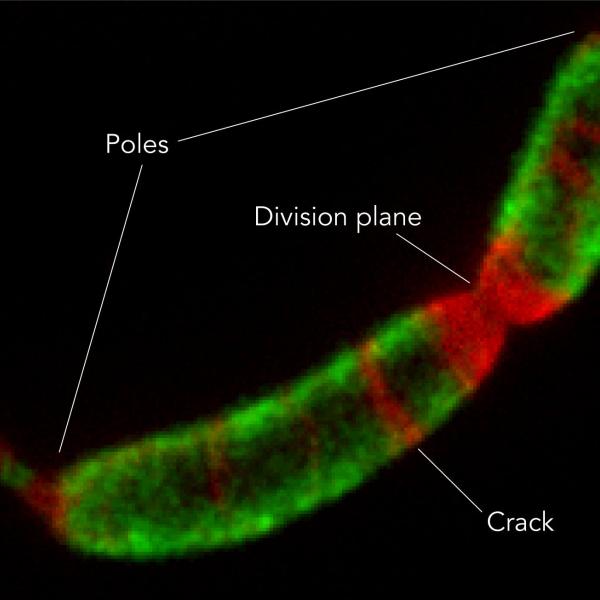
A close-up look at how microbes build their crystalline shells has implications for understanding how cell structures form, preventing disease and developing nanotechnology.
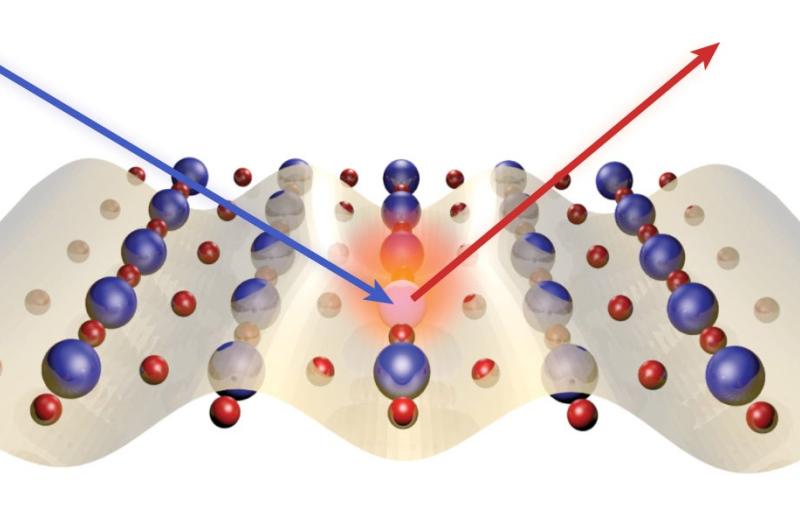
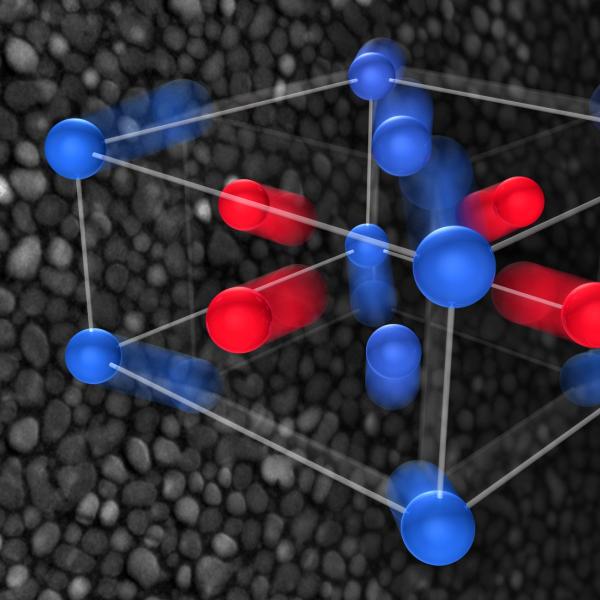
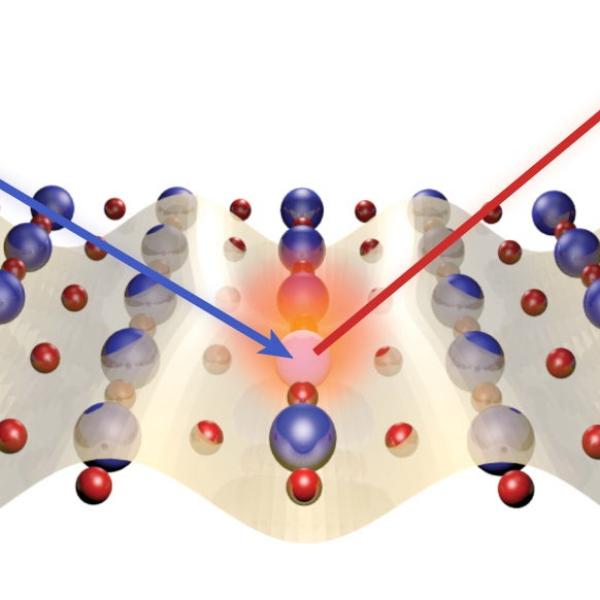
Combining X-ray and electron data from two cutting-edge SLAC instruments, researchers make the first observation of the rapid atomic response of iron-platinum nanoparticles to light. The results could help develop ways to manipulate and control future magnetic data storage devices.
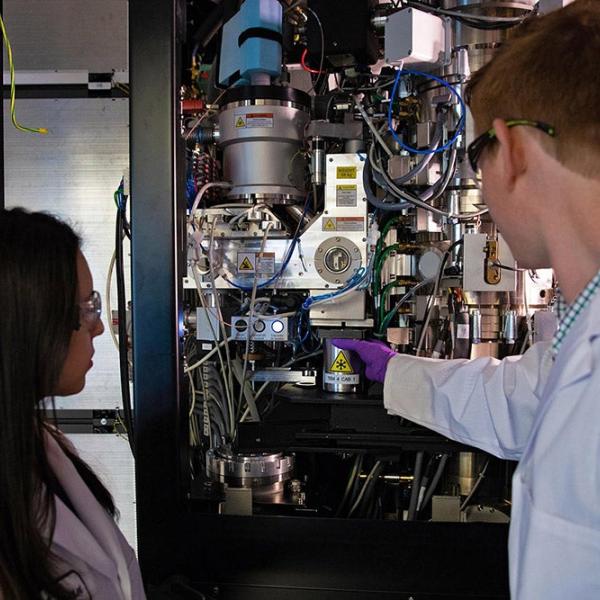
Innovations at SLAC, including the world’s shortest X-ray flashes, ultra-high-speed pulse trains and smart computer controls, promise to take ultrafast X-ray science to a whole new level.
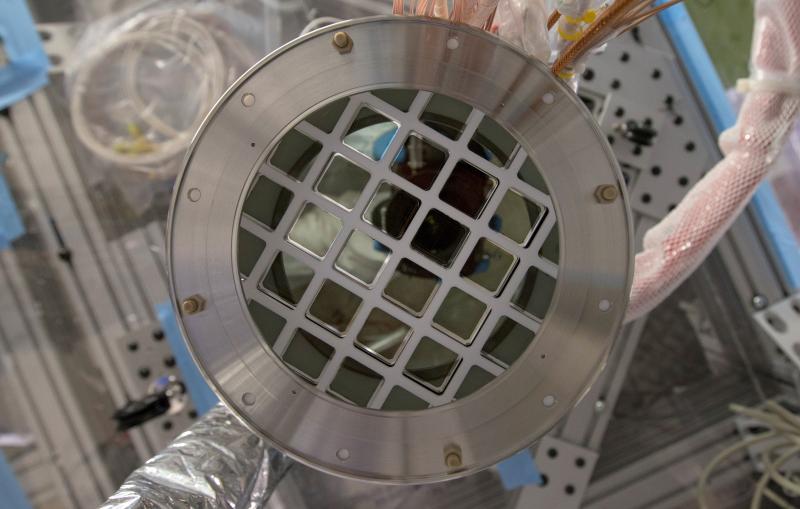
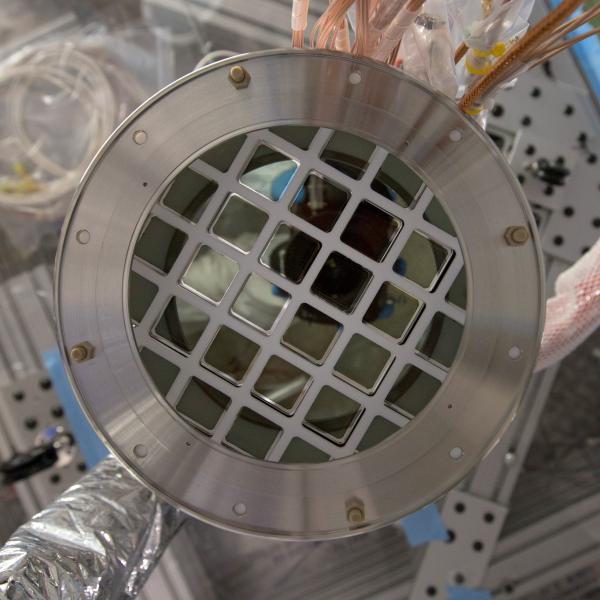
System tests at SLAC continue with 32 light sensors - up from a single one - in a small-scale version of the future experiment, which will use nearly 500 of them.
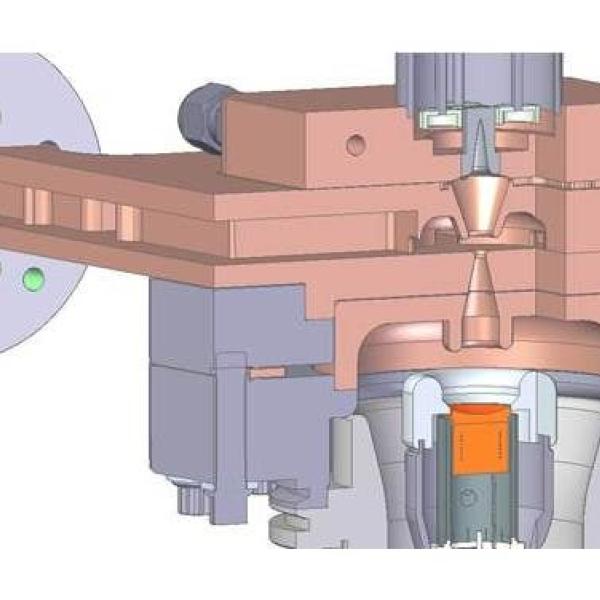
A new device could open new avenues for the generation of high-frequency radiation with applications in science, radar, communications, security and medical imaging.
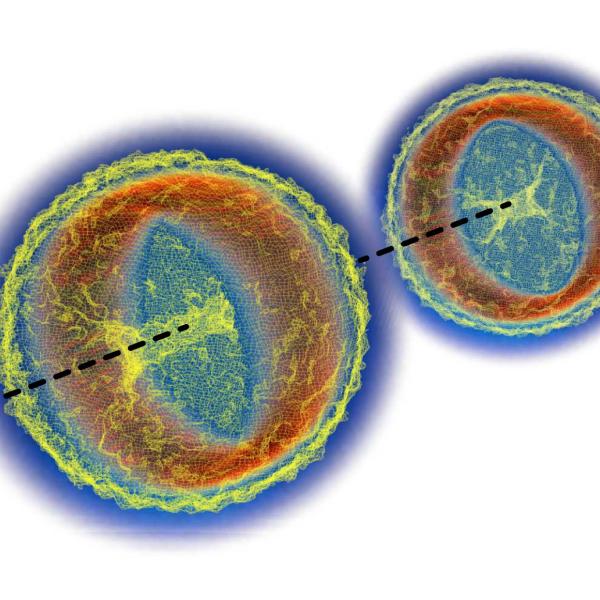
A serendipitous discovery lets researchers spy on this self-assembly process for the first time with SLAC’s X-ray synchrotron. What they learn will help them fine-tune precision materials for electronics, catalysis and more.
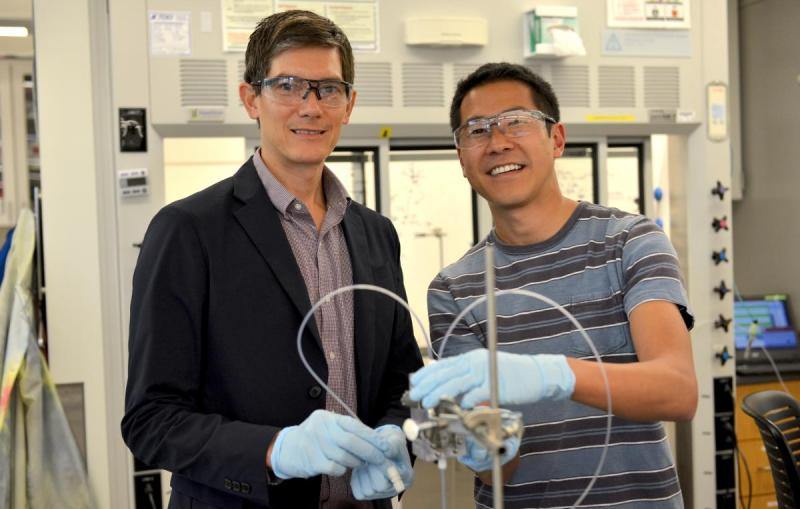
A recent discovery by scientists from the SUNCAT Center for Interface Science and Catalysis could lead to a new, more sustainable way to make ethanol without corn or other crops.