See content related to electron diffraction and electron microscopy techniques here below.
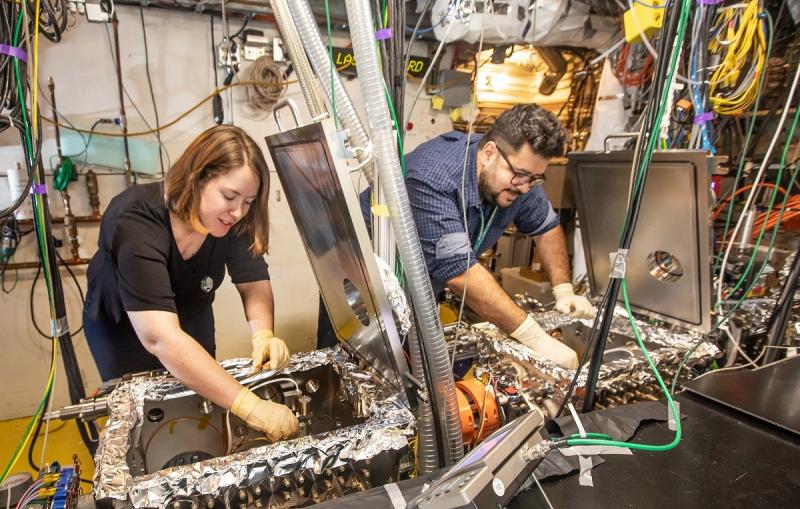
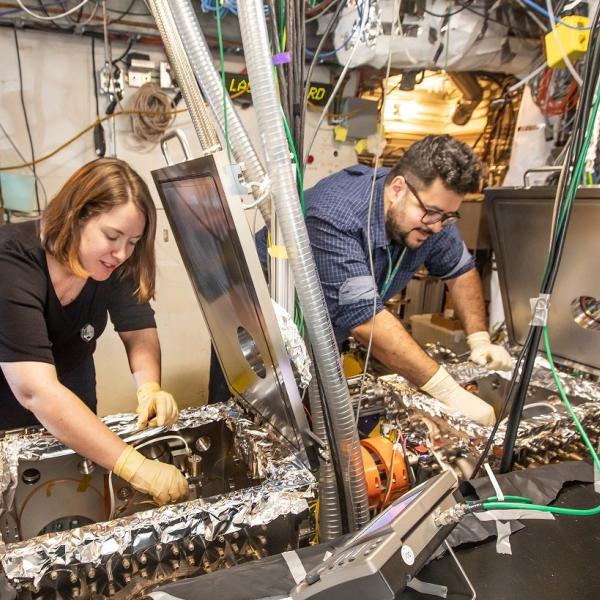
SLAC’s Emma Snively and Mohamed Othman at the lab’s high-speed “electron camera,” an instrument for ultrafast electron diffraction (MeV-UED).
(Jacqueline Orrell/SLAC National Accelerator Laboratory)
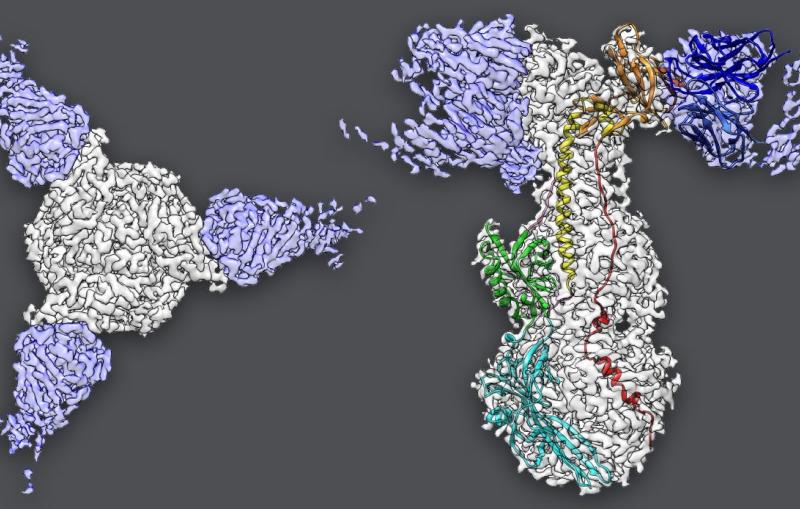
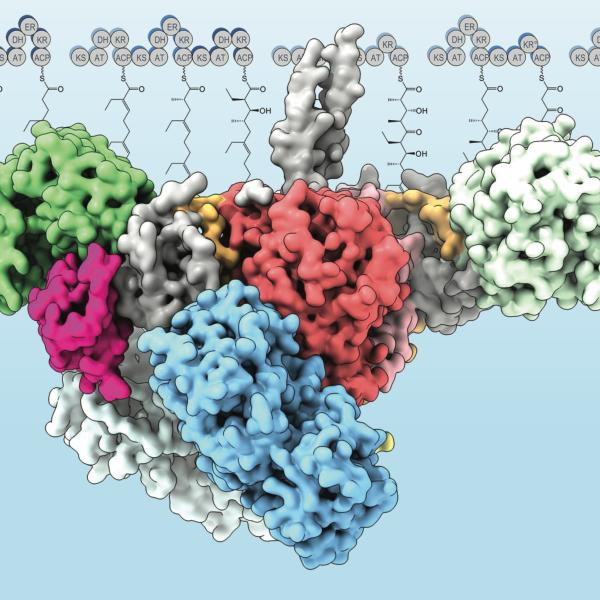
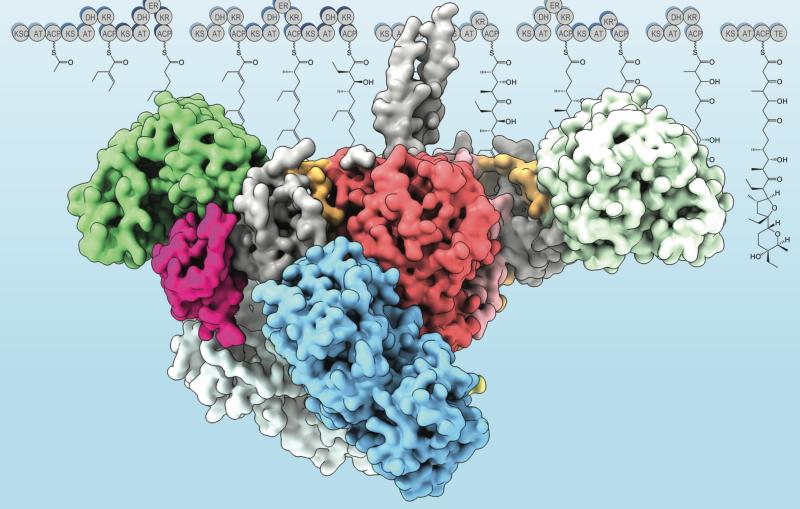
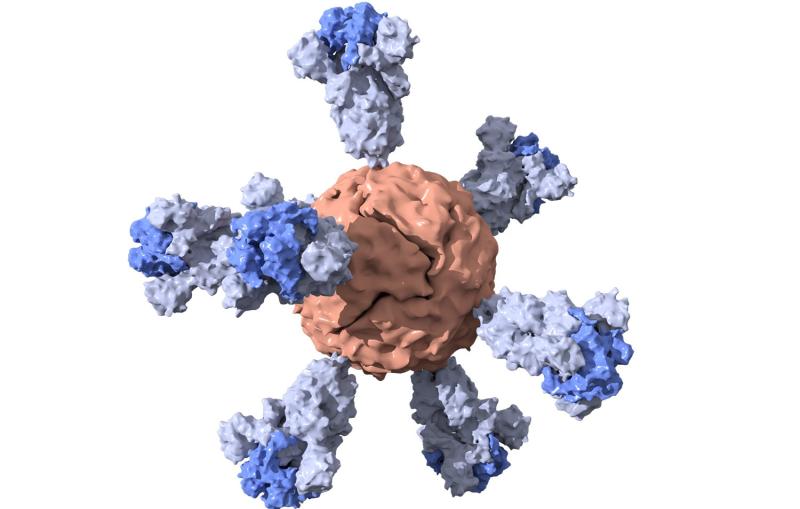
In two new papers, researchers used X-ray crystallography and cryogenic electron microscopy to reveal new details of the structure and function of molecular assembly...
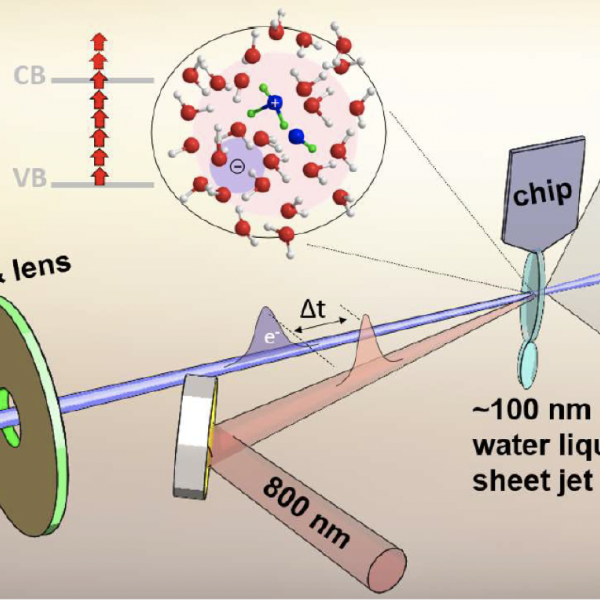
This is the first direct observation of a hydroxyl-hydronium complex – important for a wide range of chemical and biological processes from the tails...
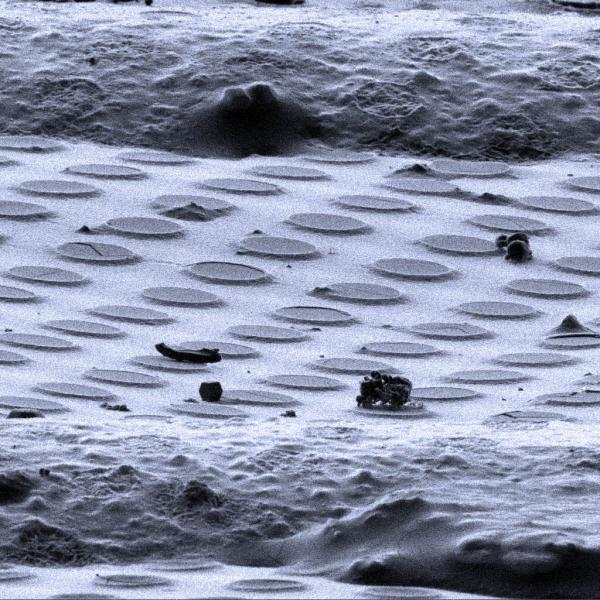
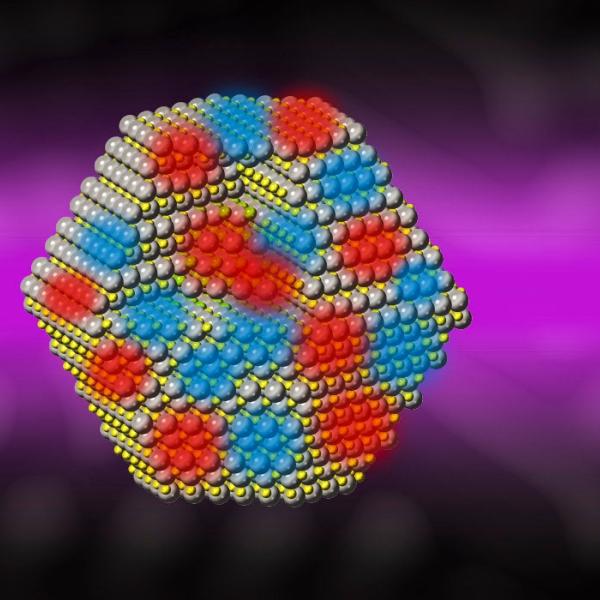
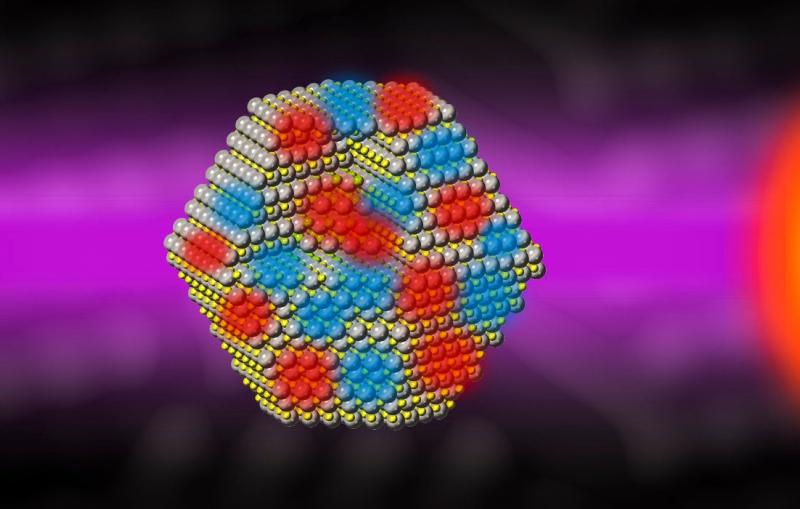
The results have important implications for today’s TV and display screens and for future technologies where light takes the place of electrons and fluids.
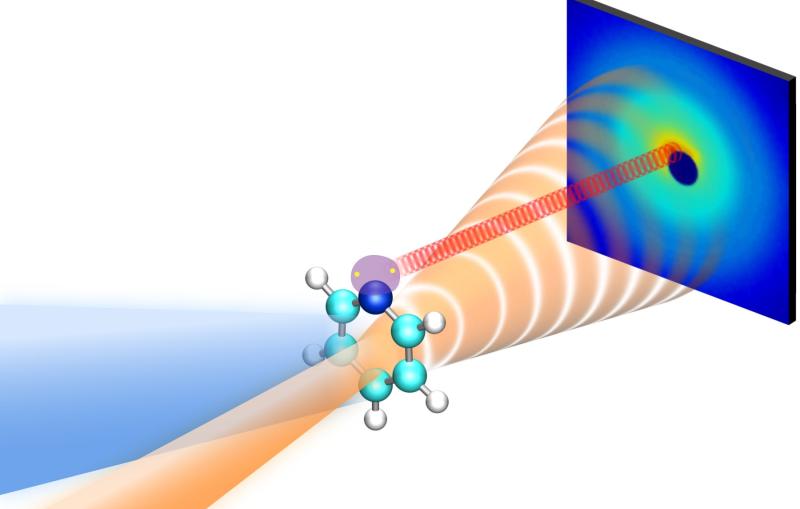
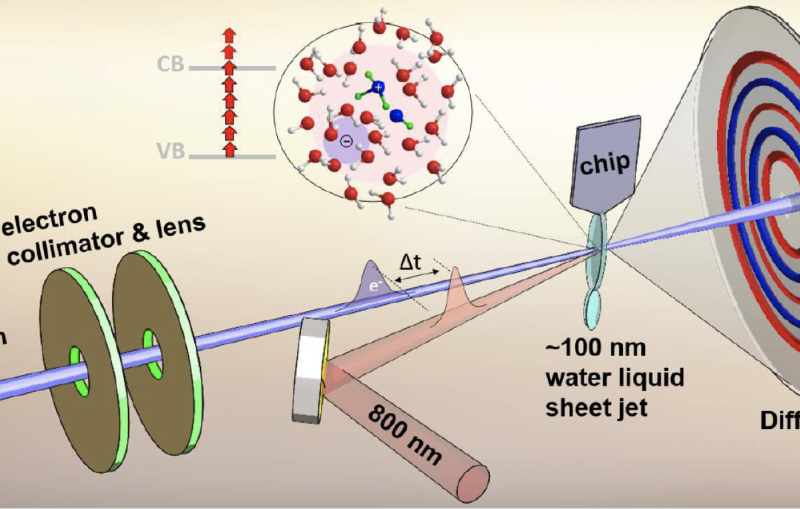
This new technology could enable future insights into chemical and biological processes that occur in solution, such as vision, catalysis and photosynthesis.
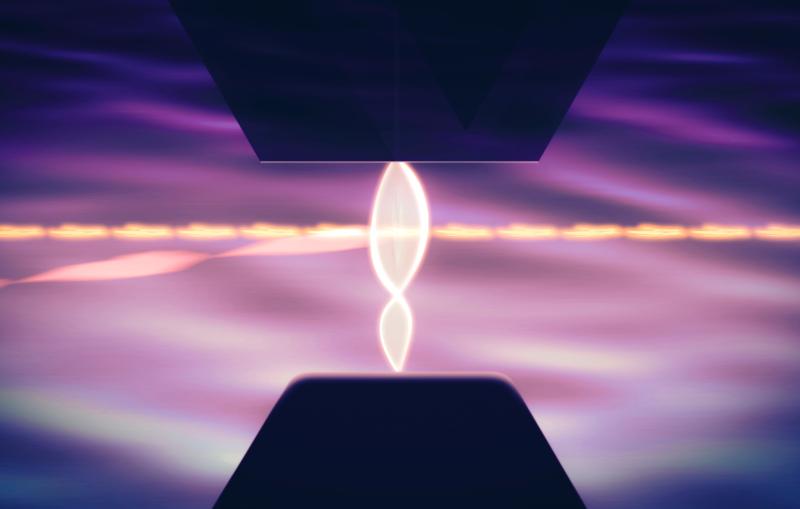
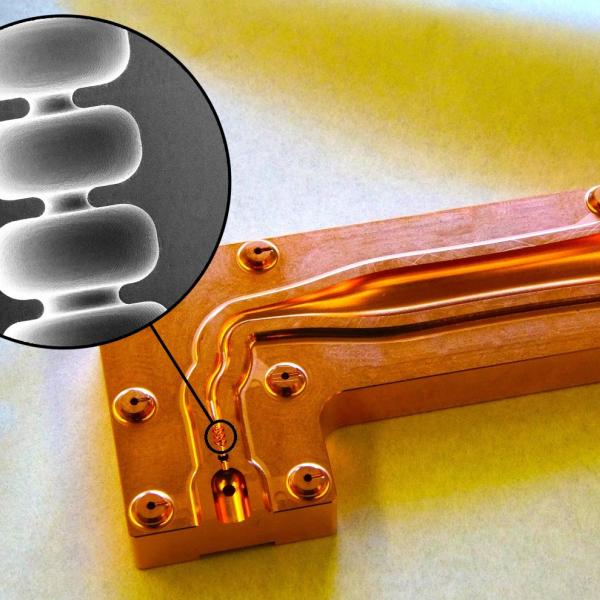
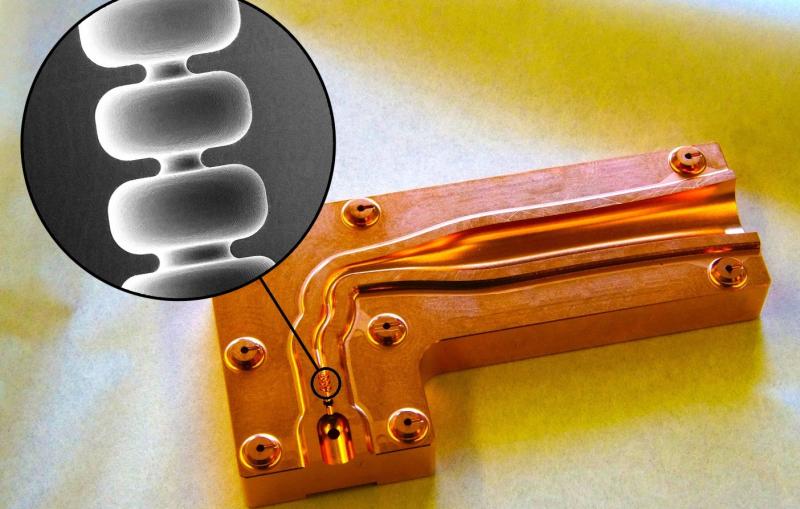
Researchers have squeezed a high-energy electron beam into tight bundles using terahertz radiation, a promising advance in watching the ultrafast world of atoms unfold.
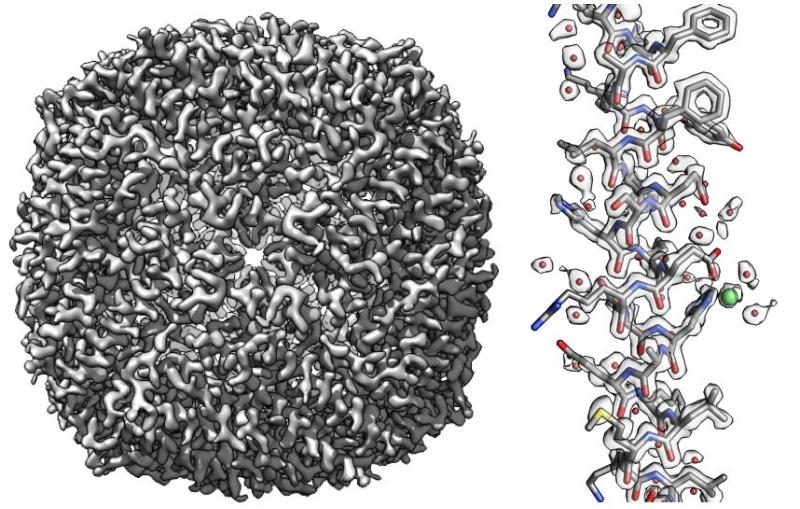
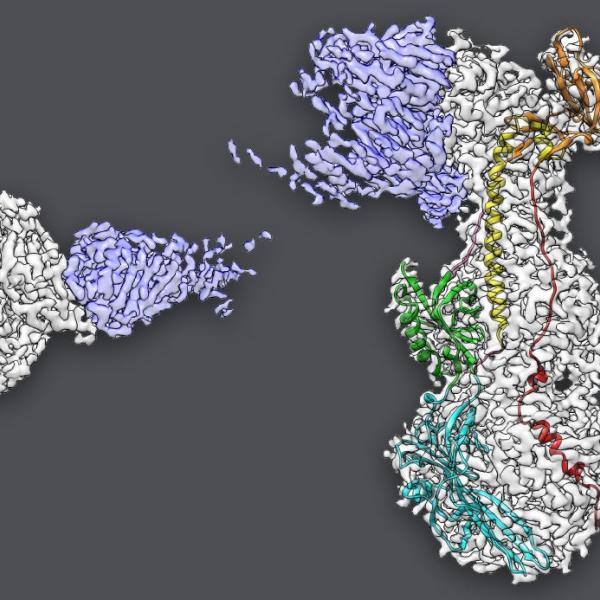
Cryogenic electron microscopy can in principle make out individual atoms in a molecule, but distinguishing the crisp from the blurry parts of an image...
In two new papers, researchers used X-ray crystallography and cryogenic electron microscopy to reveal new details of the structure and function of molecular assembly lines that produce common antibiotics.
This is the first direct observation of a hydroxyl-hydronium complex – important for a wide range of chemical and biological processes from the tails of comets to cancer treatment.
The results have important implications for today’s TV and display screens and for future technologies where light takes the place of electrons and fluids.
This new technology could enable future insights into chemical and biological processes that occur in solution, such as vision, catalysis and photosynthesis.
Researchers have squeezed a high-energy electron beam into tight bundles using terahertz radiation, a promising advance in watching the ultrafast world of atoms unfold.
Cryogenic electron microscopy can in principle make out individual atoms in a molecule, but distinguishing the crisp from the blurry parts of an image can be a challenge. A new mathematical method may help.