
SLAC topics

Dark matter RSS feed

One of modern science’s biggest mysteries is dark matter, an invisible form of matter that shapes galaxy rotation and bends rays of light. No one knows what dark matter is, but scientists are carrying out a number of experiments to learn more.

Related links:
Physics of the universe
Astrophysics and cosmology
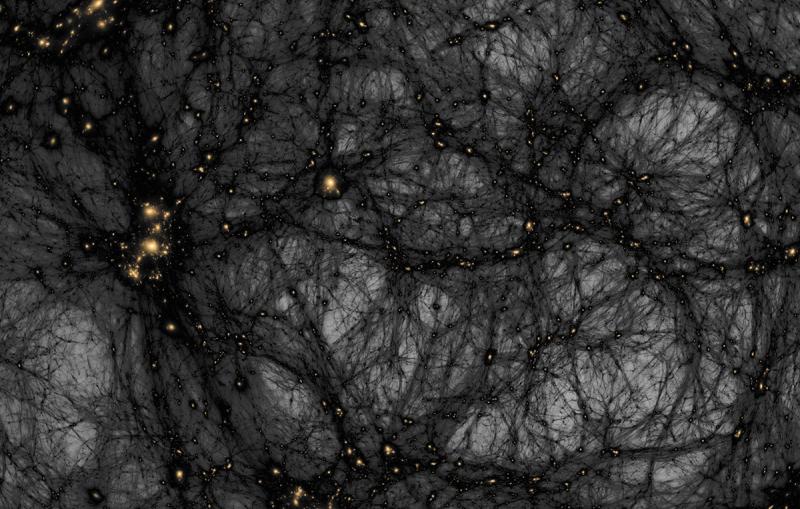
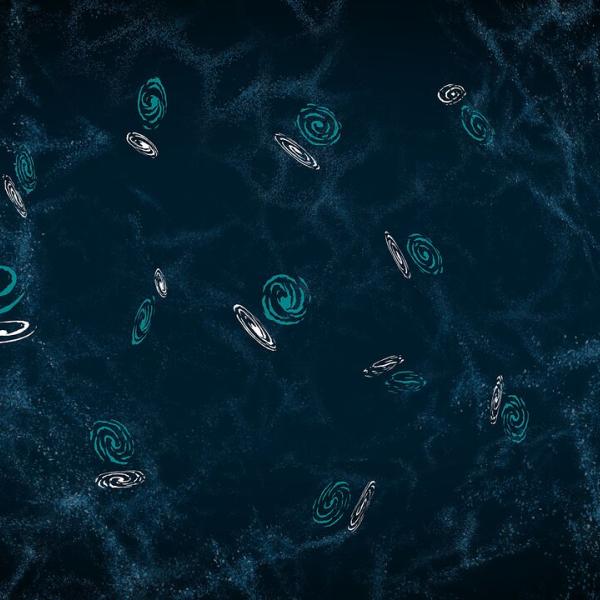
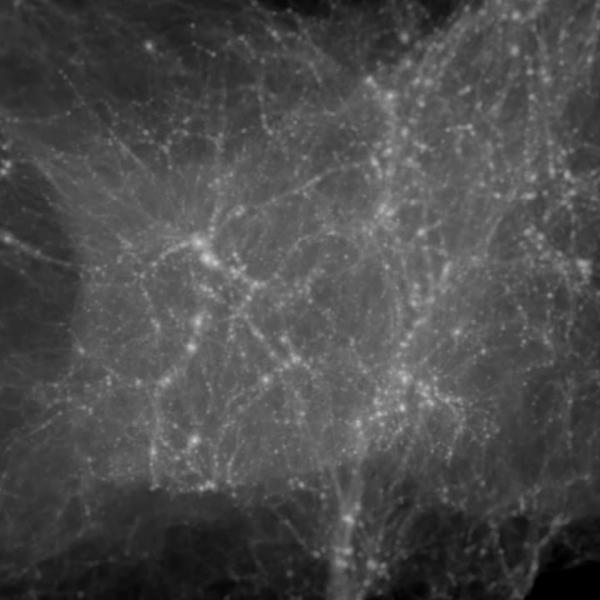
Formation of dark matter structures.
Feature

The reanalysis considered new types of particle collisions and how dark matter particles interact with the Earth. 

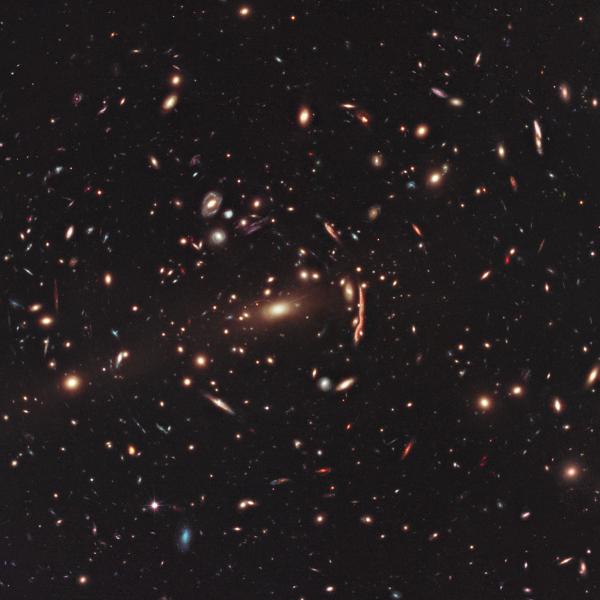
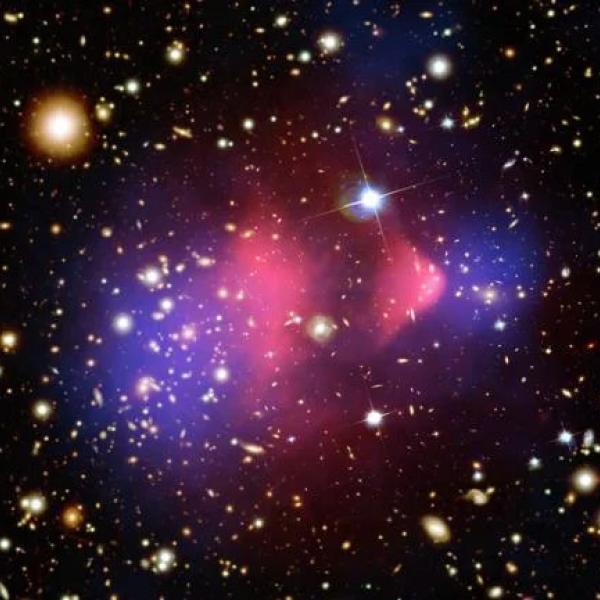
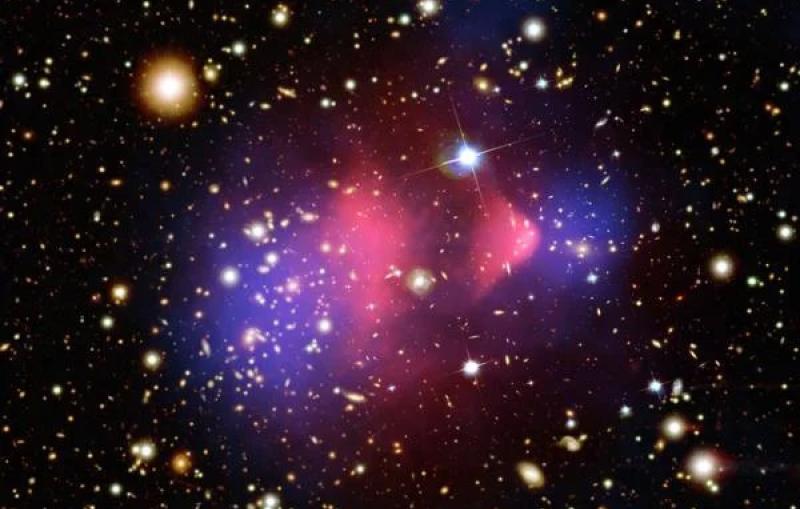
clusters of galaxies collide showing separation of dark matter
Past Event

In this lecture, Dr. Rebecca Leane will review a range of dark matter searches using celestial objects, including exoplanets, solar-system planets, the Sun, and...

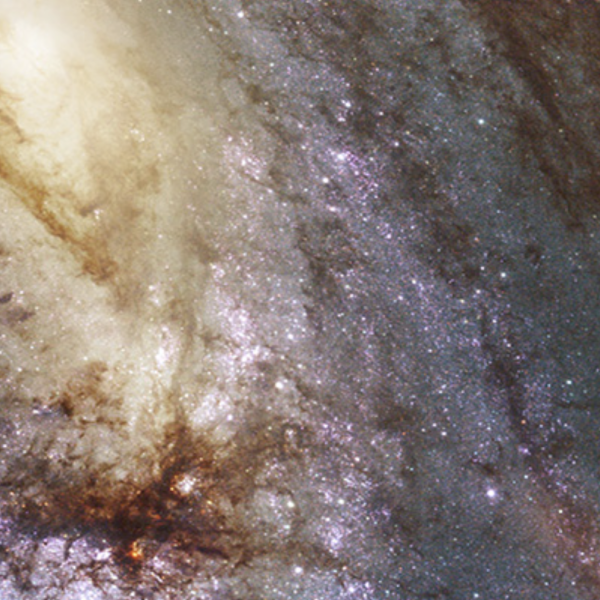
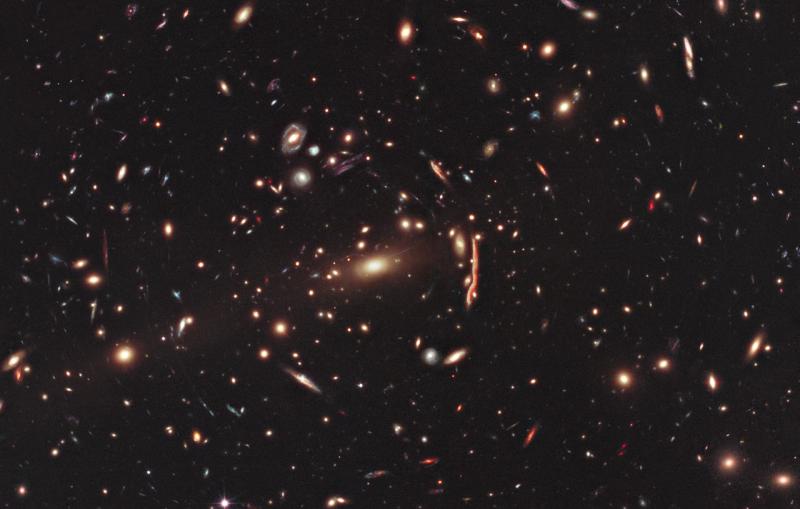
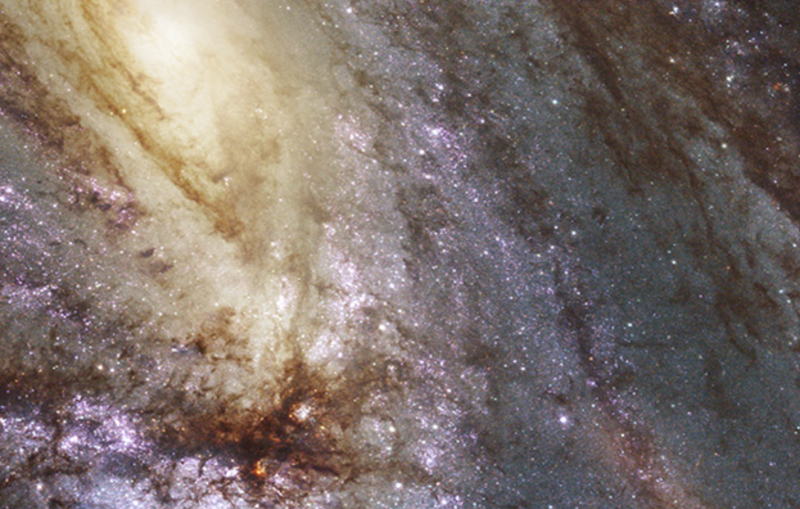
A galaxy in space
Feature

The first batch of data from the Dark Energy Spectroscopic Instrument is now available for researchers to mine. Taken during the experiment’s “survey validation”...

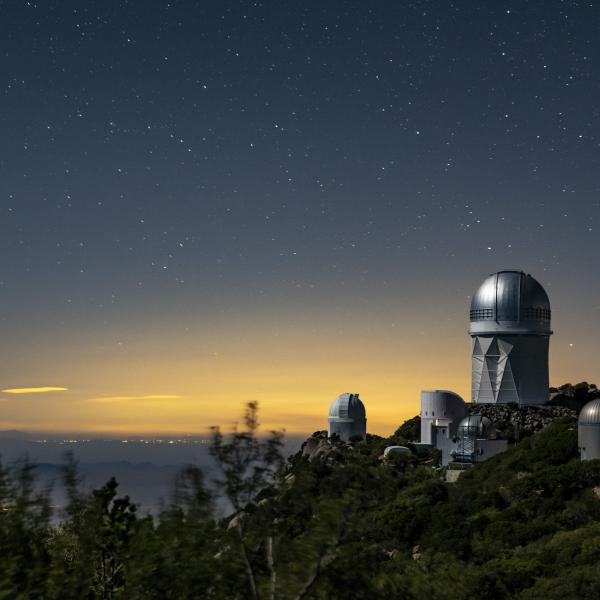
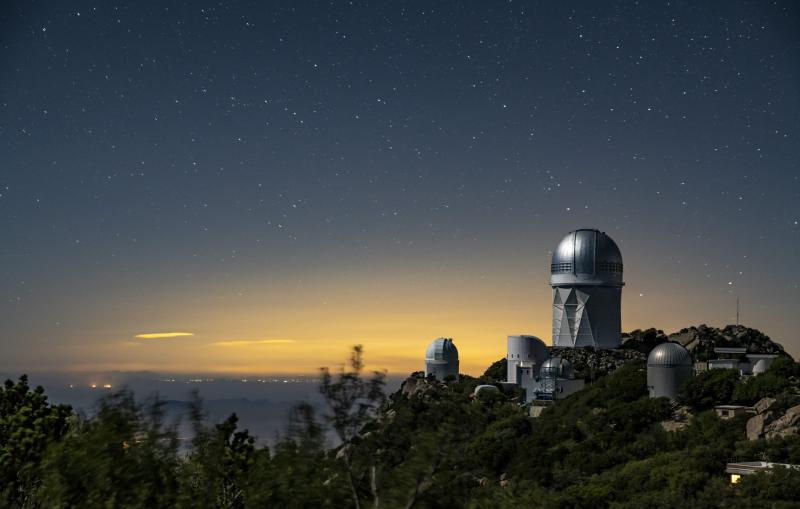
A telescope building sits atop a mountain in twilight.
Feature

They’ll work on experiments searching for dark matter and physics beyond the Standard Model of particle physics to push our understanding of what makes...

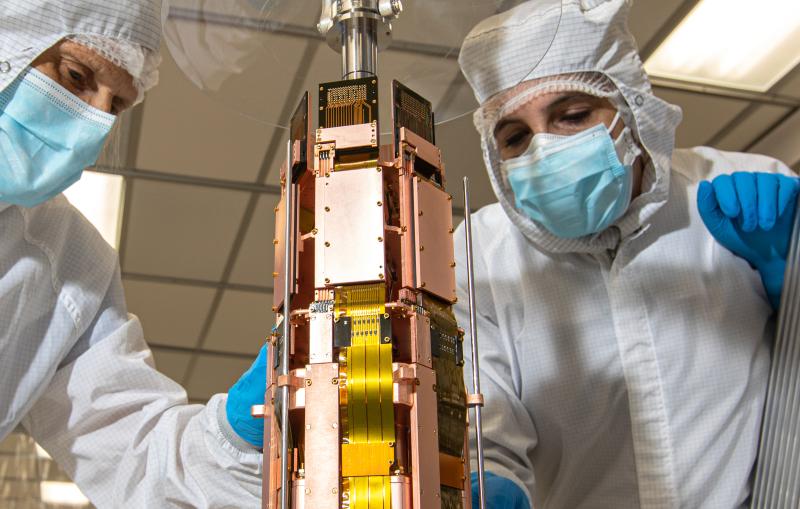
Kelly Stifter and Julia Gonski.
Feature

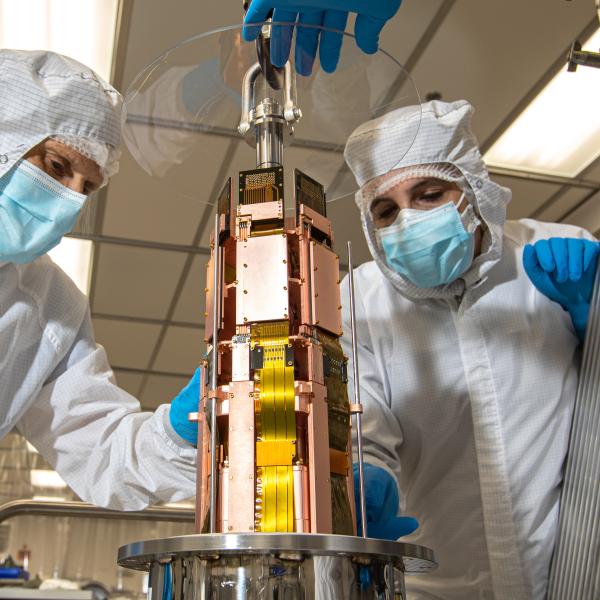
The first pair of towers are now at the Ontario facility, where they'll further the hunt for dark matter particles.

SuperCDMS tower
Feature

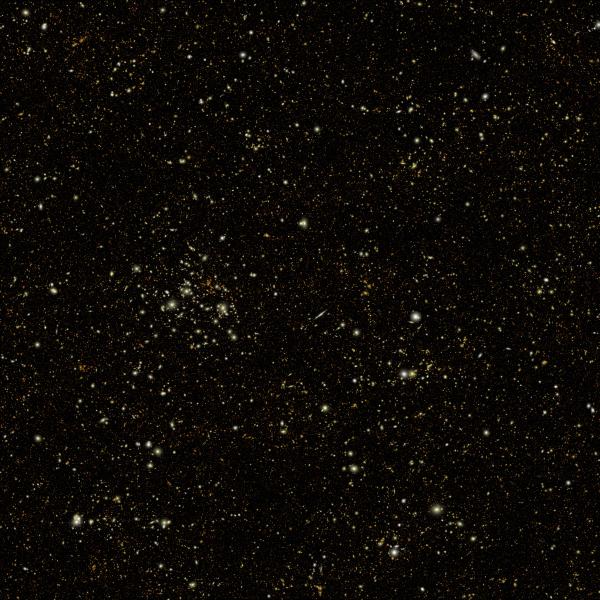
The synthetic galaxy catalog will help test Roman's capabilities and foster collaboration with the Rubin project. 

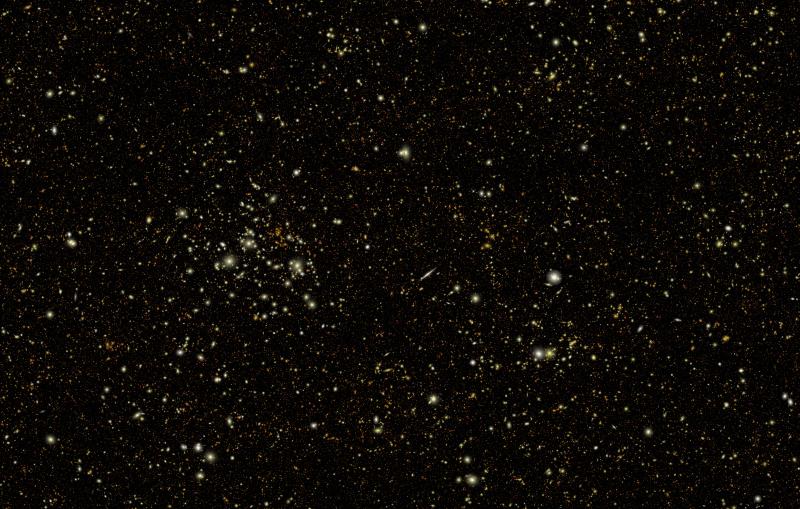
A field of bright spots on a black background.
Video

Simulation of the formation of the dark matter structure surrounding the Milky Way, from the early universe to today.

still frame for dark matter video
Video
Video

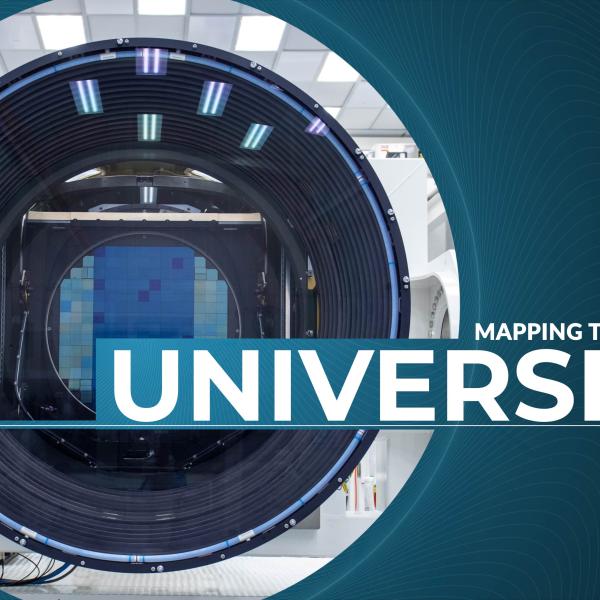
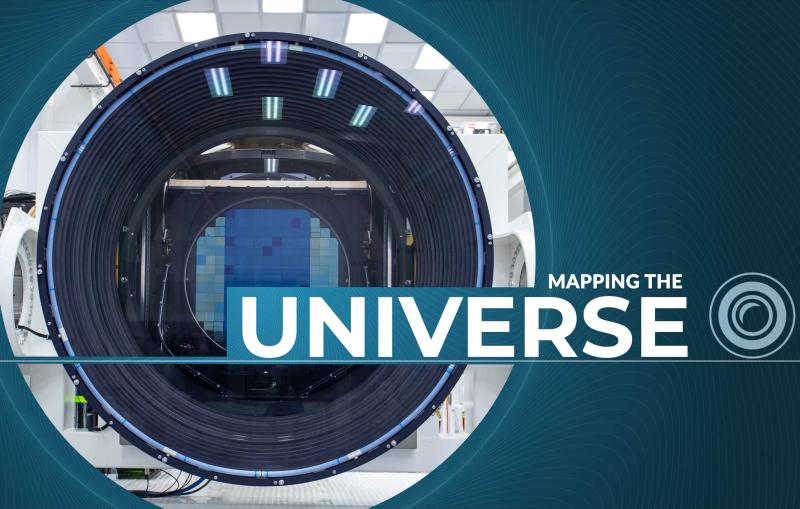
Learn about the 10-year Legacy Survey of Space and Time (LSST), the SLAC-built LSST Camera and NSF-DOE Vera C. Rubin Observatory in this video.

LSST Explainer | Mapping the universe
Video
Video

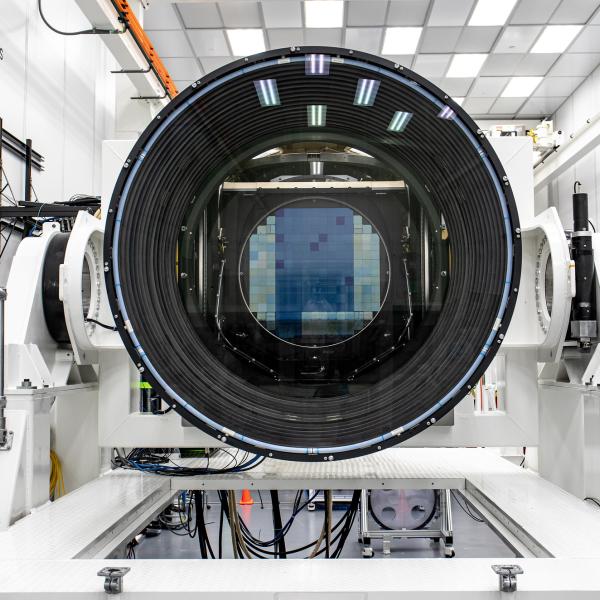
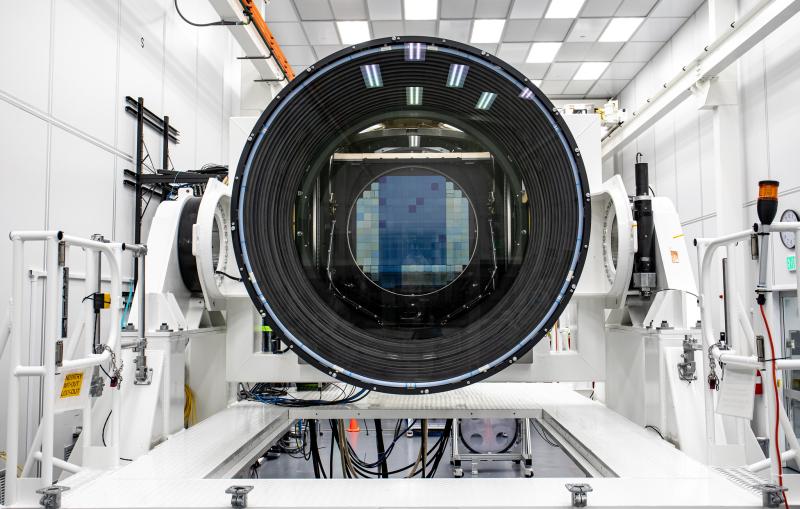
The LSST Camera is being tested inside the clean room at SLAC

Front Page - LSST Camera
Video
Feature

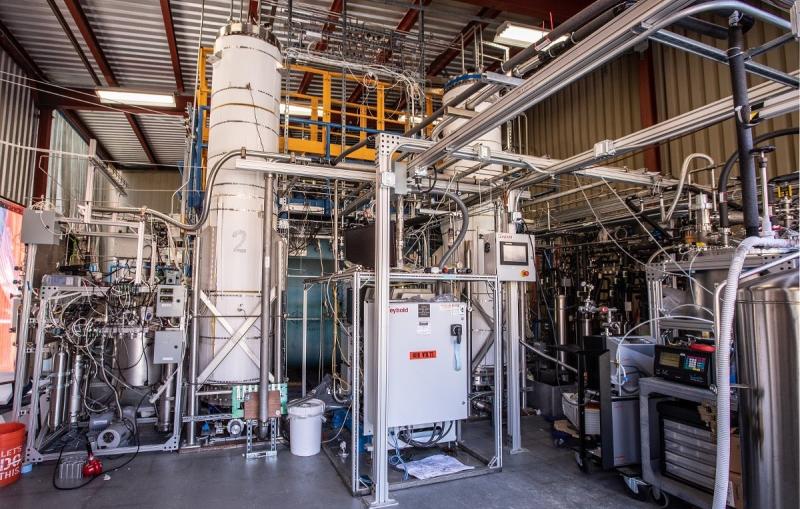
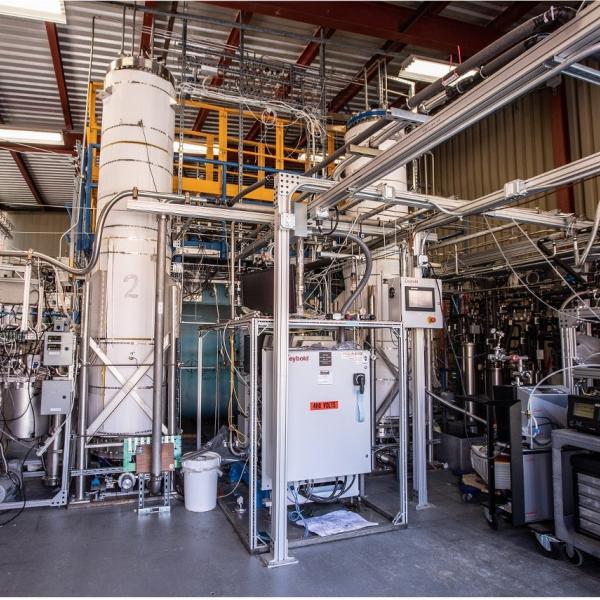
An enormous vat of pure liquid xenon will help scientists at SLAC and around the globe learn more about the universe.

A collection of pipes, towers, and other equipment
Animation
This animation shows how krypton (red) is removed from xenon gas (blue) by flowing the combined gases through a column...
A blue cloud with red spots travels downward, passing gray spots. As it does, the red spots move downward faster.
Feature

To capture as much information as possible about clouds of atoms at the heart of the MAGIS-100 experiment, SLAC scientists devised a dome of...

an array of rainbow-tinted views of a tiny 3D object that spells "DOE"