


SLAC topics

Dark matter RSS feed

One of modern science’s biggest mysteries is dark matter, an invisible form of matter that shapes galaxy rotation and bends rays of light. No one knows what dark matter is, but scientists are carrying out a number of experiments to learn more.

Related links:
Physics of the universe
Astrophysics and cosmology
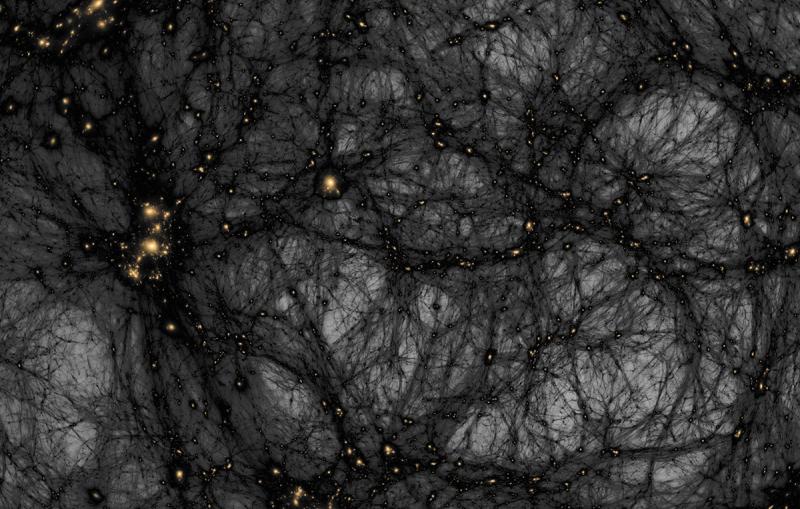
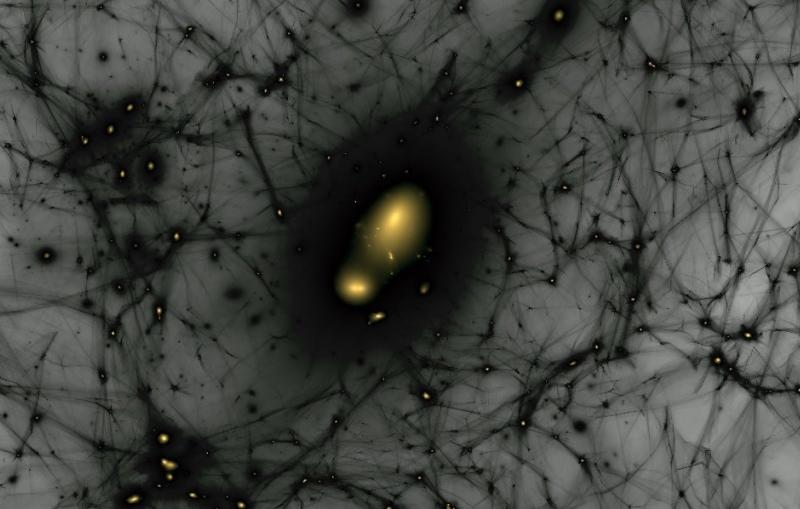
Formation of dark matter structures.
Feature

Rubin Observatory will bring new capabilities to the studies of dark matter and dark energy.

Illustration of Vera Rubin Observatory
News Release

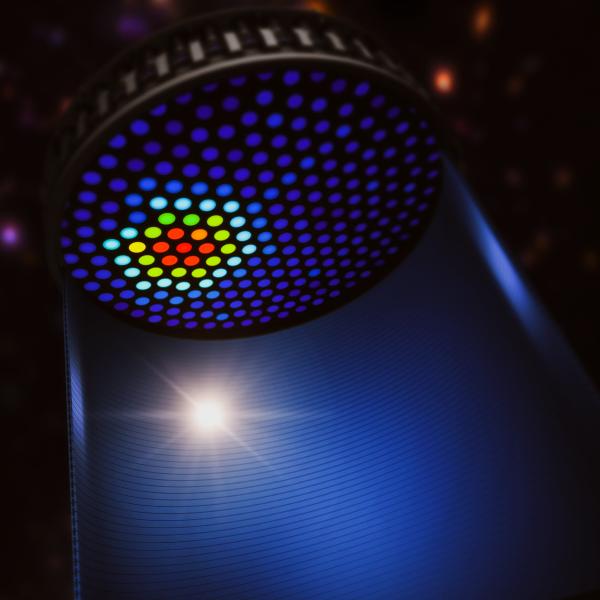
The camera will explore cosmic mysteries as part of the Rubin Observatory’s Legacy Survey of Space and Time.

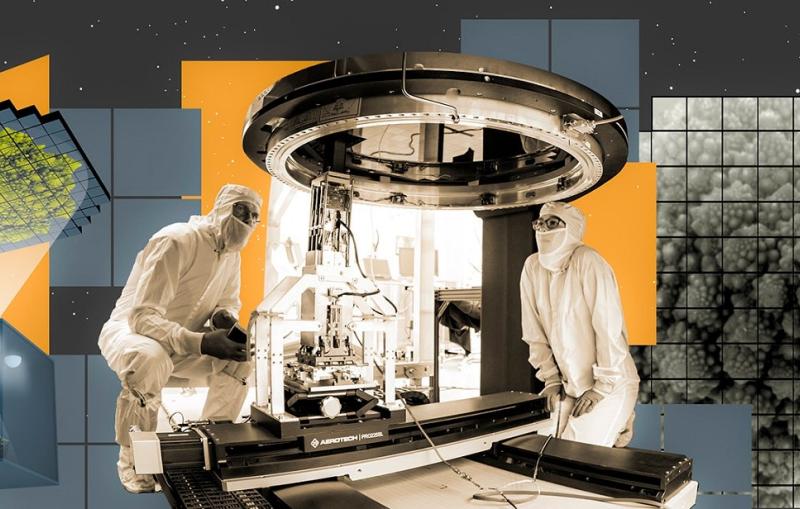
LSSTCam Focal Plane Header
Feature

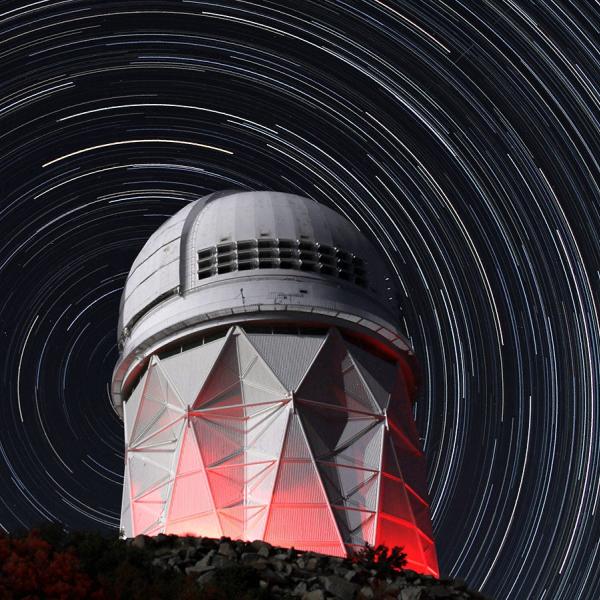
The Dark Energy Spectroscopic Instrument, which will map millions of galaxies in 3D from a mountaintop in Arizona, has reached its final milestone toward...

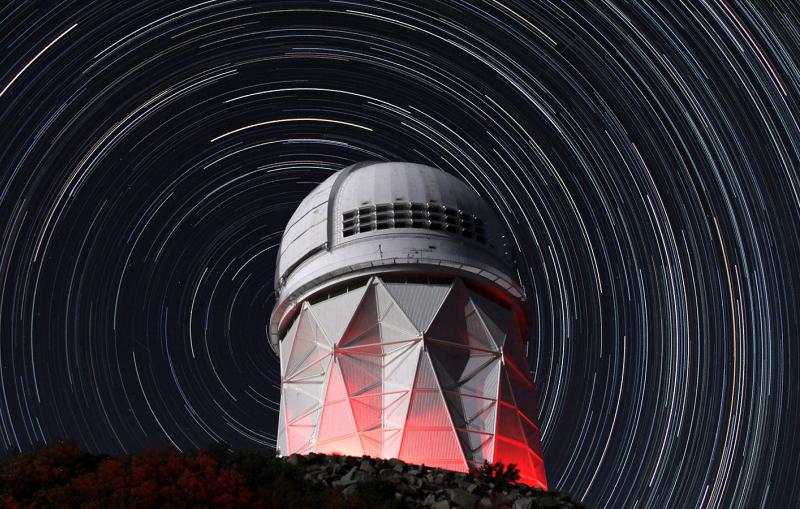
Mayall Telescope Star Trails
Feature

The SLAC/Stanford scientists are among 120 new members of an organization that advises the nation on science and technology issues.

NAS 2020
Feature

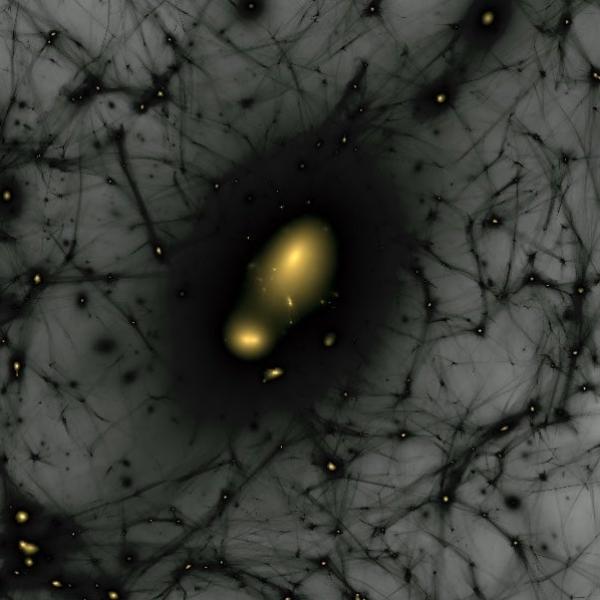
Just like we orbit the sun and the moon orbits us, the Milky Way has satellite galaxies with their own satellites. Drawing from data...

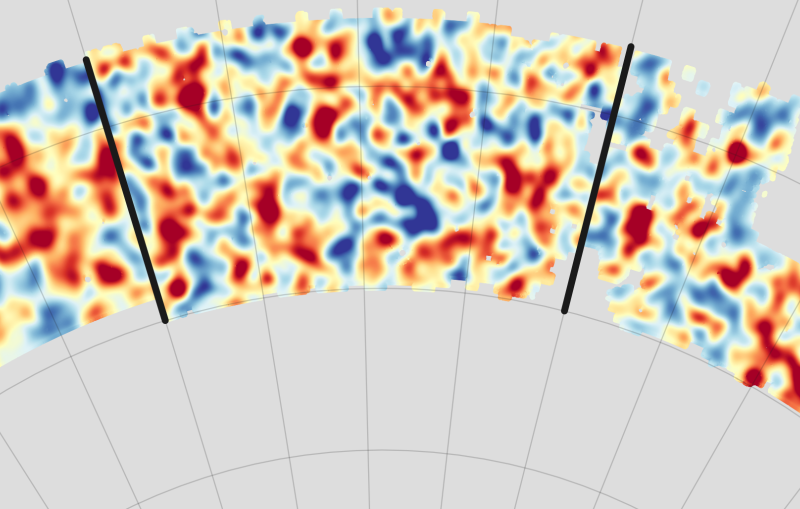
Dark matter forms into clumps, where galaxies and satellite galaxies form.
Past Event

Presented by Maria Elena Monzani. The nature and origin of dark matter are among the most compelling mysteries of contemporary science.

Video

Public lecture presented by Maria Elena Monzani

video still frame of lecture about the search for dark matter
Video
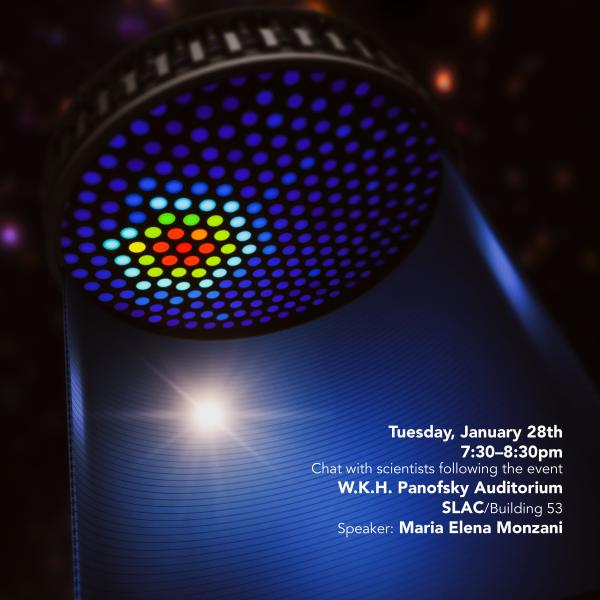
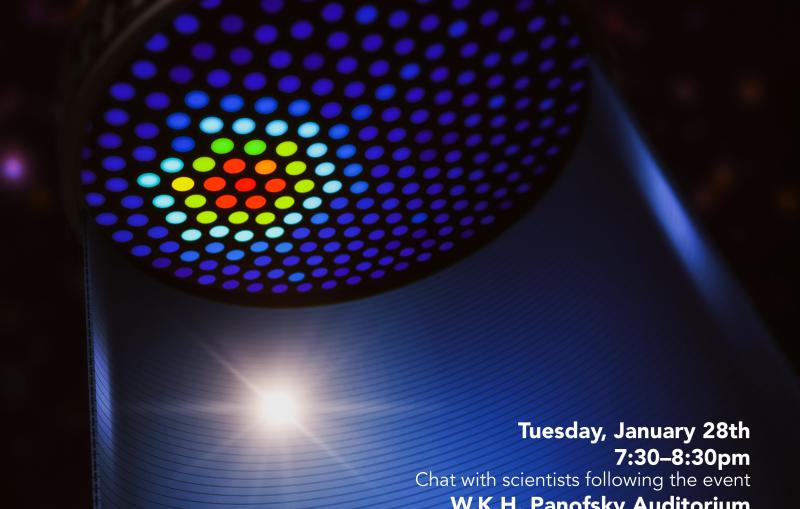
Public Lecture Poster
Public lecture called A sparkle in the dark: the outlandish quest for dark matter
Feature

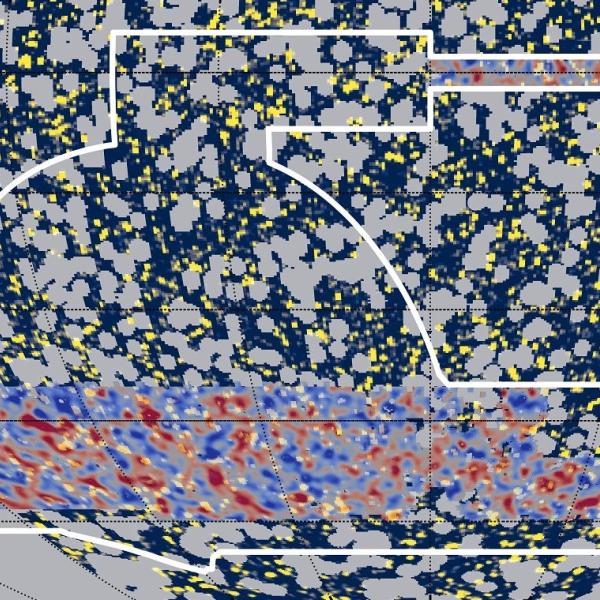
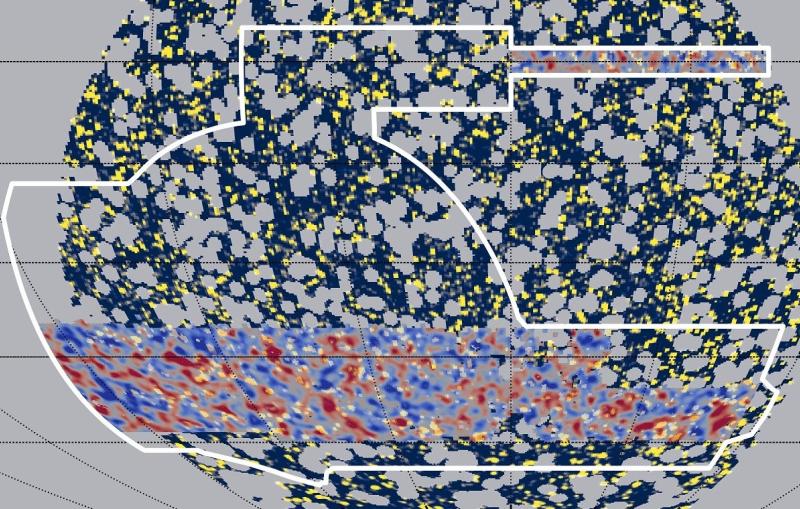
Matching up maps of matter and light from the Dark Energy Survey and Fermi Gamma-ray Space Telescope may help astrophysicists understand what causes a...

DES-Fermi
Feature
VIA Symmetry Magazine

Vera Rubin, giant of astronomy

The Large Synoptic Survey Telescope will be named for an influential astronomer who left the field better than she found it.

Vera Rubin
Feature

His work aims to deepen our understanding of dark matter, dark energy and other secrets of the universe.

Photo of Panofsky fellow Daniel Gruen
Feature

Early-career physicist Jonathan LeyVa helps build one of the world’s most sensitive dark matter detectors.

Jonathan LeyVa/SuperCDMS