SLAC topics

Dark matter RSS feed

One of modern science’s biggest mysteries is dark matter, an invisible form of matter that shapes galaxy rotation and bends rays of light. No one knows what dark matter is, but scientists are carrying out a number of experiments to learn more.

Related links:
Physics of the universe
Astrophysics and cosmology

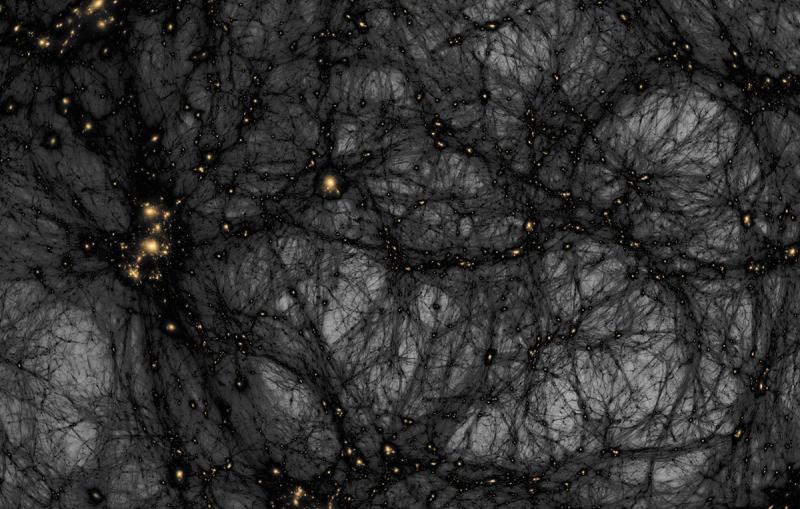
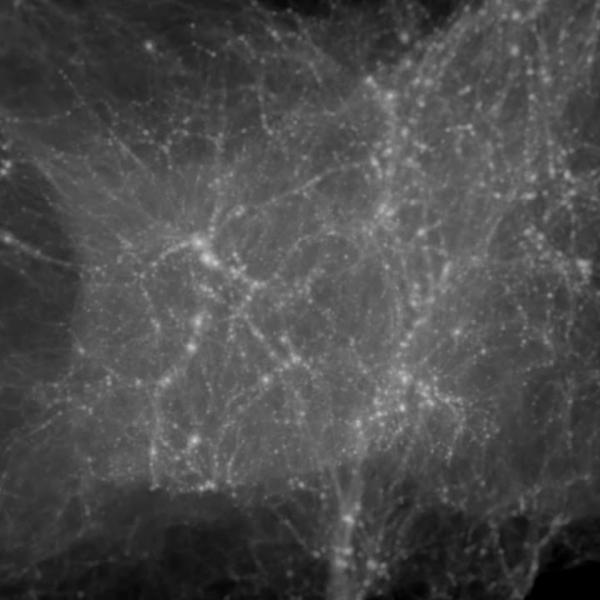
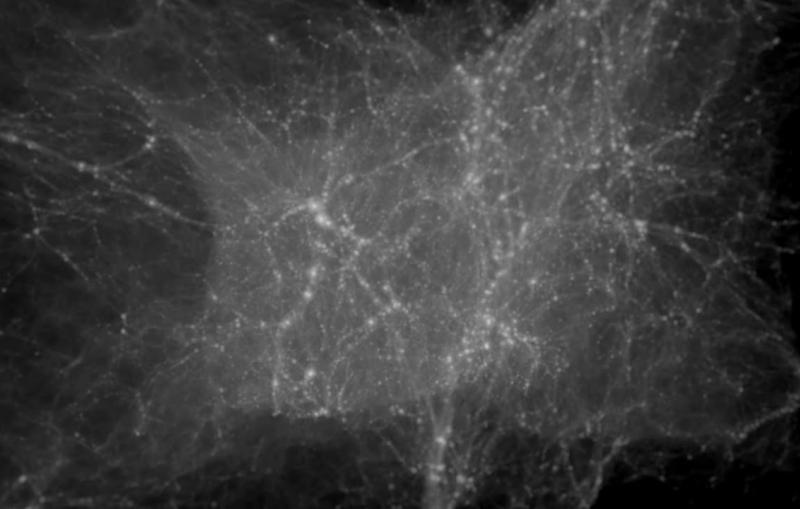
Formation of dark matter structures.
Video

Simulation of the formation of the dark matter structure surrounding the Milky Way, from the early universe to today.

still frame for dark matter video
Video
Video

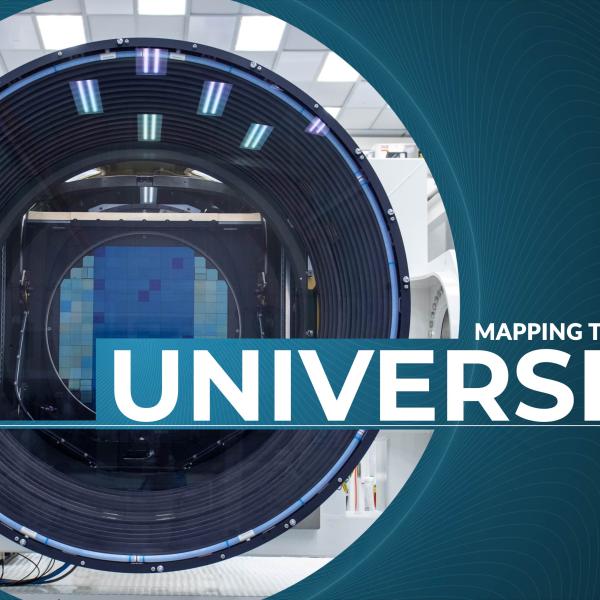
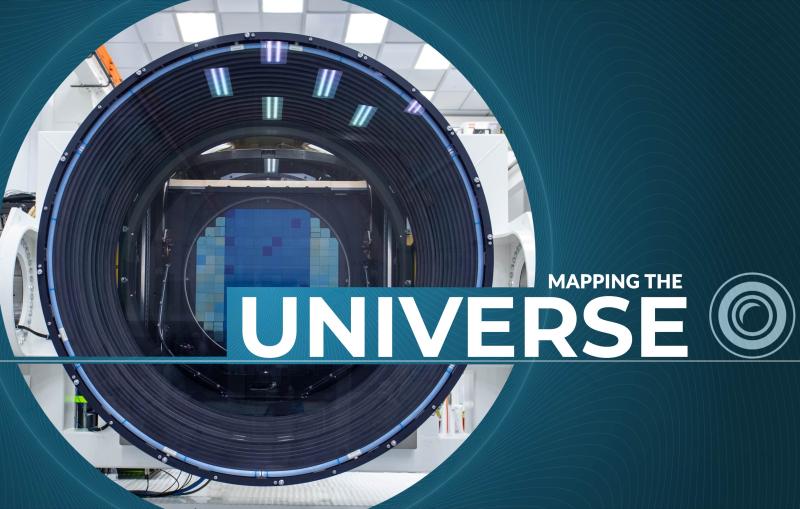
Learn about the 10-year Legacy Survey of Space and Time (LSST), the SLAC-built LSST Camera and NSF-DOE Vera C. Rubin Observatory in this video.

LSST Explainer | Mapping the universe
Video
Feature

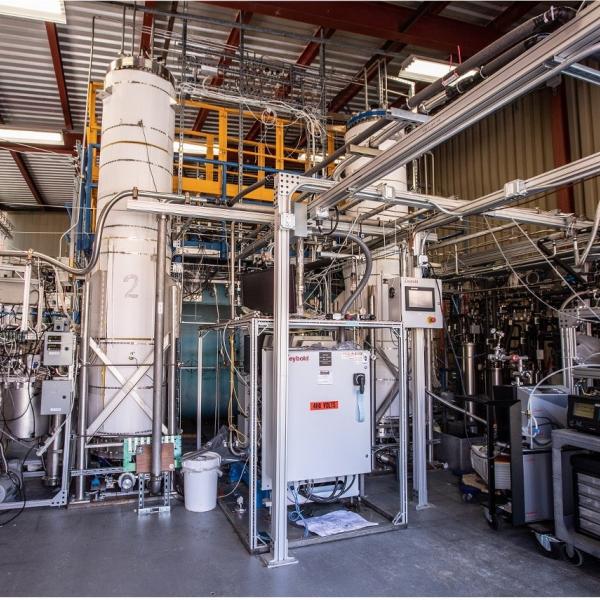
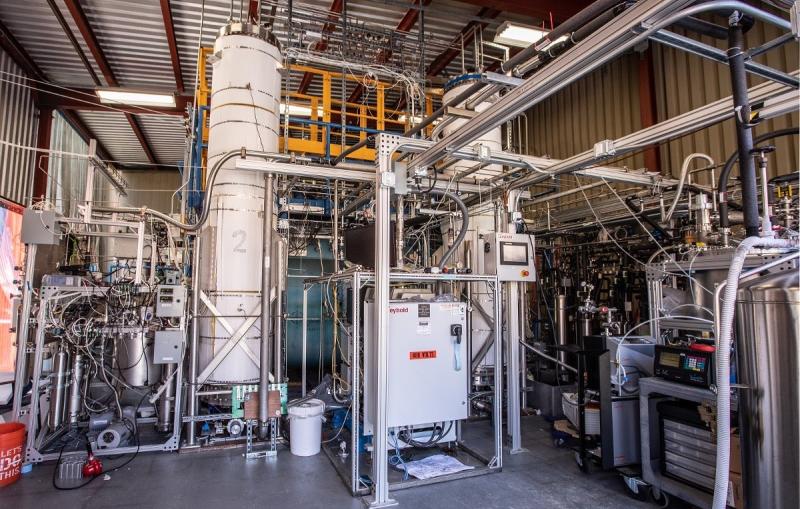
An enormous vat of pure liquid xenon will help scientists at SLAC and around the globe learn more about the universe.

A collection of pipes, towers, and other equipment
Animation
This animation shows how krypton (red) is removed from xenon gas (blue) by flowing the combined gases through a column...
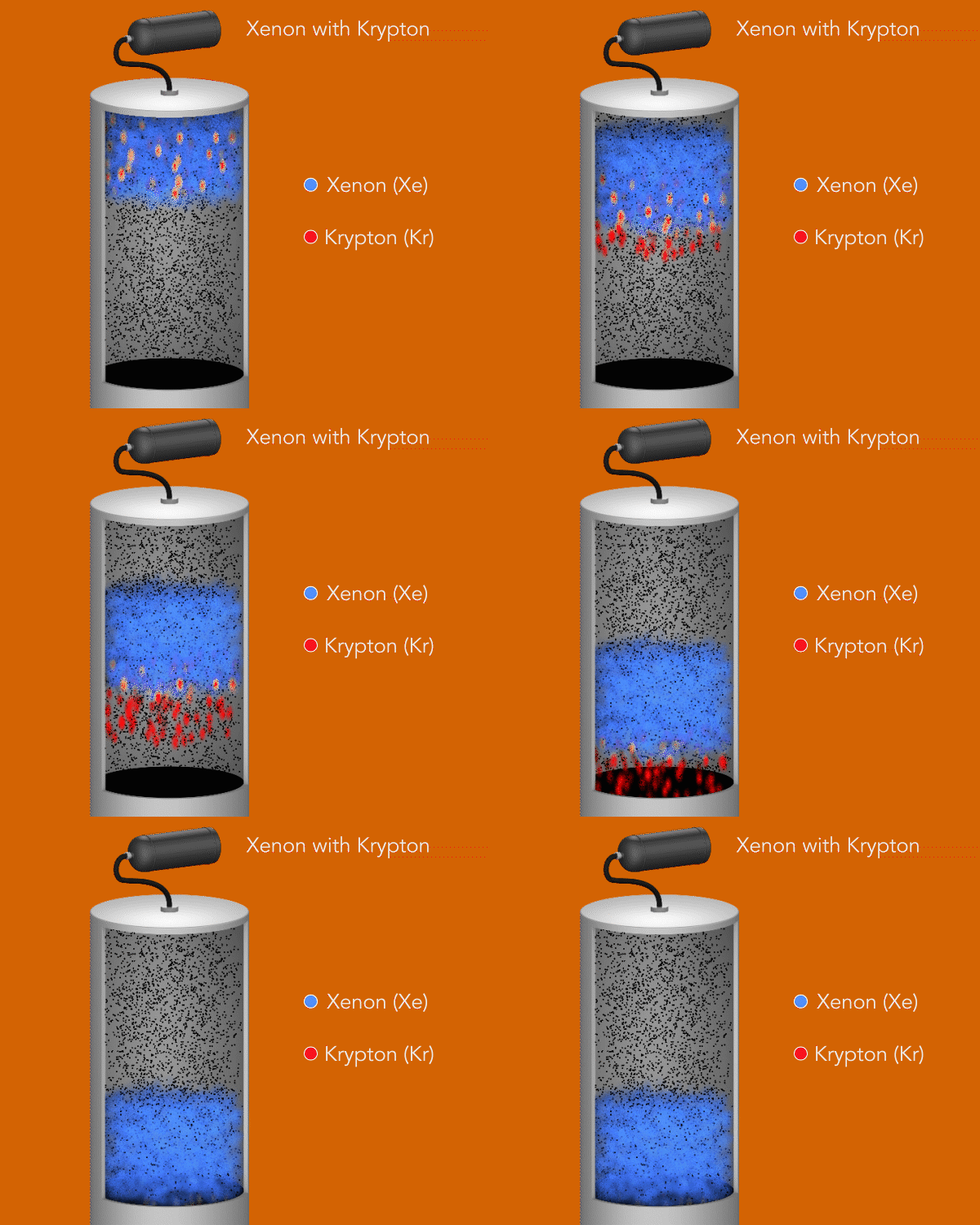
A blue cloud with red spots travels downward, passing gray spots. As it does, the red spots move downward faster.
Feature

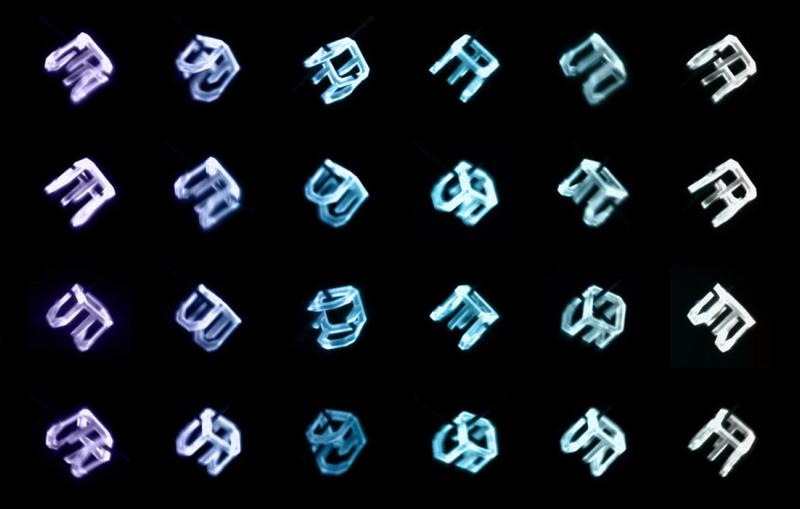
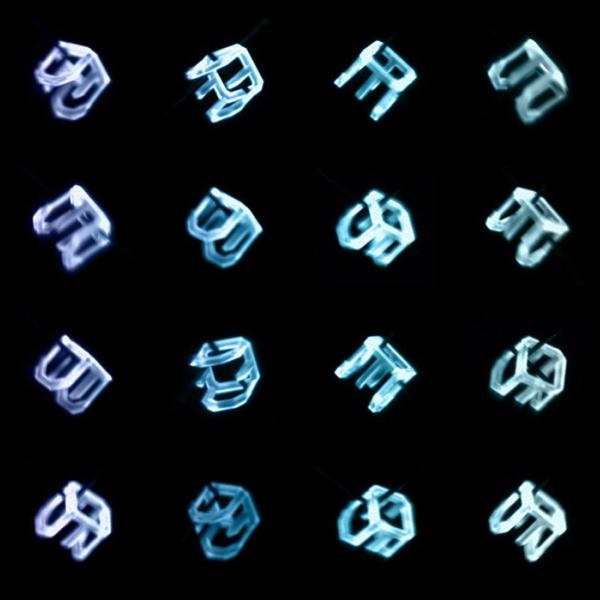
To capture as much information as possible about clouds of atoms at the heart of the MAGIS-100 experiment, SLAC scientists devised a dome of...

an array of rainbow-tinted views of a tiny 3D object that spells "DOE"
Feature

They’ll work on experiments that search for dark matter particles and exotic neutrino decays that could help explain why there’s more matter than antimatter...

Side-by-side portraits of Brian Lenardo and Chelsea Bartram
Feature

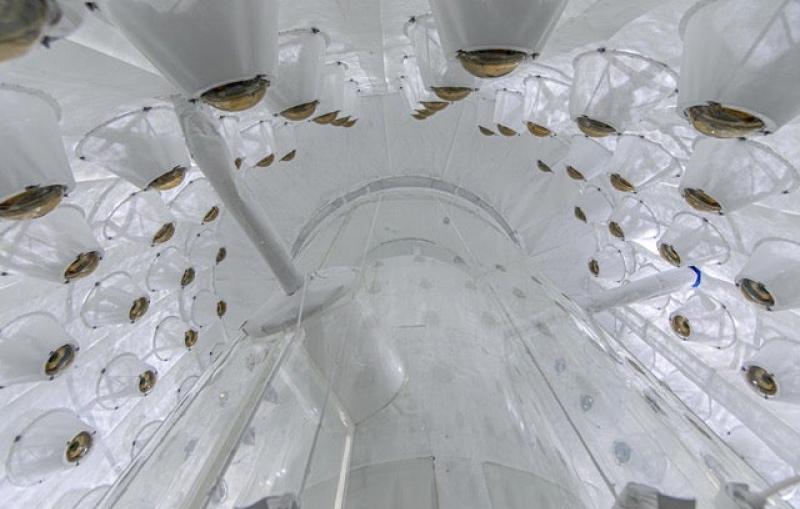
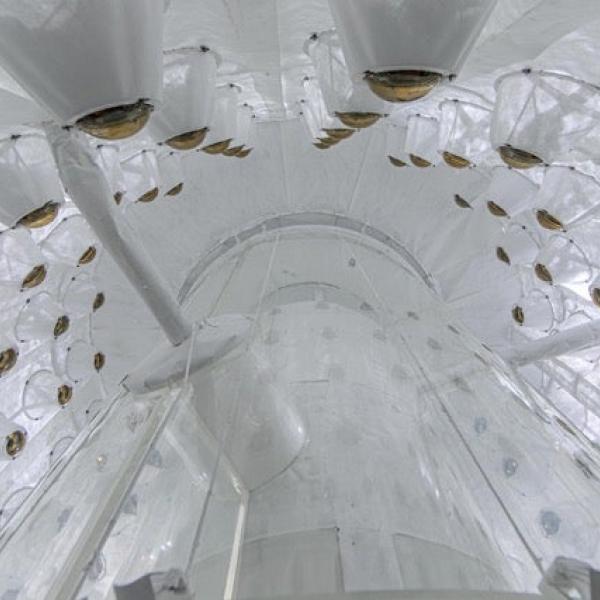
SLAC researchers contributed to the design, construction, testing and analysis of the experiment, which has already put the tightest bounds yet on a popular...

Bubble-like glass lenses inside a white cylindrical apparatus.
Feature

Toro and Schuster are being recognized for their contributions to the design of experiments that use particle accelerators to search for dark matter particles.

SLAC physicists Natalia Toro and Philip Schuster
Feature

Edelen draws on machine learning to fine tune particle accelerators, while Kurinsky develops dark matter detectors informed by quantum information science.

Side by side photographs of a woman and a man.
Feature

The Rubin Observatory's LSST Camera will take enormously detailed images of the night sky from atop a mountain in Chile. Down below the mountain...

LSST data illustration
Feature

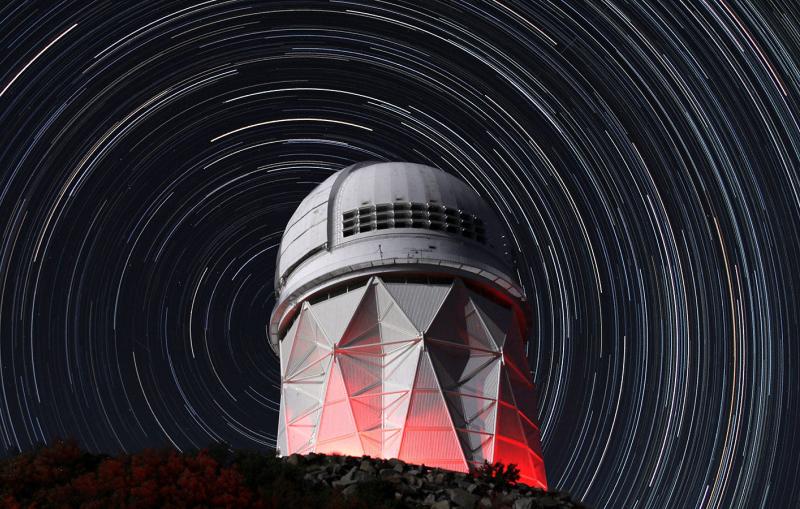
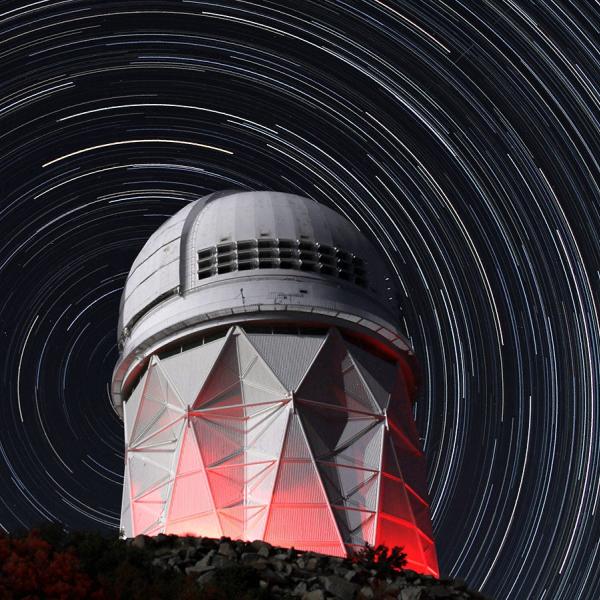
DESI has already mapped out more galaxies than all previous 3D surveys combined, and it's just getting started.

Mayall Telescope Star Trails
Feature

Managing the unprecedented amount of data that will soon stream from Rubin Observatory means more than buying tons of hard drives. SLAC scientist Richard...

A bearded man with glasses poses at a railing inside a building.