

SLAC topics

Dark matter RSS feed

One of modern science’s biggest mysteries is dark matter, an invisible form of matter that shapes galaxy rotation and bends rays of light. No one knows what dark matter is, but scientists are carrying out a number of experiments to learn more.

Related links:
Physics of the universe
Astrophysics and cosmology

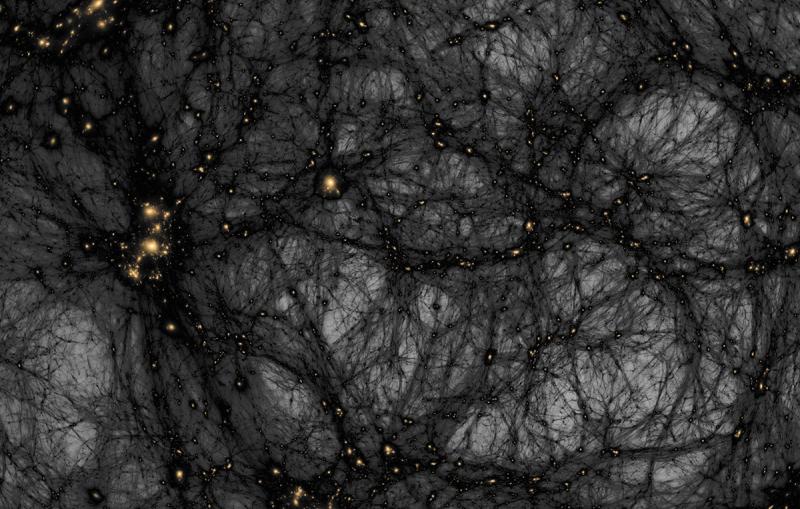
Formation of dark matter structures.
Feature
VIA Symmetry Magazine

The building boom

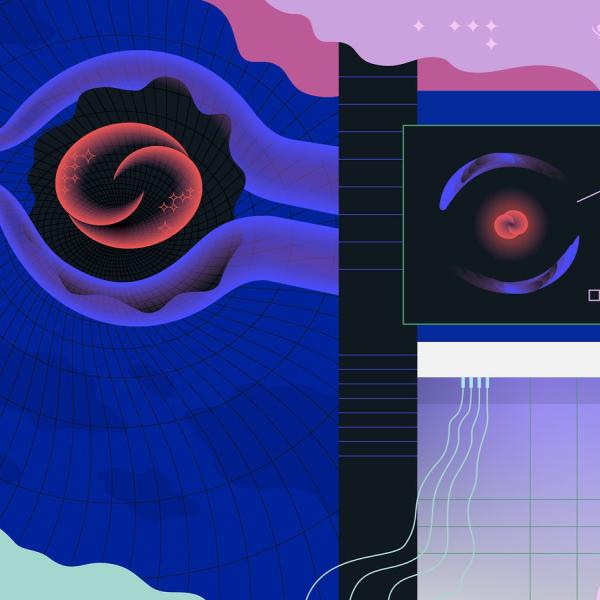
These projects, selected during the process to plan the future of US particle physics, are all set to come online within the next 10...

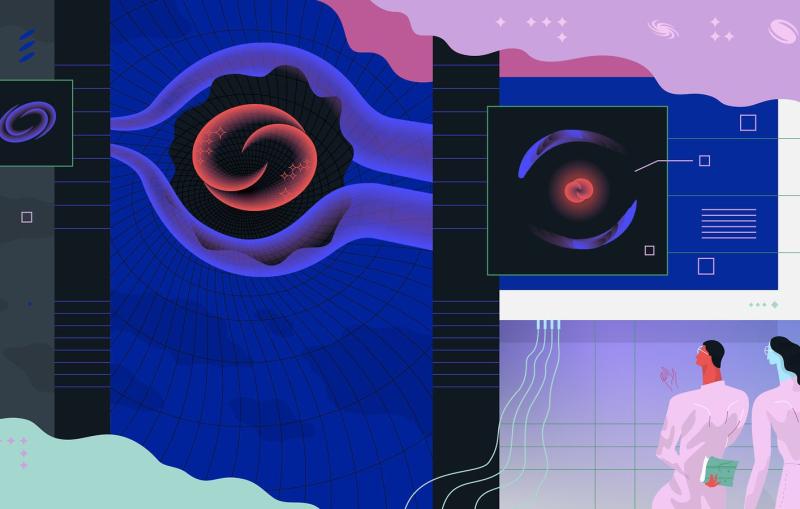
Illustration of various science experiments
Feature

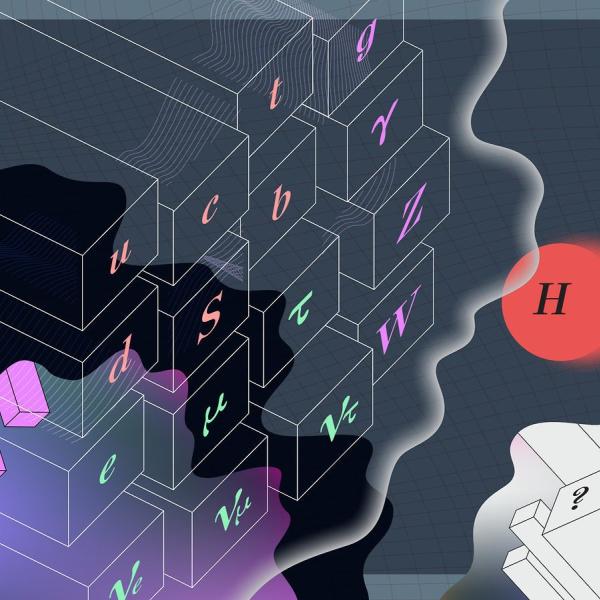
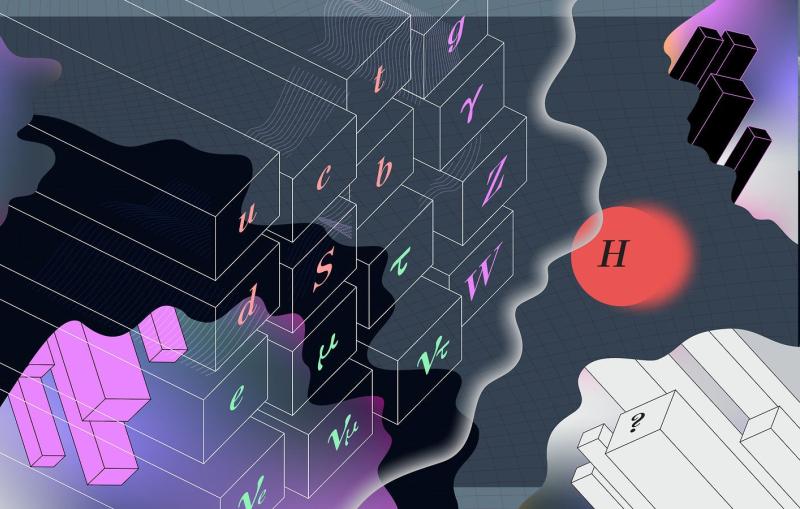
Our best model of particle physics explains only about 5 percent of the universe.

Feature

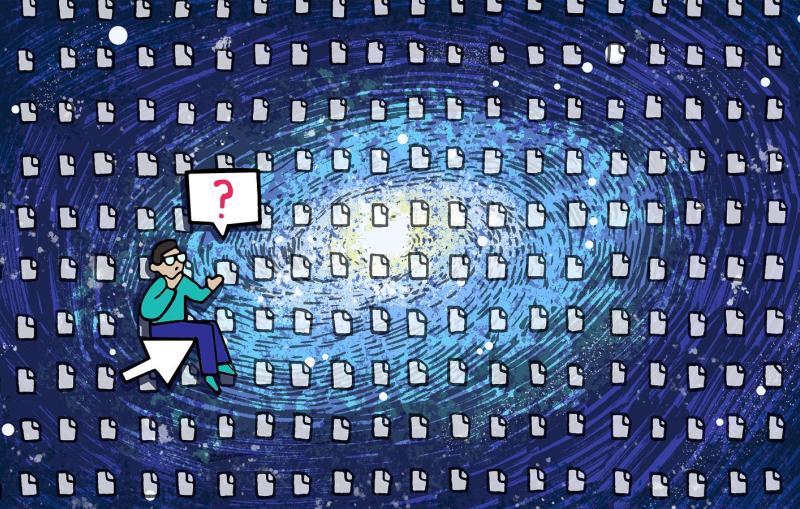
To keep up with an impending astronomical increase in data about our universe, astrophysicists turn to machine learning.

Feature

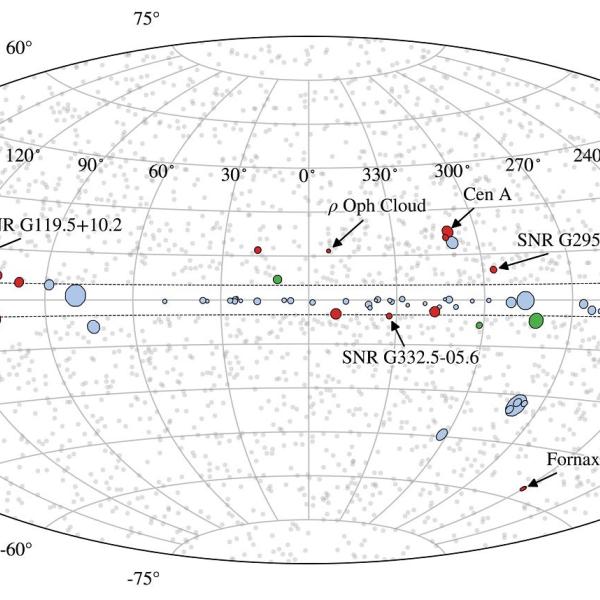
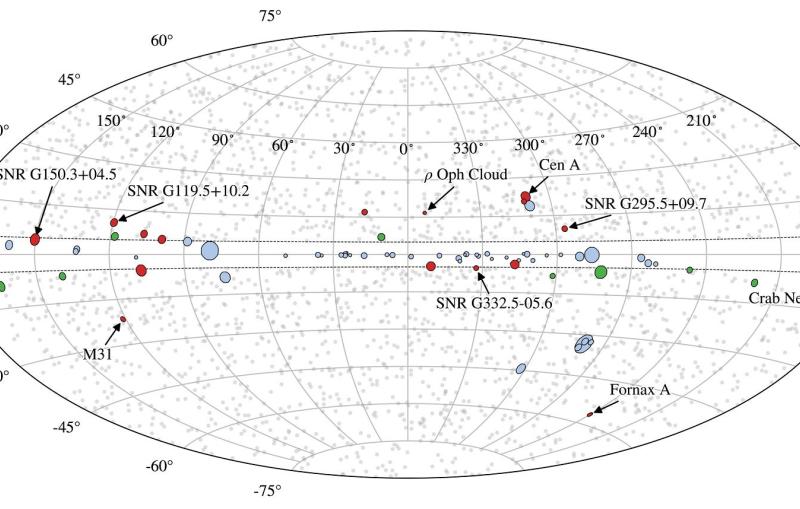
Astrophysicists use a catalog of extended gamma-ray sources spotted by Fermi spacecraft to home in on mysterious properties of deep space.

Fermi extended sources
Feature

SLAC receives three awards for the development of quantum technology for dark matter searches and quantum computing

Quantum Information Science
Feature
VIA Symmetry Magazine

Dark matter vibes

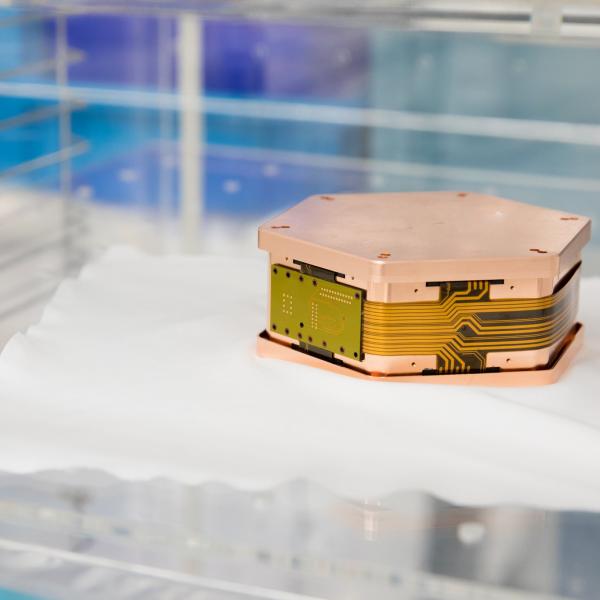
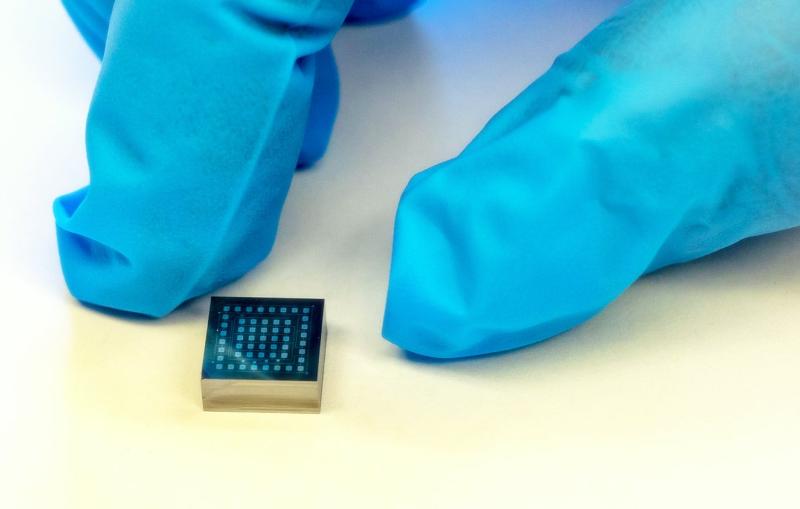
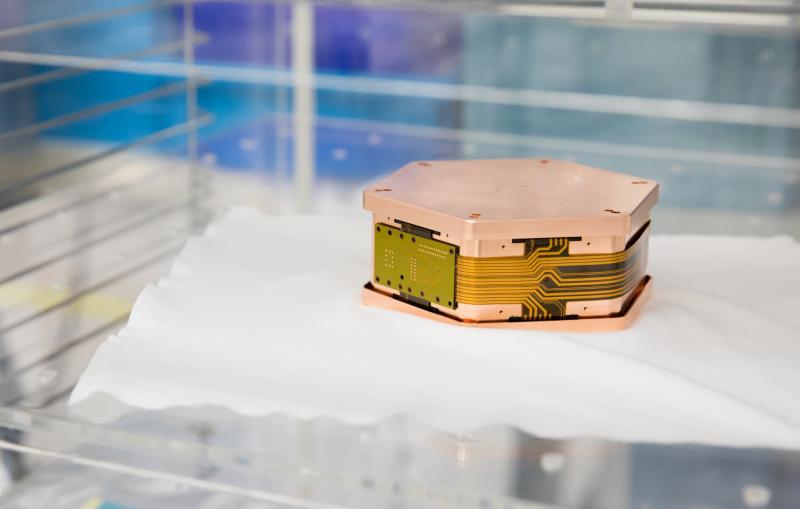
New technology could help future SuperCDMS SNOLAB experiment expand the search for light dark matter particles

SuperCDMS Prototype Crystal
Feature

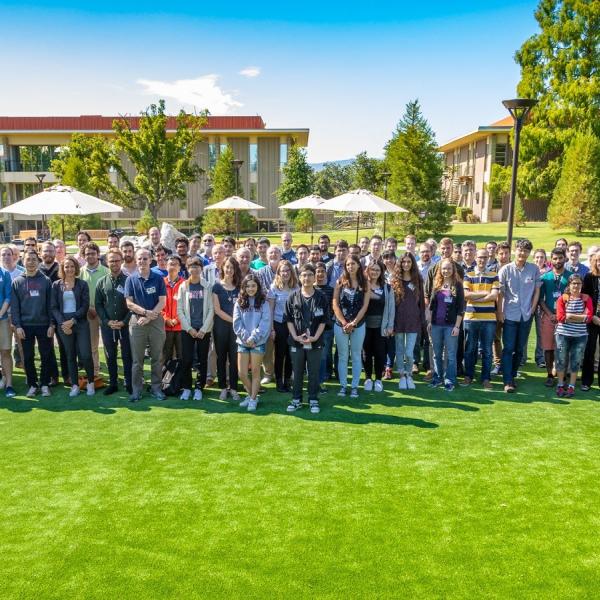
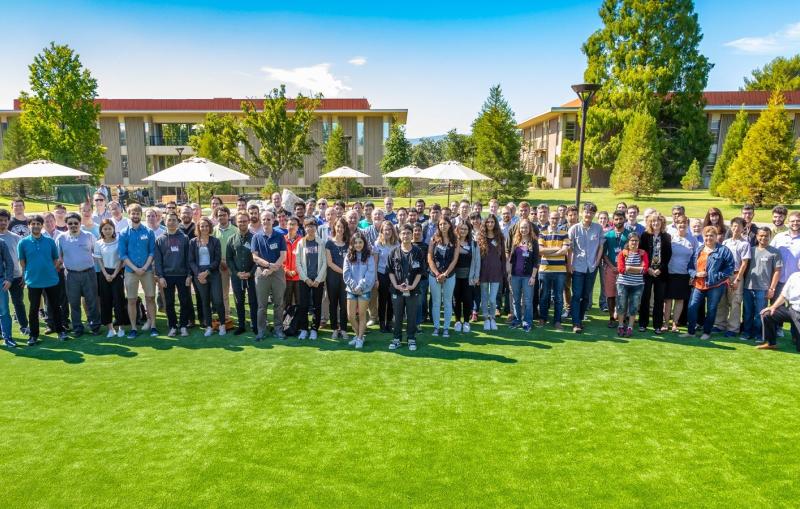
The event attracted 124 participants and explores the successes and challenges of the theory that describes subatomic particles and fundamental forces.

SSI 2018
Feature
VIA Symmetry Magazine

Waiting for a Sign

Some scientists spend decades trying to catch a glimpse of a rare process.

News Release

The SuperCDMS SNOLAB project, a multi-institutional effort led by SLAC, is expanding the hunt for dark matter to particles with properties not accessible to...

SuperCDMS Detector 2
Illustration
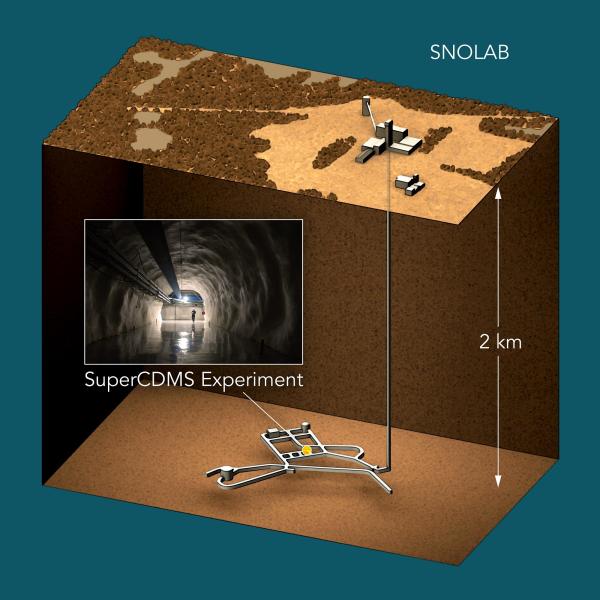
The SuperCDMS dark matter experiment will be located at the Canadian laboratory SNOLAB, 2 kilometers (6,800 feet) underground inside a...
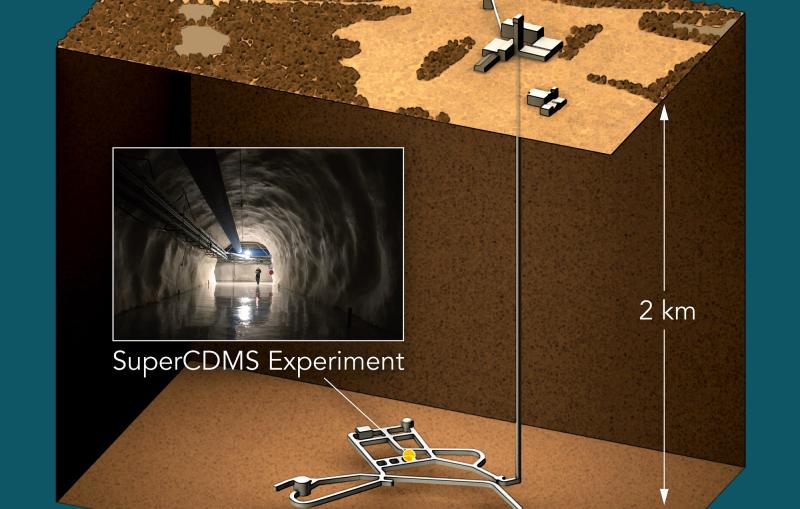
SuperCDMS Location
Feature

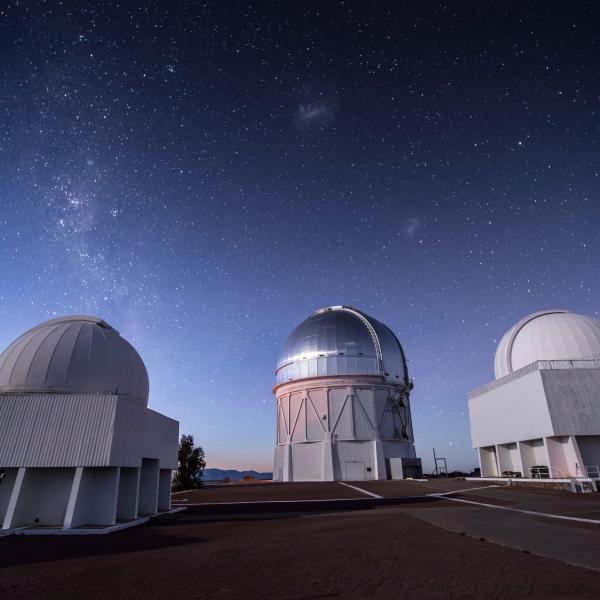
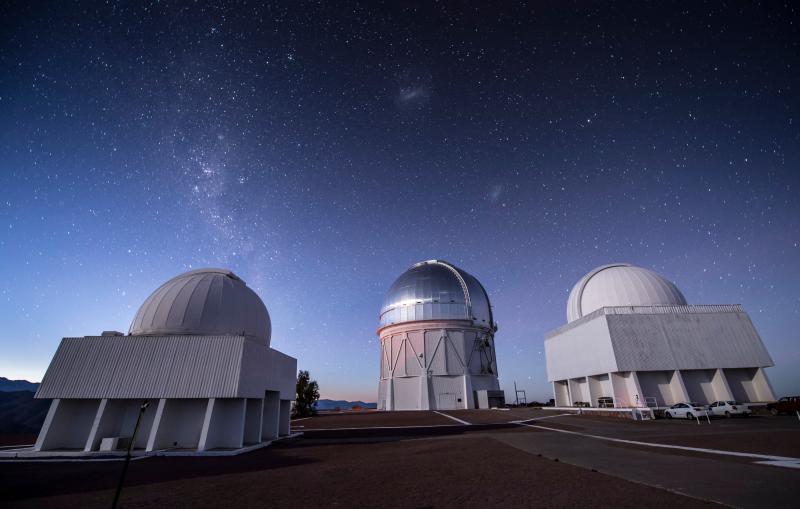
The Large Synoptic Survey Telescope will track billions of objects for 10 years, creating unprecedented opportunities for studies of cosmic mysteries.

LSST
Video

Public lecture presented by Hendrik Vogel

Video