
SLAC topics

Accelerators RSS feed

Accelerators form the backbone of SLAC’s national user facilities. They generate some of the highest quality particle beams in the world, helping thousands of scientists perform groundbreaking experiments each year.

Browse tagged content

Linac towards SLAC campus
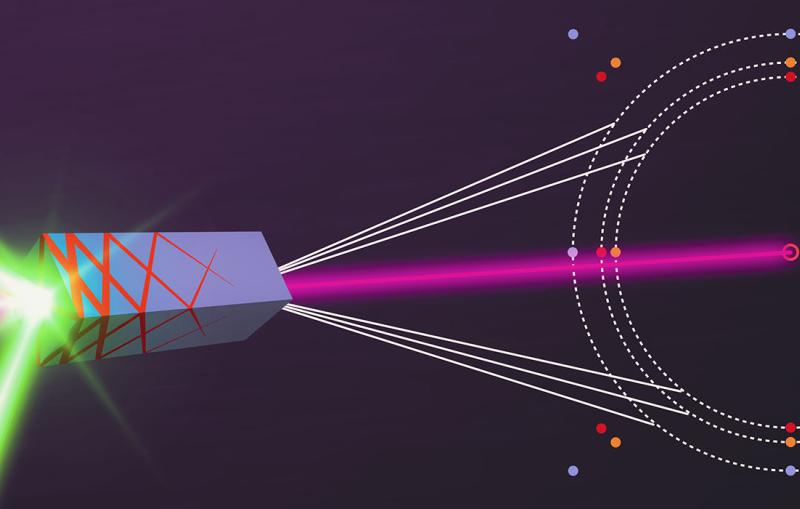
Illustration

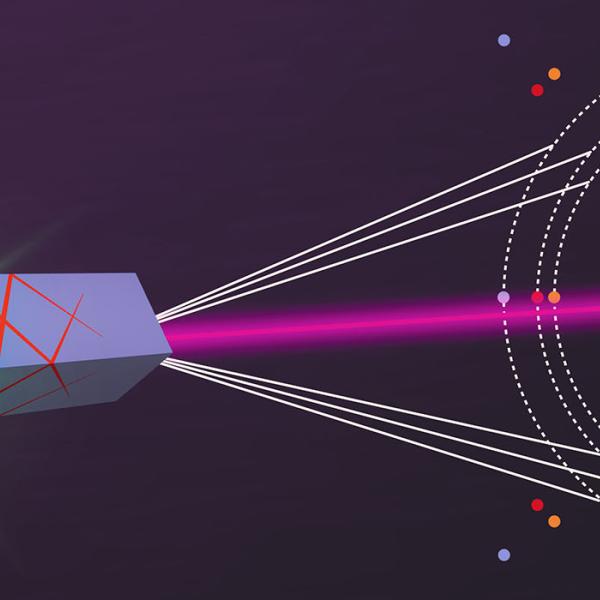
Scientists use a series of magnets to transform an electron bunch into a narrow current spike which then produces a very intense attosecond X-ray...
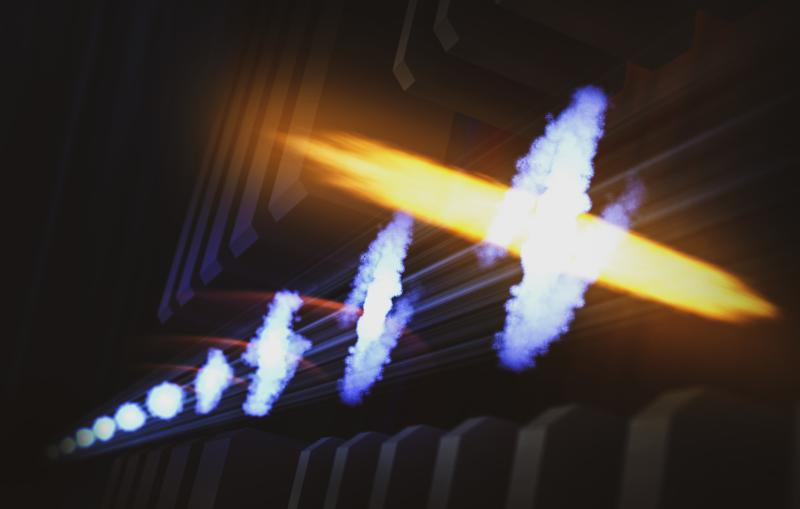
XLEAP illustration
Photograph

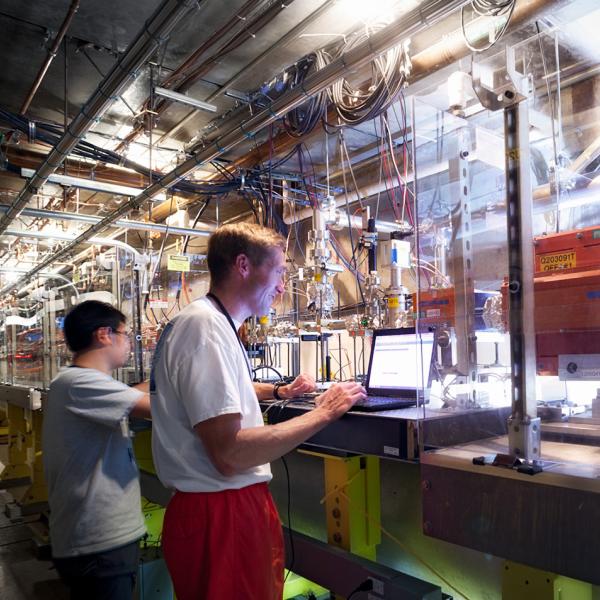
A look inside SLAC’s FACET-II test facility, where scientists use electron beams to advance revolutionary technologies that could make future particle accelerators much smaller...
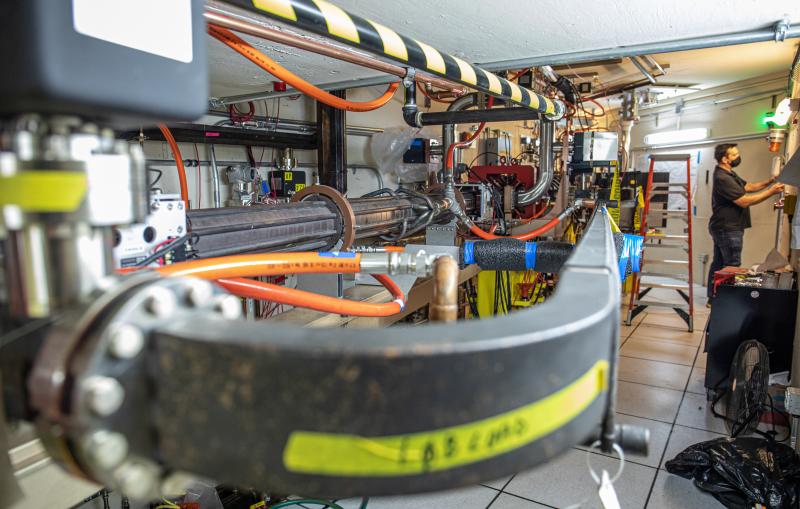
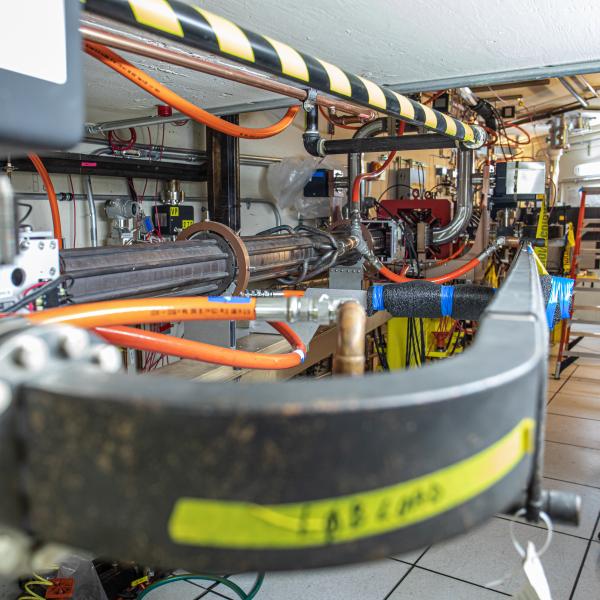
A look inside SLAC’s FACET-II test facility.
Photograph
Facility for Advanced Accelerator Experimental Tests (FACET-II).
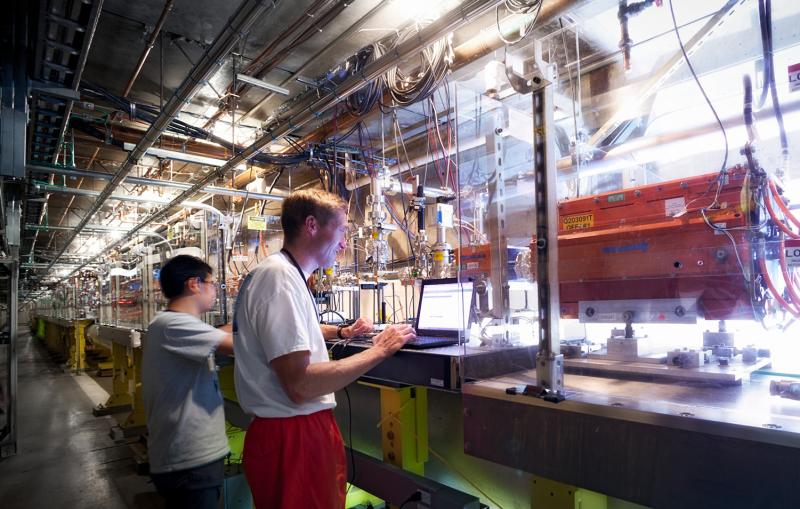
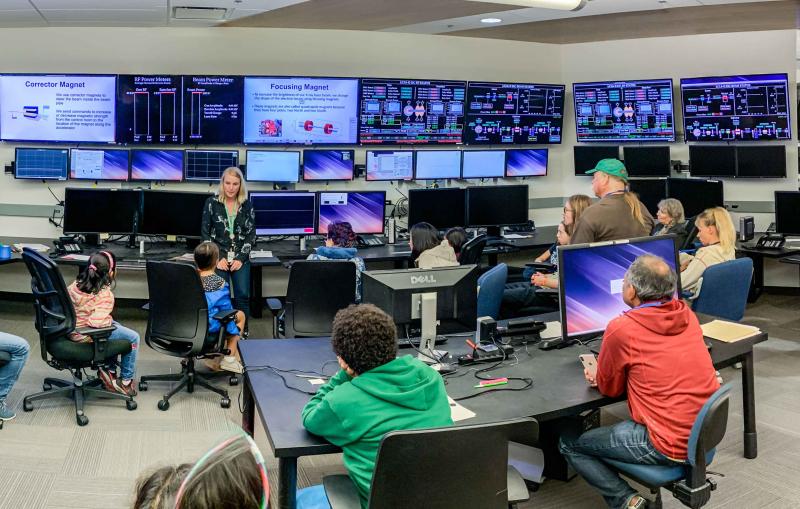
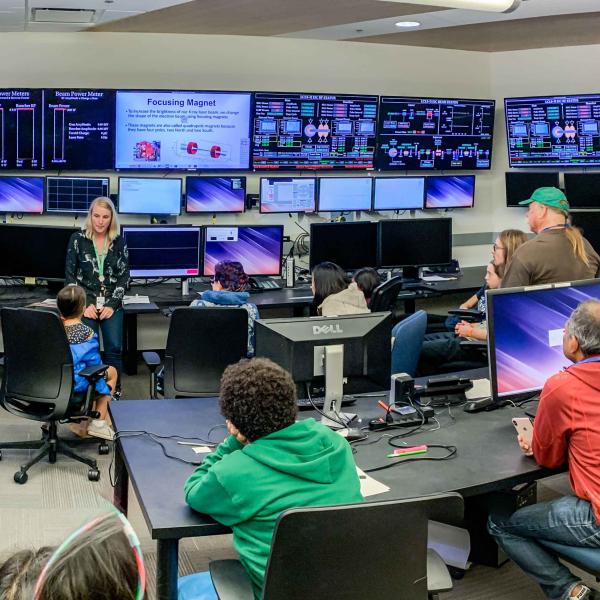
Scientific users and staff at FACET-II
Feature

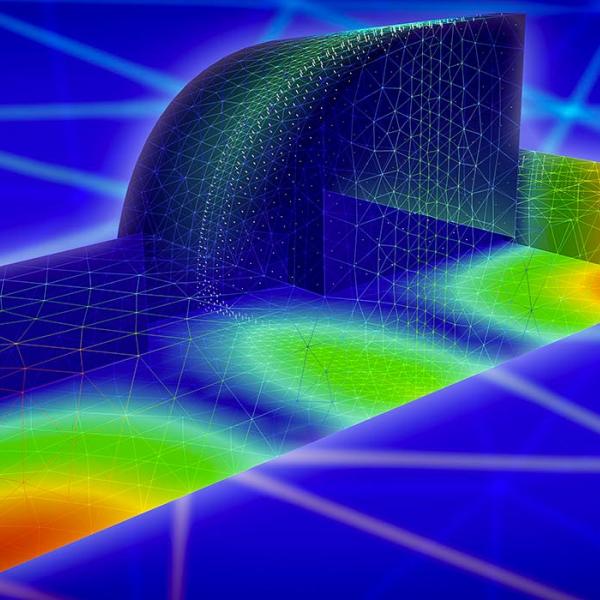
SLAC works with two small businesses to make its ACE3P software easier to use in supercomputer simulations for optimizing the shapes of accelerator structures.

A large, complex shape is seen against a blue background crisscrossed with white lines. The shape is dark blue and resembles a brick partially topped with a thick shark’s fin. Three areas of bright red, orange and green, are on the shape’s bottom edge.
Illustration

With help from two small businesses, SLAC’s vintage ACE3P software is spreading its wings to make supercomputing easier and faster.
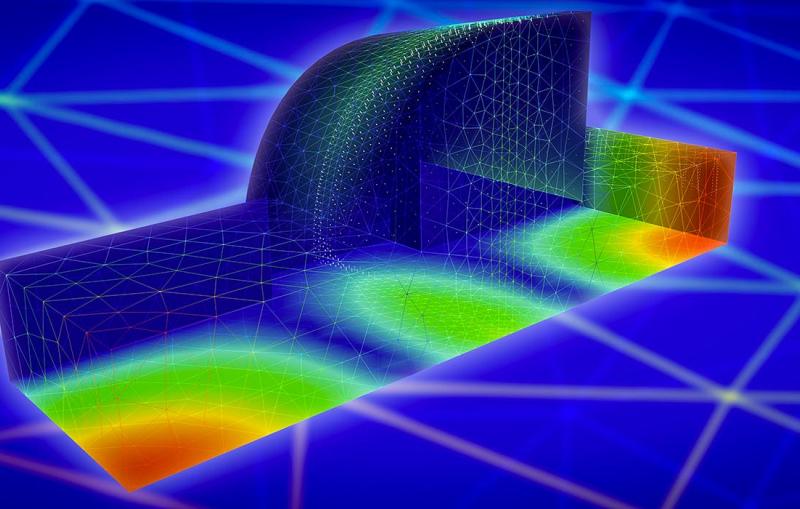
A large, complex shape is seen against a blue background crisscrossed with white lines. The shape is dark blue and resembles a brick partially topped with a thick shark’s fin. Three areas of bright red, orange and green, are on the shape’s bottom edge.
News Brief

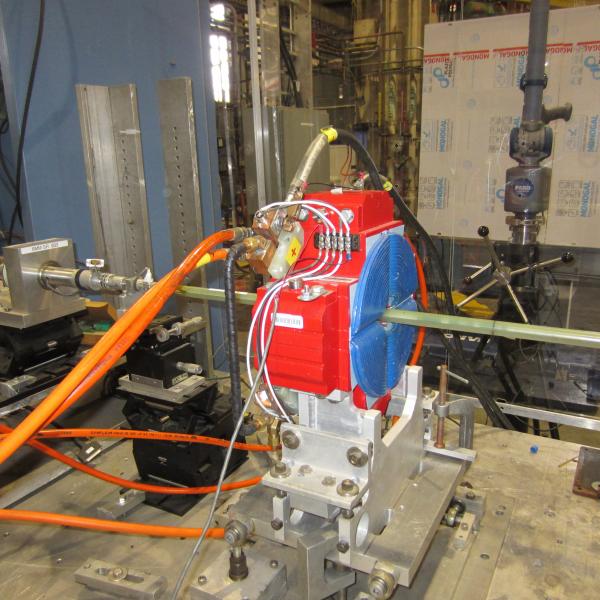
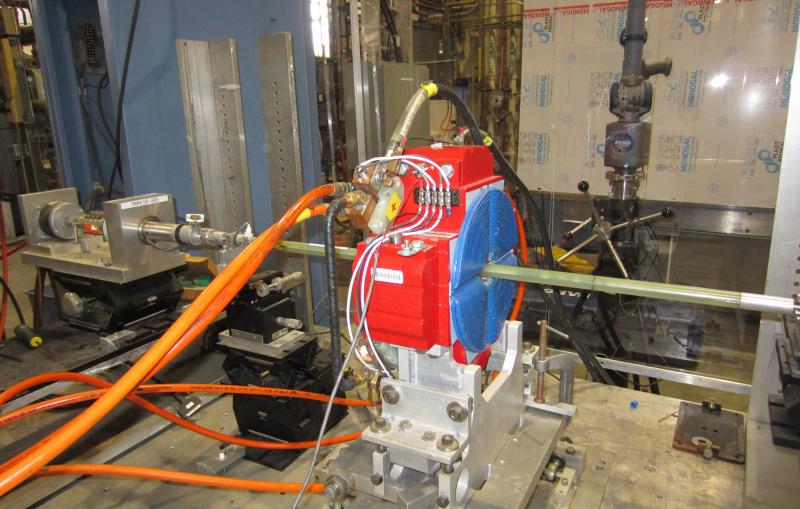
Knowing a magnet’s past will allow scientists to customize particle beams more precisely in the future. As accelerators stretch for higher levels of performance...

A magnet on a test stand inside SLAC National Accelerator Laboratory.
Feature

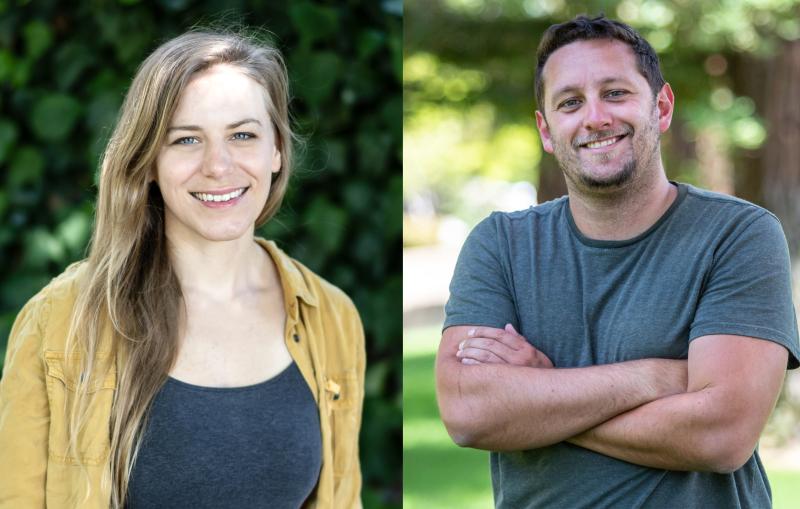
Edelen draws on machine learning to fine tune particle accelerators, while Kurinsky develops dark matter detectors informed by quantum information science.

Side by side photographs of a woman and a man.
News Release

The facility, LCLS-II, will soon sharpen our view of how nature works on ultrasmall, ultrafast scales, impacting everything from quantum devices to clean energy.

LCLS-II cooldown
Animation
Now that the cavities have been cooled, the next step is to pump them with more than a megawatt of...
Cryomodule cavity animation
Illustration

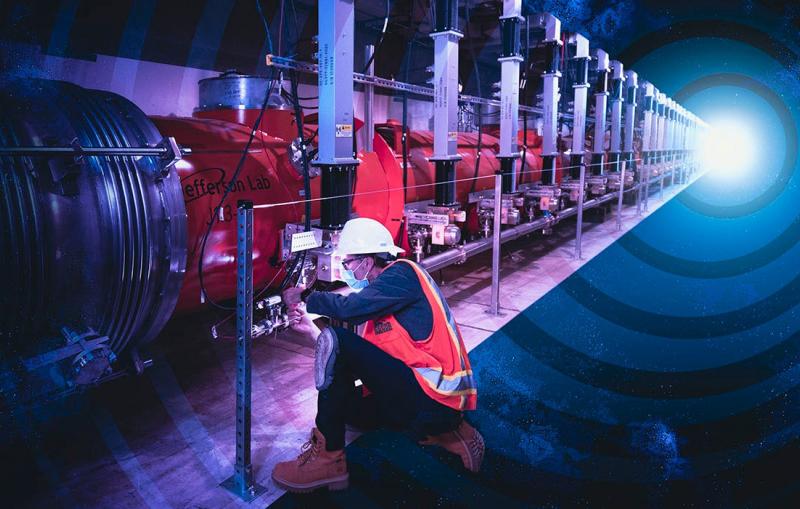
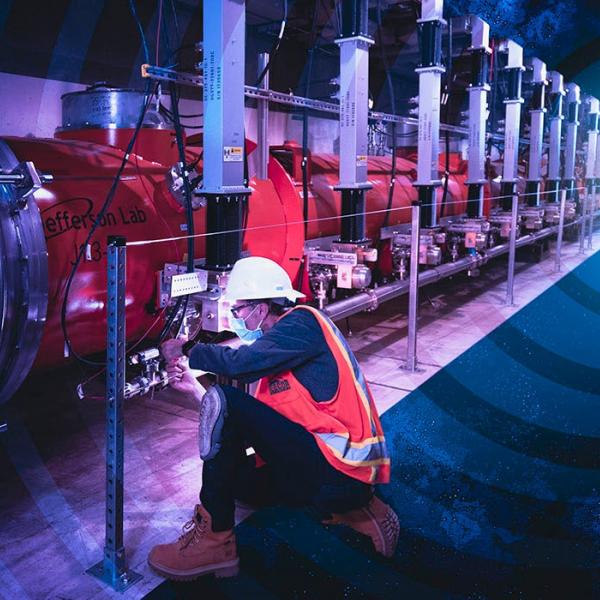
A half-mile-long stretch of tunnel in Menlo Park, California is now colder than most of the universe.

LCLS-II cooldown
Feature

SLAC’s Matt Garrett and Susan Simpkins talk about tech transfer that brings innovations from the national lab to the people, including advances for medical...

Tech Transfer
Feature

Over the past few years, Kathleen Ratcliffe and Tien Fak Tan have worked together to help build the superconducting accelerator that will drive new...

SLAC's Tien Tan, left, and Kathleen Ratcliffe pose for a portrait outside a SLAC building.