


SLAC topics

Accelerators RSS feed

Accelerators form the backbone of SLAC’s national user facilities. They generate some of the highest quality particle beams in the world, helping thousands of scientists perform groundbreaking experiments each year.

Browse tagged content

Linac towards SLAC campus
Feature

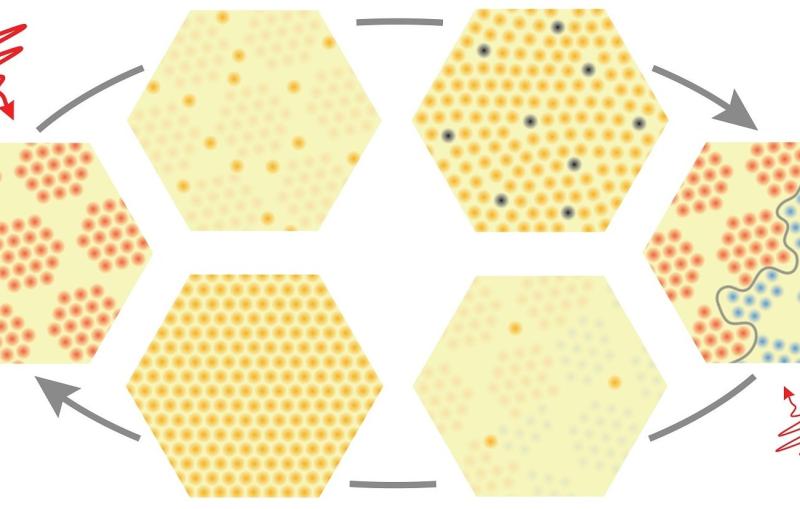
Ultrafast manipulation of material properties with light could stimulate the development of novel electronics, including quantum computers.

Topological Switch Lead Art
Feature

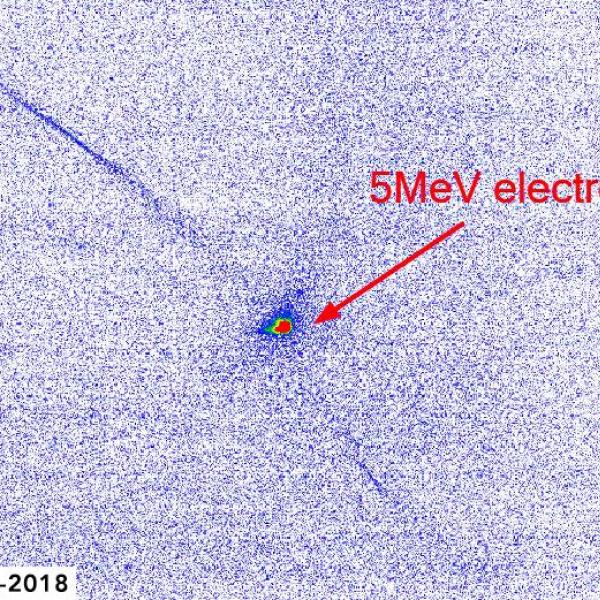
An advisory committee is evaluating proposals for first experiments at SLAC’s future FACET-II accelerator facility.

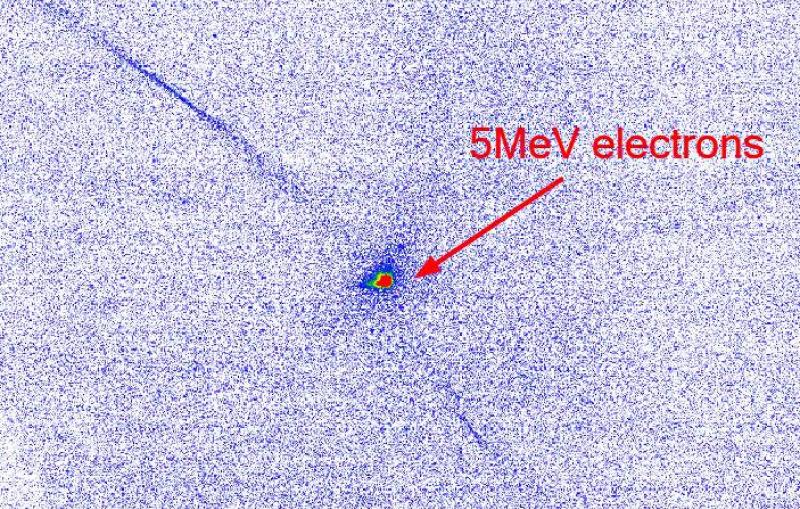
FACET-II First Electrons
Feature

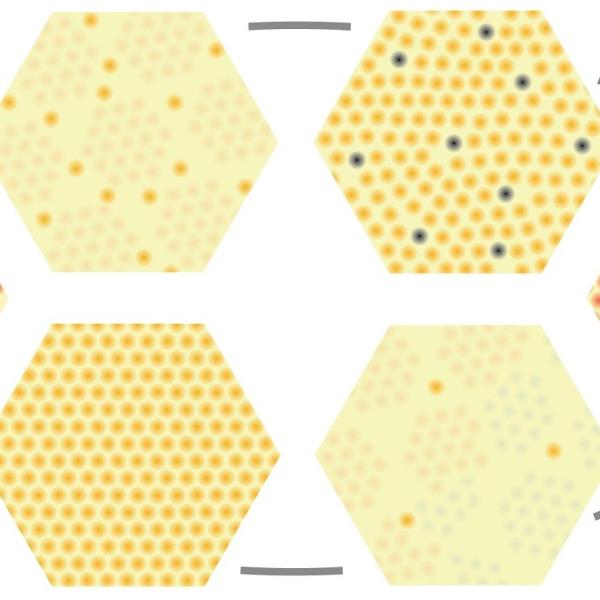
Switches like this one, discovered with SLAC’s ultrafast ‘electron camera’, could offer a new, simple path to storing data in next-generation devices.

Single Pulse Material Switch
Feature

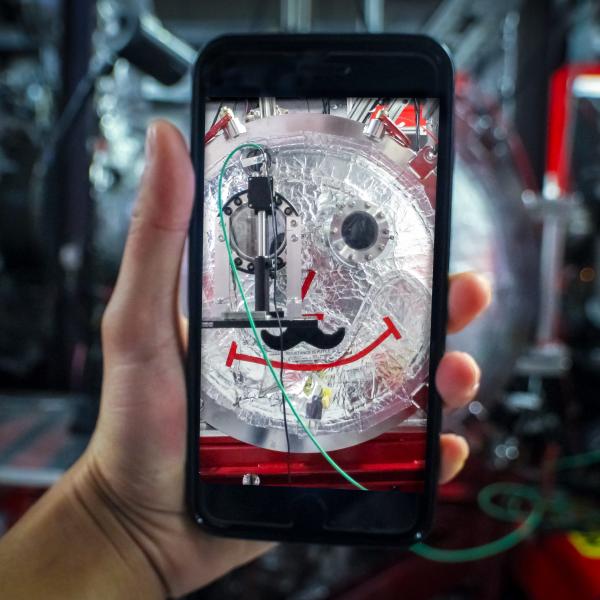
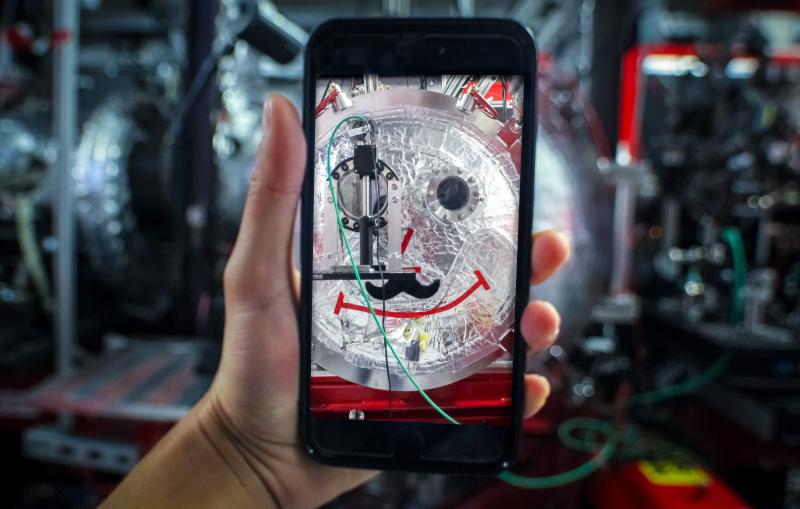
The SLAC Photowalk took a group of photographers, both amateur and professional, behind the scenes to photograph SLAC's world-class science facilities, including the world's...

Photowalk: CXI chamber
Video

This video explains how researchers at SLAC are using a method known as ultrafast electron diffraction (UED) to develop an atomic-level understanding of how...

Video
News Release

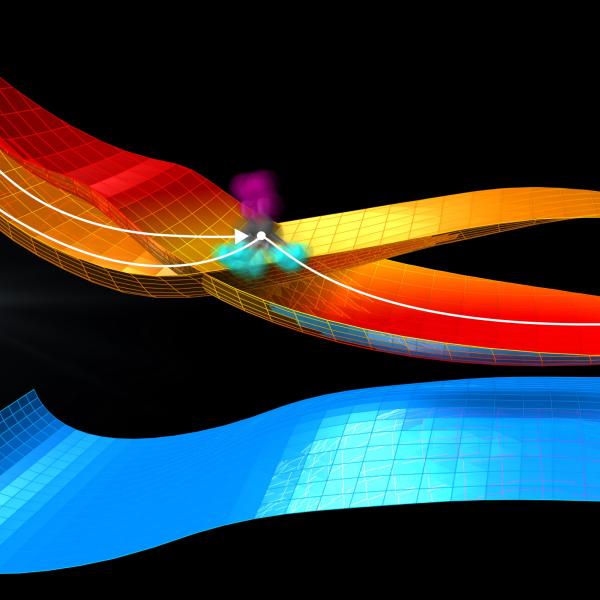
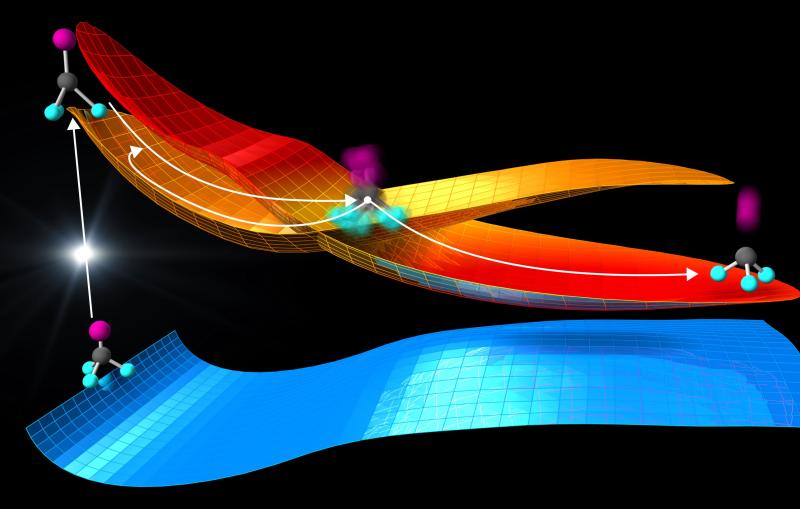
To break, or not to break: An unprecedented atomic movie captures the moment when molecules decide how to respond to light.

UED Bond Breaking
Animation
Animation of a trifluoroiodomethane molecule (carbon shown in black, fluoride in green, iodine in pink) responding to laser light. The...
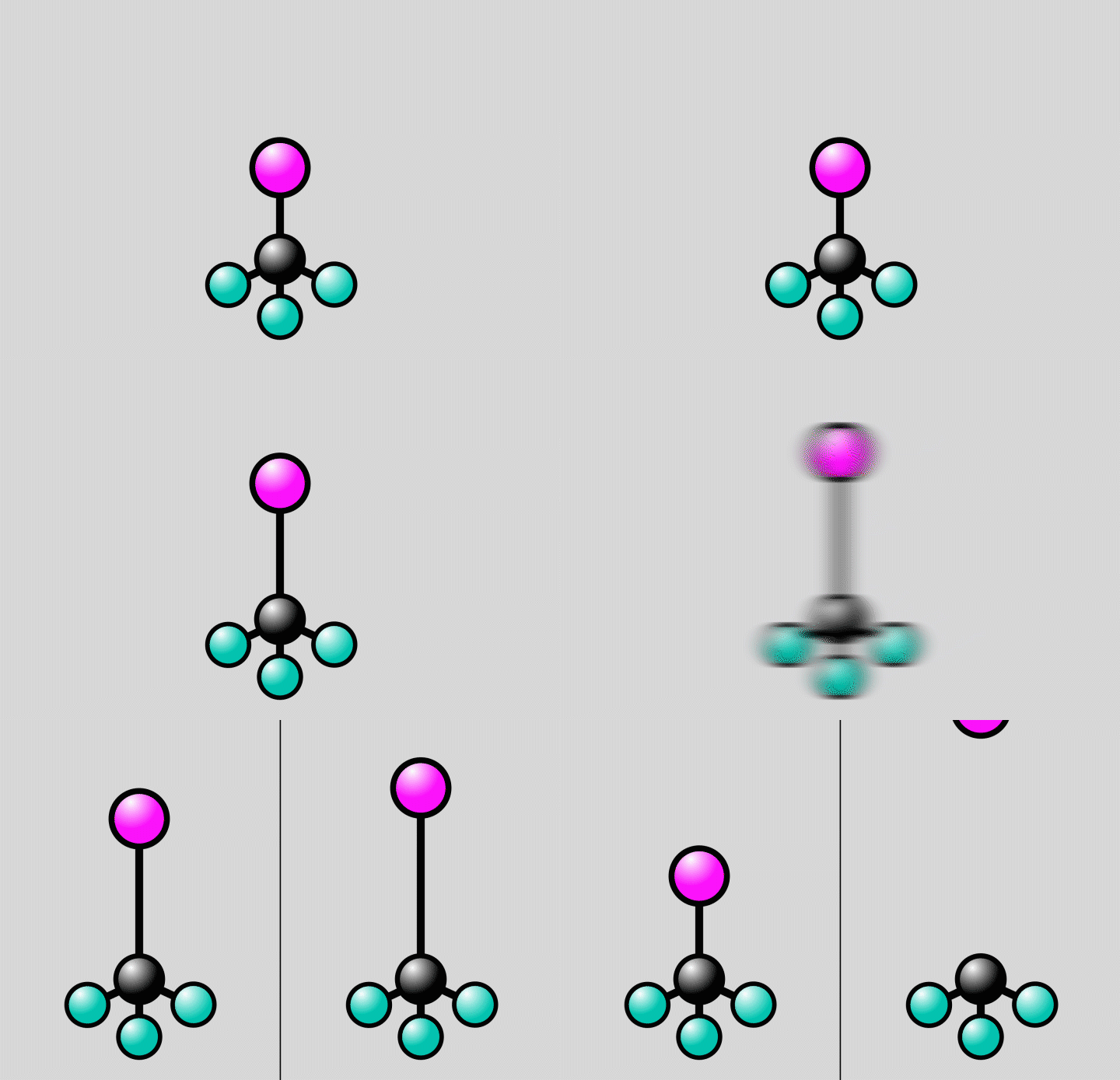
UED Bond Breaking
News Release

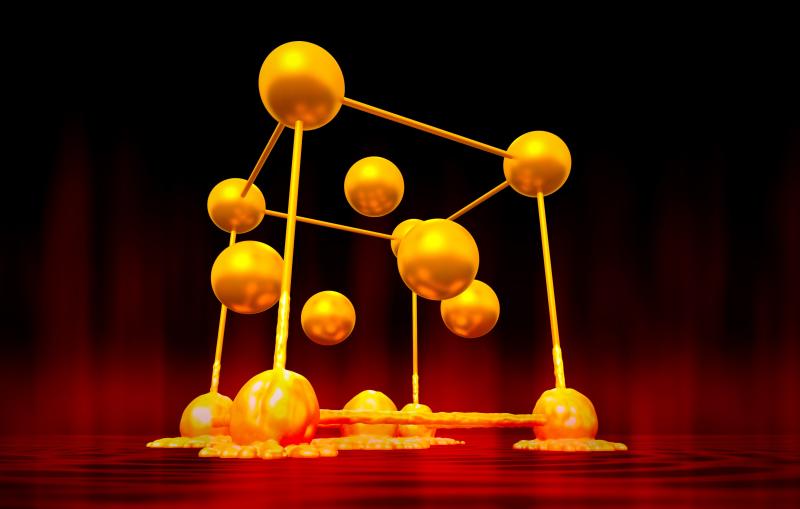
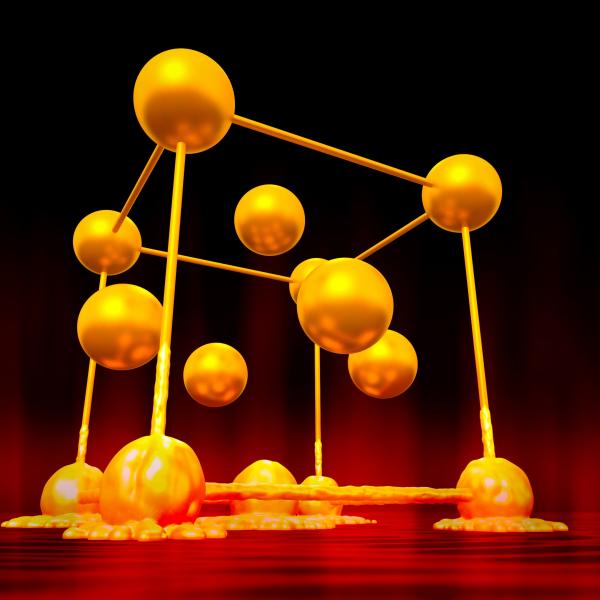
SLAC’s high-speed ‘electron camera’ shows for the first time the coexistence of solid and liquid in laser-heated gold, providing new clues for designing materials...

UED Gold Melting
Animation
This movie shows the transition of a gold sample from a solid (dotted pattern) to a liquid (ring pattern) after...
UED Gold Melting
Animation

This animation shows the results of a recent study at SLAC, in which researchers used a powerful beam of electrons to watch gold melt...

UED Gold Melting
News Release

The goal: develop plasma technologies that could shrink future accelerators up to 1,000 times, potentially paving the way for next-generation particle colliders and powerful...

FACET-II science
Illustration

Researchers will use FACET-II to develop the plasma wakefield acceleration method, in which researchers send a bunch of very energetic particles through a hot...

FACET-II science