SLAC topics

Accelerators RSS feed

Accelerators form the backbone of SLAC’s national user facilities. They generate some of the highest quality particle beams in the world, helping thousands of scientists perform groundbreaking experiments each year.

Browse tagged content

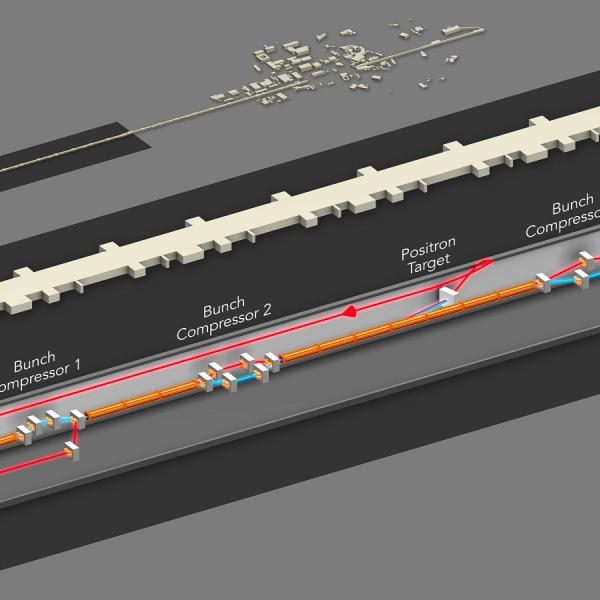
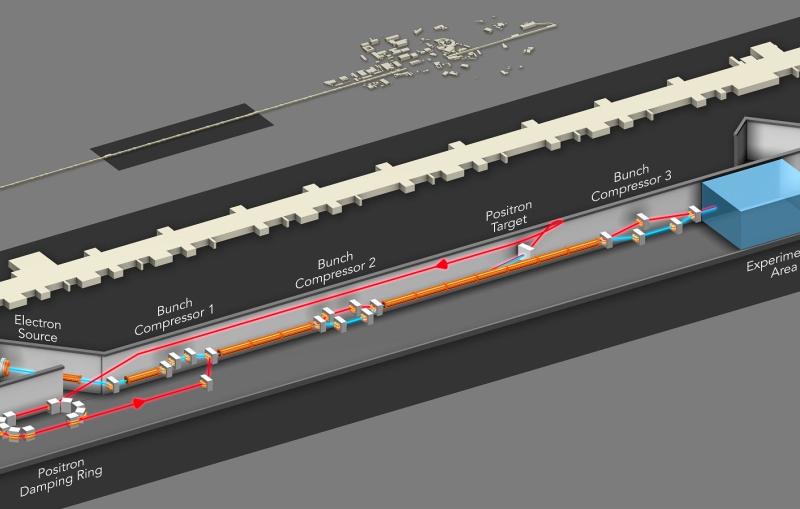
Linac towards SLAC campus
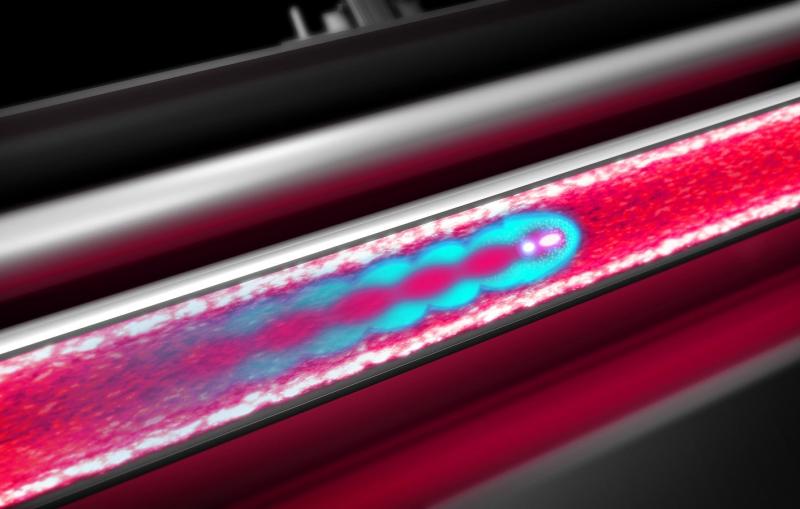
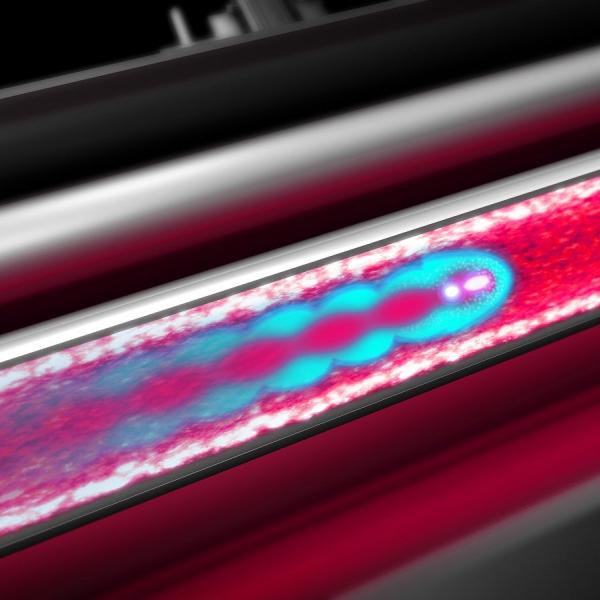
Illustration

FACET-II will pave the way for a future generation of particle colliders and powerful light sources
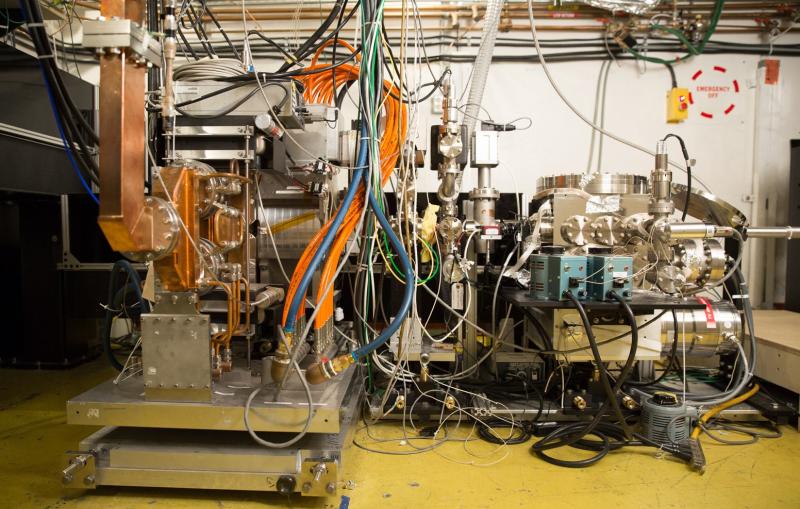
FACET-II Facility
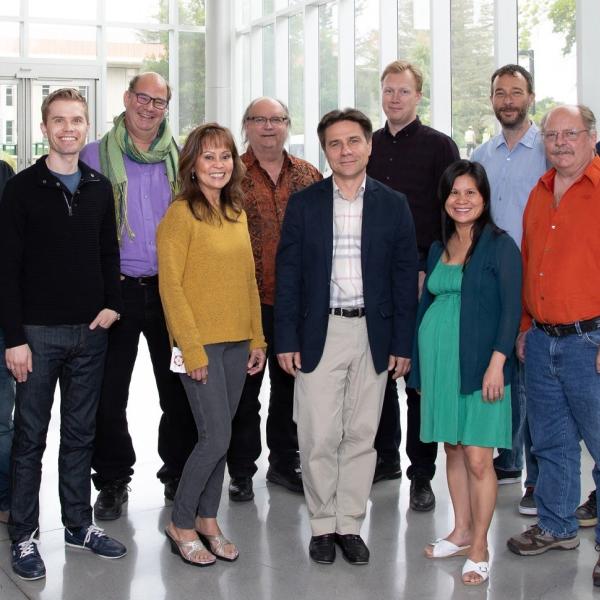
Photograph

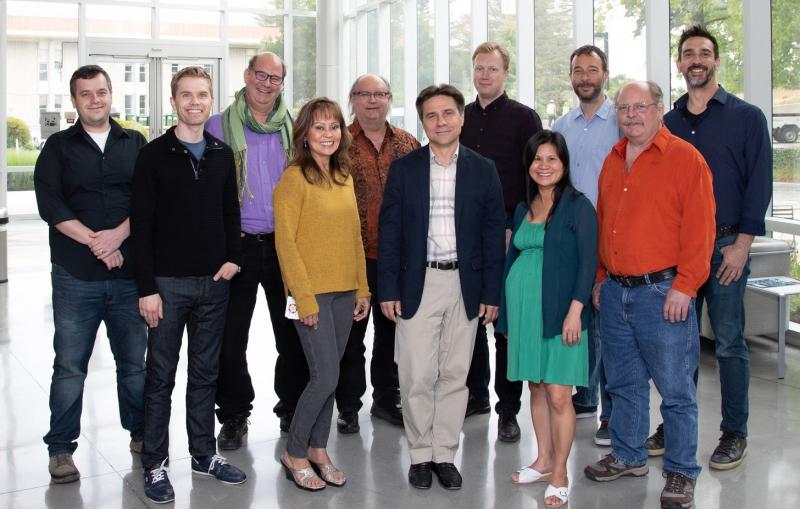
FACET-II team, May, 2018.

FACET-II Team
Feature

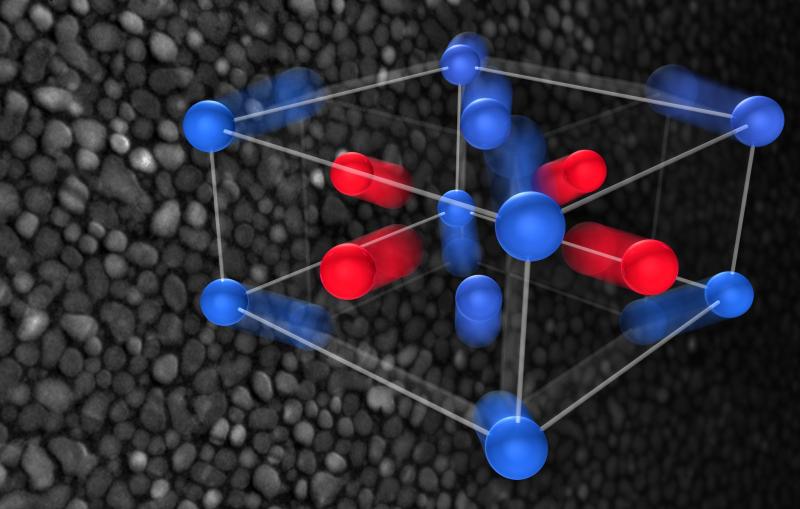
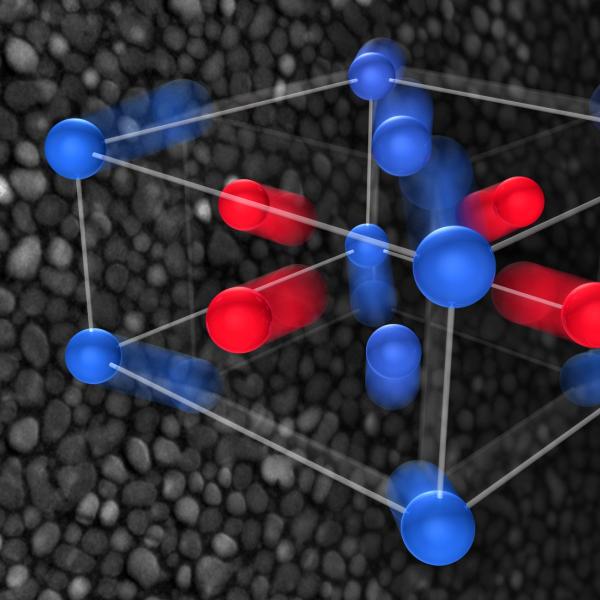
A team including SLAC researchers has measured the intricate interactions between atomic nuclei and electrons that are key to understanding intriguing materials properties, such...

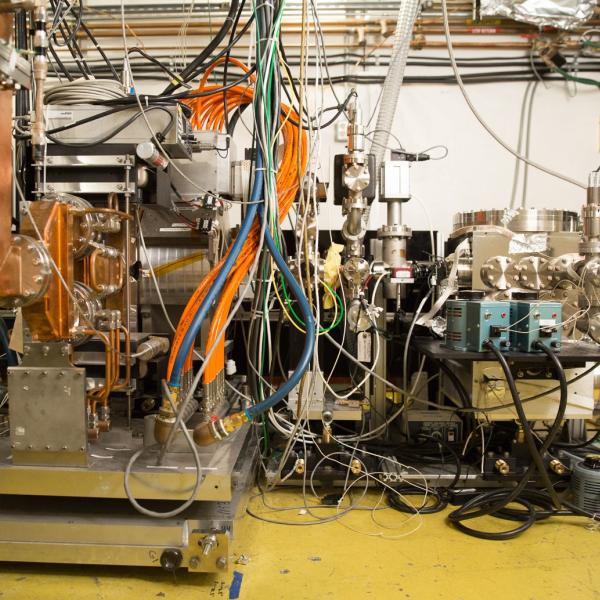
UED Setup
Feature

The new technology could allow next-generation instruments to explore the atomic world in ever more detail.

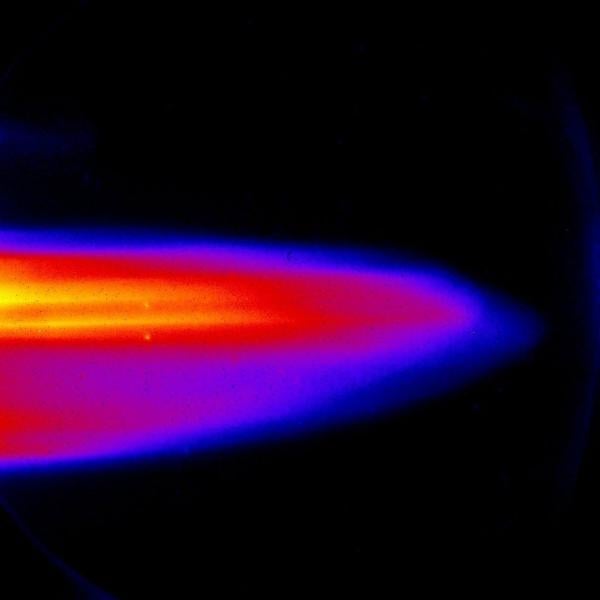
Beam from SRF gun
Feature

The new technique will allow researchers to observe ultrafast chemical processes previously undetectable at the atomic scale.

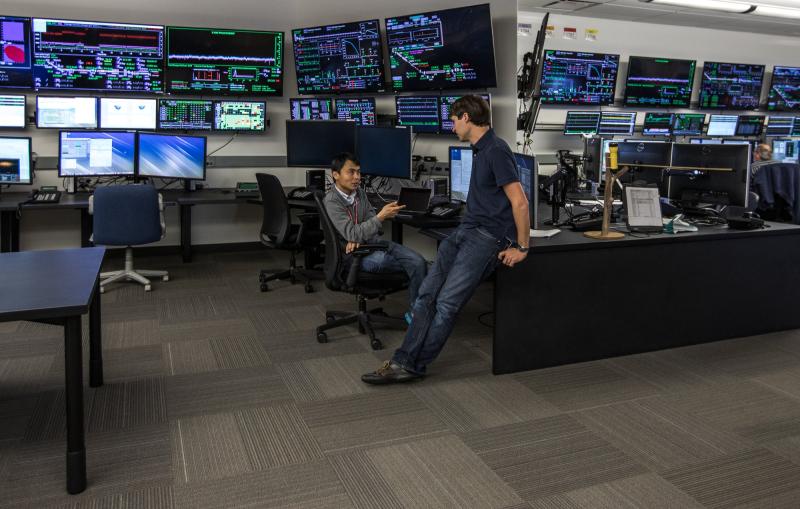
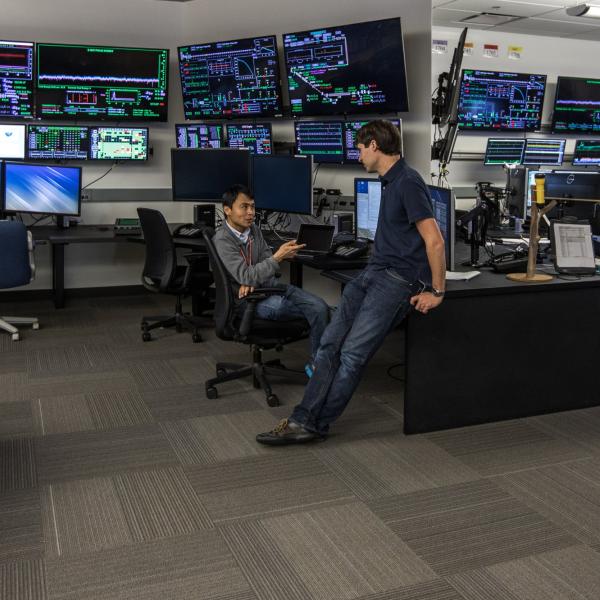
Yuantao Ding and Marc Guetg in the SLAC Control Room
Feature

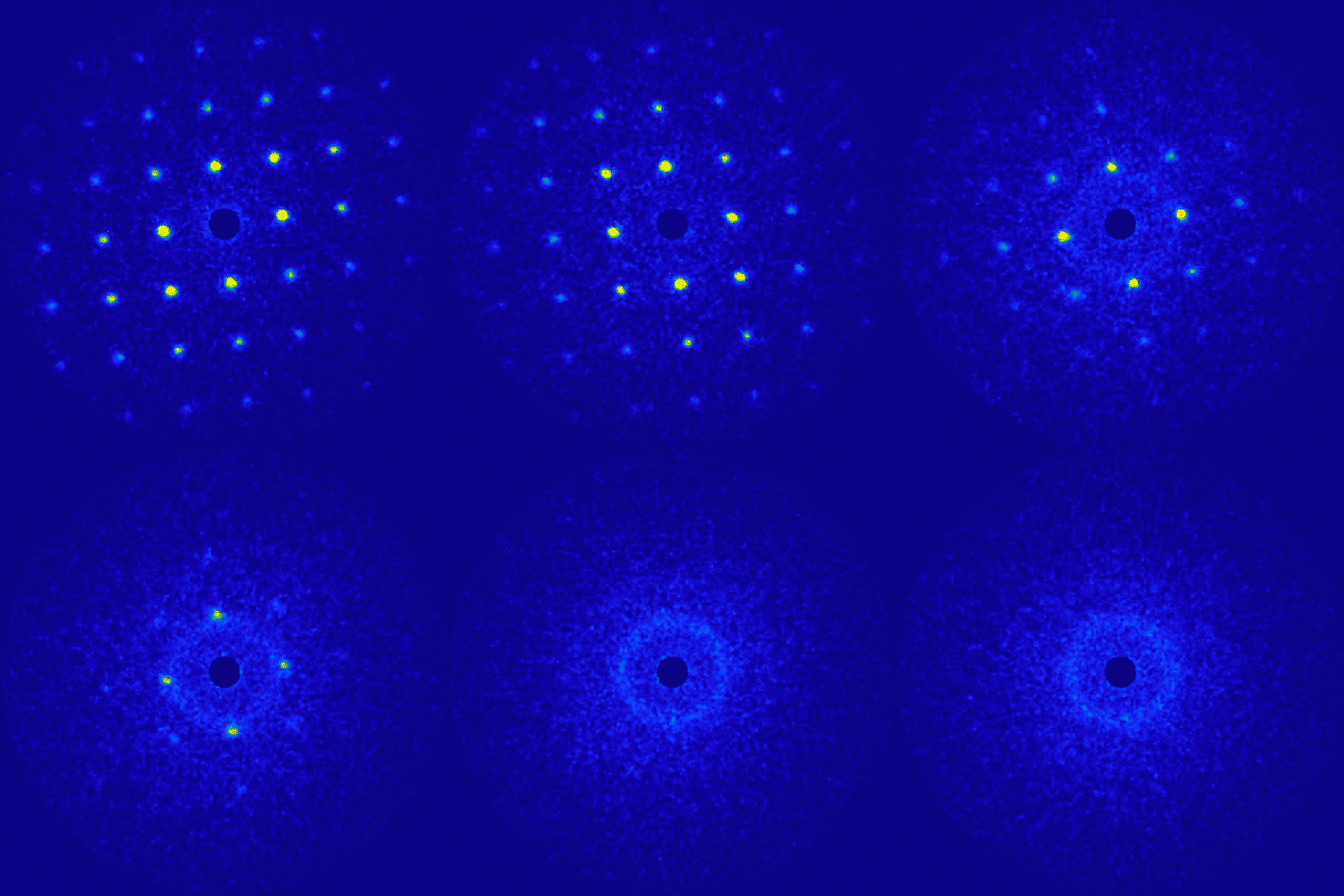
Combining X-ray and electron data from two cutting-edge SLAC instruments, researchers make the first observation of the rapid atomic response of iron-platinum nanoparticles to...

ultrafast electron diffraction on iron-platinum
Feature

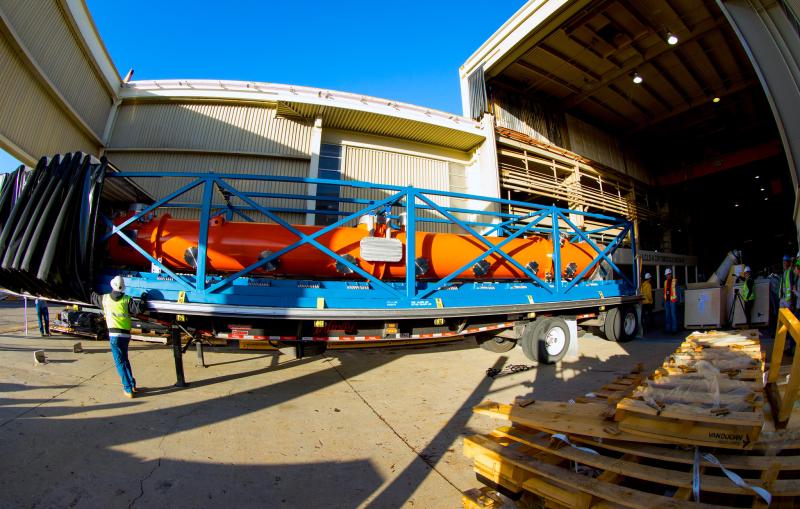
The 40-foot-long segment of the new superconducting accelerator arrived on January 19, 2018 after a cross-country trip from Fermilab.

News Release

The first cryomodule has arrived at SLAC. Linked together and chilled to nearly absolute zero, 37 of these segments will accelerate electrons to almost...

A worker unveiling a cryomodule on a truck.
Feature
VIA Symmetry Magazine

Symmetry: Machine Evolution

Planning the next big science machine requires consideration of both the current landscape and the distant future.

Feature

Innovations at SLAC, including the world’s shortest X-ray flashes, ultra-high-speed pulse trains and smart computer controls, promise to take ultrafast X-ray science to a...

Accelerators and Machine Learning
Feature

In experiments with the lab’s ultrafast "electron camera," laser light hitting a material is almost completely converted into nuclear vibrations, which are key to...

UED Molybdenum Diselenide
Feature

In October, SLAC installed the first of LCLS-II’s cryogenic “feed caps” and “end caps.”