

SLAC topics

Accelerators RSS feed

Accelerators form the backbone of SLAC’s national user facilities. They generate some of the highest quality particle beams in the world, helping thousands of scientists perform groundbreaking experiments each year.

Browse tagged content

Linac towards SLAC campus
Feature

Researchers across the lab are developing AI tools to harness data and particle beams in real time and make molecular movies, speeding up the...

Graphic of AI in several science areas
News Release

The high-energy upgrade will keep the U.S. at the forefront of X-ray science and technology, allowing researchers to advance fields such as sustainability, human...

LCLS-II-HE
Feature

David Cesar, Julia Gonski and W.L. Kimmy Wu will each receive $2.75 million issued over five years for their research in X-ray and ultrafast...

Early Career Award Winners 2024
Feature

His wide-ranging curiosity, original way of looking at problems and sheer joy in solving them drove many important contributions to particle physics. 

SLAC theoretical physicist James D. "BJ" Bjorken
Illustration
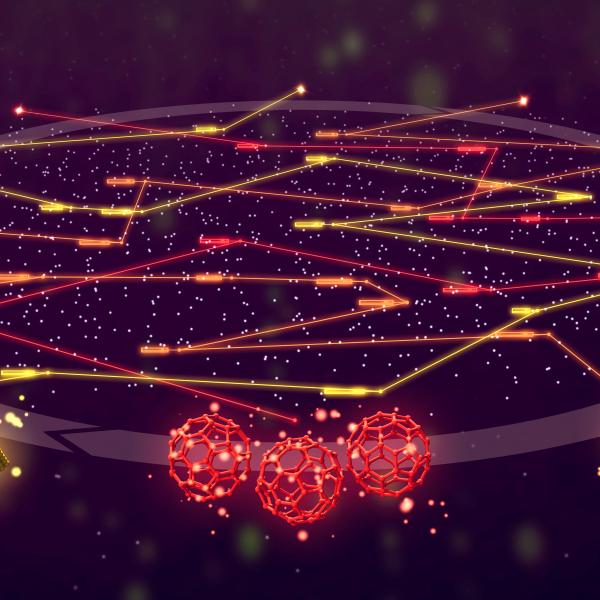
Scientists have developed an AI-based method that helps gather data more efficiently in the search for new materials, allowing researchers...
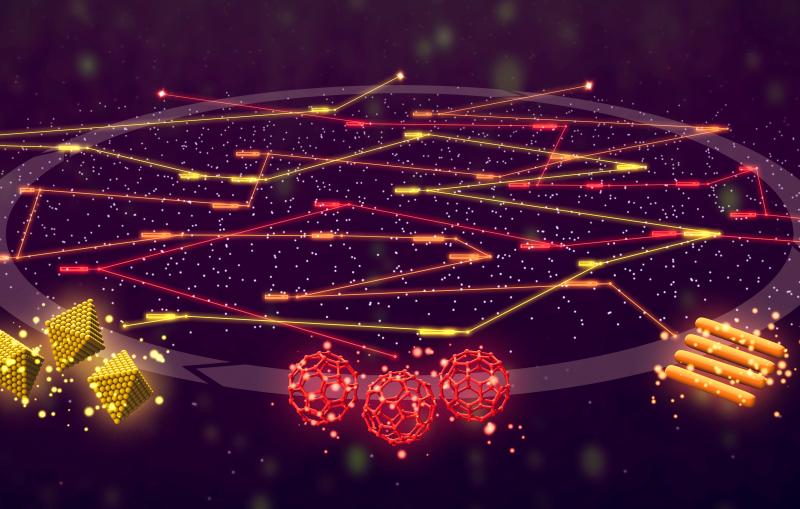
self driving experiments
Feature

The method could lead to the development of new materials with tailored properties, with potential applications in fields such as climate change, quantum computing...

self driving experiments
Feature

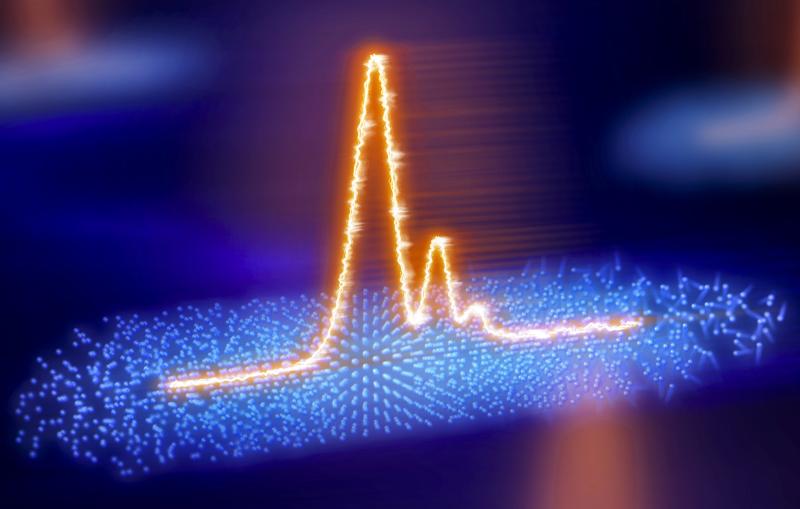
Researchers developed new methods that produce intense attosecond pulses and pulse pairs to gain insights into the fastest motions inside atoms and molecules. It...

attosecond pulses
Feature

An advisory committee recommends the US work to advance three key areas of emerging accelerator technology.

Illustration of three physics-related tarot cards, labeled Proton-Proton, Muon and Plasma-Wakefield
Feature

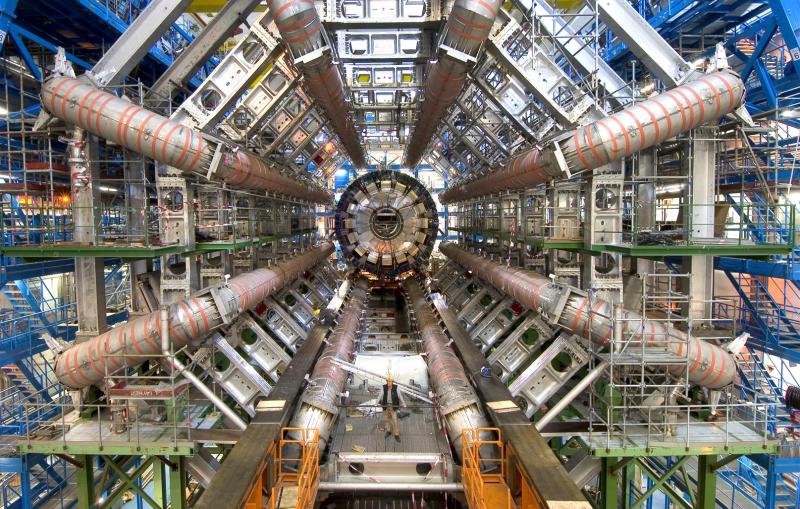
SLAC experimentalists and theorists collaborate to develop critical detector components, data analysis tools, and theoretical models for the HL-LHC upgrade, which will investigate the...

Eight pipes arrayed in a circle lead to a central experimental apparatus.
Feature

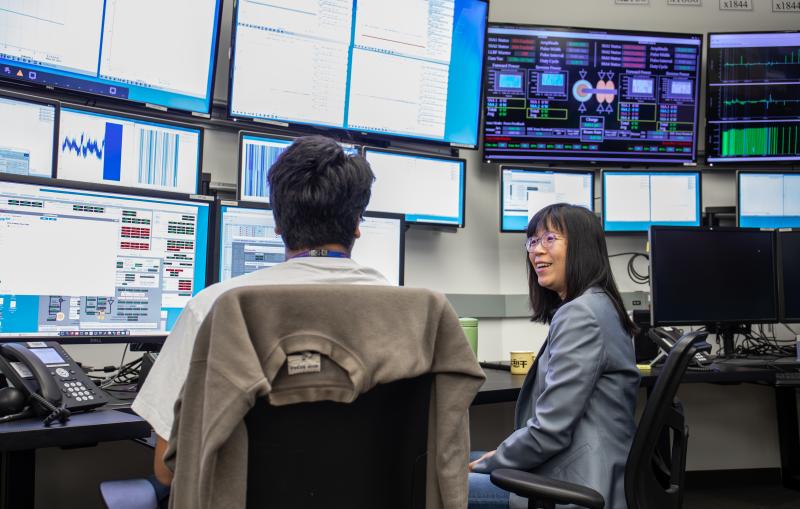
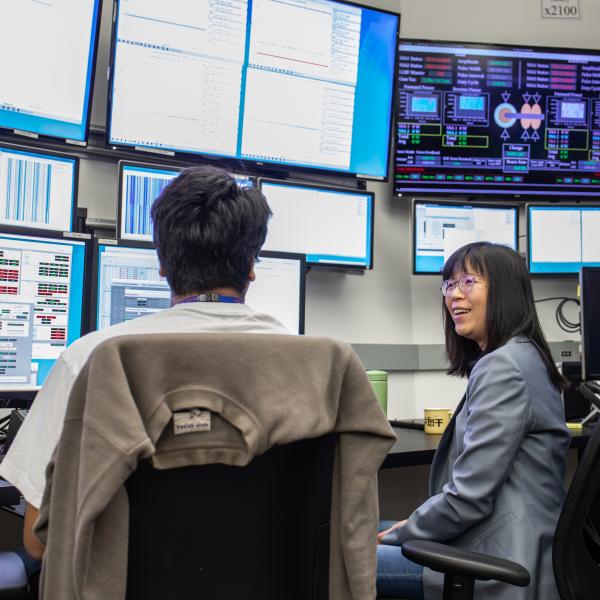
Wan-Lin Hu’s job is to improve the way people and artificial intelligence collaborate to run SLAC’s complex machines.

Wan-Lin Hu is seen talking with talks with accelerator systems operator Kabir Lubana in the lab’s main Accelerator Control Room.
Feature

A new experiment suggests that this exotic precipitation forms at even lower pressures and temperatures than previously thought and could influence the unusual magnetic...

Diamond rain
Feature

The High Energy Physics Advisory Panel has approved the recommendations of the P5 Report.

P5 report