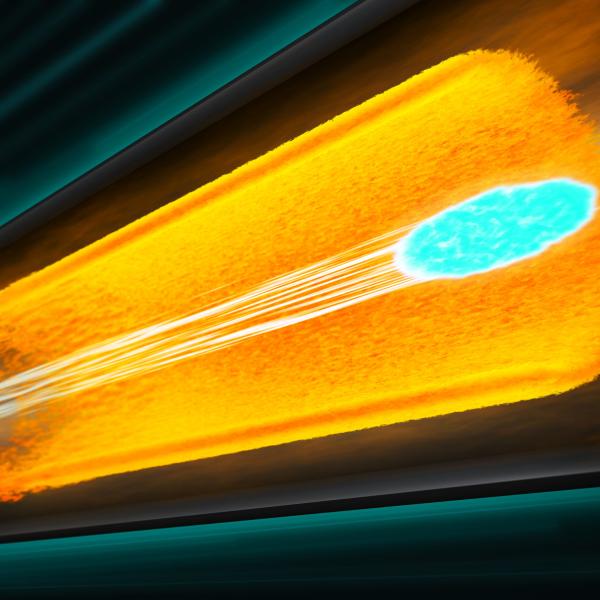
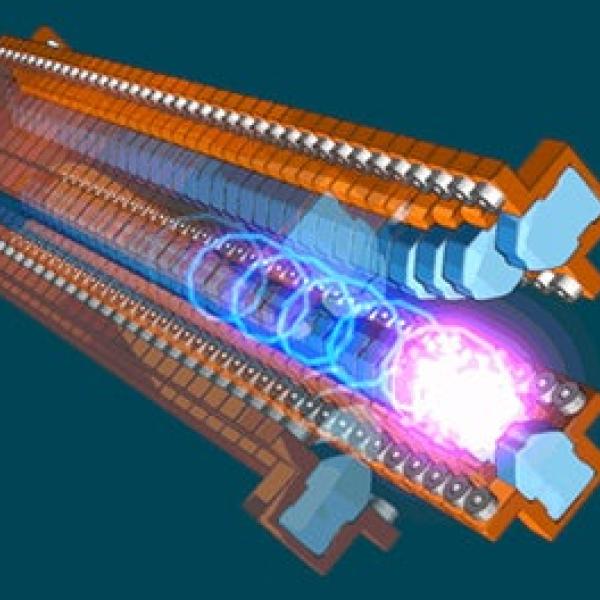
Researchers have reached another milestone in the development of a promising technology that could lead to more efficient and powerful particle accelerators.
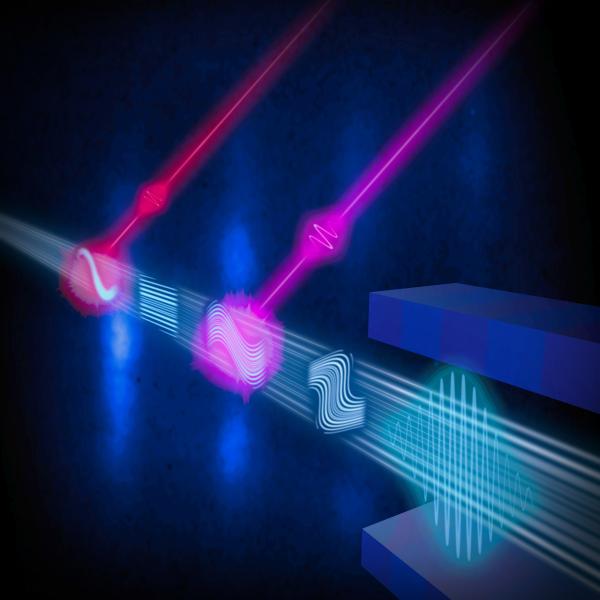
A SLAC/Stanford study opens a new path to producing laser pulses that are just billionths of a billionth of a second long by inducing ‘high harmonic generation’ in a solid.
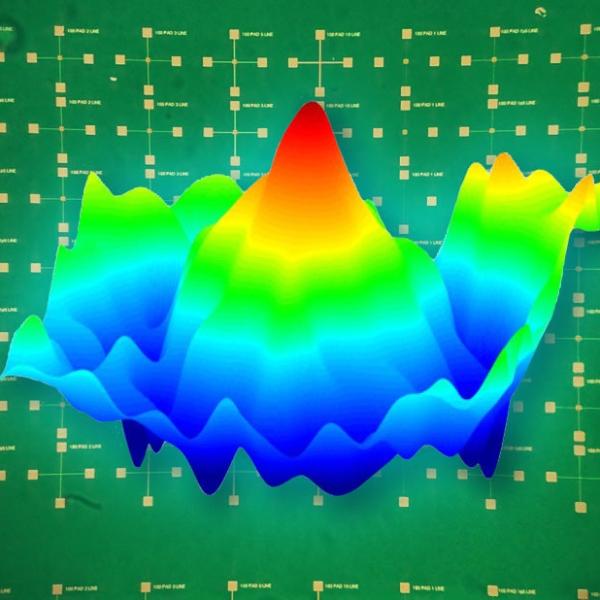
The results are an important step in designing these solid-state devices for computer memories that would operate much faster, last longer and use less energy than today’s flash memory.
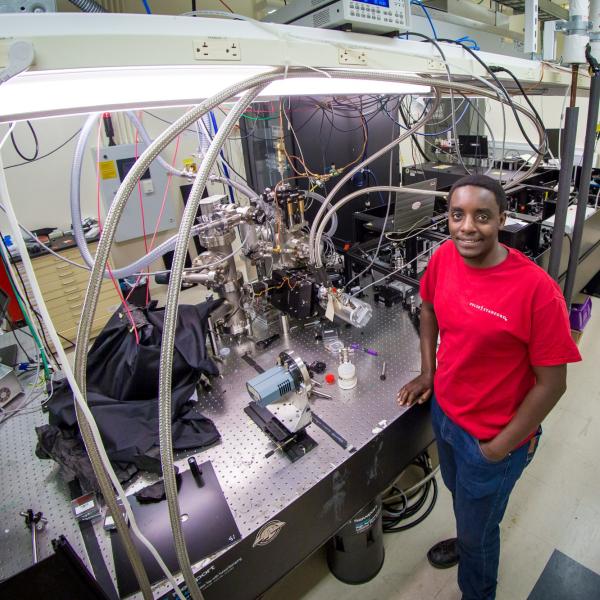
A new device at the Department of Energy’s SLAC National Accelerator Laboratory allows researchers to explore the properties and dynamics of molecules with circularly polarized, or spiraling, light.
The colony of honeybees that's lived in an old blue oak tree in front of Building 41 for nearly 50 years has been relocated because the decaying tree must be cut down, for safety's sake, prior to the building's renovation...