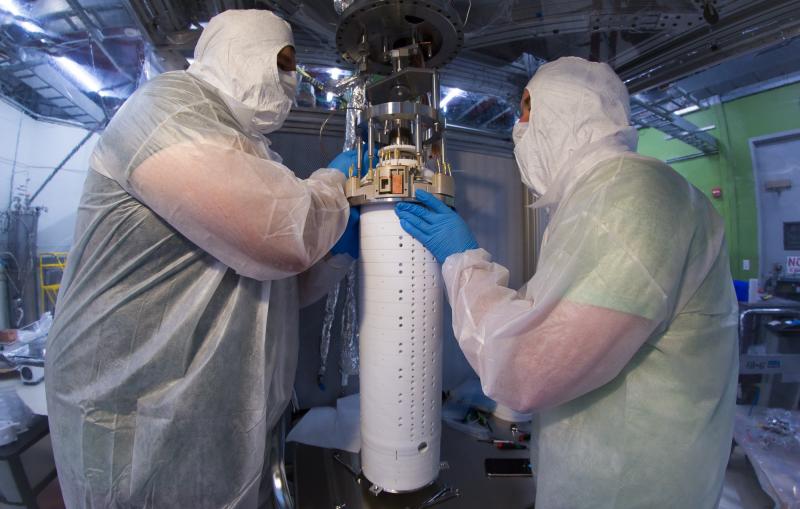
The emeritus physicist was honored for the development of novel detectors that have greatly advanced experiments in particle physics, especially BABAR, which looked into...
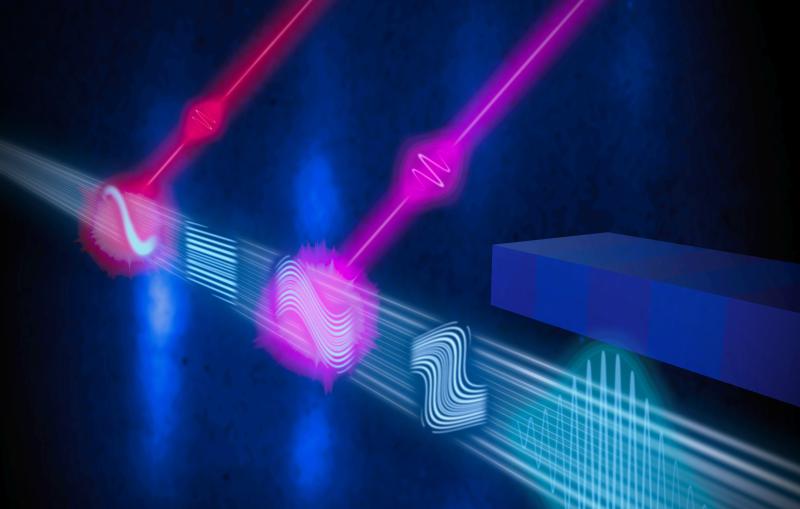
A new “two-bucket” method of delivering pairs of X-ray pulses gives a 1,000-fold improvement in seeing magnetic fluctuations that could lead to improved data...
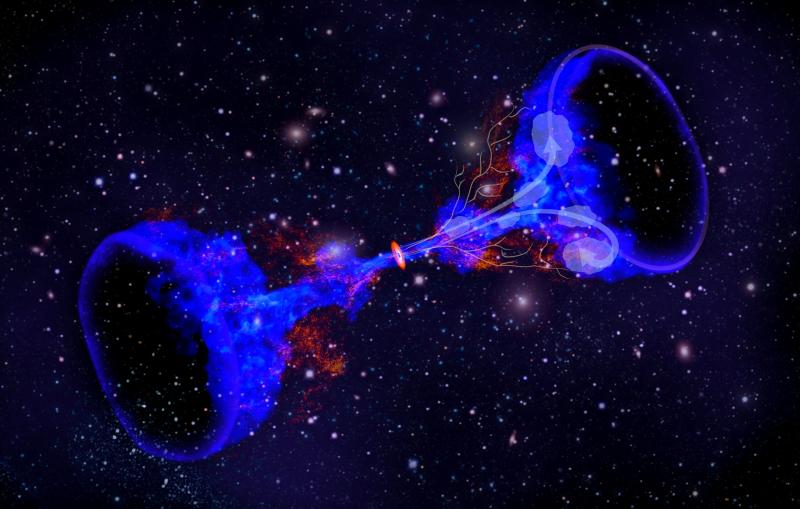
SLAC and Stanford researchers demonstrate that brain-mimicking ‘neural networks’ can revolutionize the way astrophysicists analyze their most complex data, including extreme distortions in spacetime...
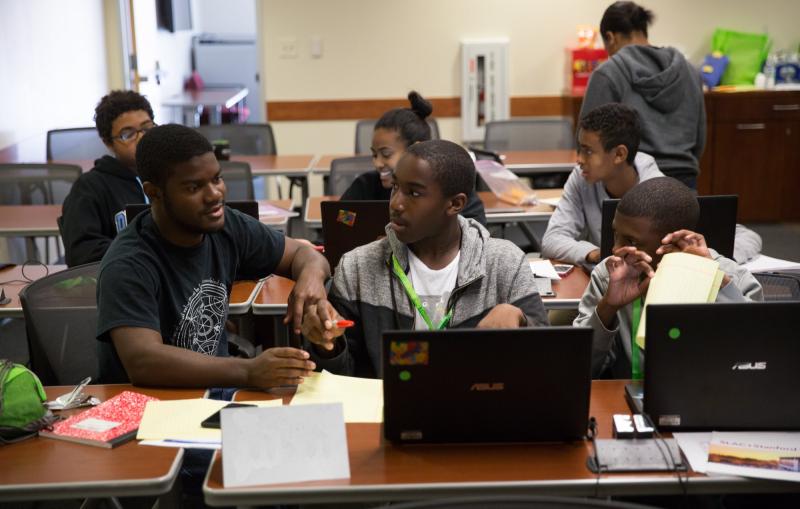
The summer school explored upcoming opportunities to expand our understanding of the universe and its fundamental physics, from mysterious dark matter to recently detected...
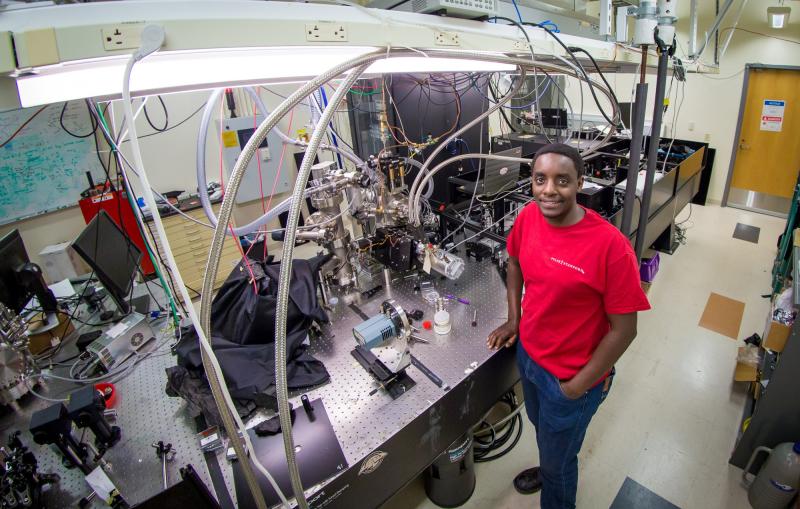
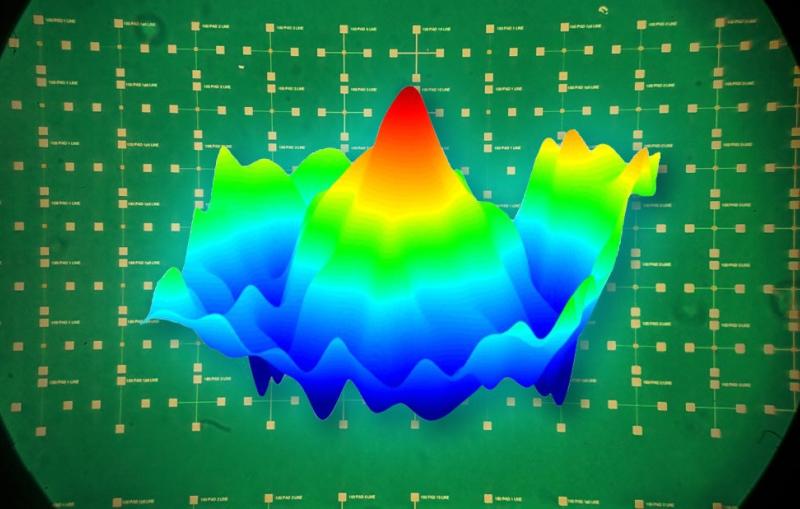
Kumar’s work, carried out in part at SSRL, explains how memristors work – a new class of electronic devices with applications in next-generation information...
It's the first to employ AI to help the grid manage power fluctuations, resist damage and recover faster from storms, solar eclipses, cyberattacks and...
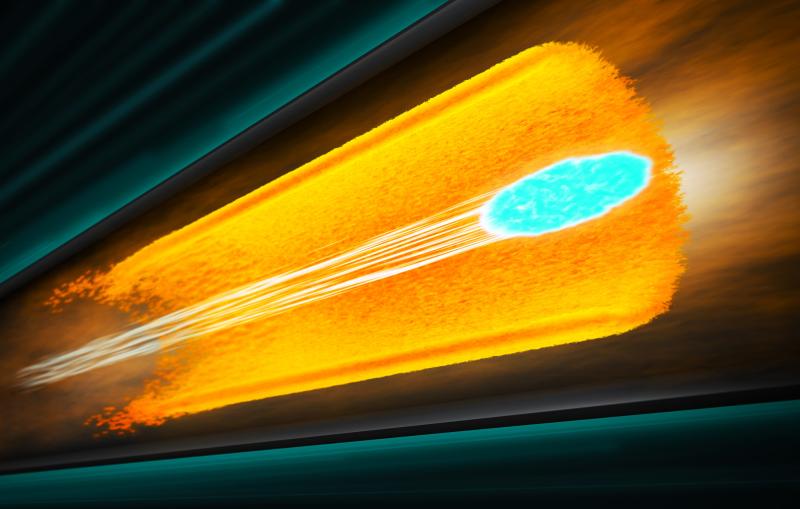
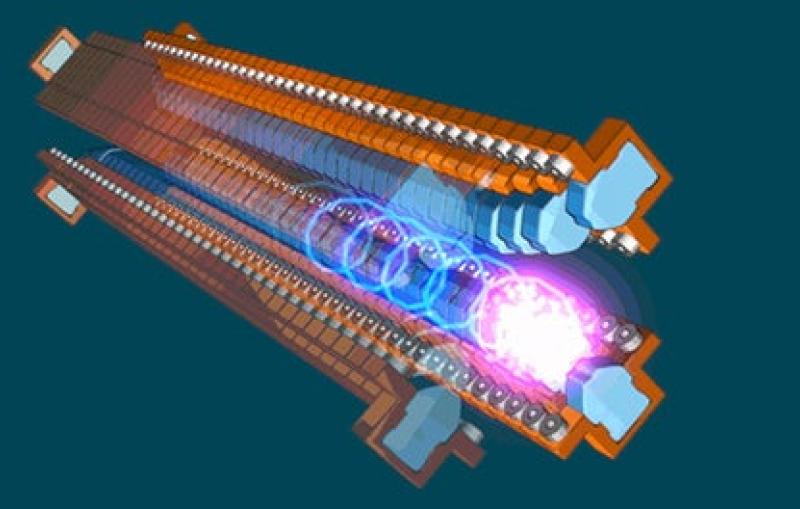
Researchers have reached another milestone in the development of a promising technology that could lead to more efficient and powerful particle accelerators.