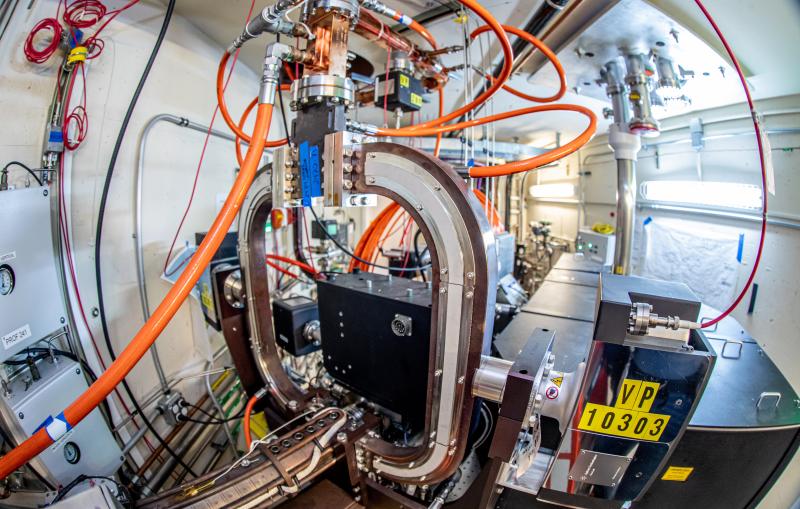
Researchers will use FACET-II to develop the plasma wakefield acceleration method, in which researchers send a bunch of very energetic particles through a hot...
FACET-II will pave the way for a future generation of particle colliders and powerful light sources
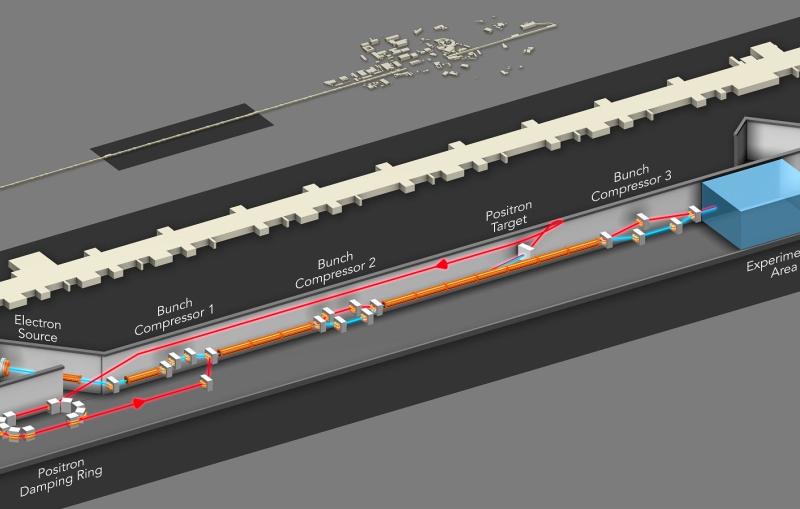
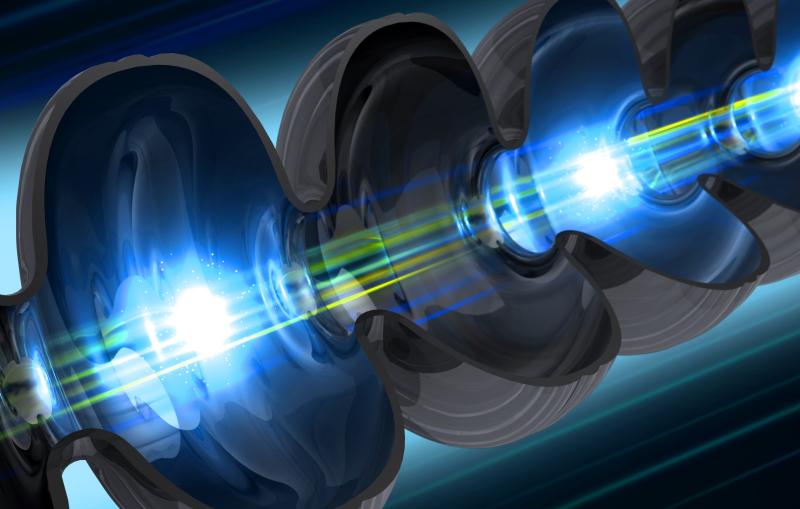
Illustration of an electron beam traveling through a niobium cavity – a key component of SLAC’s future LCLS-II X-ray laser.
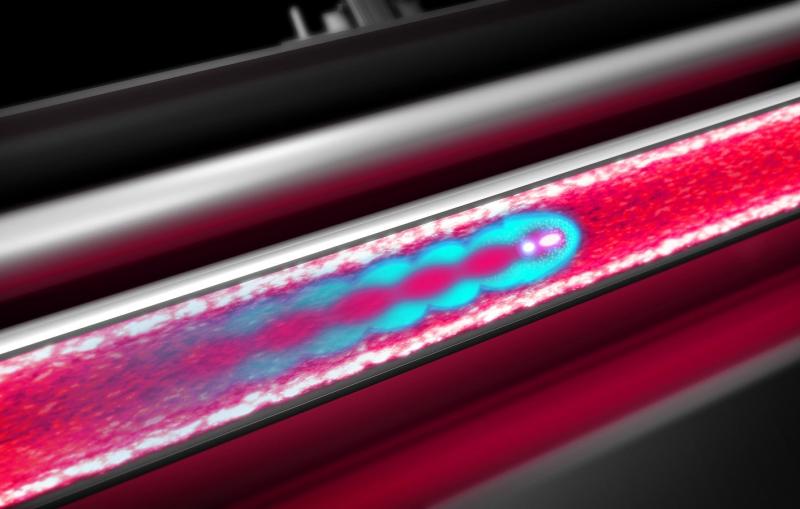
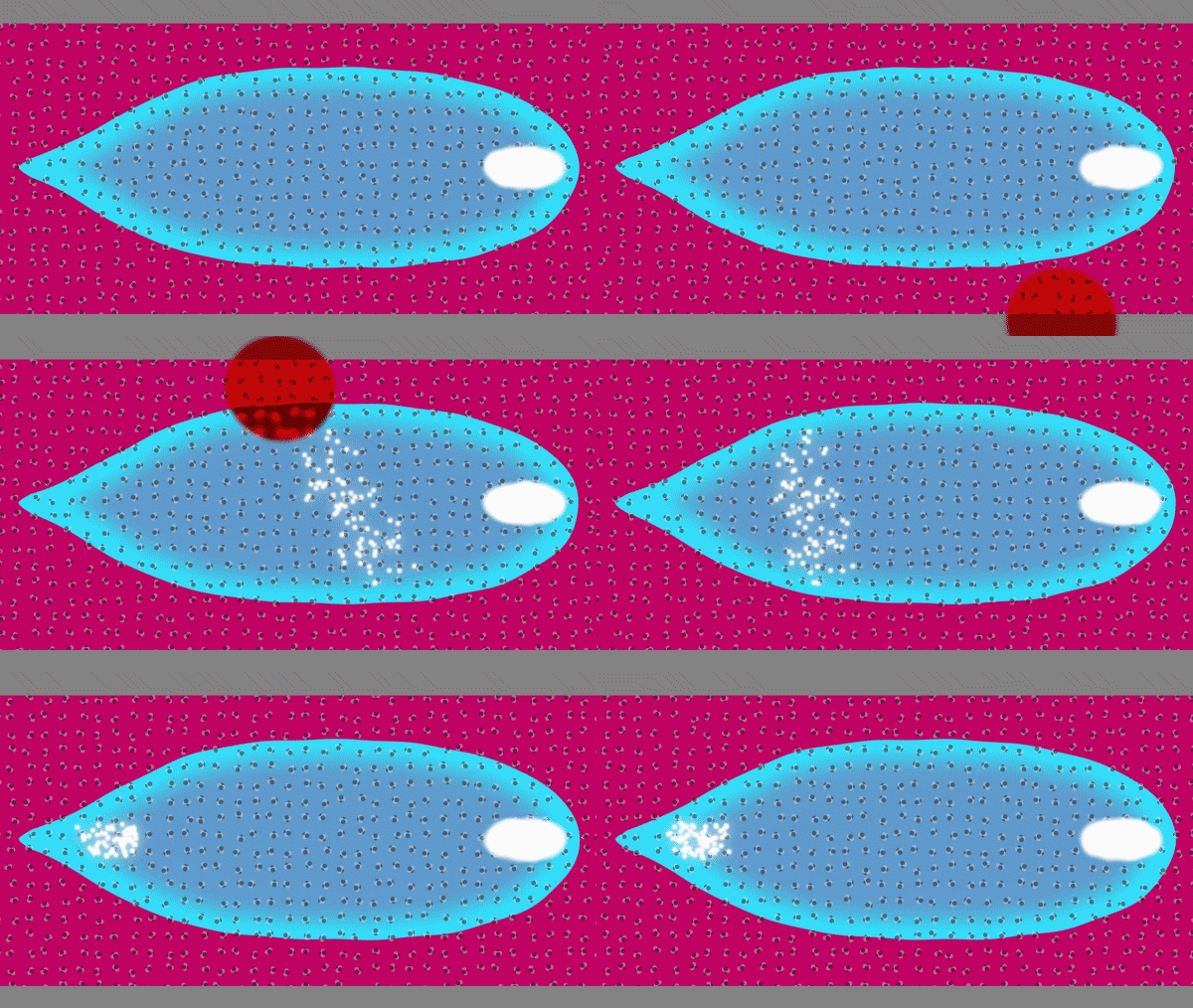
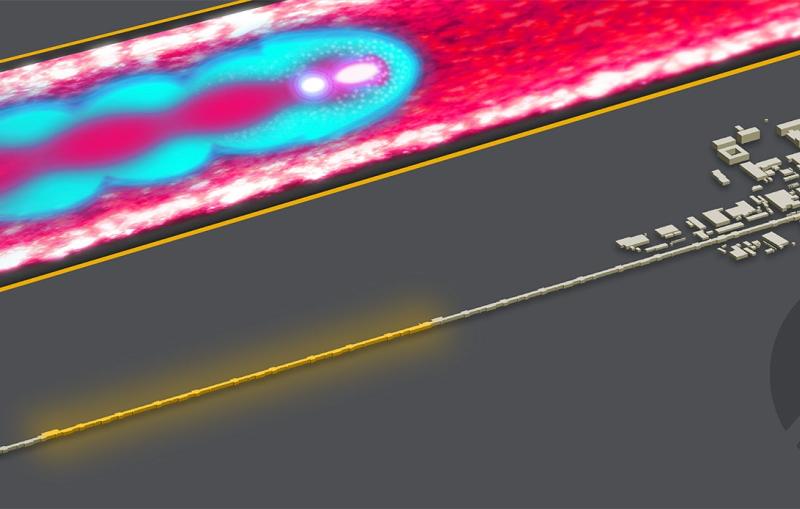
Animation illustrating the concept of the Trojan horse method. An electron bunch from SLAC’s FACET facility (bright spot at right) passes through hydrogen plasma...

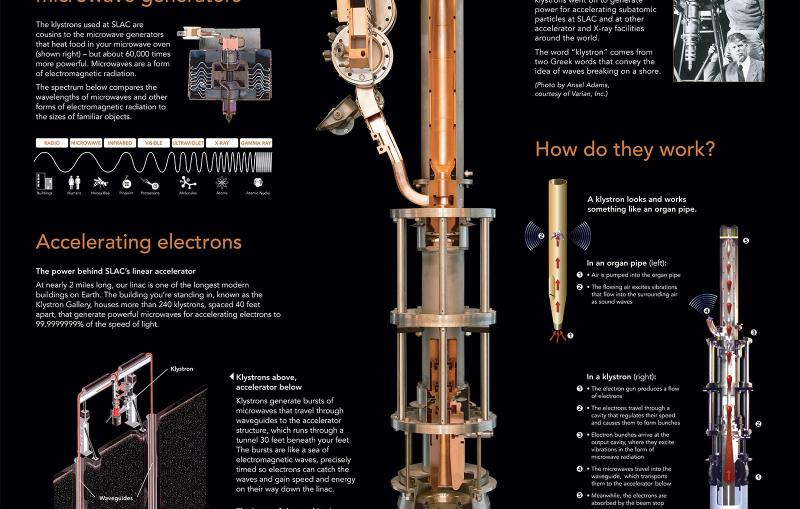
Klystrons are microwave generators. The klystrons used at SLAC are cousins to the microwave generators that heat up food in your microwave oven.
FACET-II uses the middle third of the lab’s 2-mile-long linear accelerator
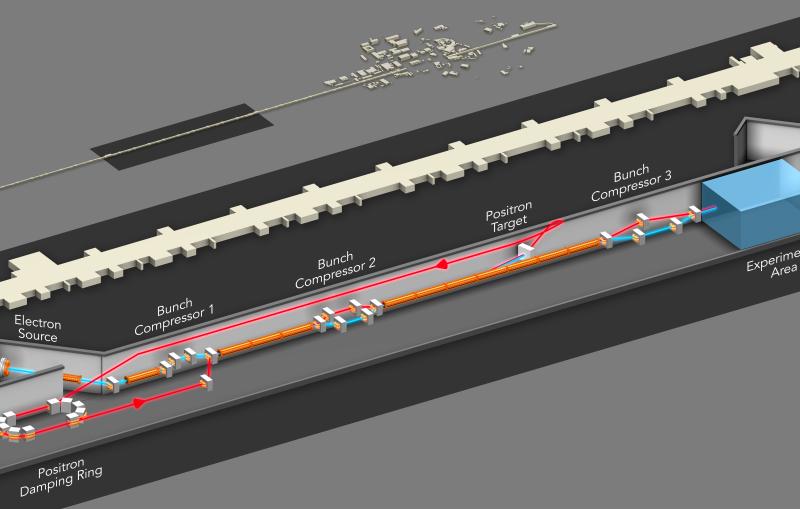
FACET-II is the only facility in the world capable of providing high-energy electron and positron beams for researching a vast array of revolutionary accelerator...
Over the course of two years, crews at SLAC installed a state-of-the-art high brightness electron source and new electron bunch compressor systems for producing...