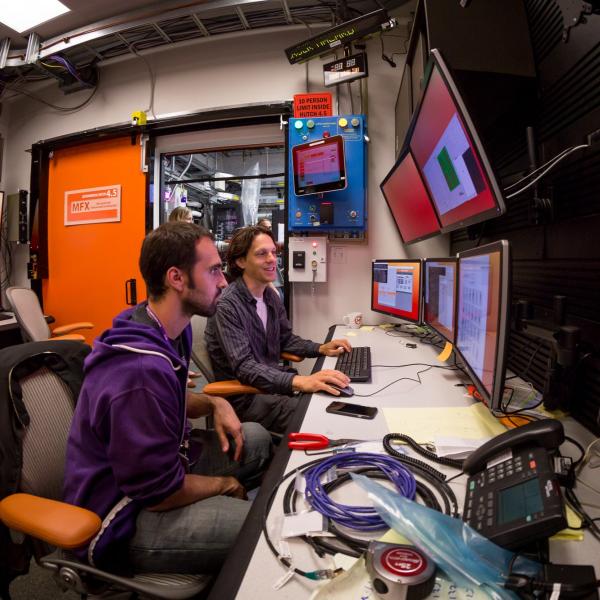
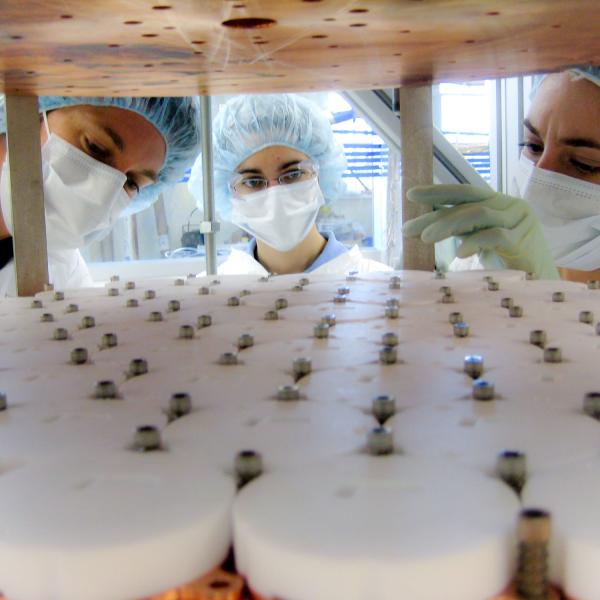
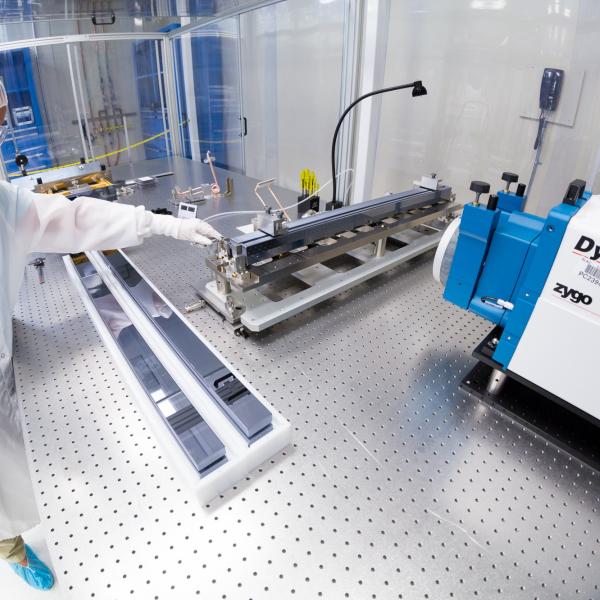
The new MFX station expands the X-ray laser’s capability and flexibility for biological studies, which are increasingly in demand at SLAC's Linac Coherent Light Source.
Developing cheaper and more efficient devices to harvest energy from the sun is a major scientific challenge. One way to increase the efficiency of solar cells – and even make solar cells out of otherwise inactive materials – is by...
The White House announced $50 million in funding for ‘Battery500’, a five year effort, as part of a package of initiatives to accelerate adoption of electric vehicles in the U.S.