Science is no longer the wallflower who doesn’t get asked to the dance, writes physicist Glen Crawford in an essay about science outreach past and present.
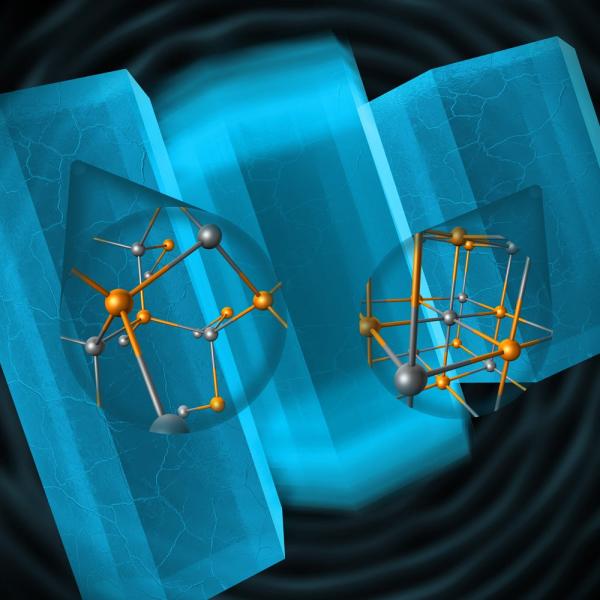
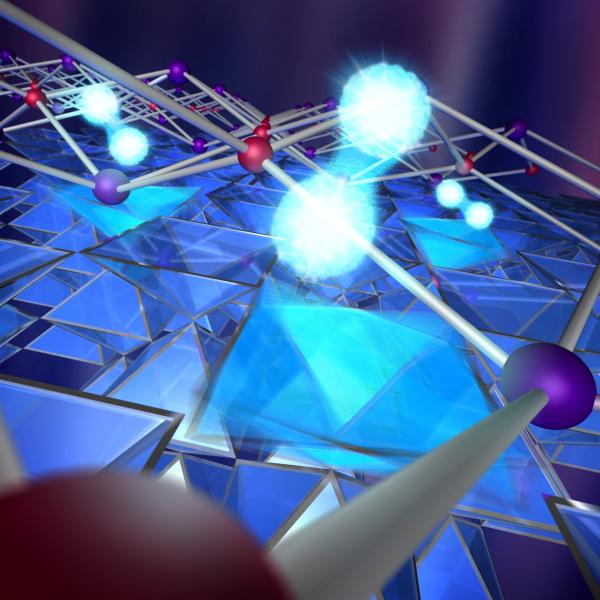
SLAC-led researchers have made the first direct measurements of a small, extremely rapid atomic rearrangement that dramatically changes the properties of many important materials.
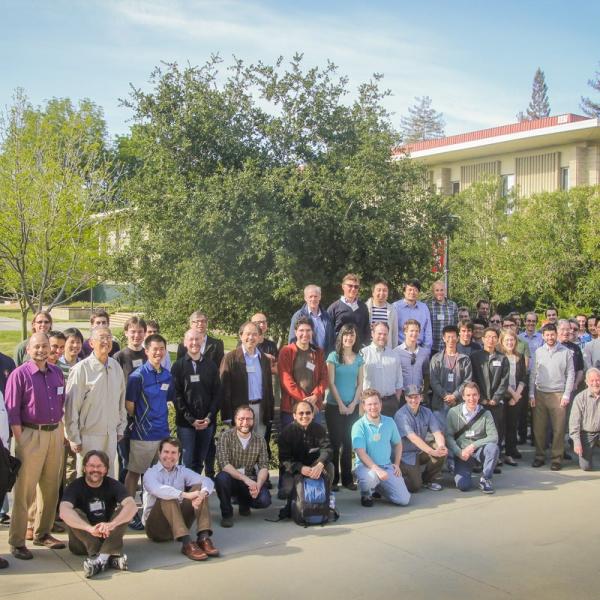
SLAC recently hosted a forward-looking group of theoretical and experimental particle physicists. Their purpose: Follow the science to determine what a post-LHC collider could teach us about the universe.
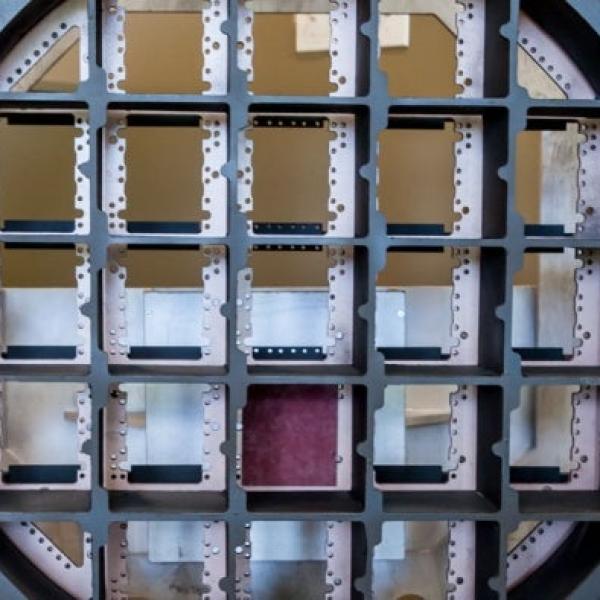
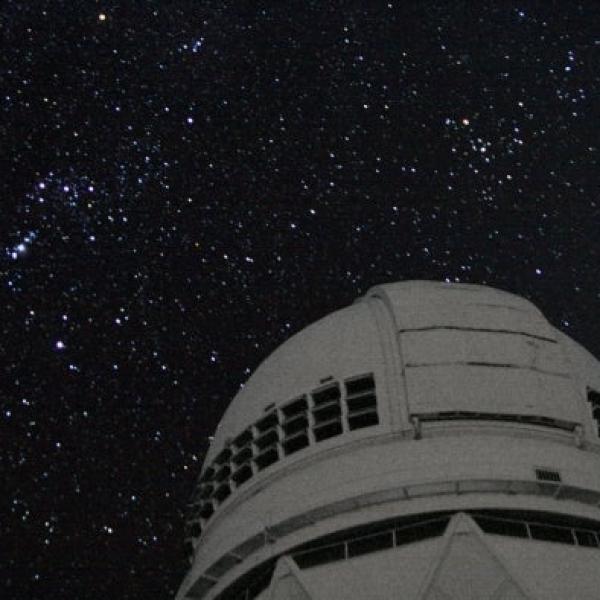
In a few years, scientists will come out with a new map of a third of the sky, one that will go deeper and bring that depth into sharper focus than any survey has yet achieved.
A study at the Department of Energy’s SLAC National Accelerator Laboratory suggests for the first time how scientists might deliberately engineer superconductors that work at higher temperatures.
The SLAC and Stanford professor and SUNCAT director is being honored for groundbreaking work in catalysis, which promotes chemical reactions in thousands of industrial processes.
A new experimental station in development at SLAC will expand capabilities for atomic-scale explorations in human health, biology, energy and environmental science.
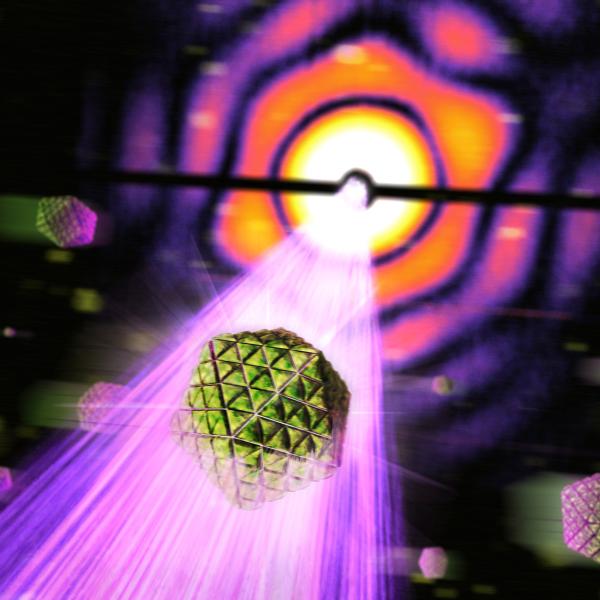
Scientists have used SLAC’s X-ray laser to produce detailed images of tiny cellular structures that play a major role in Earth’s life-sustaining carbon cycle.
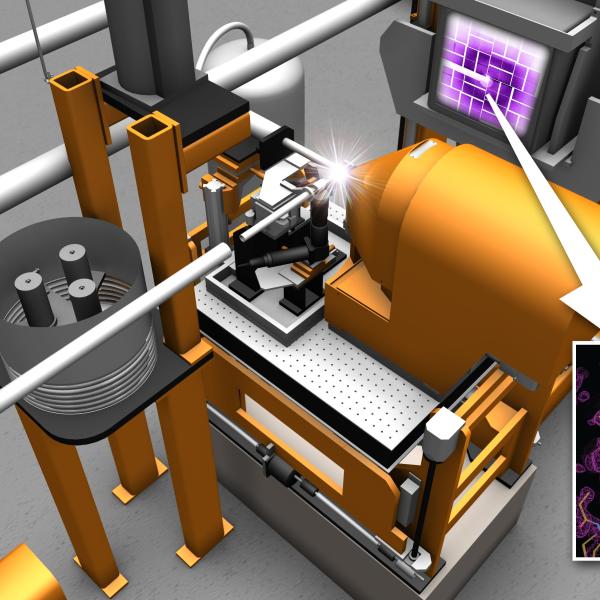
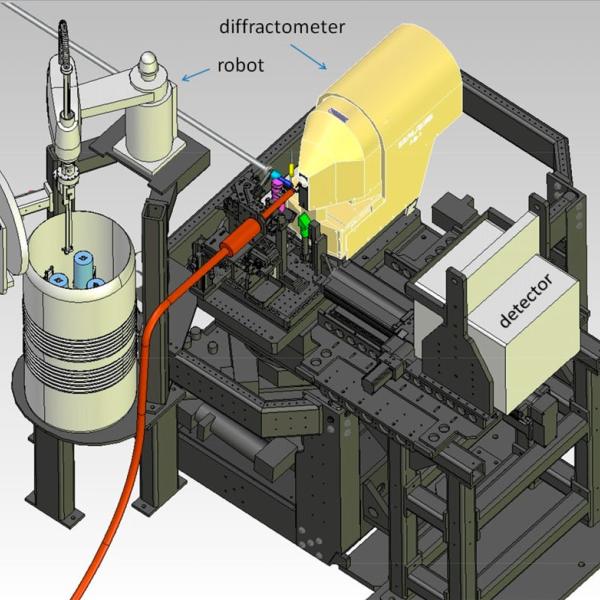
Scientists at the Department of Energy’s SLAC National Accelerator Laboratory are combining the speed and precision of robots with one of the brightest X-ray lasers on the planet for pioneering studies of proteins important to biology and drug discovery.