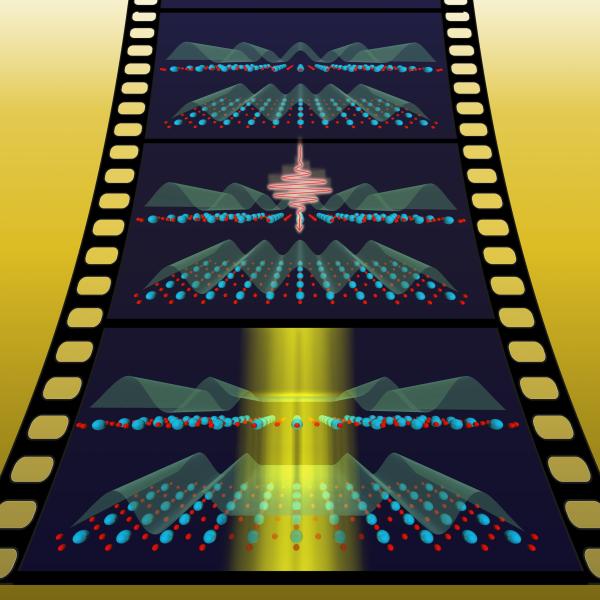
A new study, based on an experiment at SLAC's X-ray laser, pins down a major factor behind the appearance of superconductivity—the ability to conduct electricity with 100 percent efficiency—in a promising copper-oxide material.
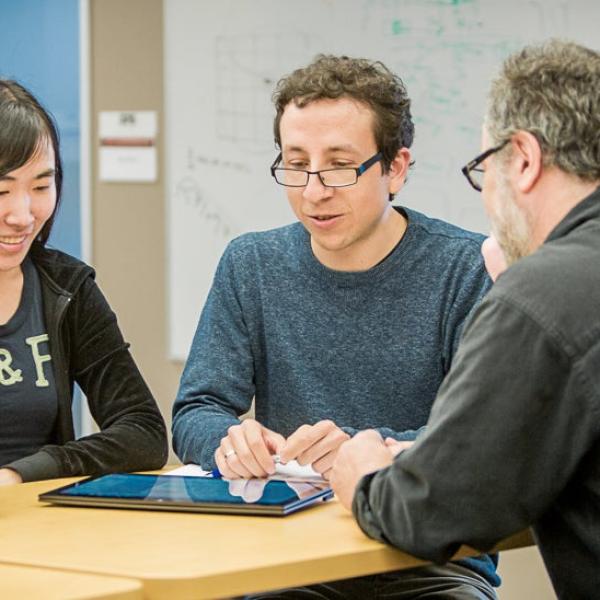
A new theory and computer simulation by SLAC and Stanford researchers rule out high-energy magnetic interactions as a major factor in making copper oxide materials perfect electrical conductors – superconductors – at relatively high temperatures.
From accelerators unexpectedly beneath your feet to a ferret that once cleaned accelerator components, symmetry shares some lesser-known facts about particle accelerators.
SLAC's Siegfried Glenzer has been selected to receive an Ernest Orlando Lawrence Award, presented by the U.S. Secretary of Energy to honor scientists across a range of fields.
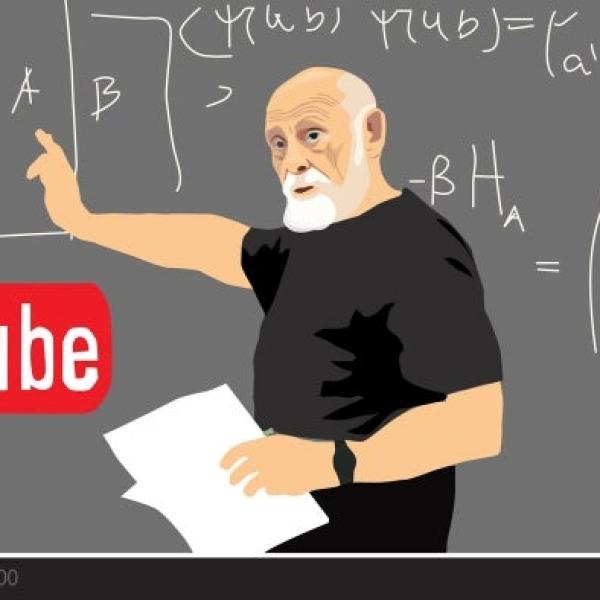
During a day of talks at Stanford University, theoretical physicist Leonard Susskind explained “Why I Teach Physics to Old Codgers, and How It Got to Be a YouTube Sensation.”
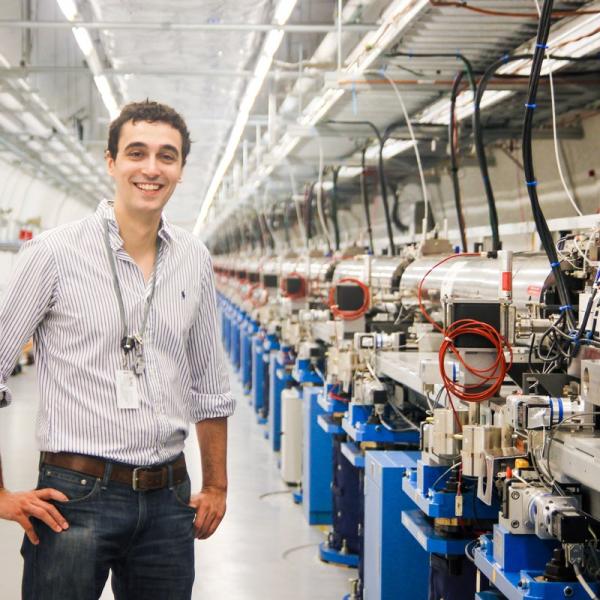
Agostino Marinelli, a postdoctoral researcher in the Accelerator Directorate, has been named the 2014 recipient of the Frank Sacherer Prize from the European Physical Society.
Rolls-Royce researchers came to SLAC earlier this month as part of a team testing titanium and its alloys, such as those used in engine parts, landing gear and other aircraft components
Scientists at SLAC and Stanford show how high-temperature superconductivity emerges out of magnetism in an iron pnictide, a class of materials with great potential for making devices that conduct electricity with 100 percent efficiency.