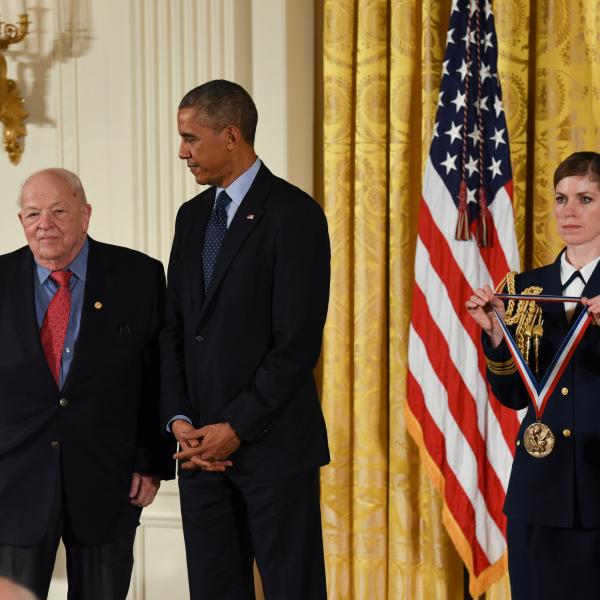
Burton Richter, Nobel laureate and director emeritus of SLAC, has received the National Medal of Science – the nation's highest honor for achievement in the field of science.
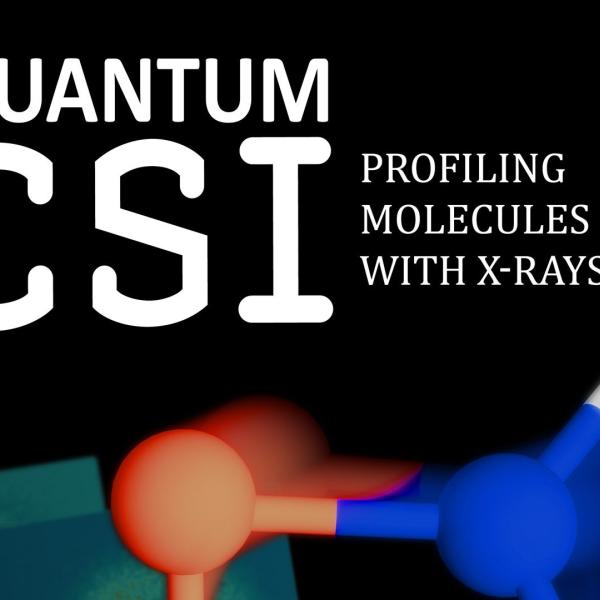
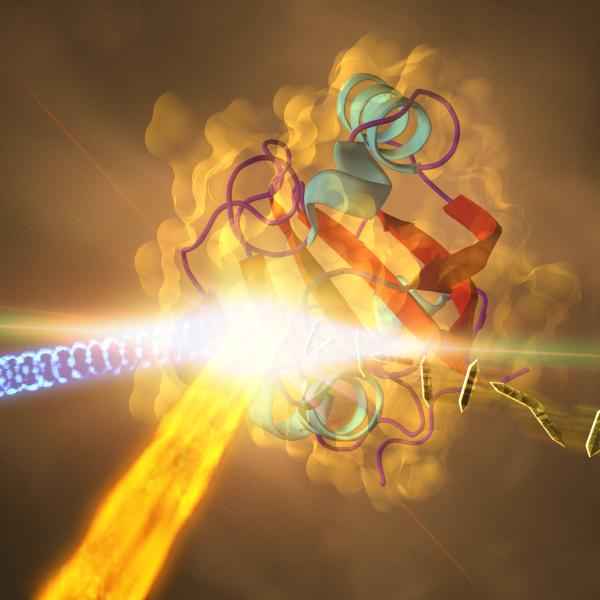
In this lecture, SLAC’s Ryan Coffee explains how researchers are beginning to use pattern recognition and machine learning to study chemical reactions at the level of atoms and molecules with the LCLS X-ray laser.
More than a dozen energy-storage companies have streamlined access to research facilities and expertise at SLAC under a new cooperative R&D agreement with CalCharge.
Abel, associate physics professor at Stanford and at SLAC and acting director of KIPAC, was recognized for the advances he’s made using supercomputers to explore the first billion years of cosmic history.
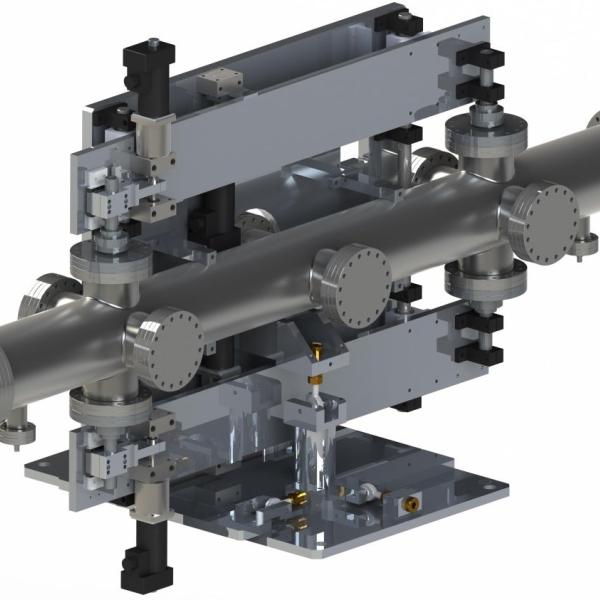
SLAC and RadiaBeam Systems have teamed up to construct a “dechirper” that will allow scientists to adjust the “color spectrum” of X-ray pulses in pioneering LCLS experiments.
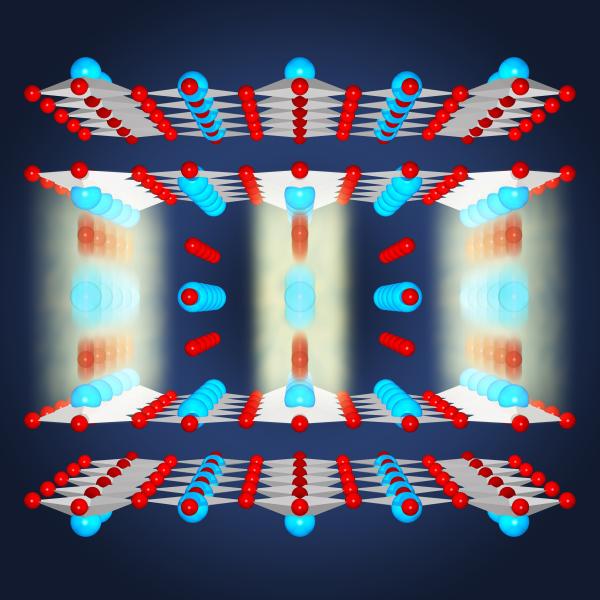
An experiment at SLAC provided the first fleeting glimpse of the atomic structure of a material as it entered a state resembling room-temperature superconductivity – a long-sought phenomenon in which materials might conduct electricity with 100 percent efficiency under everyday...
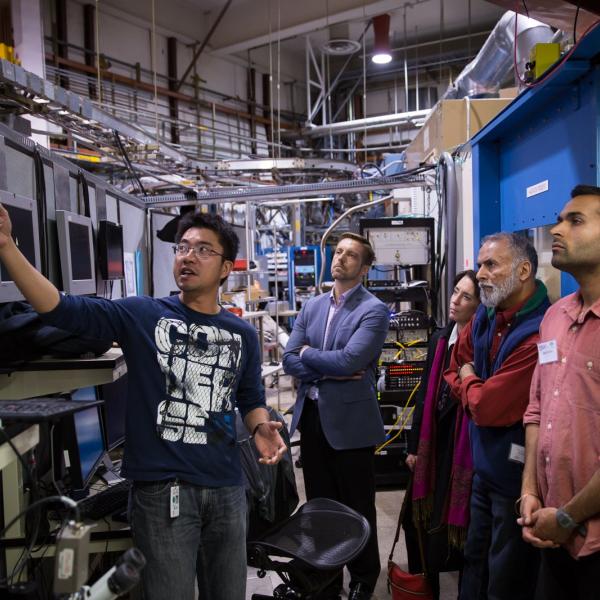
Orr's position encompasses both science and energy, including the Office of Science. SLAC is one of the national laboratories under the position's purview.
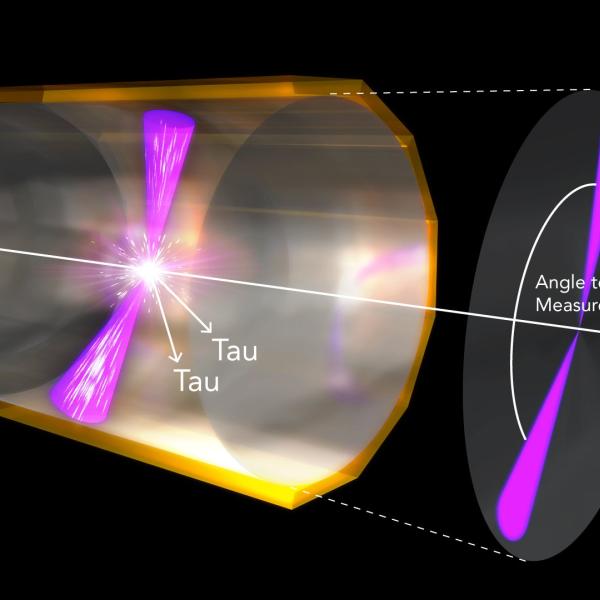
Experiments have helped explain some of the imbalance between matter and antimatter in the universe, but not all of it. Now a SLAC theorist and his colleagues have laid out a possible method for determining if the Higgs boson is...