SLAC topics

LCLS-II RSS feed

LCLS-II is a transformative upgrade for energy science, qualitatively changing the way that X-ray imaging, scattering and spectroscopy can be used to study how natural and artificial systems function. The upgrade empowers LCLS to produce X-ray pulses that are 10,000 times brighter than before and that arrive up to a million times per second.

Related Link:
LCLS-II

Illustration of SLAC's cryoplant refrigerator.
Feature

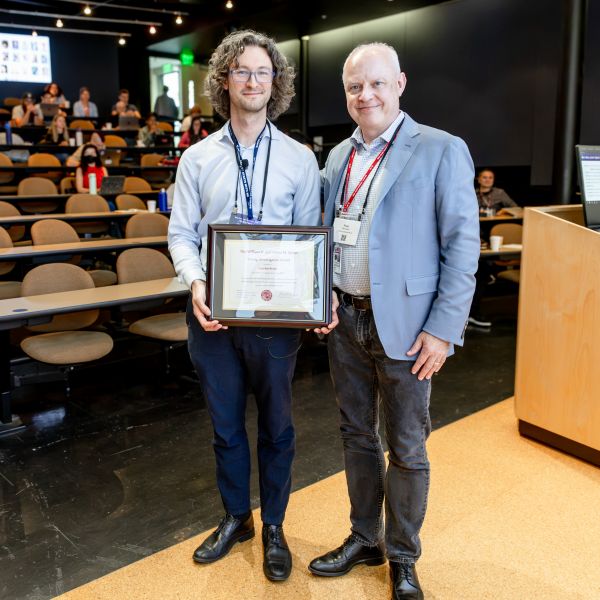
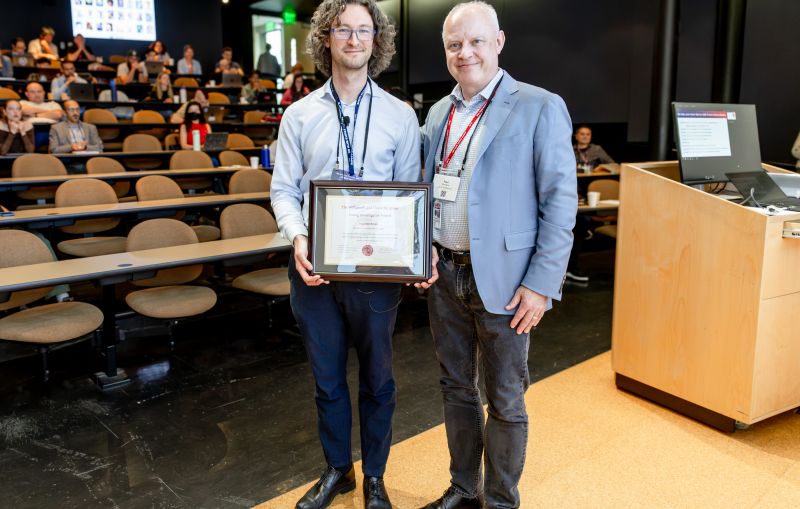
A series of awards were presented at the 2026 Bay Area Light Sources Joint Users' Meeting.

Awardee and presenter standing at front of auditorium.
Feature

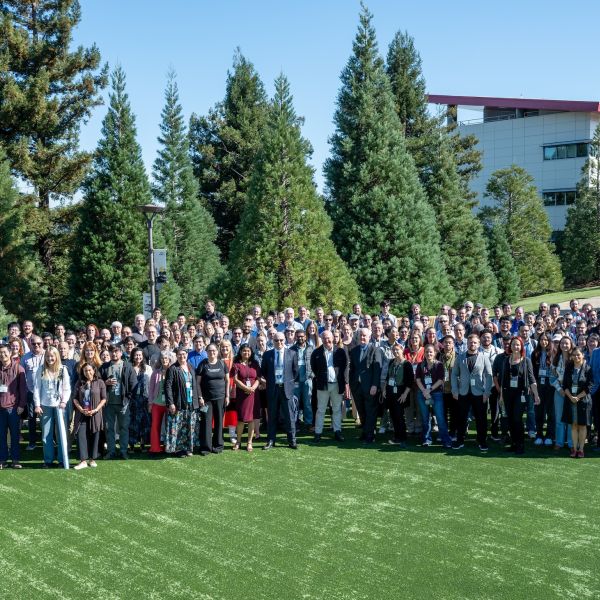
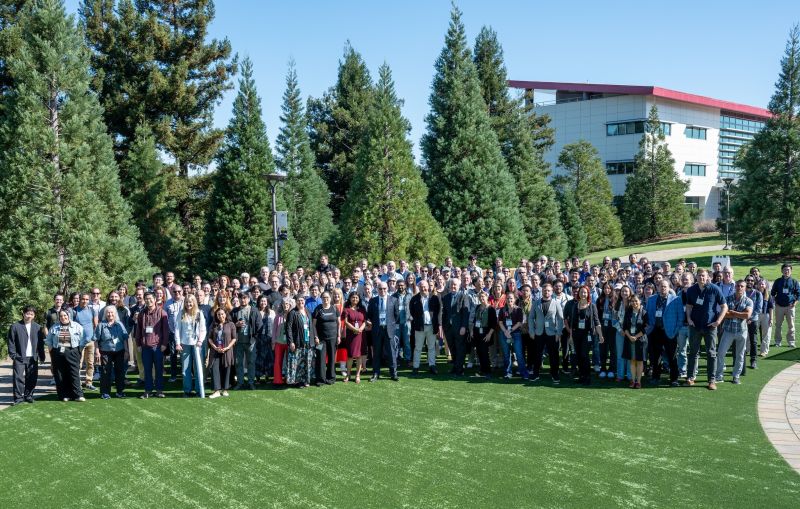
The region’s three powerful X-ray light sources attract researchers who study atomic-scale processes to drive innovation in batteries, biomedicine and more.

More than 100 people standing on grass in front of a building
News Brief

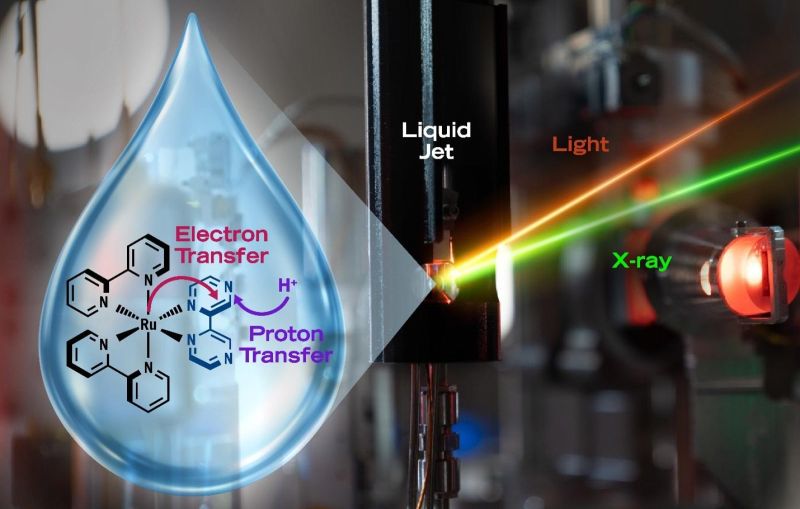
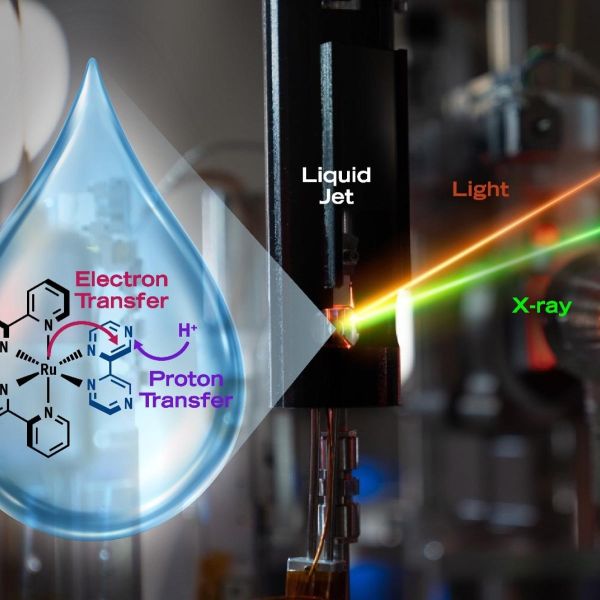
New research reveals how a molecule absorbs light and gains a proton while its watery environment reorganizes in response. 

In background, photo of equipment used in the study. At left in front, drawing of a water droplet with a chemical structure and diagram showing electron and proton transfer.
Feature

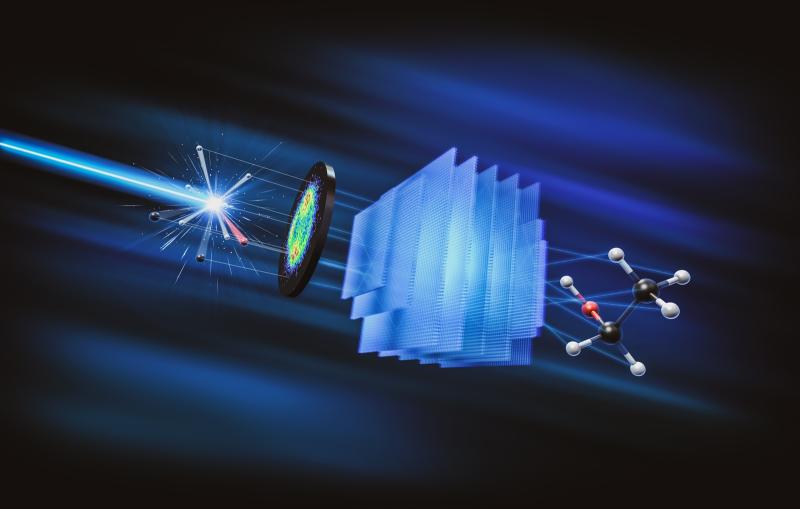
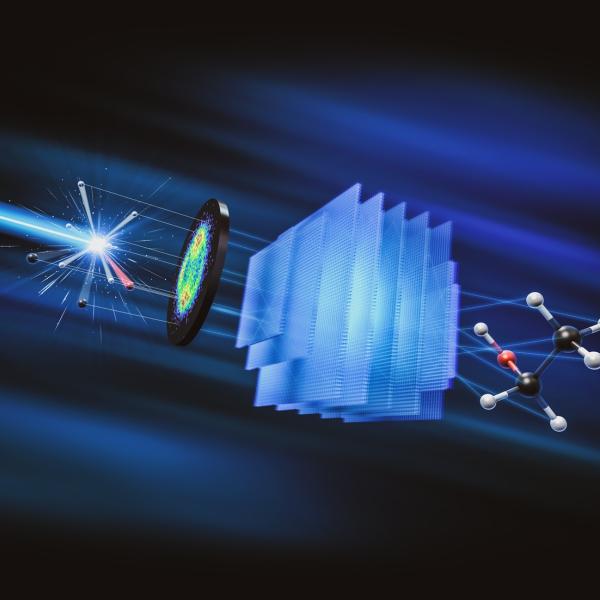
SLAC researchers and collaborators trained a neural network that can use ion momentum to work backward and predict the pre-blast geometry of a molecule.

Illustration of AI used for the reconstruction of the structure of molecules blown up by X-ray pulses
Feature

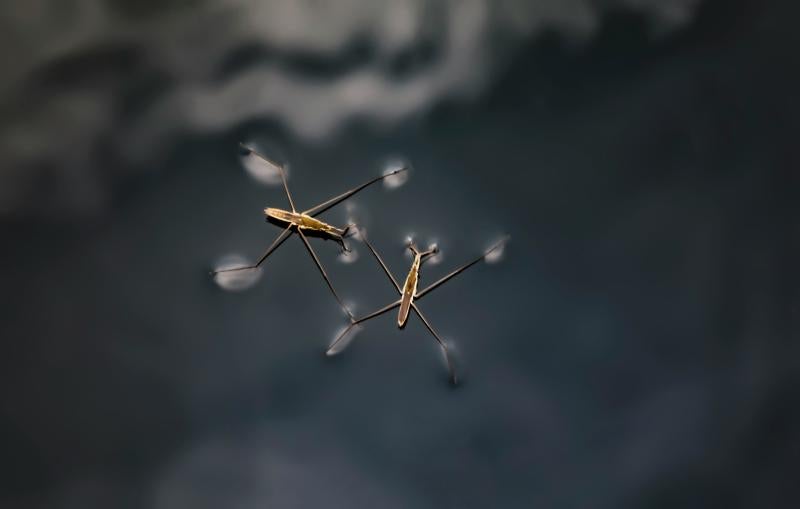
Water is all around us, yet its surface layer is surprisingly hard to study. Experiments at SLAC’s X-ray laser are bringing it into focus.

Two water strider insects with long, thin legs cast shadows on dark blue water surface with blurred background reflections.
News Release

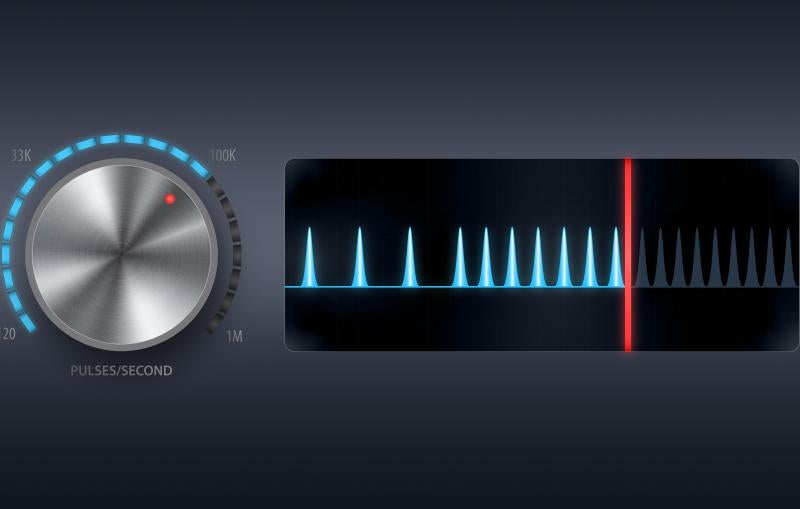
Experiments running at these higher pulse rates will allow scientists to capture ultrafast processes with greater precision, collect data more efficiently and explore phenomena...

lcls ii milestone
Feature

The SLAC team is developing digital twins – powered by AI and high-performance computing – to help quickly shape high-quality particle beams for the...

hand pointing to digital twin
Multimedia

After a major upgrade, SLAC's X-ray free-electron laser is 10,000 times brighter and thousands of times faster. Now, researchers are using LCLS to observe...

Detail of the TMO hutch at SLAC's X-ray laser
Past Event
Electrons are tiny, charged particles with huge jobs: They hold all matter together, they drive the chemical reactions that power life, and they transport...
A headshot of Taran Driver next to the SLAC on Tap logo with the words "Home brewed science" surrounding the logo
Multimedia

Researchers used LCLS to capture the ultrafast motion of electrons inside molecules – at scales never before possible. 

Complex scientific machinery with metal components
Feature

They used SLAC’s ultrafast X-ray laser to follow the impact of a single electron moving within a molecule during an entire chemical reaction.

An illustration of X-rays scattering off the valence electrons surrounding ammonia molecules and getting captured on a detector.
Feature

With a suite of reimagined instruments, researchers take up scientific inquiries that were out of reach just one year ago. 

Large metallic machine in a lab, featuring valves, circular bolts, and digital displays with surrounding wires and tubing.