
SLAC topics

LCLS-II RSS feed

LCLS-II is a transformative upgrade for energy science, qualitatively changing the way that X-ray imaging, scattering and spectroscopy can be used to study how natural and artificial systems function. The upgrade empowers LCLS to produce X-ray pulses that are 10,000 times brighter than before and that arrive up to a million times per second.

Related Link:
LCLS-II

Illustration of SLAC's cryoplant refrigerator.
Multimedia

Researchers used the upgraded LCLS to better understand what makes Xanthone – a powerful photocatalyst used in cancer therapies –  so efficient.  

close up of instrumentation in the TMO hutch
Multimedia

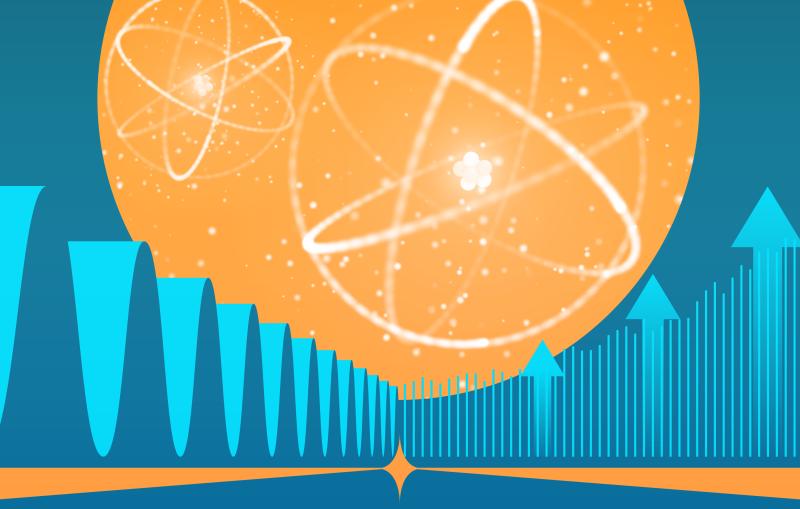
Now 10,000 times brighter and thousands of times faster, LCLS sheds light on the formation of free radicals in nature. 

a closeup of the target chamber of the RIXS experimental hutch
Feature

Shweta Saraf and her team work to ensure the LCLS beamline runs without interruption. 

A woman stands next to a large blue server rack filled with electronic control units, wiring, and monitoring equipment. She is smiling at the camera while using a stylus to interact with a touchscreen interface on one of the devices.
Feature

He met with SLAC staff and toured the lab’s cutting-edge facilities, diving into world-leading research in X-ray and ultrafast science, artificial intelligence, astrophysics and...

Secretary Wright Visit LCLS
Feature

In this Q&A, Arianna Gleason discusses the technologies needed to make commercialized fusion energy a reality and how SLAC is advancing this energy frontier. 

Headshot of Arianna Gleason with graphic representation of a laser shot
Feature

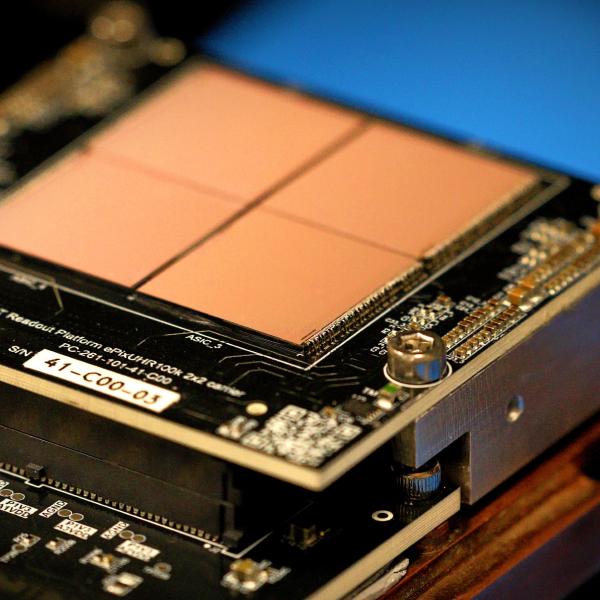
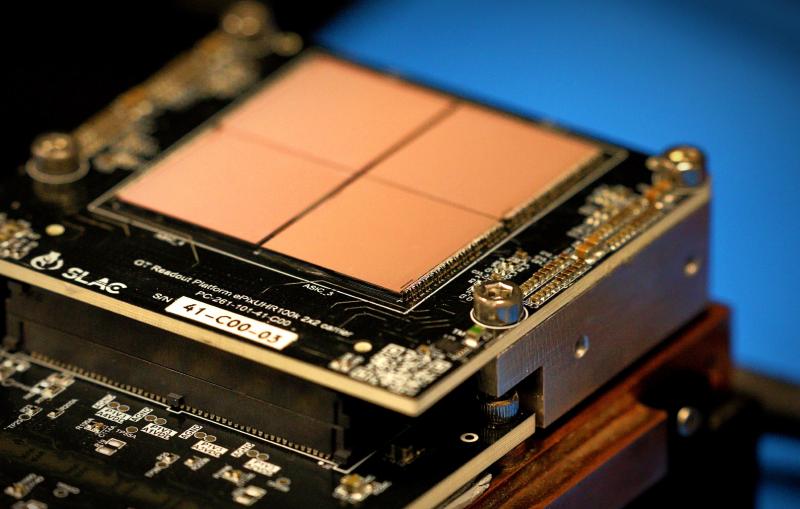
The microelectronics that power daily life and speed discoveries in science and technology are the focus of a bold new vision to make them...

photo of detector
News Brief

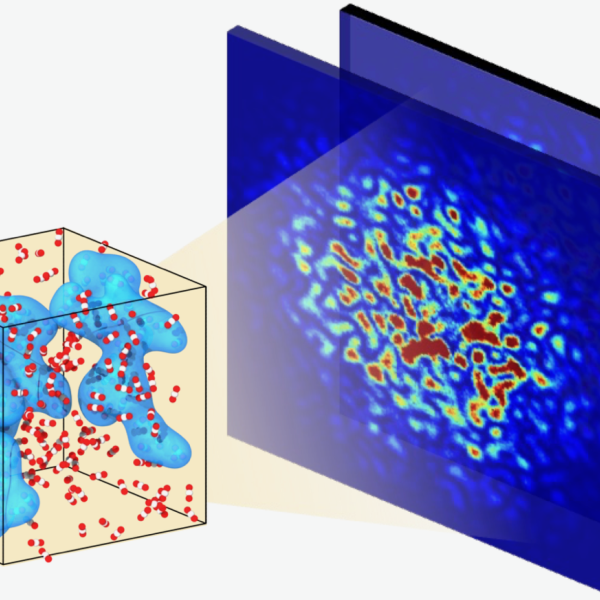
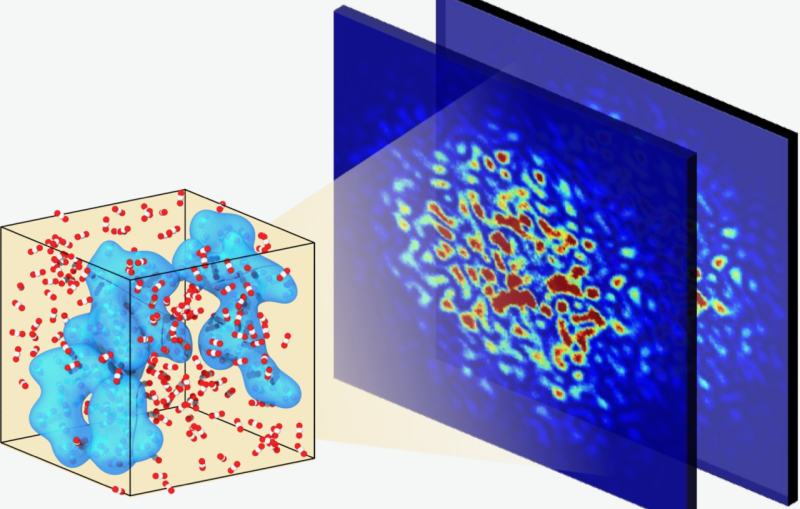
LCLS X-rays allowed researchers to connect the molecular dynamics of supercritical carbon dioxide, used in industrial and environmental applications, with its unique properties.

A figure showing atoms and blue blobs projecting an image onto a screen.
Feature

AI is playing a key role in helping SLAC researchers find new galaxies and tiny neutrinos, and discover new drugs.

Diffraction pattern
Feature

Researchers across the lab are developing AI tools to harness data and particle beams in real time and make molecular movies, speeding up the...

Graphic of AI in several science areas
news collection

Harnessing nuclear fusion would bring the clean, unlimited energy of the stars to Earth.

fusion energy illustration
News Brief

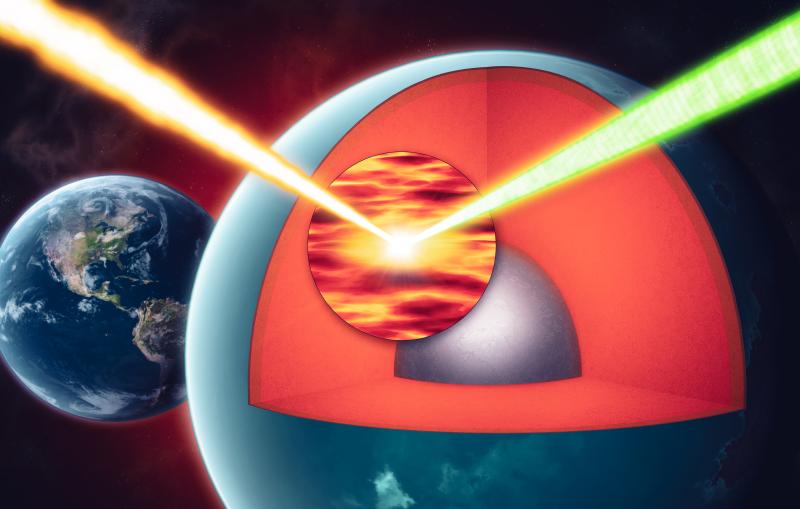
This research advances our understanding of Earth's deep interior and exoplanets, opening new research avenues in Earth and planetary sciences.

mec_super_earth
News Release

The high-energy upgrade will keep the U.S. at the forefront of X-ray science and technology, allowing researchers to advance fields such as sustainability, human...

LCLS-II-HE