SLAC topics

Fundamental physics RSS feed

SLAC fundamental physics researchers study everything from elementary particles produced in accelerators to the large-scale structure of the universe. 

Browse tagged content

Fundamental physics concept illustration
News Brief

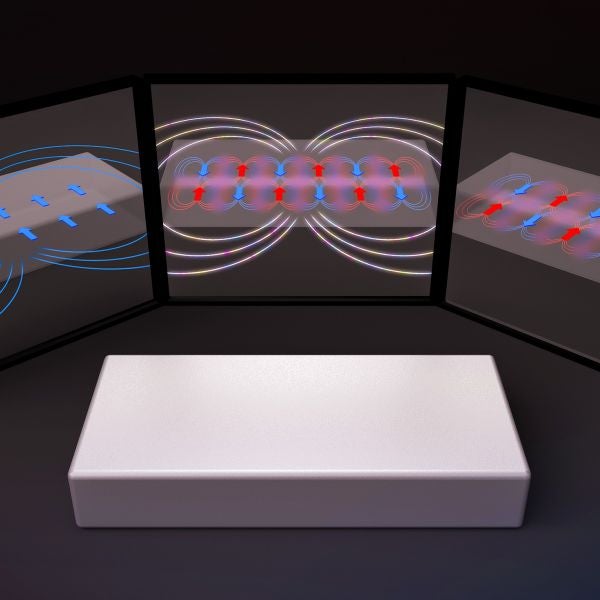
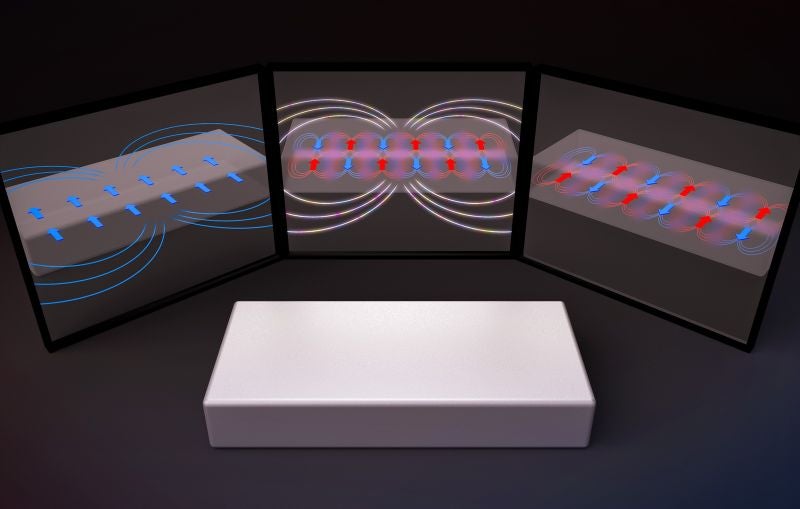
The team is the first to directly observe a unique property in an altermagnetic candidate material, key evidence of a new phase of magnetism.

Three mirrors displaying colorful diagrams with arrows, lines, and circular patterns, positioned above a smooth white rectangular base on a dark background.
Past Event
Something is lurking in the dark. Dark matter makes up most of the matter in the universe, yet it continues to slip through our...
SLAC on Tap
News Release

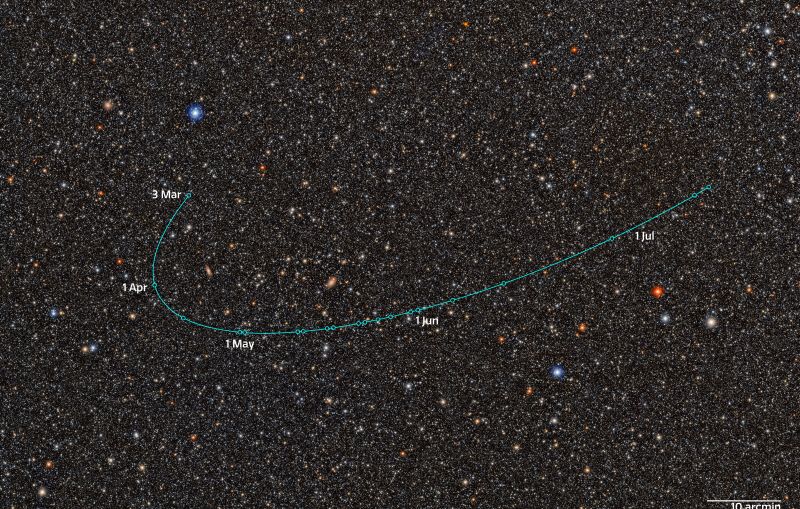
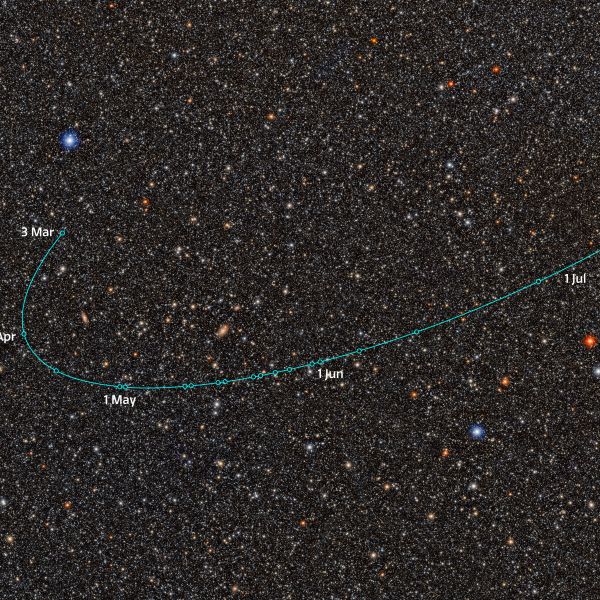
The candidate orbits our sun beyond Pluto, and may be among the largest and brightest objects discovered in this region of the solar system.

Field of stars with a line tracing the path of a dwarf planet through the night sky.
Feature

The machine learning program SPINE has become a backbone of neutrino experiments worldwide, decoding complex detector images to help scientists unlock the secrets of...

ICARUS
News Brief

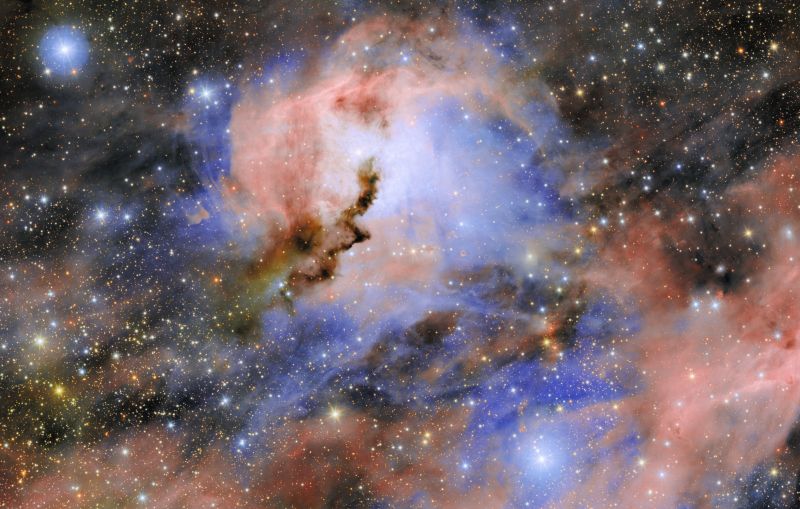
Star formation populates this image of the Seagull Nebula taken in Fall 2024 by Rubin Observatory’s engineering test camera.

Blue and pink swirls against a starry black background
news collection

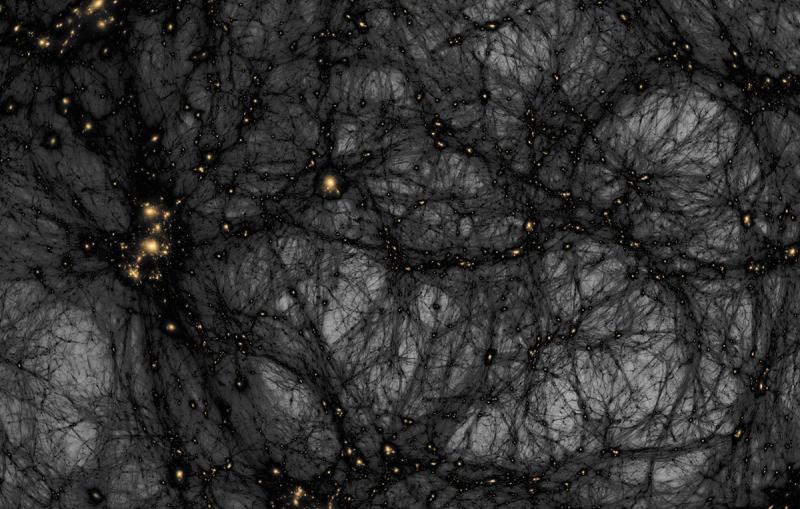
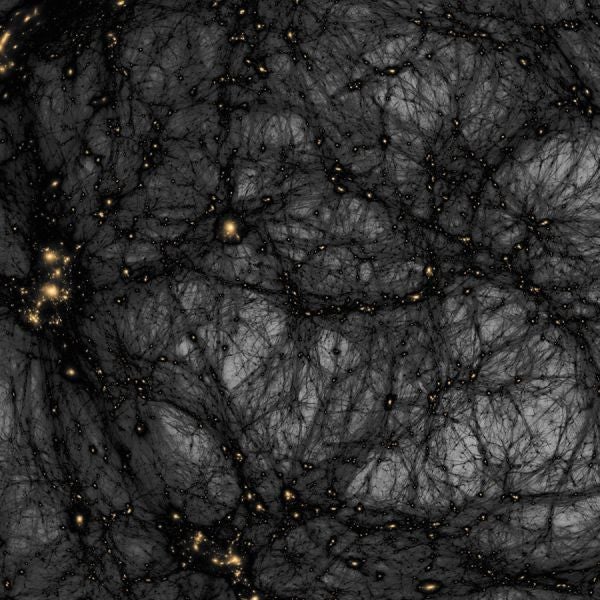
Dark matter makes up about 85% of all matter in the universe, yet its true identity remains one of the biggest cosmological mysteries. At SLAC, researchers are searching high and low to find answers.

Formation of dark matter structures.
News Release

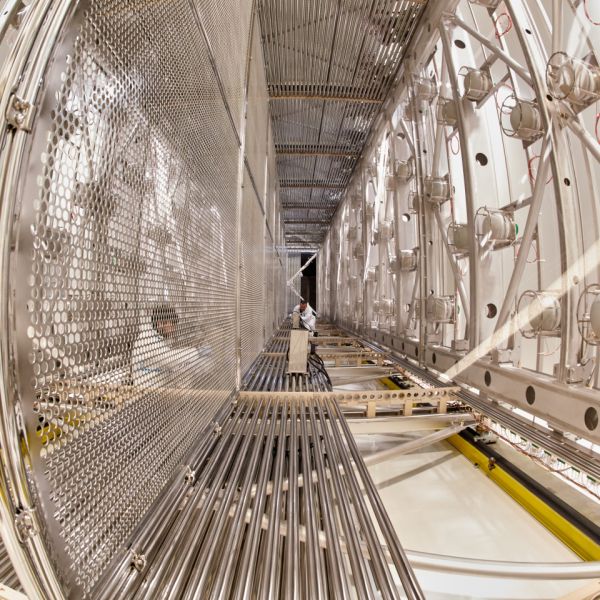
The LUX-ZEPLIN experiment observed a particle interaction that could be interpreted as a signal from WIMPs, a dark matter candidate – but researchers will...

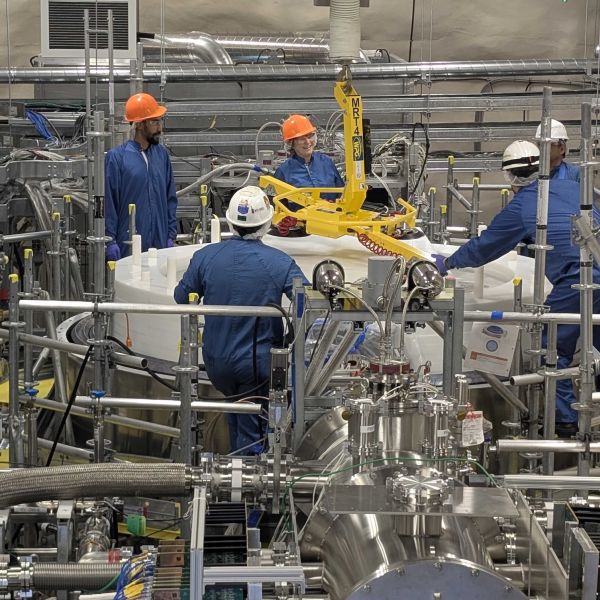
A researcher in protective gear works near a tall, cylindrical scientific instrument with visible wiring. The visible walls surrounding it are reflective Teflon.
News Brief

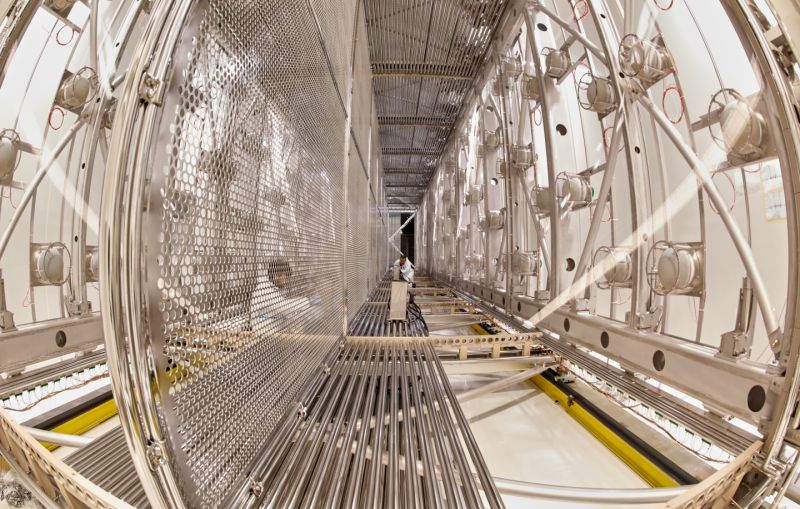
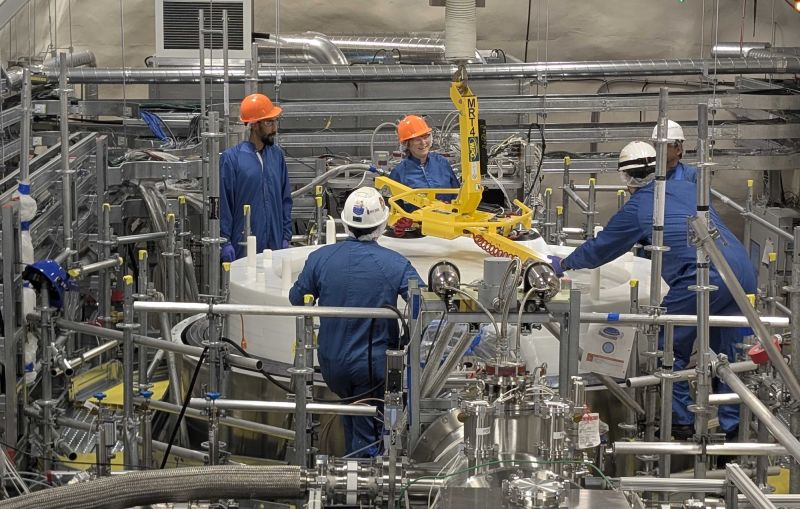
The deep-underground experiment could produce early-scientific results in the search for one of nature’s most elusive substances even, before reaching optimal sensitivity when the...

SuperCDMS shield
News Brief

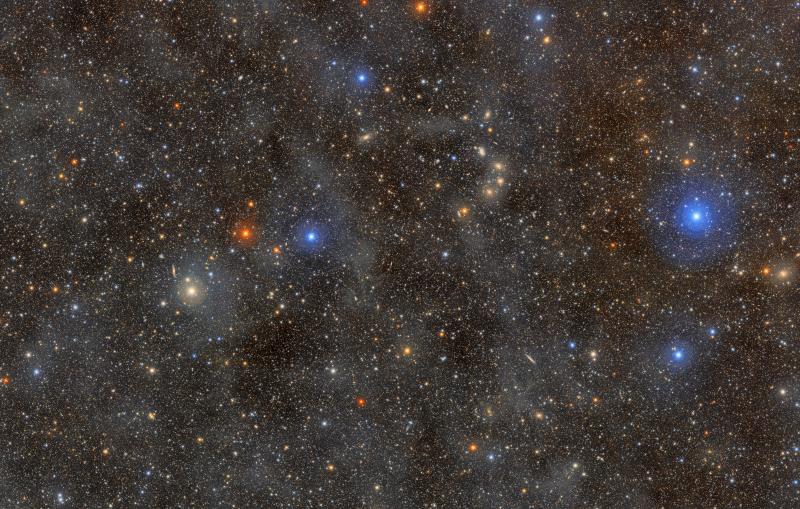
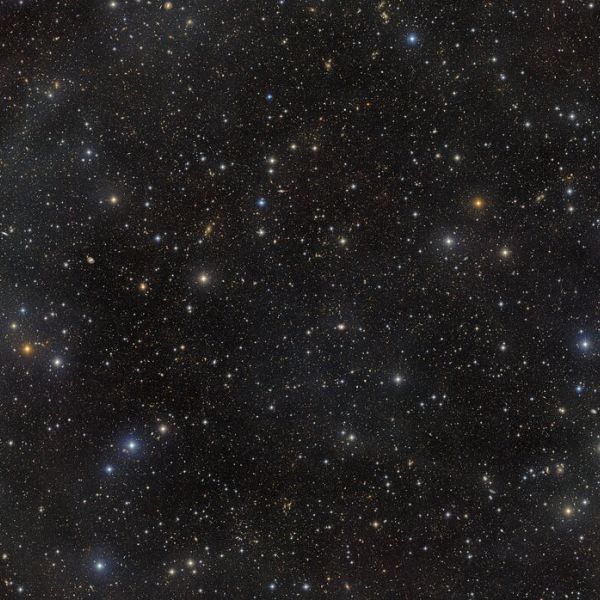
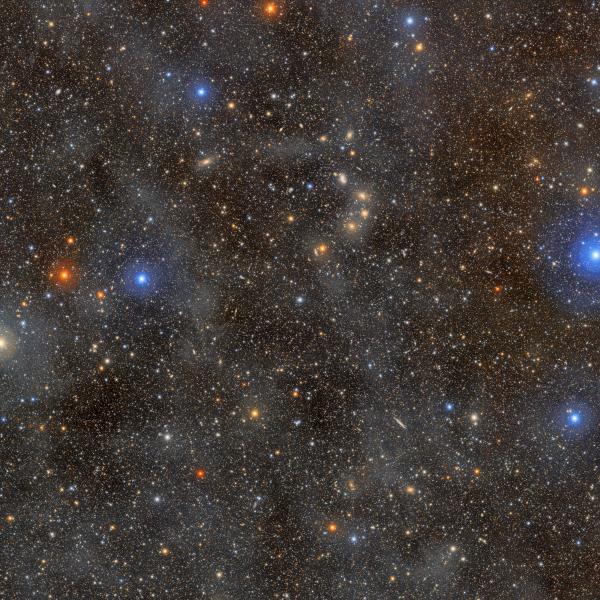
A new NSF–DOE Vera C. Rubin Observatory image featuring hundreds of thousands of distant galaxies in and around the COSMOS field marks the Observatory’s...

Field of night sky with stars and galaxies
News Brief

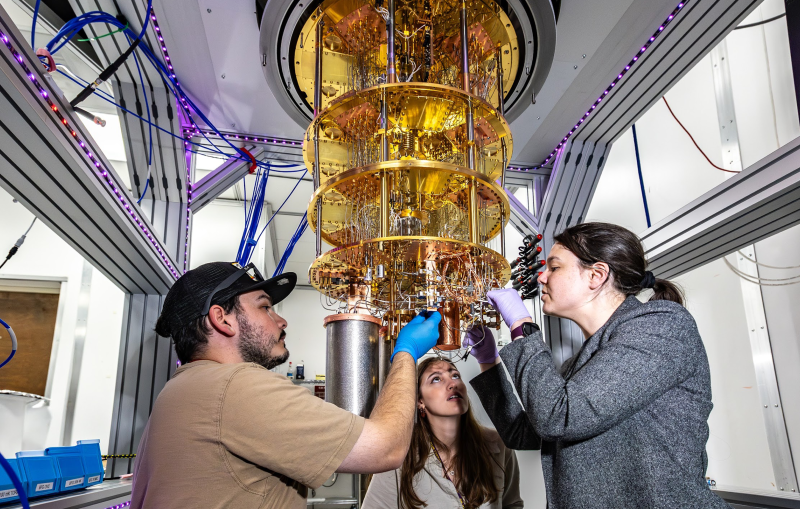
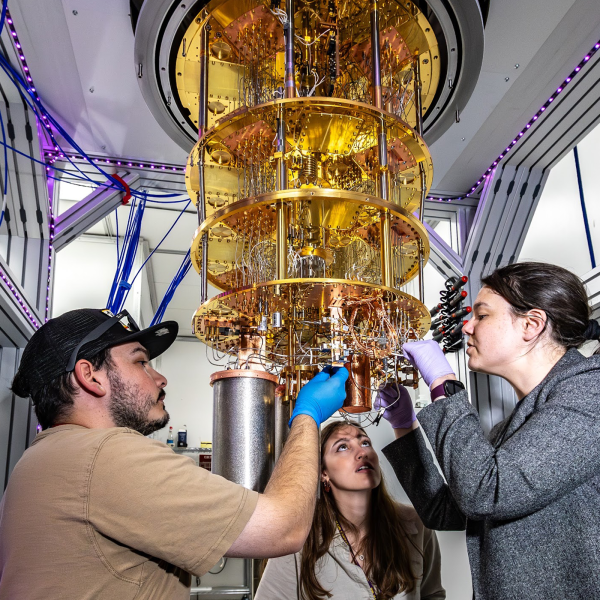
Driven by curiosity about nature, SLAC researcher Shannon Harvey develops quantum dots, a mass-producible type of qubit, as part of the Q-NEXT collaboration.

Researchers working with a dilution refrigerator, a piece of equipment that is made of gold-colored metal and resembles a chandelier.
News Release

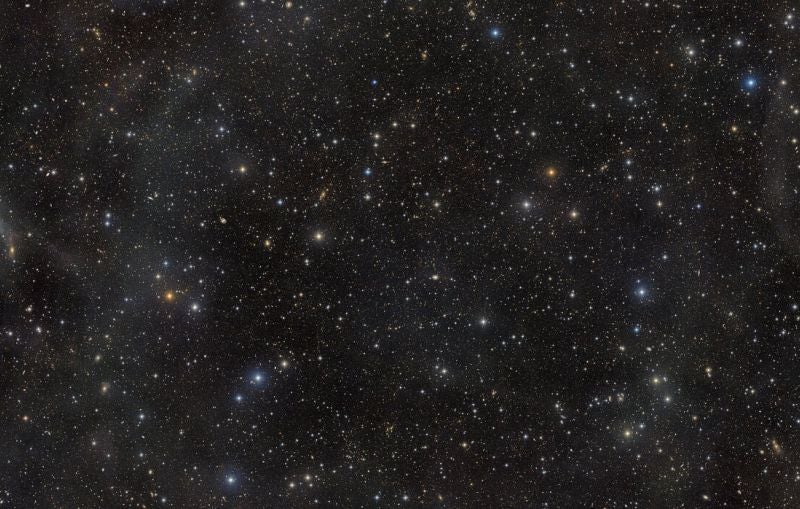
The 10-year Legacy Survey of Space and Time has officially started, marking the beginning of a new era in astronomy and astrophysics.

Ocean of Stars
Feature

The lab’s contributions to the national AI initiative are bolstered by its breakthrough scientific tools, unprecedented data and unique partnerships that help illuminate nature...

Sunrise over SLAC campus