The results cap 15 years of detective work aimed at understanding how these materials transition into a superconducting state where they can conduct electricity...
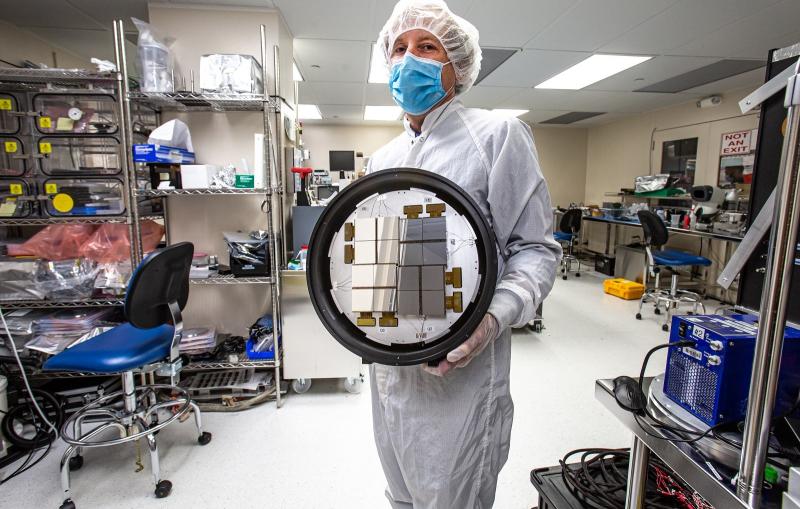
High-speed X-ray free-electron lasers have unlocked the crystal structures of small molecules relevant to chemistry and materials science, proving a new method that could...
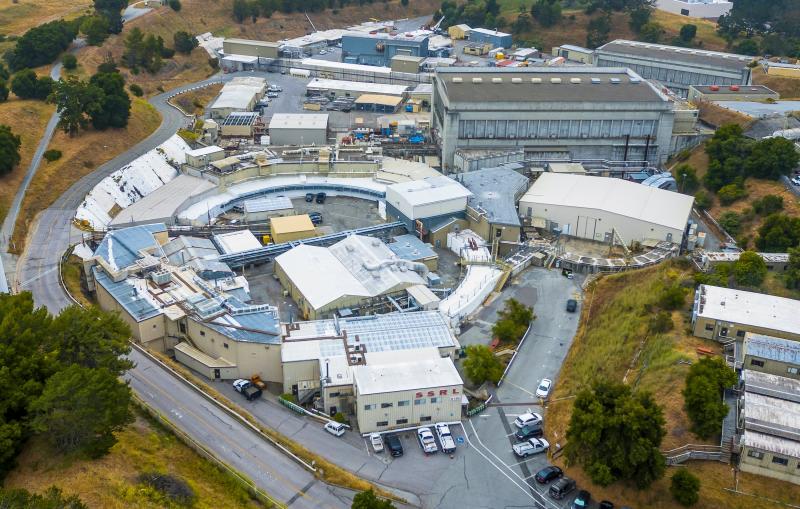
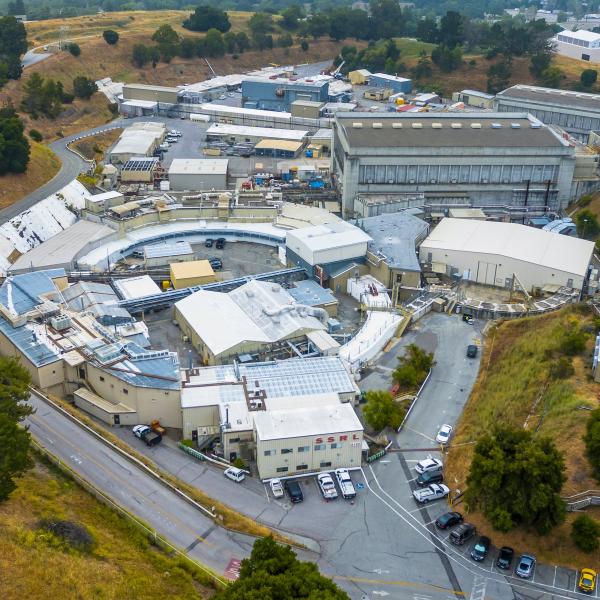
Recently developed methods now in use at SLAC’s X-ray synchrotron helped a team of chemists better understand how certain bacteria turn light into chemical...
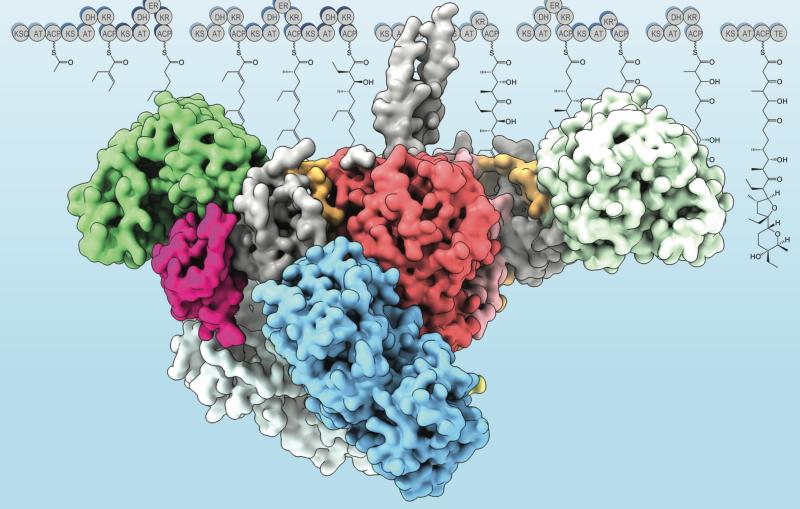
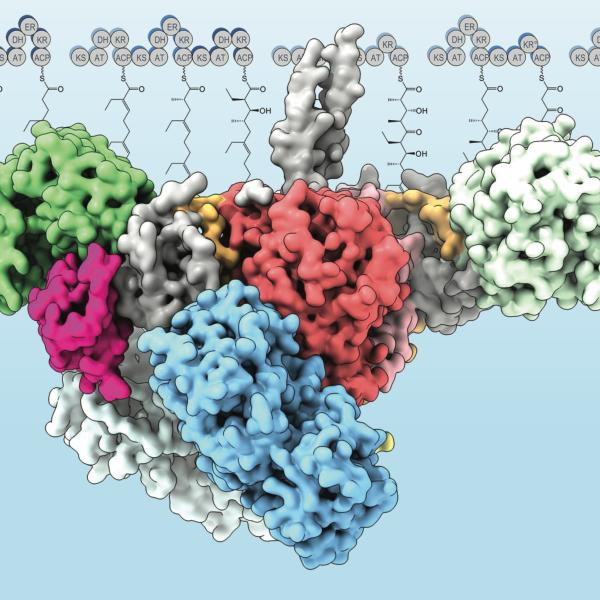
In two new papers, researchers used X-ray crystallography and cryogenic electron microscopy to reveal new details of the structure and function of molecular assembly...
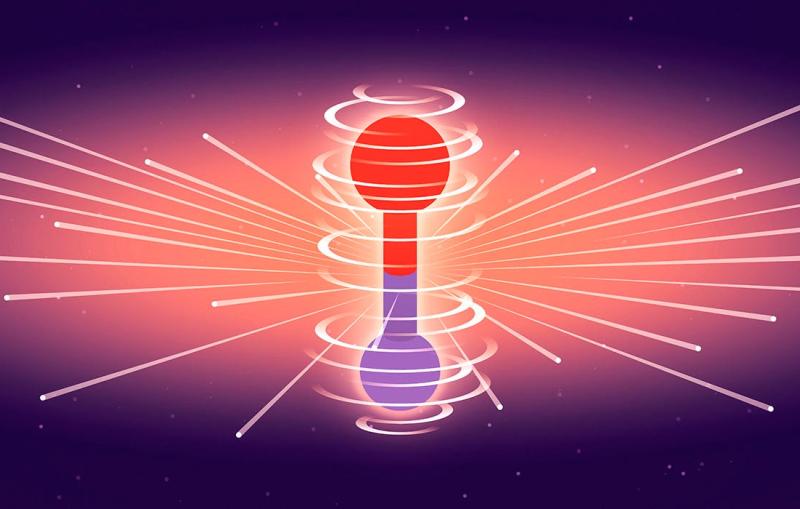
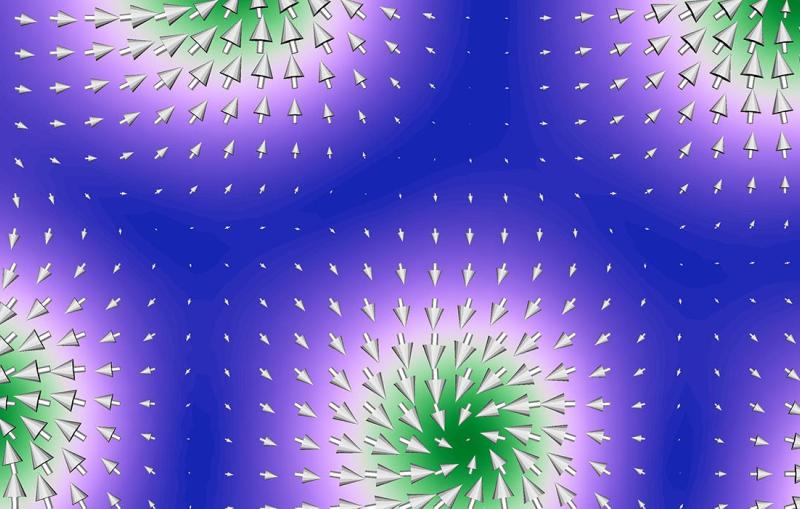
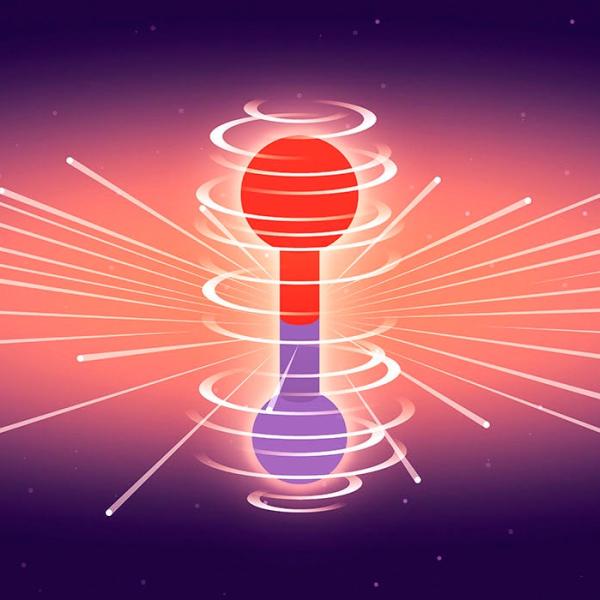
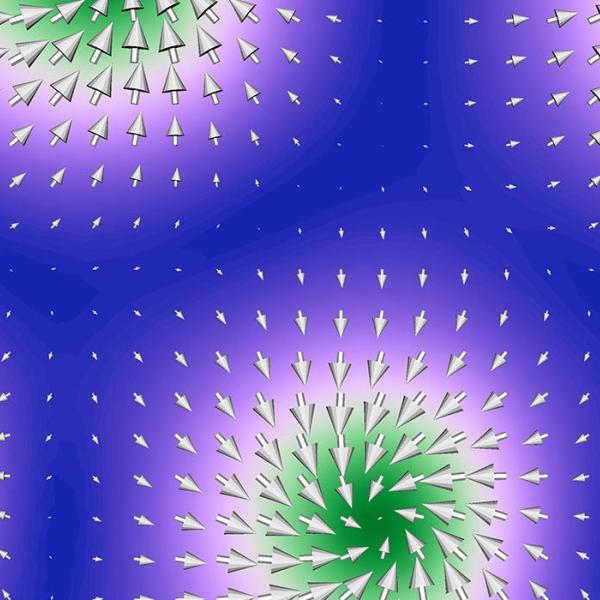
Spawned by the spins of electrons in magnetic materials, these tiny whirlpools behave like independent particles and could be the future of computing. Experiments...
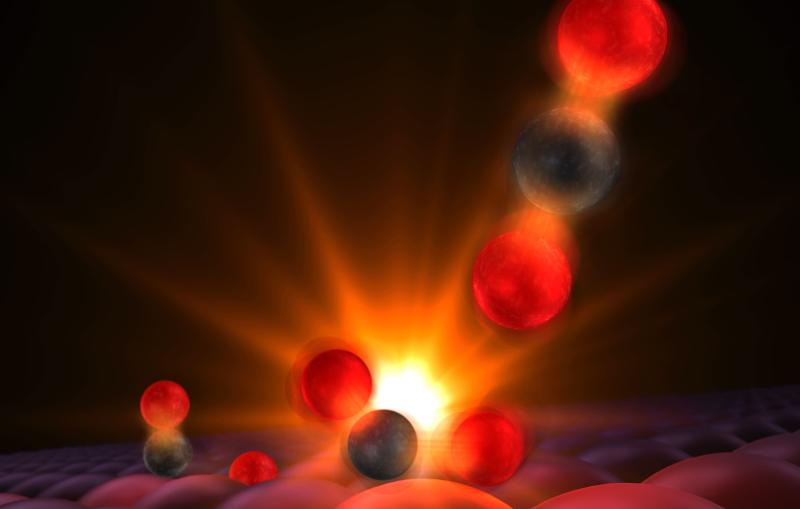
Less than a millionth of a billionth of a second long, attosecond X-ray pulses allow researchers to peer deep inside molecules and follow electrons as they zip around and ultimately initiate chemical reactions.
The results cap 15 years of detective work aimed at understanding how these materials transition into a superconducting state where they can conduct electricity with no loss.
High-speed X-ray free-electron lasers have unlocked the crystal structures of small molecules relevant to chemistry and materials science, proving a new method that could advance semiconductor and solar cell development.
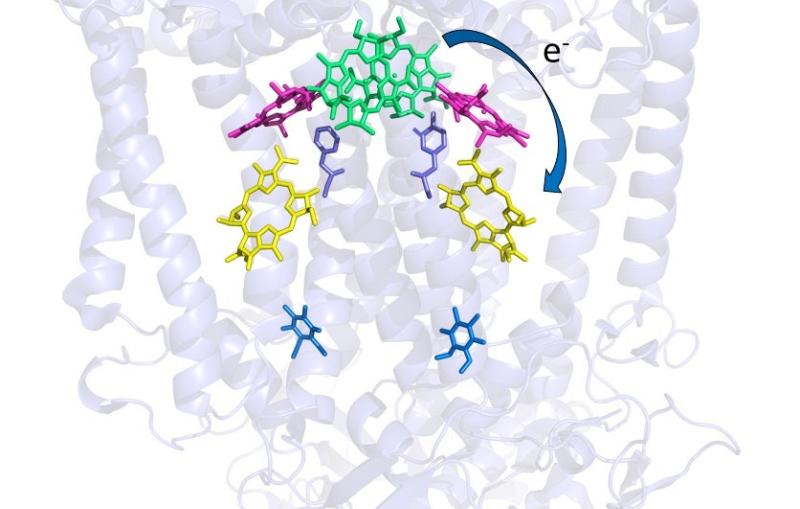
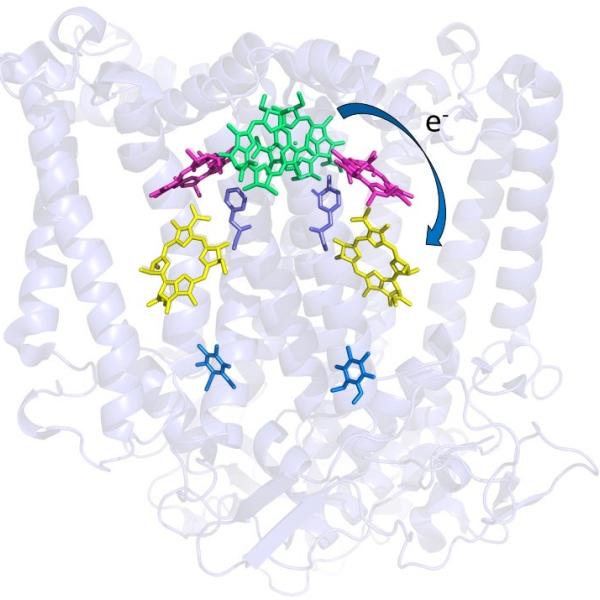
Recently developed methods now in use at SLAC’s X-ray synchrotron helped a team of chemists better understand how certain bacteria turn light into chemical energy.
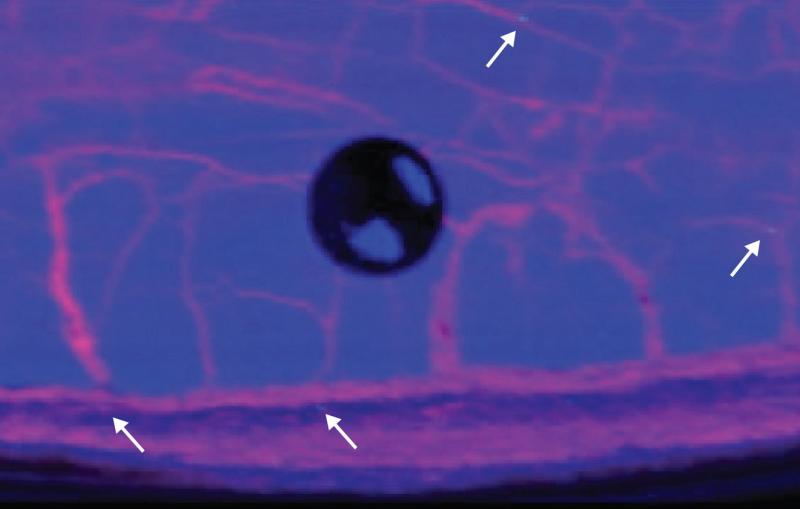
In two new papers, researchers used X-ray crystallography and cryogenic electron microscopy to reveal new details of the structure and function of molecular assembly lines that produce common antibiotics.
Spawned by the spins of electrons in magnetic materials, these tiny whirlpools behave like independent particles and could be the future of computing. Experiments with SLAC’s X-ray laser are revealing their secrets.