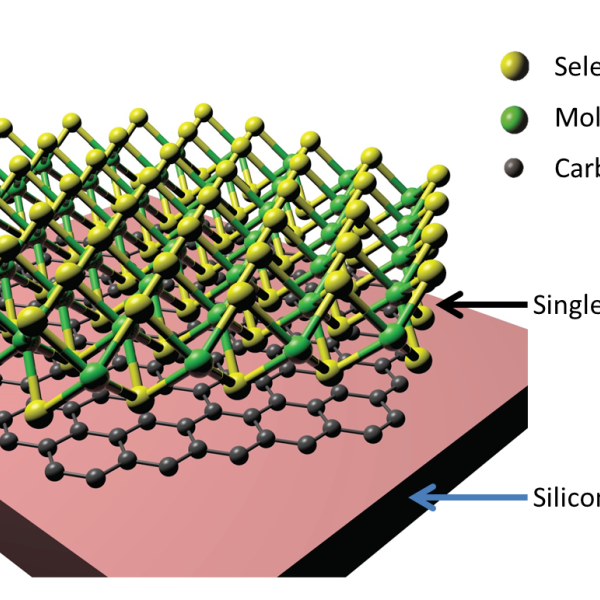
Crafted in a single atomic layer, it could be a natural fit for making thin, flexible light-based electronics, as well as futuristic 'spintronics' and...
Teams from Stanford, SLAC and the University of Nebraska-Lincoln collaborate to make thin, transparent semiconductors that could become the foundation for cheap, high-performance displays.
An international team led by scientists from two SLAC/Stanford institutes has devised a much faster and more accurate way of measuring subtle atomic vibrations...
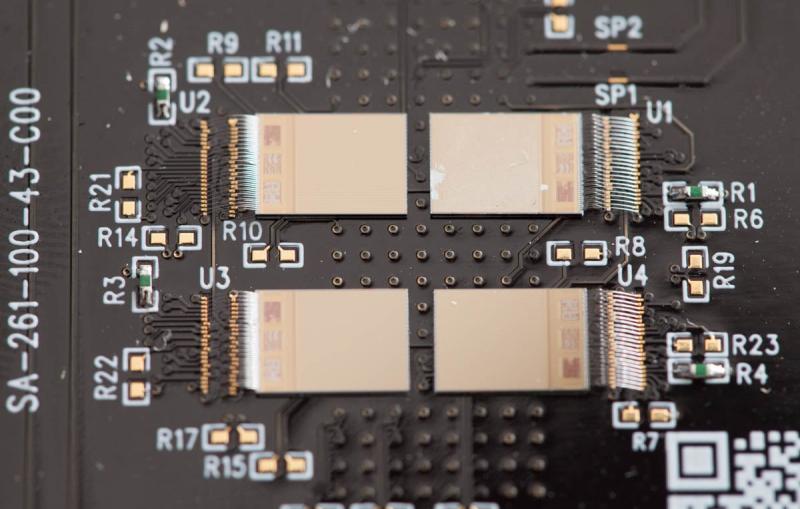
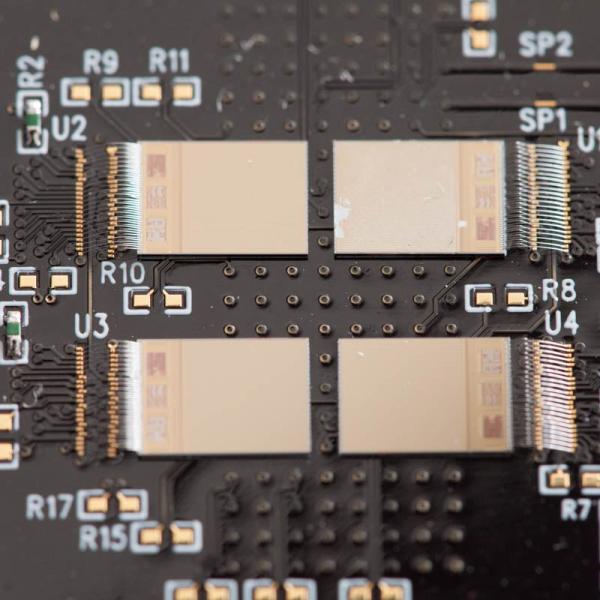
Scientists in SLAC's Integrated Circuits Department reach a new frontier in ultrafast X-ray science with intricately designed signal-processing chips that translate particles of light...
Scientists used the powerful X-ray laser at the U.S. Department of Energy's SLAC National Accelerator Laboratory to create movies detailing trillionths-of-a-second changes in the...
While this particular material is very unstable, the research shows it may be possible to find a material with the properties graphene has to offer in a thicker, sturdier form that’s easier to craft into electronic devices
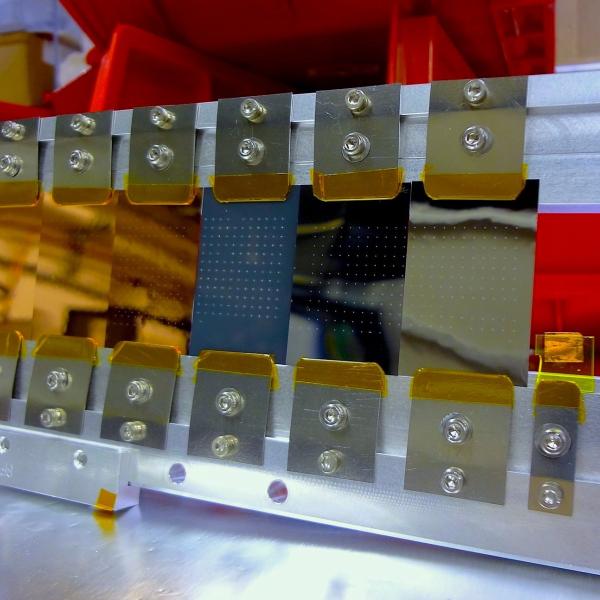
A 2-ton instrument the size of a compact car, now available at SLAC's X-ray laser, makes it possible to capture more detailed images of atoms, molecules, nanoscale features of solids, and individual particles such as viruses and airborne soot.
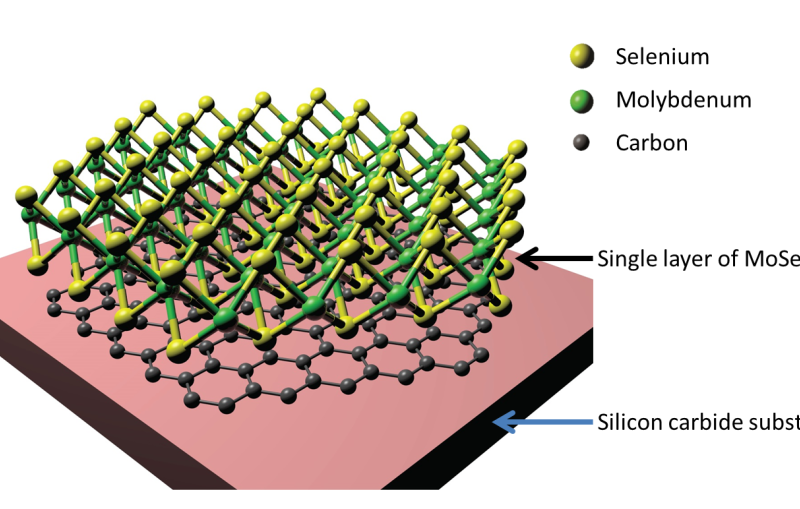
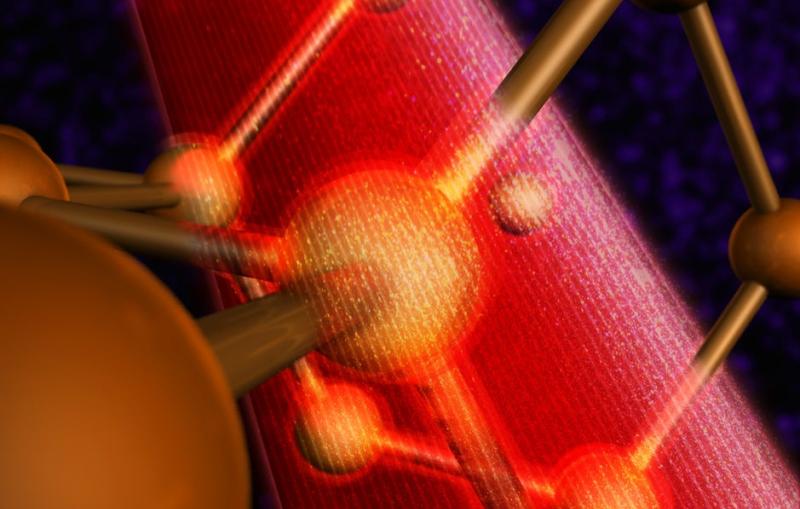
Crafted in a single atomic layer, it could be a natural fit for making thin, flexible light-based electronics, as well as futuristic 'spintronics' and 'valleytronics.'
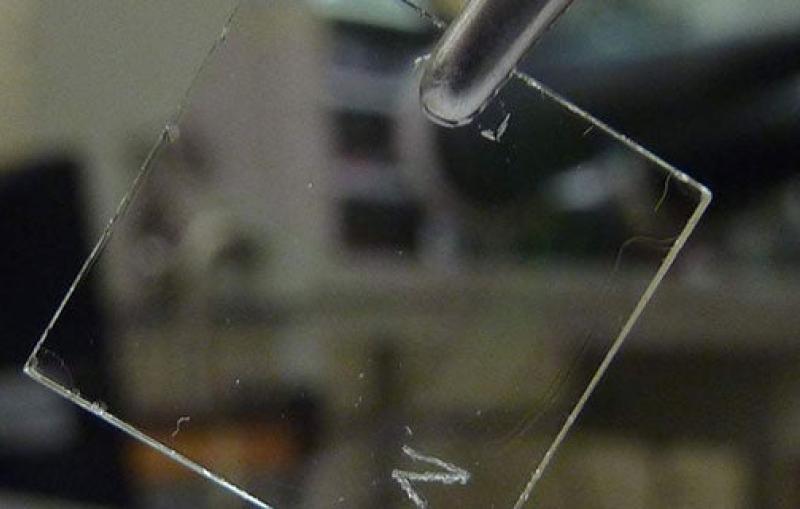
Teams from Stanford, SLAC and the University of Nebraska-Lincoln collaborate to make thin, transparent semiconductors that could become the foundation for cheap, high-performance displays.
An international team led by scientists from two SLAC/Stanford institutes has devised a much faster and more accurate way of measuring subtle atomic vibrations that underlie important hidden properties of materials.
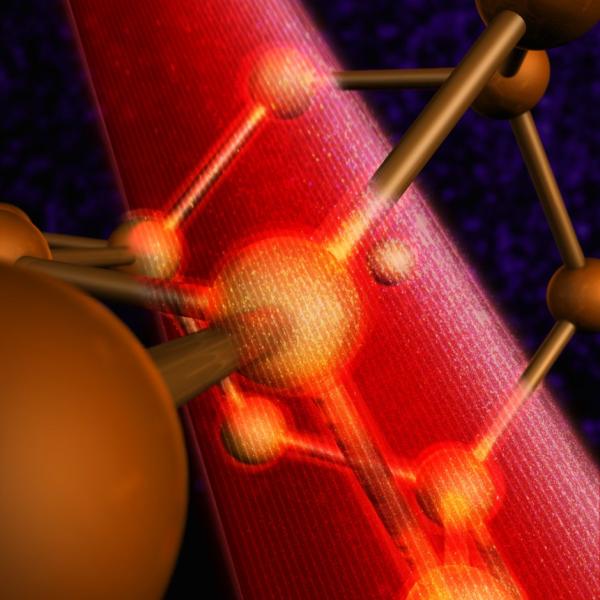
Researchers have found a new way to probe molecules and atoms with an X-ray laser, setting off cascading bursts of light that reveal precise details of what is going on inside, which could allow scientists to see details of chemical...
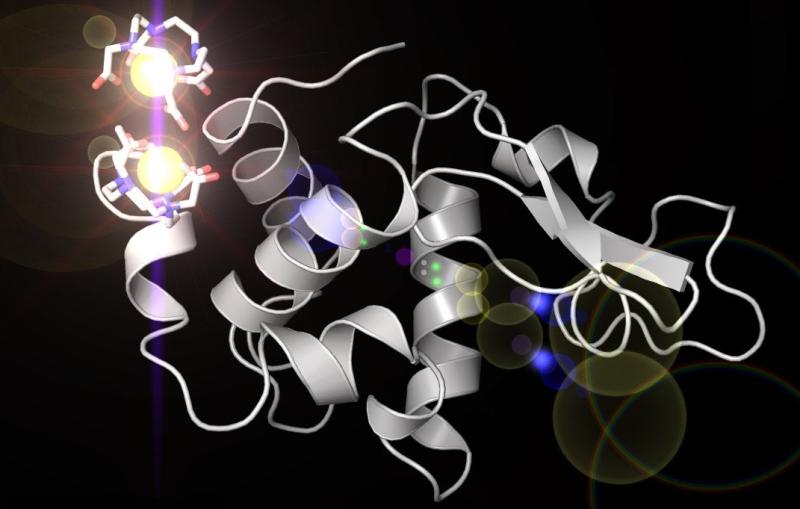
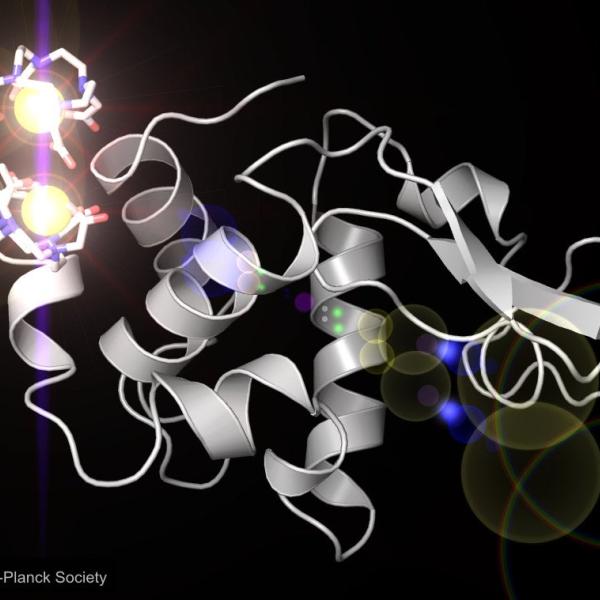
A study shows for the first time that X-ray lasers can be used to generate a complete 3-D model of a protein without any prior knowledge of its structure.
Scientists in SLAC's Integrated Circuits Department reach a new frontier in ultrafast X-ray science with intricately designed signal-processing chips that translate particles of light into bits of data.
Scientists used the powerful X-ray laser at the U.S. Department of Energy's SLAC National Accelerator Laboratory to create movies detailing trillionths-of-a-second changes in the arrangement of copper atoms after an extreme shock.
Sean Brennan's decades of X-ray expertise keep pulling him back to SLAC even though he formally retired in 2008. During a recent visit to the lab, he accepted the Farrel W. Lytle Award for his extensive contributions to SLAC's Stanford...