Working with a metal oxide that shows promise for future generations of electronic devices, IBM and SLAC scientists have shown they can precisely control...
In a detailed study of how intense light strips electrons from atoms, researchers used an X-ray laser, SLAC's Linac Coherent Light Source (LCLS), to...
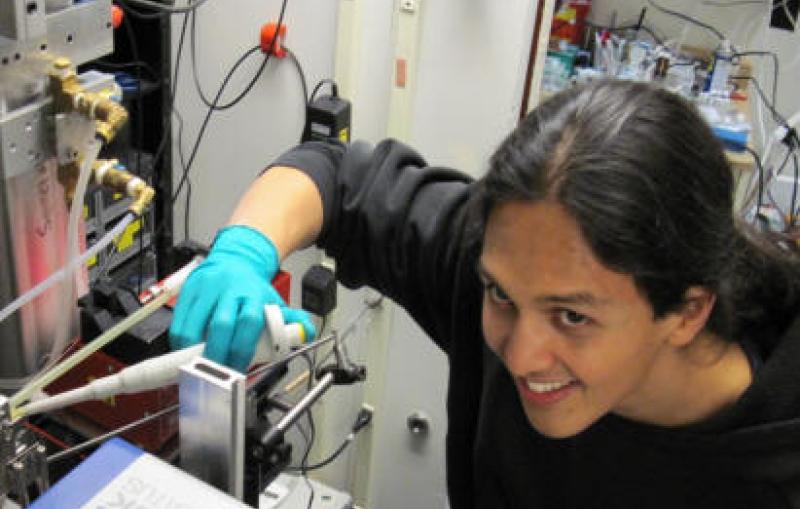
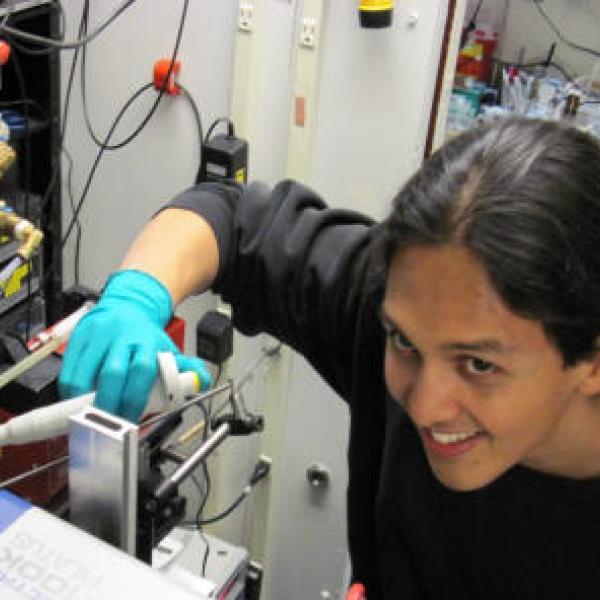
Guarav "Gino" Giri, who this summer completed his doctoral work in chemical engineering at Stanford, has been selected to receive this year's Melvin P...
Crews will install a powerful new instrument, start assembling a new "self-seeding" system that will focus soft X-ray laser pulses into a bright, narrow...
In a new state-of-the-art lab at SLAC National Accelerator Laboratory, components of ribosomes – tiny biological machines that make new proteins and play a...
Jonathan Rivnay, a former Stanford graduate student who is now a postdoctoral fellow at the Center of Microelectronics in Provence, France, will receive this...
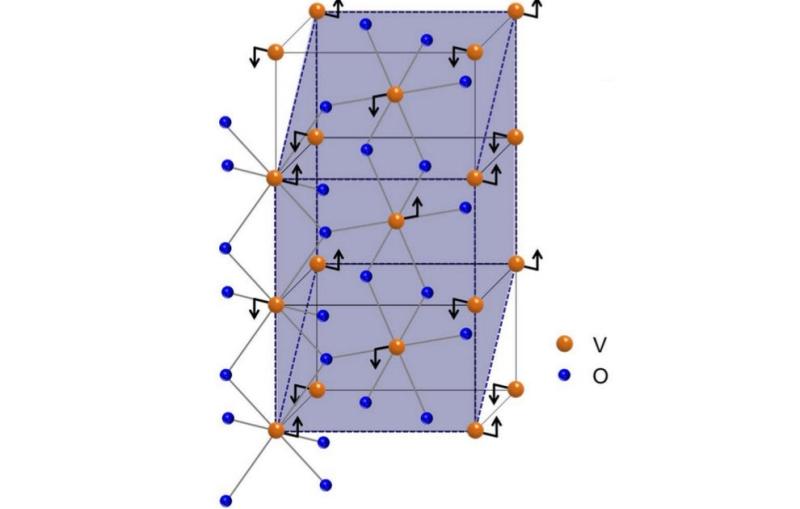
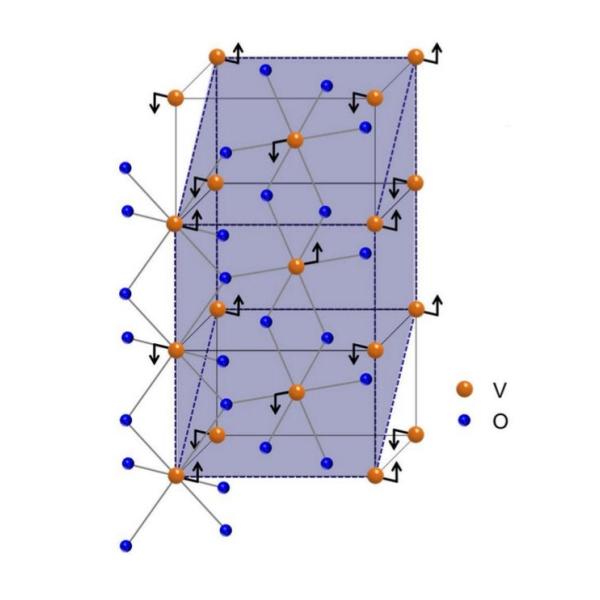
Working with a metal oxide that shows promise for future generations of electronic devices, IBM and SLAC scientists have shown they can precisely control the temperature at which it flips from being an electrical conductor to an insulator – and...
Archimedes (287-212 BC), who is famous for shouting ‘Eureka’ (I found it) is considered one of the most brilliant thinkers of all times. The 10th-century parchment document known as the “Archimedes Palimpsest” is the unique source for two of the...
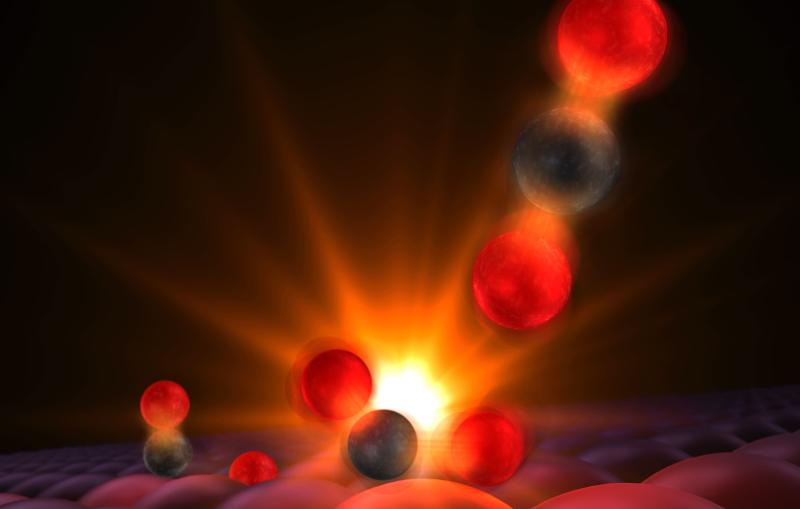
In a detailed study of how intense light strips electrons from atoms, researchers used an X-ray laser, SLAC's Linac Coherent Light Source (LCLS), to measure and sort the ejected electrons and discover how this process takes place.
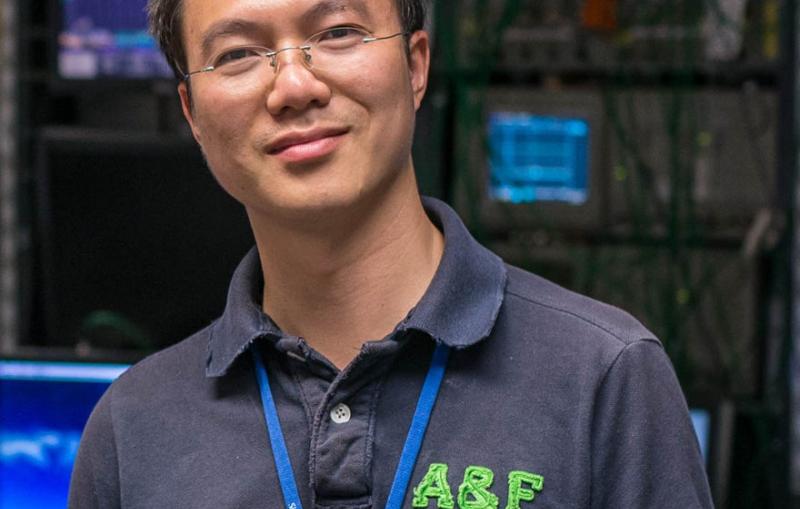
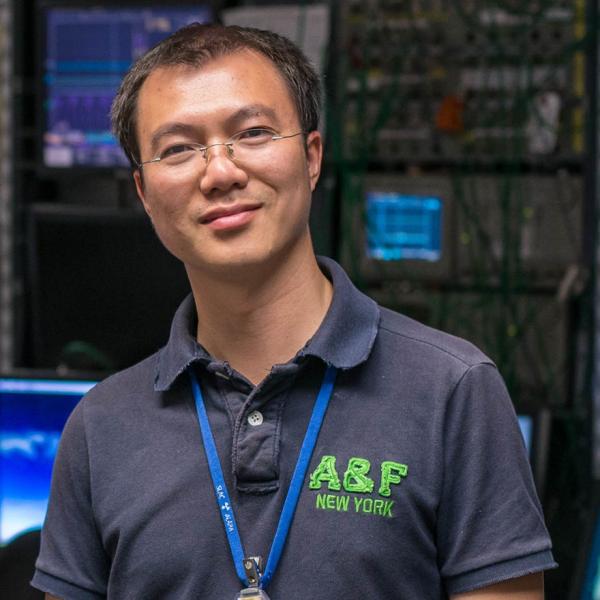
Dao Xiang, a SLAC accelerator physicist, has received an international award for his work on a technique for tuning an electron beam with a laser to produce X-ray pulses with more uniform and predictable properties.
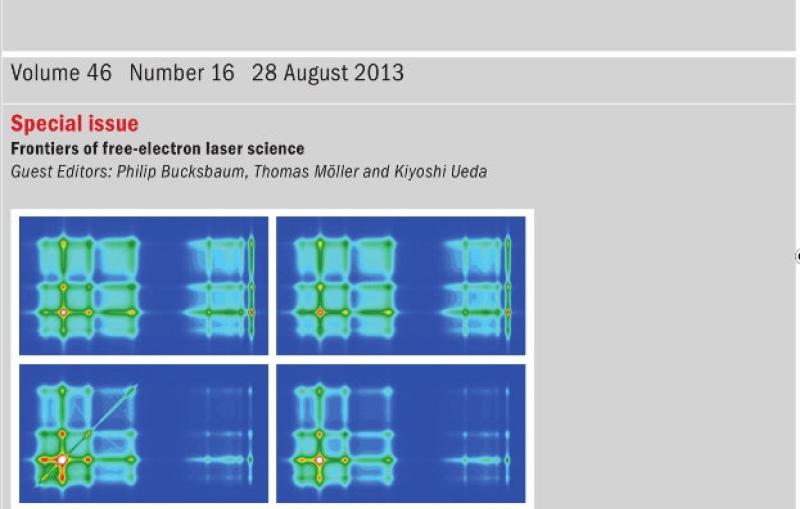
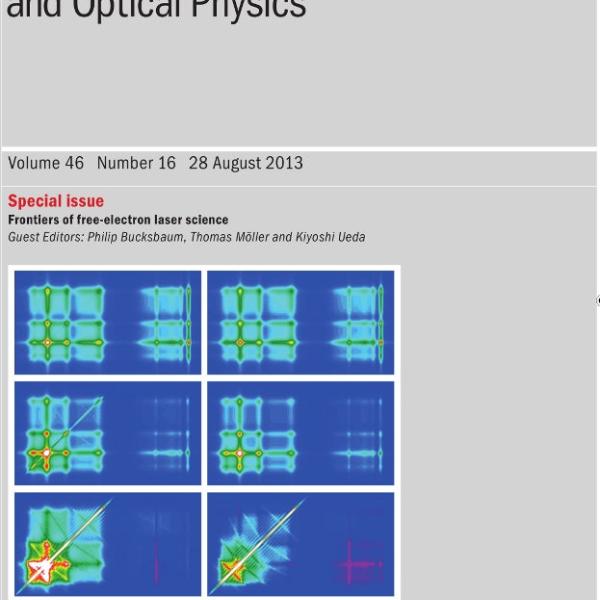
A special issue of a physics publication highlights the contributions of SLAC's X-ray laser and the few similar lasers around the globe in probing the interaction of light and matter at the scale of atoms and electrons.
Guarav "Gino" Giri, who this summer completed his doctoral work in chemical engineering at Stanford, has been selected to receive this year's Melvin P. Klein Scientific Development Award for his pioneering work aimed at understanding and improving organic semiconductor performance...
Crews will install a powerful new instrument, start assembling a new "self-seeding" system that will focus soft X-ray laser pulses into a bright, narrow band of colors, and upgrade several laser systems during two months of routine downtime at SLAC's...
In a new state-of-the-art lab at SLAC National Accelerator Laboratory, components of ribosomes – tiny biological machines that make new proteins and play a vital role in gene expression and antibiotic treatments – form crystals in a liquid solution.
Jonathan Rivnay, a former Stanford graduate student who is now a postdoctoral fellow at the Center of Microelectronics in Provence, France, will receive this year's William E. and Diane M. Spicer Young Investigator Award in recognition of his synchrotron studies...
A high-energy SLAC laser that creates shock waves and superhot plasmas needs to cool for about 10 minutes between shots. In the meantime, the rapid-fire pulses produced by SLAC's Linac Coherent Light Source X-ray laser, which probes the extreme states...
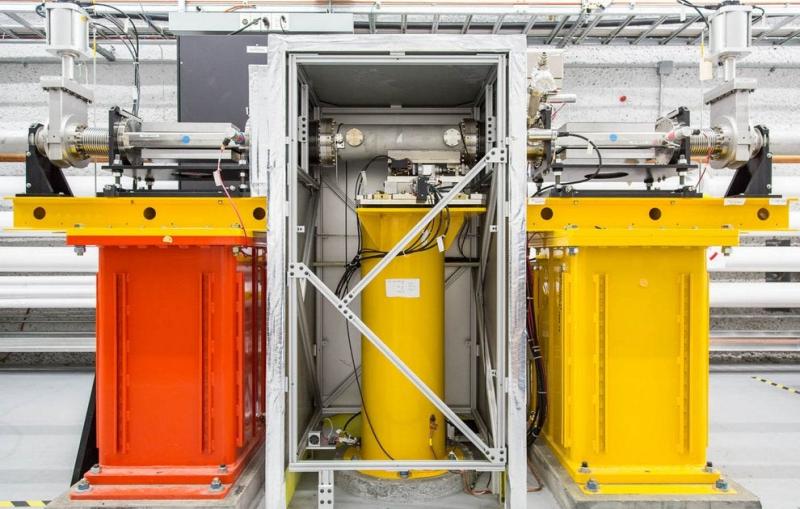
A new tool at SLAC's Linac Coherent Light Source splits individual X-ray laser pulses into two pulses that can hit a target one right after another with precisely controlled timing, allowing scientists to trigger and measure specific ultrafast changes in...