Scientists at the Department of Energy's SLAC National Accelerator Laboratory have made the first structural observations of liquid water at temperatures down to minus...
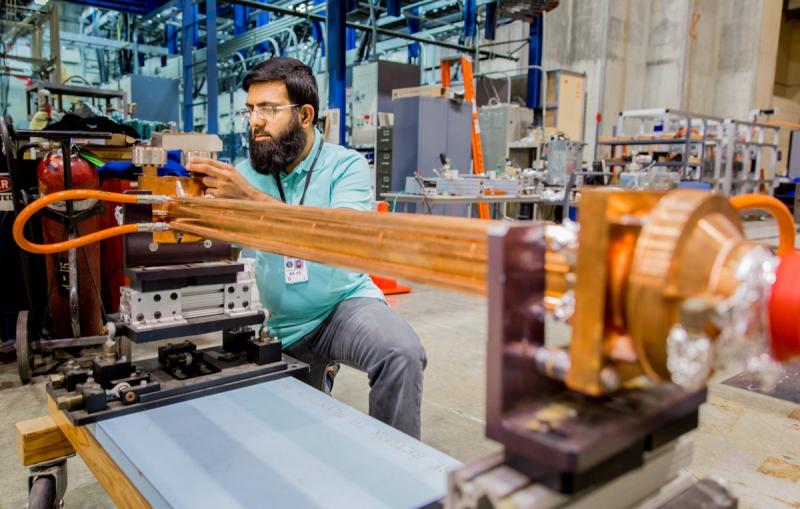
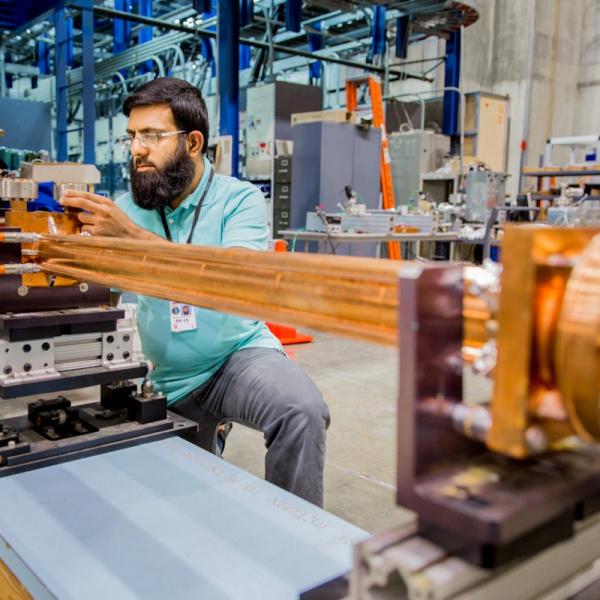
SLAC scientists have found a new way to produce bright pulses of light from accelerated electrons that could shrink "light source" technology used around...
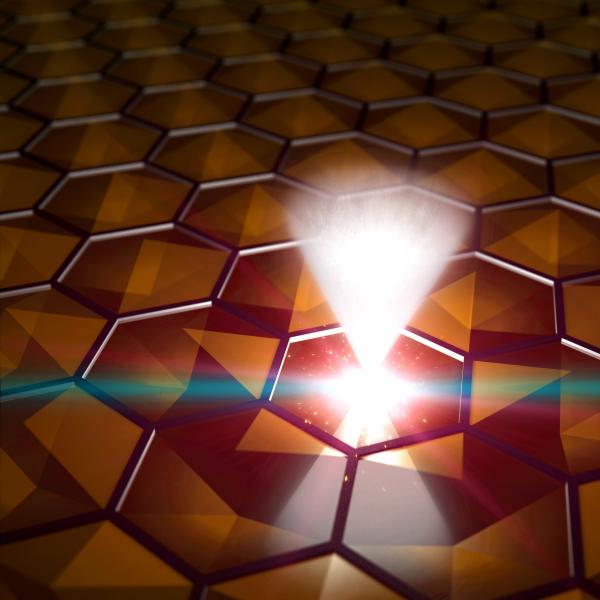
Researchers from Oxford, SIMES and Berkeley Lab say cadmium arsenide could yield practical devices with the same extraordinary electronic properties as 2-D graphene.
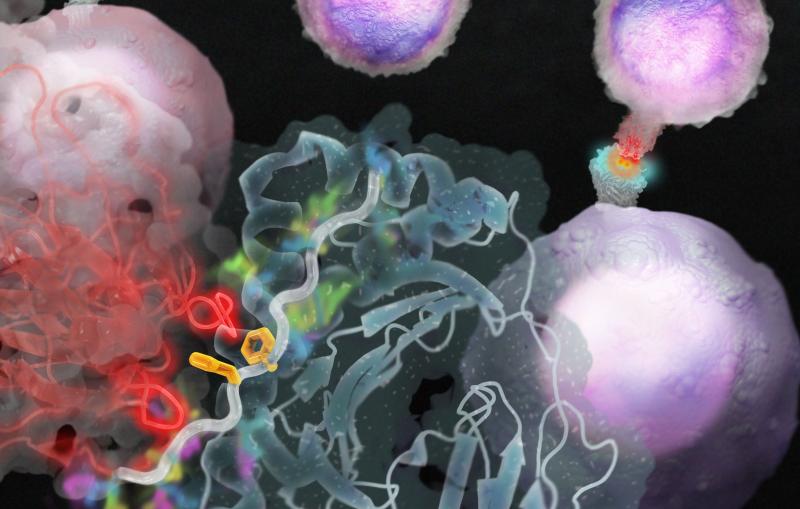
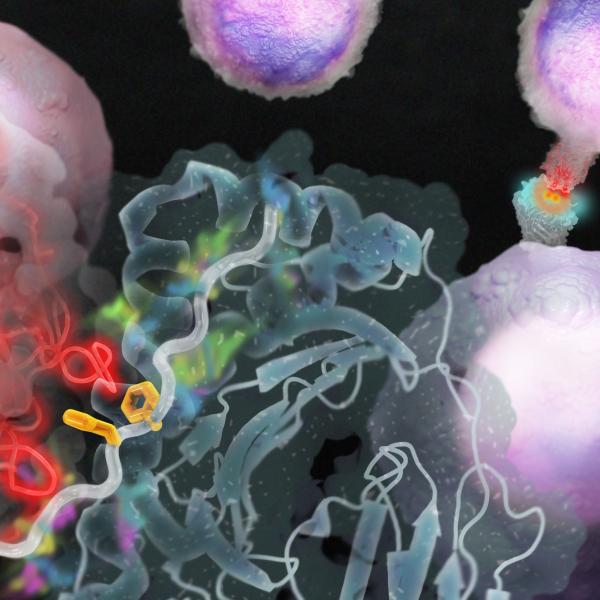
By finding surprising similarities in the way immune system defenders bind to disease-causing invaders, a new study may help scientists develop new treatments.
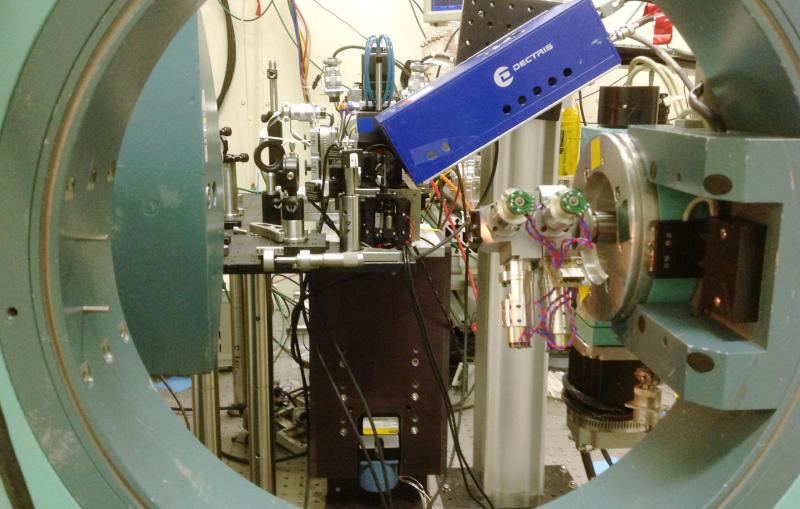
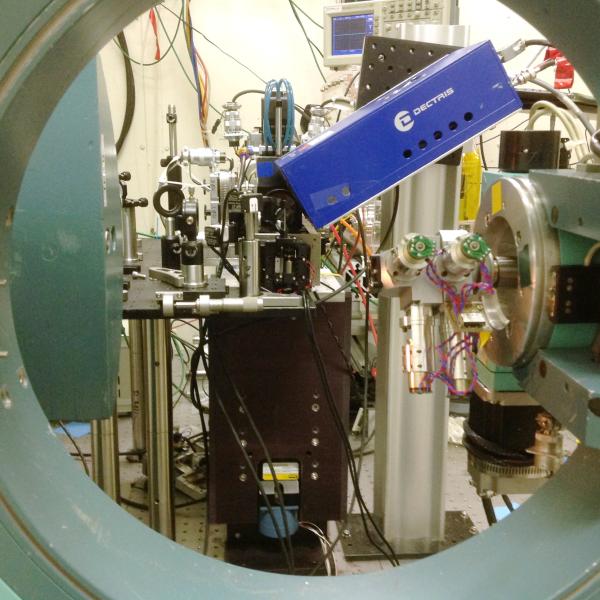
In a recent experiment at SLAC's Stanford Synchrotron Radiation Lightsource, scientists "tickled" atoms to explore the flow of heat and energy across materials at...
Scientists at SLAC and Stanford show how high-temperature superconductivity emerges out of magnetism in an iron pnictide, a class of materials with great potential...
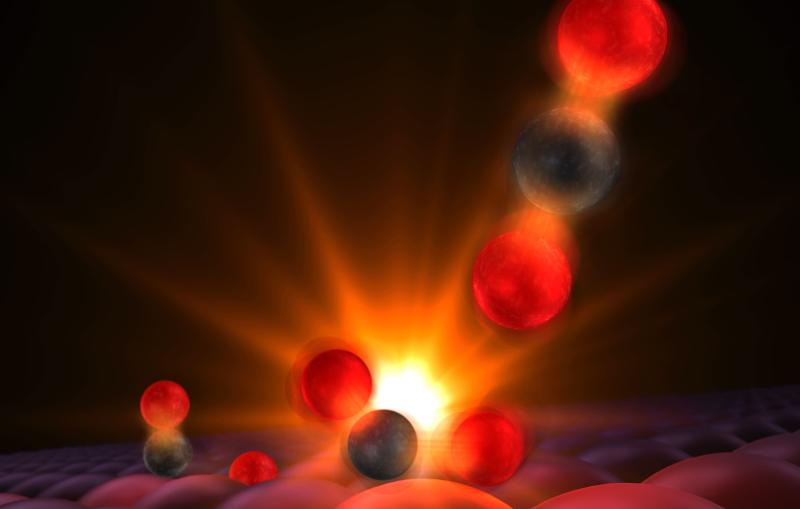
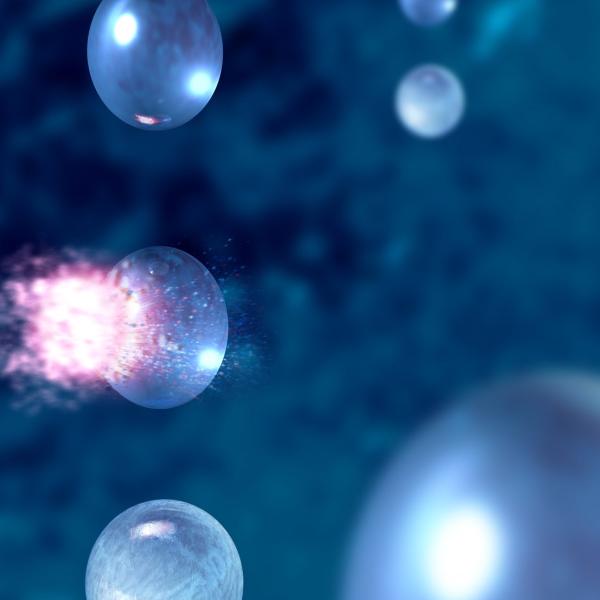
Scientists at the Department of Energy's SLAC National Accelerator Laboratory have made the first structural observations of liquid water at temperatures down to minus 51 degrees Fahrenheit, within an elusive “no man’s land” where water’s strange properties are super-amplified.
Even in their infancy, X-ray lasers such as SLAC's Linac Coherent Light Source are notching a list of important discoveries, and a special issue of a scientific journal highlights their unique contributions to biological sciences.
SLAC scientists have found a new way to produce bright pulses of light from accelerated electrons that could shrink "light source" technology used around the world since the 1970s to examine details of atoms and chemical reactions.
Researchers from Oxford, SIMES and Berkeley Lab say cadmium arsenide could yield practical devices with the same extraordinary electronic properties as 2-D graphene.
By finding surprising similarities in the way immune system defenders bind to disease-causing invaders, a new study may help scientists develop new treatments.
In a recent experiment at SLAC's Stanford Synchrotron Radiation Lightsource, scientists "tickled" atoms to explore the flow of heat and energy across materials at ultrasmall scales.
Scientists at SLAC and Stanford show how high-temperature superconductivity emerges out of magnetism in an iron pnictide, a class of materials with great potential for making devices that conduct electricity with 100 percent efficiency.
Rolls-Royce researchers came to SLAC earlier this month as part of a team testing titanium and its alloys, such as those used in engine parts, landing gear and other aircraft components