

SLAC topics

X-ray light sources and electron imaging RSS feed

X-ray light sources and electron imaging are advanced techniques used to study the structure and properties of materials. X-ray light sources use high-energy photons to produce X-rays, while electron imaging uses high-energy electrons to produce detailed images of samples. 

Browse tagged content

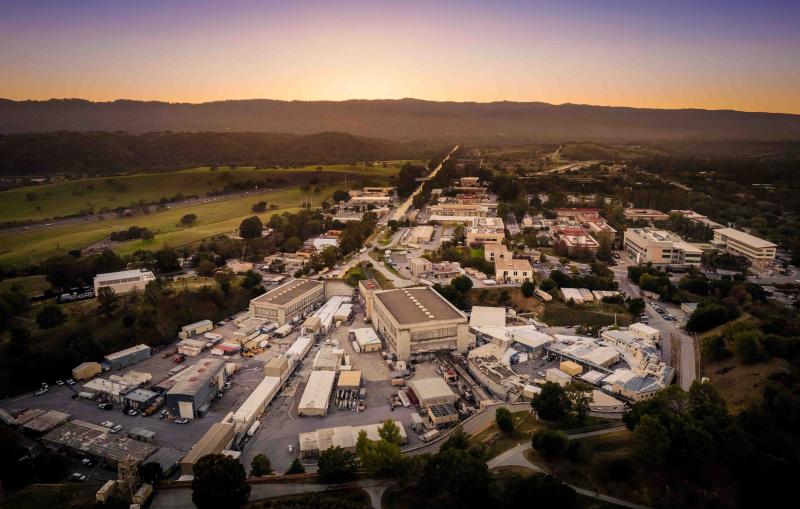
Aerial view of SLAC
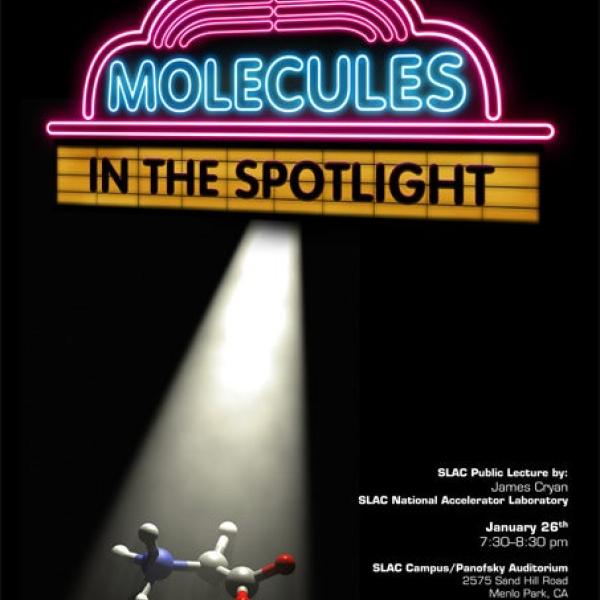
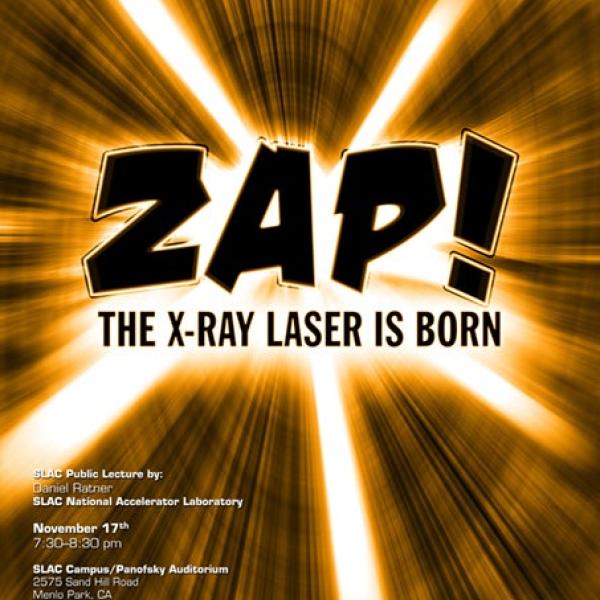
Public Lecture Poster
ZAP! The X-Ray Laser is Born
News Release

The first complete chemical analysis of feathers from Archaeopteryx, a famous fossil linking dinosaurs and birds, reveals that the feathers were patterned—light in color...

Paleontologists examine Berlin Archaeopteryx counter plate (Brad Plummer/SLAC)
News Release

At first glance the beautifully bound 1797 Luigi Cherubini opera Médée looks like an impeccably preserved relic of opera's golden age. However, flip to...

Image - Thick smudges black out parts of an aria from Luigi Cherubini's 1797 opera "Medee." (Courtesy Uwe Bergmann)
Video
video still frame of Amedeo Perazzo
Video
News Release

The ultrafast, ultrabright X-ray pulses of the Linac Coherent Light Source (LCLS) have enabled unprecedented views of a catalyst in action, an important step...

Artist rendition: molecules react with the surface of a catalyst in real time
Feature

A material that could enable faster memory chips and more efficient batteries can switch between high and low ionic conductivity states much faster than...

Image - Artistic rendering of elements at atomic level.
Feature

A team led by SLAC and Stanford scientists has made an important discovery toward understanding how a large group of complex copper oxide materials...

Photo - Scientists standing with equipment at SLAC.
News Release

Menlo Park, Calif. — Researchers using the Linac Coherent Light Source (LCLS) at the U.S. Department of Energy’s (DOE) SLAC National Accelerator Laboratory have...

Photo of the CAMP Chamber at LCLS
Feature

Most electric cars, from the Tesla Model S to the Nissan Leaf, run on rechargeable lithium-ion batteries – a pricey technology that accounts for...

Mike Toney and Johanna Nelson at SSRL
News Release

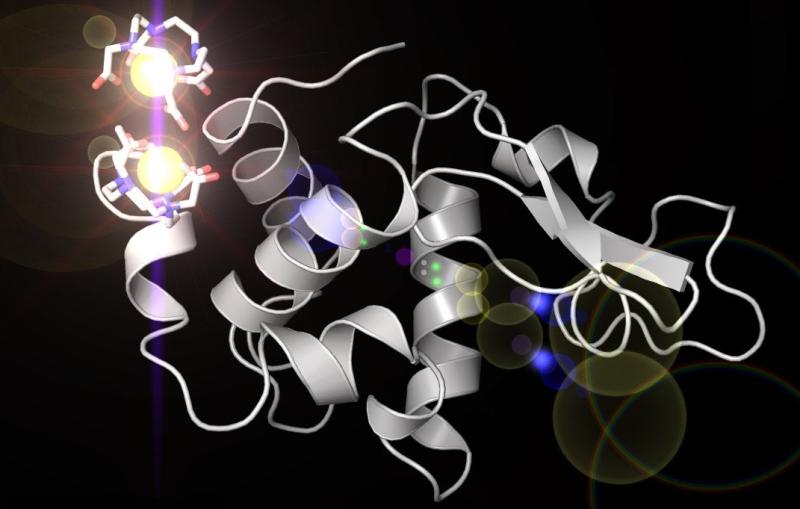
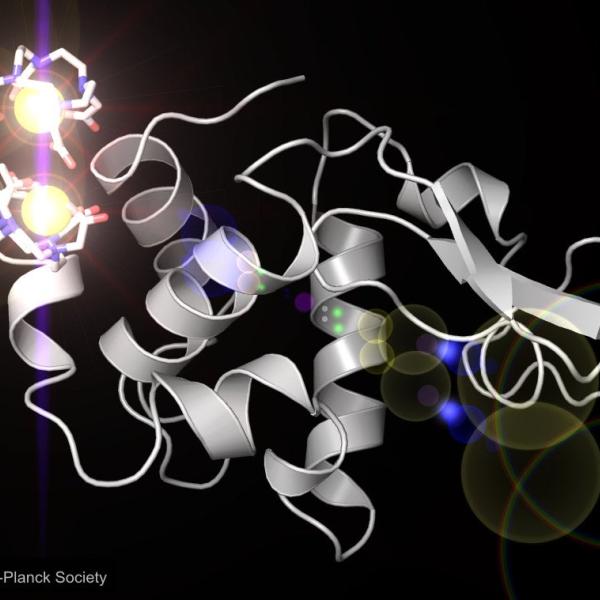
An international team led by the U.S. Department of Energy's (DOE) SLAC National Accelerator Laboratory has proved how the world's most powerful X-ray laser...

a lysozyme structural model against its X-ray diffraction pattern
Feature

Condensed-matter physicists the world over are in hot pursuit of a comprehensive understanding of high-temperature superconductivity, not just for its technological benefits but for...

 False-color plots of the superconducting gap distribution of BaFe2(As0.7P0.3)2
Feature

An international team of researchers has used SLAC’s Linac Coherent Light Source (LCLS) to discover never-before-seen behavior by electrons in complex materials with extraordinary...

alternating stripes of charges and spins that self-organize in a particular nickel oxide at sufficiently low temperatures